Find the Best Gas Line Plumbing Companies for Your Business
No obligation • Fast responses • Nationwide coverage

Why you can trust Search a Plumber
Search a Plumber is a leading United States resource for finding and evaluating professional plumbing services. Our team researches licensing, experience, and customer feedback to create unbiased, fact-driven overviews. Companies cannot pay to change ratings or placement, ensuring homeowners get trustworthy information.
Search providers near you
Find Gas Line Plumbing Companies near you
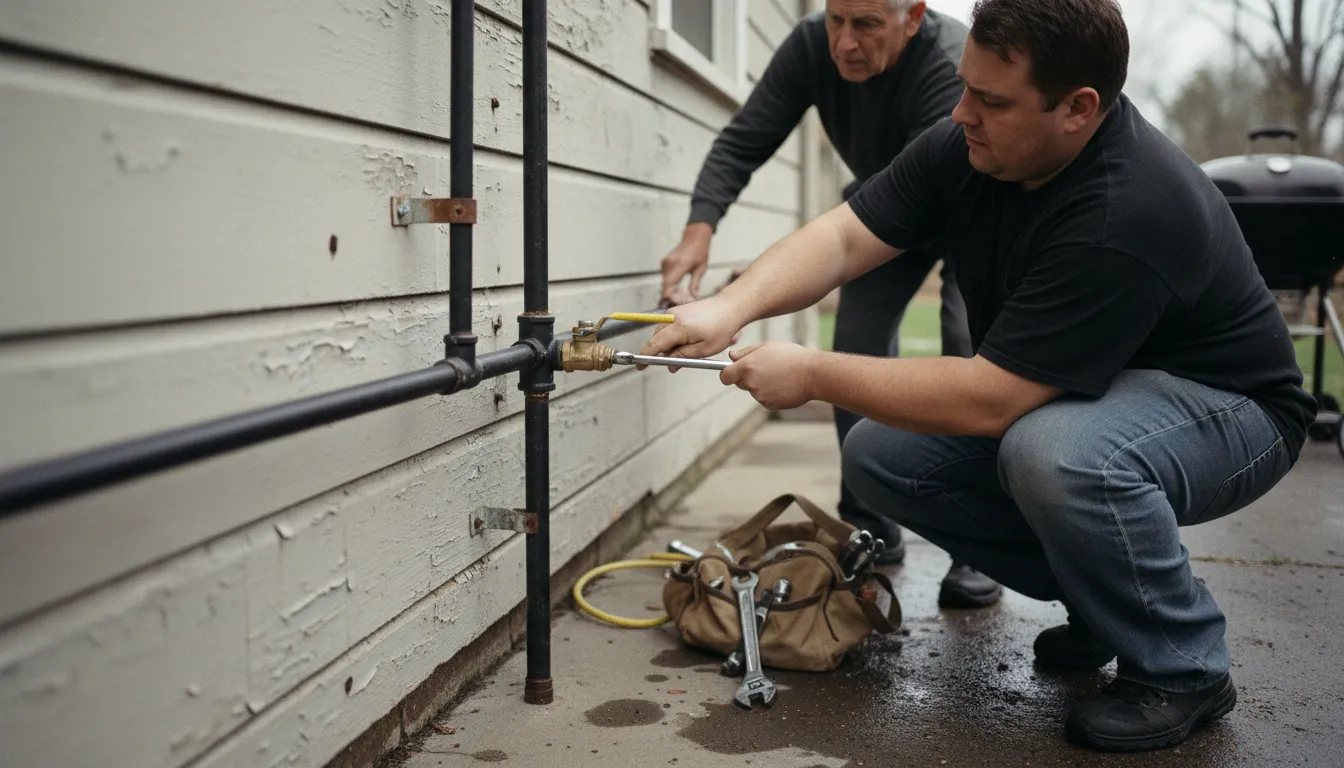
Installing or repairing a gas line is a critical project that directly impacts the safety and functionality of your home or business. Proper gas piping work requires specialized knowledge, adherence to strict safety codes, and professional execution to prevent dangerous leaks or system failures. This guide explains the essential process, safety standards, and considerations for finding qualified professionals in your area to handle your natural gas or propane line needs.
Search providers near you
Understanding Gas Line Work
Gas line installation and repair encompasses any work on the pipes that deliver natural gas or propane from the utility meter or tank to your appliances. This includes running new lines for a stove, dryer, furnace, or fireplace, as well as repairing leaks, replacing old or corroded piping, or extending existing systems. Unlike water lines, gas piping operates under pressure and carries a combustible fuel, making every aspect of the job-from planning to final inspection-governed by rigorous safety protocols.
The complexity can vary widely. A simple project might involve extending a line a few feet within a basement to connect a new water heater. A major installation could require trenching across a yard to supply a new pool heater or outdoor kitchen. Commercial projects, like those for restaurants or laundromats, involve large-diameter pipes and complex distribution networks. Regardless of scale, the core principles of safety, proper materials, and code compliance remain constant.
The Critical Importance of Professional Installation
This is not a do-it-yourself project. Local building codes and gas utility regulations universally require that gas piping work be performed by a licensed professional, such as a licensed plumber or gas fitter 1. There are several compelling reasons for this mandate:
- Safety: A minor error in a joint or thread can lead to a gas leak, posing risks of fire, explosion, or carbon monoxide poisoning. Professionals have the training and tools to perform pressure tests that verify the integrity of the entire system before it is activated.
- Code Compliance: Professionals are trained in the applicable codes, primarily the International Fuel Gas Code (IFGC) and International Plumbing Code (IPC), as well as any local amendments. They know the requirements for pipe sizing, support intervals, approved materials, and proper installation techniques 2.
- Permits and Inspections: A licensed contractor will obtain the necessary permits before work begins. This triggers a mandatory inspection by a municipal or county building official upon completion, providing an independent verification that the work is safe and up to code.
- System Performance: An improperly sized gas line can cause appliances to malfunction. A line that's too small won't deliver adequate gas volume (measured in Cubic Feet per Hour, or CFH), leading to weak flames or appliance shutdowns. Professionals perform calculations based on the BTU requirements of all connected appliances to ensure correct pipe diameter.
The Step-by-Step Process for Gas Piping Projects
A professional-grade gas line project follows a structured sequence to ensure safety and compliance.
1. Planning and Permitting
The process begins long before any pipe is cut. The contractor will assess the job, diagram the proposed route, and calculate the total gas load (BTU/hr) of the appliances to be served to determine the correct pipe size. They will then apply for and pull the required building permit from your local jurisdiction. Starting work without a permit is illegal and can result in fines and problems when selling your property.
2. Material Selection and Preparation
The choice of piping material depends on the application (indoor/outdoor, underground), local code, and the utility's requirements. Common approved materials include:
- Black Iron Pipe: The traditional, rigid steel pipe used for most indoor and some outdoor applications. It is durable but requires threading and precise fitting.
- CSST (Corrugated Stainless Steel Tubing): A flexible, yellow-jacketed tubing that is easier to install through walls and around obstacles. It must be installed with specific fittings and bonded for electrical safety.
- PE (Polyethylene) Plastic Pipe: Used almost exclusively for underground service lines from the street to the meter or from a propane tank to the building. It is resistant to corrosion.
The gas supply to the entire building must be shut off at the meter or main valve before work commences.
3. Installation
The contractor will run the new pipes along the planned route, securing them with proper hangers and supports at code-specified intervals. All connections are made using pipe thread sealant or tape rated for gas. Special attention is paid to penetrations through walls or floors, which must be sealed to prevent gas migration. If the project involves an underground run, trenching to the proper depth and bedding the pipe in sand or other approved material is required 3.
4. Pressure Testing and Inspection
This is the most critical safety step. Once the line is installed but before it is connected to any appliances, the contractor will pressurize the sealed system with air or an inert gas and monitor the pressure with a gauge for a set period (often 15-60 minutes). Any drop in pressure indicates a leak that must be found and repaired. After a successful test, the municipal inspector will visit to verify the work meets all code requirements 4.
5. Final Connection and Restoration
Only after passing inspection will the contractor make the final connections to the appliances, turn the gas supply back on at the main, and carefully relight all pilot lights. They will often perform a final leak check at the appliance connections with a gas leak detector solution.
Find the perfect gas line plumbing companies for your needs
Get personalized recommendations and expert advice
Key Safety and Code Requirements
Adherence to code isn't just bureaucratic-it's a blueprint for safety. Key requirements professionals follow include:
- Sizing: Pipes must be sized using standardized tables or calculations that account for length, number of fittings, and the total BTU demand of all appliances to ensure adequate gas flow 5.
- Prohibited Locations: Gas lines cannot be installed in certain concealed spaces, below grade in a manner that traps moisture, or through ventilation shafts.
- Shut-off Valves: Each appliance must have an accessible, approved shut-off valve located within a specified distance.
- Combustion Air: Appliances like furnaces and water heaters must have adequate fresh air supply for safe combustion, which influences room placement and venting.
- CSST Bonding: Due to the risk of lightning-induced damage, flexible CSST tubing must be properly bonded to the building's electrical grounding system 6.
What to Expect: Cost Considerations
The cost of gas line work is highly variable, depending on project scope, materials, labor rates in your area, and permit fees. Prices typically include labor, materials, the permit, and pressure testing. Here is a general range based on common project types 7 8 9:
- Minor Repairs or Short Extensions: Fixing a small leak or adding a short branch line with easy access might range from $200 to $800.
- New Line for a Single Appliance: Running a new gas line for a stove, dryer, or fireplace from an existing main, including drilling through walls and making connections, often falls between $300 and $1,500.
- Major New Installation or Long Run: Installing a new main line or running pipe a significant distance (especially if trenching outdoors is required) can cost $1,000 to $5,000 or more.
- Commercial Installations: For restaurants, multi-unit buildings, or industrial applications, costs start in the thousands and can reach tens of thousands, depending on the scale and complexity of the piping network.
Always get detailed, written estimates from multiple licensed professionals. The lowest price may not include essential steps like permitting and pressure testing.
Maintaining Your Gas System
Once installed, your gas piping system requires minimal maintenance but vigilant awareness. Be alert for the smell of rotten eggs (the odorant added to natural gas) or a hissing sound near pipes. If you suspect a leak, leave the area immediately and call your gas utility or 911 from a safe distance. Schedule regular inspections of gas appliances and their connectors by a qualified technician. Keep the area around appliances clear and ensure vents are not blocked.
Frequently asked questions
Sources
Footnotes
-
Why You Can't Install a Gas Line on Your Own - https://www.modernpi.com/blog/plumbing-service/why-you-cant-run-a-gas-line-on-your-own/ ↩
-
New Gas Line Installation Cost: Natural Gas Piping Supplies & ... - https://www.superbrothers.com/new-gas-line-installation-cost-natural-gas-piping-supplies-custom-piping/ ↩
-
CodeNotes: Underground Gas Piping System Requirements in the I-Codes - https://www.iccsafe.org/building-safety-journal/bsj-dives/codenotes-underground-gas-piping-system-requirements-in-the-i-codes/ ↩
-
Gas Service Line Inspections - Con Edison - https://www.coned.com/en/safety/energy-safety/gas-safety/gas-service-line-inspections ↩
-
Use Codes, Regulations and Standards to Size Gas Piping ... - https://opentextbc.ca/plumbing3e/part/size-gas-piping-systems/ ↩
-
Installation Guide - Peoples Gas - https://www.peoples-gas.com/plumbers/files/Installation_Guide.pdf ↩
-
Gas Line Repairs and Installations: What Homeowners Need ... - https://zeekplumbing.com/gas-line-repairs-and-installations-what-homeowners-need-to-know/ ↩
-
How to Install a Gas Line: Safety Tips & Best Practices - wikiHow - https://www.wikihow.com/Install-a-Gas-Line ↩
-
Commercial Gas Line Installation: Cost, Process & Safety - https://www.superbrothers.com/commercial-gas-line-installation-cost-process-safety/ ↩