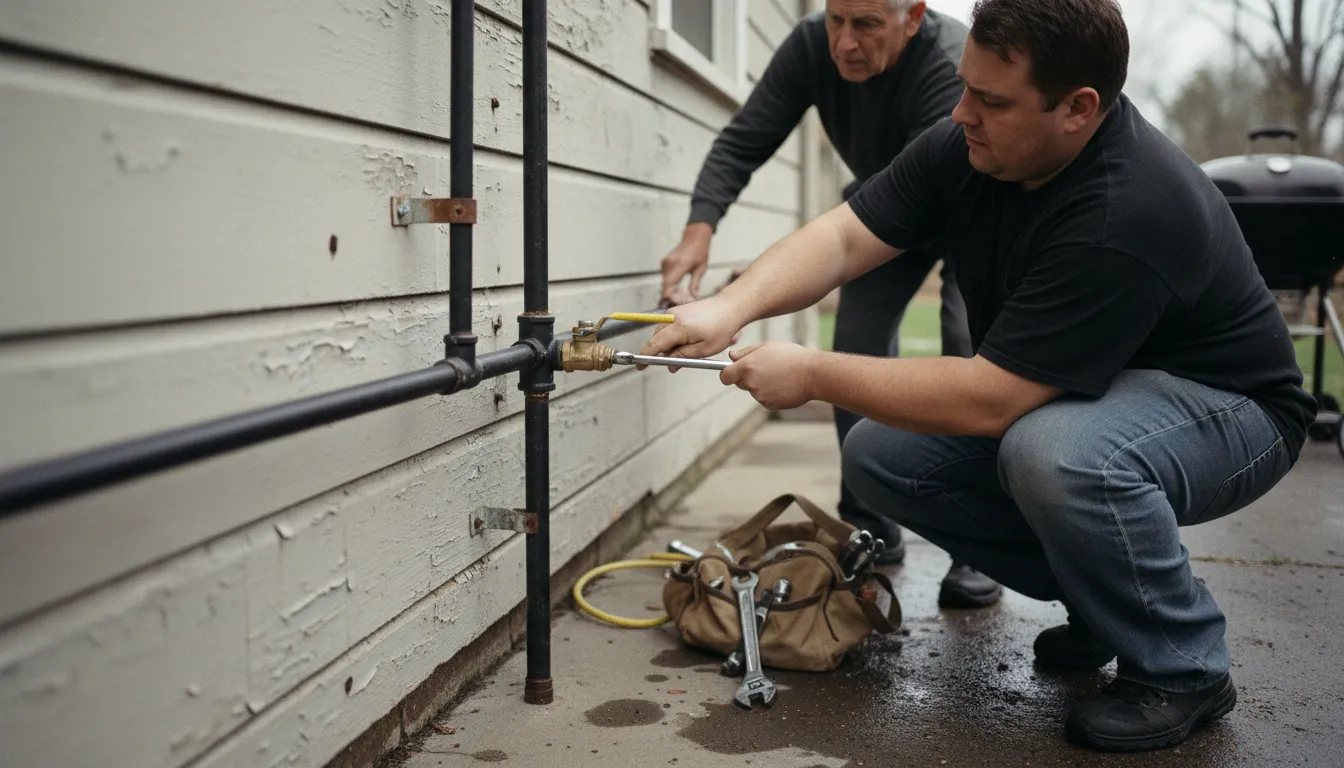
Find the Best Gas Line Plumbing Companies for Your Business
No obligation • Fast responses • Nationwide coverage

Why you can trust Search a Plumber
Search a Plumber is a leading United States resource for finding and evaluating professional plumbing services. Our team researches licensing, experience, and customer feedback to create unbiased, fact-driven overviews. Companies cannot pay to change ratings or placement, ensuring homeowners get trustworthy information.
Search providers near you
Best Gas Line Plumbing Companies in Pennsylvania Ranked
Installing or repairing a gas line is a critical home improvement project that directly impacts the safety and functionality of your Pennsylvania residence. Proper gas line work ensures your appliances operate efficiently and, most importantly, prevents dangerous leaks. This guide outlines the essential steps, regulations, and safety considerations for gas line projects in Pennsylvania, helping you understand the process and connect with qualified local professionals to get the job done right.
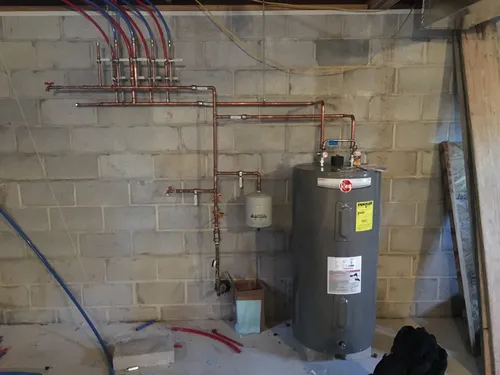
Scarpignato Plumbing & Heating, LLC
507 Hastings Ave, Wallingford, PA 19086
Scarpignato Plumbing & Heating, LLC is a family-owned plumbing and heating company serving Philadelphia, PA, and nearby Delaware County communities since 2000. They offer a wide range of services including sewer camera inspections, water heater installation and repair, drain cleaning, hydro jetting, trenchless sewer repair, leak detection, repiping, gas line installation, and general plumbing maintenance. The company uses advanced equipment such as video camera inspection tools and trenchless pipe repair technology to handle complex plumbing issues efficiently. Owner Michael Scarpignato is a licensed master plumber with over 25 years of experience, ensuring expert service and multiple repair options tailored to customer needs. Emergency plumbing services are also available for urgent situations.
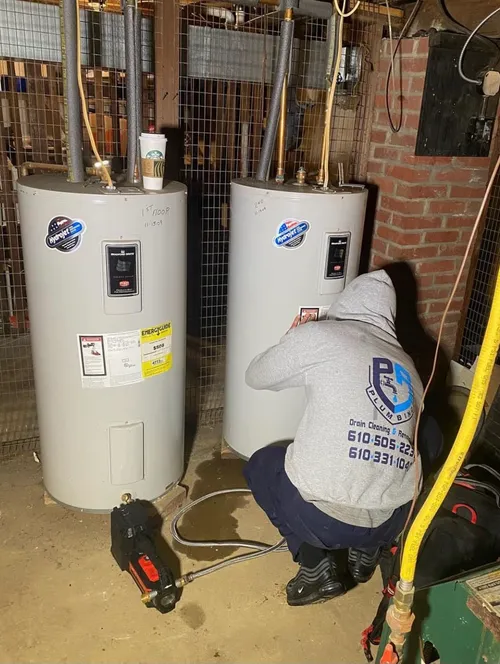
P&A Plumbing & Drain Cleaning
520 Bloomfield Ave, Drexel Hill, PA 19026
P&A Plumbing & Drain Cleaning is a family-owned plumbing company serving Philadelphia, PA, and surrounding counties including Delaware, Montgomery, and Chester. With over 20 years of experience, their licensed master plumbers provide a wide range of services for residential and commercial clients. They specialize in water heater installation and repair, drain cleaning, sewer line repair, gas line installation, and leak detection. The company uses advanced techniques such as hydro jetting for clearing drains and offers 24/7 emergency plumbing services to address urgent issues promptly.
Air Temp Solutions - AC Repair, Heating Repair, Water Heater Repair & Plumbing Devon PA
Philadelphia, PA
Air Temp Solutions - AC Repair, Heating Repair, Water Heater Repair & Plumbing Devon PA provides a wide range of plumbing and HVAC services in Philadelphia, PA. Their offerings include water heater installation and repair, tankless water heater services, water softener installation, sump pump repair, drain cleaning, hydro jetting, sewer line repair including trenchless methods, leak detection, repiping, gas line installation, and toilet repair. They also specialize in advanced sewer services such as video inspections and rooter services to diagnose and clear blockages efficiently. The company serves Philadelphia and nearby areas with comprehensive solutions for both routine maintenance and emergency repairs. Air Temp Solutions combines plumbing expertise with heating and cooling services, handling everything from furnace and boiler repairs to geothermal and mini-split system installations. Their team uses modern technology for leak detection and sewer inspections, and they offer trenchless sewer repairs that minimize property disruption. While the business history is not specified, their service range and technical capabilities reflect a broad skill set in residential plumbing and HVAC systems.
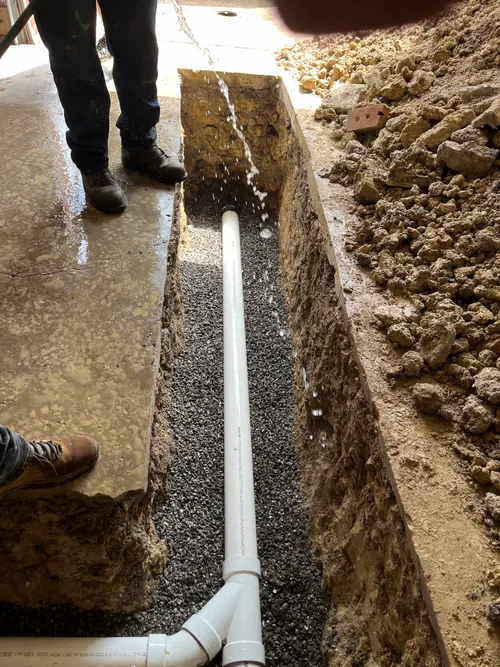
DR Plumbing and Drain Cleaning LLC - Sewer Line & Plumbing Repair
Pittsburgh, PA
DR Plumbing and Drain Cleaning LLC - Sewer Line & Plumbing Repair provides a wide range of plumbing and drain cleaning services in Pittsburgh, PA, including Wilkinsburg and Brentwood. The business specializes in sewer line repair, installation, and inspection, offering hydro jetting services to address sewer line issues effectively. With 20 years of experience, they also handle water heater installation, gas line services, faucet and toilet repairs and installations, drain cleaning, and garbage disposal repairs. The owner emphasizes personalized solutions and is available 24/7 for emergency plumbing repairs, serving residential clients throughout the Pittsburgh area and nearby boroughs.
Mr. Rooter Plumbing of Westmoreland
13380 US-30, North Huntingdon, PA 15642
Mr. Rooter Plumbing of Westmoreland provides commercial and residential plumbing services in Pittsburgh, PA. They offer a range of solutions including drain cleaning, leak detection, water heater installation and repair, sewer line services, and gas line installation. The company uses advanced equipment such as sewer camera inspections and hydro jetting to address complex plumbing issues. Their commercial plumbers are trained to manage large-scale systems in businesses, ensuring compliance with local codes and minimizing disruptions. Based in North Huntingdon, they serve the greater Pittsburgh area with expertise in both routine maintenance and emergency plumbing needs.
Understanding Pennsylvania's Gas Line Regulations
Working with natural gas or propane lines in Pennsylvania is governed by a combination of state and local codes designed to ensure public safety. The primary framework is the Pennsylvania Uniform Construction Code (UCC), which adopts the International Fuel Gas Code (IFGC). However, individual municipalities and townships often have additional amendments or specific requirements. This means the rules in Philadelphia may differ slightly from those in Pittsburgh or a rural county.
A fundamental statewide requirement is contacting PA One Call at 811 before any excavation, including digging for a new gas line trench. You must call at least three business days before you plan to dig. This free service ensures all underground public utility lines are marked, preventing accidental strikes that could cause injury, service outages, or costly damages 1 2.
Permits and Inspections Are Mandatory
For nearly all new gas line installations or major repairs, a permit from your local building department is required. The permit process typically involves submitting a detailed plan of the proposed piping layout, including the location of appliances and their British Thermal Unit (BTU) requirements. This plan review ensures the system is designed to code before any work begins. After installation, a municipal inspector must examine the work and perform or witness a pressure test before the system can be activated. Skipping permits can result in fines, invalidate your homeowner's insurance, and create serious safety hazards.
The Step-by-Step Installation Process
A professional gas line installation follows a meticulous sequence to guarantee safety and compliance.
- Planning and Design: A licensed professional will assess your needs, calculate the total BTU demand of all appliances (furnace, water heater, stove, etc.), and design a piping system with the correct pipe diameter to maintain adequate pressure.
- Obtaining Permits: Your contractor will usually handle pulling the required local permits based on the approved plans 3.
- Utility Notification: PA One Call (811) is contacted to mark public utility lines.
- Installation: The licensed installer will trench (if necessary) and run the approved piping material-often yellow corrugated stainless steel tubing (CSST) or black iron pipe. For plastic lines, a tracer wire must also be installed for future locating.
- Pressure Testing: Before the line is connected to any appliance, it is sealed and pressurized with air or an inert gas to test for leaks. This test must hold pressure for a specified period, often under the observation of the inspector 4.
- Inspection: The local building code official inspects the installation, including the piping, supports, and the results of the pressure test 5.
- Final Connection: Once the installation passes inspection, the utility company or your contractor can safely connect the appliances and turn on the gas supply.
Critical Safety Practices for Homeowners
Safety is paramount when dealing with combustible gas. Adhering to these practices can prevent accidents.
- Always Hire a Licensed Professional: Gas line work is not a DIY project. Hire a plumber or gasfitter licensed in Pennsylvania who carries proper insurance and is familiar with local codes. They have the training and tools to perform work safely and legally.
- Know Your Responsibilities: Homeowners typically own and are responsible for the gas piping from the outlet of the meter to the appliances. The utility company owns the meter and the supply line up to it 6.
- Install Carbon Monoxide Detectors: Any home with fuel-burning appliances must have working CO detectors on every level and near sleeping areas. This is a critical backup safety measure 7.
- Responding to Suspected Leaks: If you smell the distinctive rotten-egg odor of natural gas, hear a hissing sound, or see dead vegetation near a line, leave the area immediately and call your gas utility from a safe distance. Do not operate electrical switches, phones, or anything that could create a spark.
Find the perfect gas line plumbing companies for your needs
Get personalized recommendations and expert advice
Cost Considerations for Gas Line Projects
The cost of installing a new gas line in Pennsylvania is highly variable, but a common baseline is $15 to $25 or more per linear foot for the piping work itself 8. Several factors influence the final price:
- Length and Path: The distance from the meter to the appliance is the primary driver. Trenching through concrete, rocky soil, or around large tree roots adds significant labor cost.
- Materials: The type of pipe (black iron vs. CSST) and necessary fittings affect material costs.
- Permit and Inspection Fees: These fees, set by your local municipality, can add several hundred dollars to the project total.
- Appliance Hookups: The complexity of connecting the final appliance (e.g., running a line through a finished wall for a fireplace) adds to the labor.
While cost is a factor, prioritizing a qualified, licensed installer over the lowest bid is an investment in long-term safety and reliability.
Common Materials and Code Requirements
Pennsylvania code specifies approved materials for gas piping. Common choices include:
- Black Iron Pipe: Traditional, durable, and widely used for both interior and exterior exposed runs.
- Corrugated Stainless Steel Tubing (CSST): Flexible, yellow-coated tubing that is faster to install, especially in retrofits. It must be properly bonded and grounded to prevent electrical damage 9.
- Polyethylene (PE) Pipe: Used for underground service lines. It must be installed with a copper tracer wire for future location 10.
The code also dictates proper support spacing, the use of sediment traps (drip legs) at appliances, clearance from electrical panels, and correct labeling. For instance, exposed gas lines must be identified with yellow "Gas" labels at regular intervals 11 12.
Frequently asked questions
Sources
Footnotes
-
Columbia Gas of Pennsylvania Booklet 2025 - https://www.columbiagaspa.com/docs/librariesprovider14/safety/cpa-know-your-home-brochure.pdf?sfvrsn=93bdf951_1 ↩
-
Natural Gas Line - Centre Region Council of Governments - https://www.crcog.net/index.asp?SEC=73F15F73-25C5-4D61-B004-BD8F72133410 ↩
-
Gas Line Installation - Quality Plumbing - https://qualityplumbing.cc/gas-line-installation-what-homeowners-need-to-know/ ↩
-
Permitting & Inspections plumbing_mechanical_gas_test - https://dallascityhall.com/departments/sustainabledevelopment/buildinginspection/Pages/plumbing_mechanical_gas_test.aspx ↩
-
Plan Review and Inspection Requirements | Department of Labor ... - https://www.pa.gov/agencies/dli/programs-services/labor-management-relations/bureau-of-occupational-and-industrial-safety/uniform-construction-code-home/historic-buildings/plan-review-and-inspection-requirements ↩
-
Gas Line Responsibilities - Columbia Gas of Pennsylvania - https://www.columbiagaspa.com/safety/natural-gas-safety/gas-line-responsibilities ↩
-
Gas Line Installation: What You Need to Know Before Starting Your Project - https://www.pasoroblesheating.com/gas-line-installation-what-you-need-to-know-before-starting-your-project/ ↩
-
How to Install Natural Gas Lines Safely and Correctly - https://bluegasexpress.com/how-to-install-natural-gas-lines/ ↩
-
January 2020 - PGW - https://www.pgworks.com/uploads/pdfs/Manual_PipingSpecEquipInstallation_Jan%202020.pdf ↩
-
THE GAS MAIN AND SERVICE INSTALLATION PROCESS - https://www.pgworks.com/uploads/media/GasMainServiceInstallation-Steps.pdf ↩
-
Chapter 4 Gas Piping Installations - UpCodes - https://up.codes/viewer/pennsylvania/ifgc-2018/chapter/4/gas-piping-installations ↩
-
Installation Guide - Peoples Gas - https://www.peoples-gas.com/plumbers/Installation-Guide-9-30-24-Final.pdf ↩