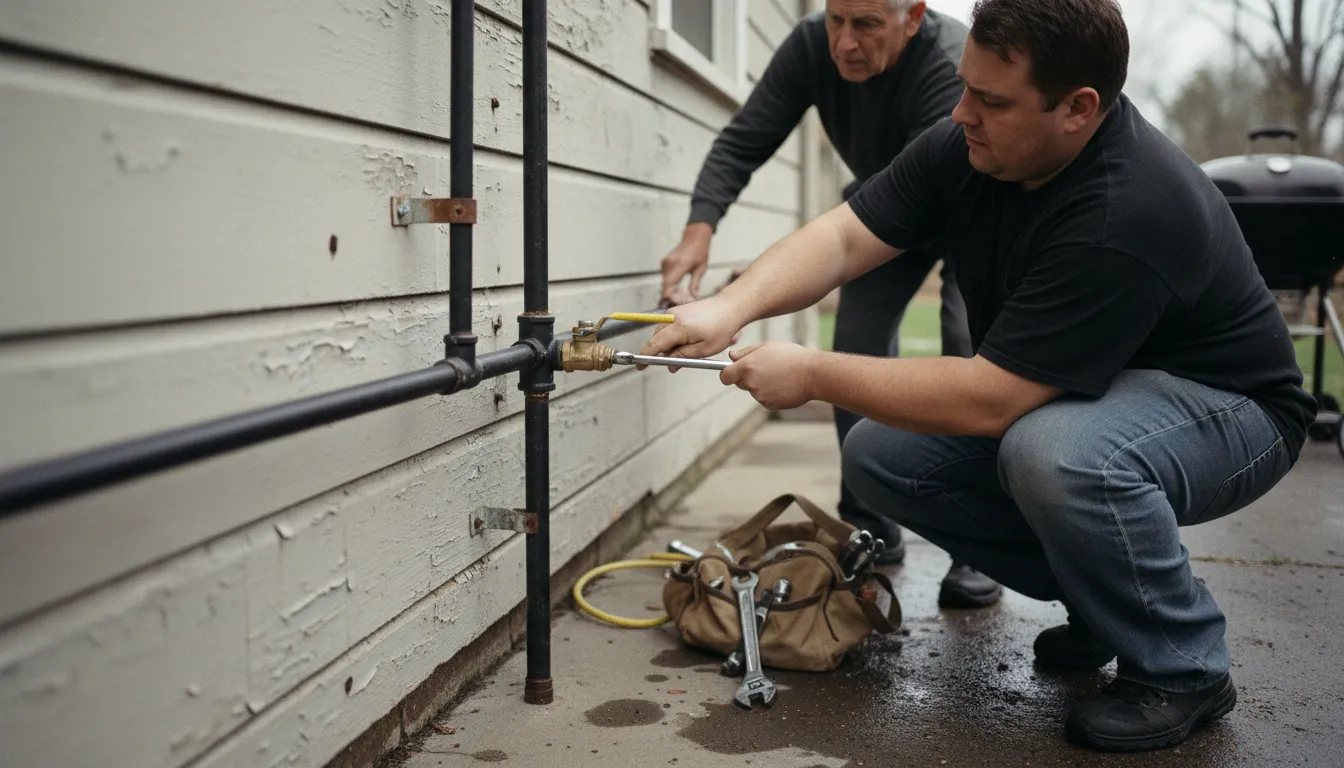
Find the Best Gas Line Plumbing Companies for Your Business
No obligation • Fast responses • Nationwide coverage

Why you can trust Search a Plumber
Search a Plumber is a leading United States resource for finding and evaluating professional plumbing services. Our team researches licensing, experience, and customer feedback to create unbiased, fact-driven overviews. Companies cannot pay to change ratings or placement, ensuring homeowners get trustworthy information.
Search providers near you
Best Gas Line Plumbing Companies in Florida Ranked
Installing or repairing a gas line is a critical home improvement project that directly impacts the safety, efficiency, and comfort of your Florida residence. Properly installed gas lines power essential appliances like water heaters, stoves, dryers, and outdoor kitchens, offering reliable energy. In Florida, this work is strictly regulated by state and local building codes to ensure public safety. This guide provides a clear overview of the process, regulations, and key considerations for Florida homeowners, helping you understand what's involved and how to connect with qualified local professionals for your project.
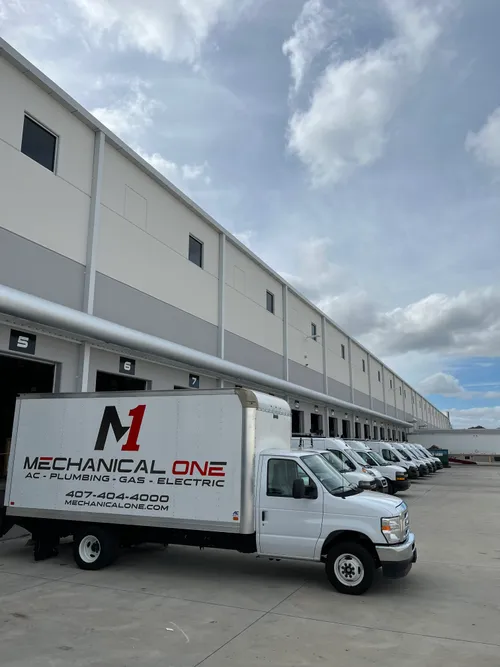
Mechanical One
217 N Westmonte Dr #1007, Altamonte Springs, FL 32714
Mechanical One is a full-service HVAC, plumbing, gas, and electrical company based in Altamonte Springs, FL, serving the Orlando area and surrounding communities. They provide a wide range of services including water heater repair and installation, drain cleaning, sewer line repair, leak detection, and gas line installation. Their licensed technicians work with leading brands and offer capabilities such as gas safety inspections and leak detection to ensure home safety. Mechanical One has been part of the Altamonte Springs community since its founding and offers 24/7 emergency repair services for HVAC, plumbing, electrical, and gas line issues.
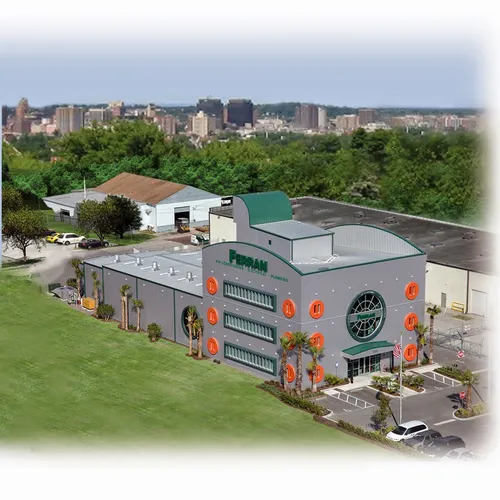
Mechanical One of Orlando - Air Conditioning, Plumbing and Electrical
5257 L B McLeod Rd Suite 1200, Orlando, FL 32811
Mechanical One of Orlando - Air Conditioning, Plumbing and Electrical provides comprehensive HVAC, plumbing, gas line, and electrical services in Orlando, FL. Their team handles AC installation and repair, plumbing maintenance and repairs, gas line installation and inspections, and electrical system repairs. They maintain a fully stocked warehouse in Orlando to support same-day and next-day HVAC installations and offer 24/7 emergency HVAC repair services to address urgent needs. Mechanical One has multiple years of experience serving the Orlando area and is known for their skilled technicians and broad service capabilities.
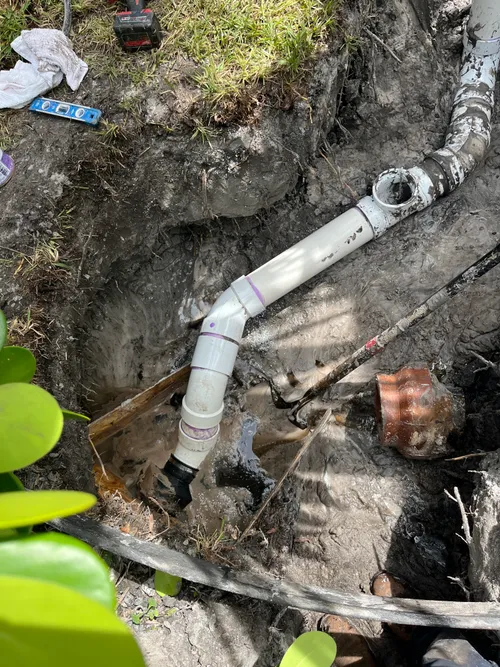
Sewer Studs Plumbing & Drain
Tampa, FL
Sewer Studs Plumbing & Drain is a plumbing company based in Tampa, FL, serving Hillsborough, Pinellas, Pasco, and parts of Hernando counties. The company offers a range of plumbing services including water heater repair and installation, sewer line repair, trenchless sewer repair, leak detection, and gas line installation. They specialize in trenchless pipe lining, a less invasive method that avoids digging and reduces damage to landscaping and concrete. Sewer Studs is led by Master Plumber Ricky Cox and a team with over 70 years of combined experience.
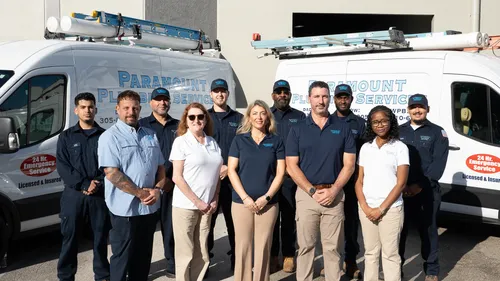
Paramount Plumbing Services
20911 Johnson St #130, Pembroke Pines, FL 33029
Paramount Plumbing Services provides a wide range of plumbing solutions in Miami, FL, including sewer camera inspections, water heater repairs and installations, drain cleaning, hydro jetting, and trenchless sewer repairs. They specialize in emergency plumbing services, offering 24/7 availability for urgent issues such as burst pipes, sewage backups, and gas leaks. Their team uses specialized equipment like submersible pumps and night vision tools to manage crises effectively. Paramount Plumbing Services also supports customers with insurance documentation and post-emergency follow-up to ensure complete restoration.
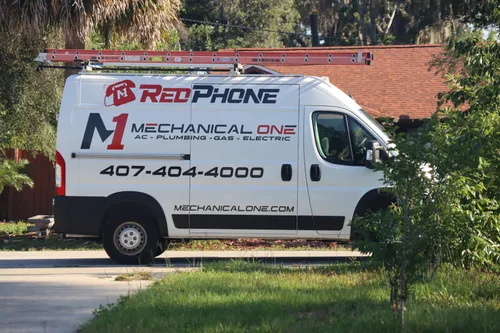
Mechanical One
307 Cranes Roost Blvd #2010, Altamonte Springs, FL 32701
Mechanical One is a multi-service company based in Orlando, FL, offering plumbing, HVAC, gas, and electrical services. They provide water heater repair and installation, drain cleaning, sewer line repair, leak detection, and gas line installation. Their licensed technicians work with leading brands and handle a wide range of residential systems. Mechanical One serves the Orlando area and surrounding communities, with a strong presence in Altamonte Springs and Seminole County. They offer 24/7 emergency repair services for HVAC, plumbing, electrical, and gas line issues, ensuring timely assistance when needed.
Understanding Florida's Gas Line Regulations
In Florida, all residential gas line installation and repair is governed by the Florida Building Code (FBC) - Fuel Gas 1. This code incorporates national standards like the National Fuel Gas Code (NFPA 54) and mandates that all new work, alterations, extensions, or repairs require a permit and subsequent inspections2 3 4. The primary goal is to prevent gas leaks, fires, and explosions, making compliance non-negotiable.
A fundamental rule is that any project involving installing, altering, repairing, or replacing any part of a residential gas system requires a permit from your local building department5. This applies whether you're adding a line for a new gas stove or repairing a section of existing piping. The work must be performed by a licensed plumbing or mechanical contractor, with very limited exceptions for owner-builders who must navigate additional disclosure and compliance hurdles.
The Permit and Inspection Process
Navigating the permitting process is a mandatory step for any gas line project. Typically, a licensed contractor will handle the application on your behalf, as they are authorized to pull permits. If a homeowner chooses to act as an owner-builder, they must complete an Owner-Builder Disclosure Statement and are still held to the same stringent code requirements.
Once a permit is issued, the work will be subject to mandatory inspections to verify compliance and safety. These generally occur in a specific sequence:
- Rough-in Inspection: This occurs after all concealed gas piping is installed but before it is covered by walls, ceilings, or flooring. The inspector checks the pipe routing, supports, and materials 6.
- Pressure Test: A critical safety check, this involves pressurizing the system with air (typically to at least 30 PSI) and monitoring it for 30 minutes to ensure there are no leaks 7 8.
- Final Inspection: After all connections are made, appliances are installed, and the gas meter is set, a final inspection ensures the entire system is safe, functional, and ready for use.
Failing to obtain permits or pass inspections can result in fines, require costly rework, create safety hazards, and complicate future home sales.
Step-by-Step: The Professional Installation Process
A professional gas line installation by a licensed contractor follows a structured process to ensure safety and code compliance.
- Consultation & Planning: A technician assesses your home, discusses your needs (e.g., converting a range to gas or adding a pool heater), calculates the total BTU load of all connected appliances, and designs a pipe routing plan. Proper sizing is crucial for system performance.
- Permit Acquisition: Your contractor obtains the necessary permits from the local building department, ensuring the project is officially documented and scheduled for inspection.
- Installation: Using approved materials like black steel, copper, or specific polyethylene for underground lines, the technician installs the new piping. This may involve trenching for exterior lines9.
- Pressure Testing & Rough Inspection: The sealed system is pressure tested. Once it passes, a city or county inspector performs the rough-in inspection before any pipes are concealed 10.
- Final Connections: The system is connected to the main gas supply meter, and all appliances are carefully hooked up with proper fittings and shut-off valves.
- Final Inspection & Appliance Testing: The building official conducts the final inspection. After approval, the gas is turned on, and each appliance is tested for safe and proper operation11.
Find the perfect gas line plumbing companies for your needs
Get personalized recommendations and expert advice
Critical Safety Standards and Best Practices
Safety is the paramount concern in any gas line project. The Florida Building Code enforces several key safety standards12:
- Licensed and Insured Professionals: Hiring a licensed contractor is not just a recommendation; it's a requirement for most work. This ensures the individual has the training and knowledge to perform the job correctly and carries insurance for your protection.
- Approved Materials: Only specific types of piping, valves, and fittings are permitted for natural gas or propane. Using the wrong materials can lead to dangerous leaks.
- Correct Pipe Sizing: Pipes must be sized based on the total BTU demand and length of the run. Undersized pipes can cause appliance malfunctions and safety issues13 14.
- Bonding and Grounding: If Corrugated Stainless Steel Tubing (CSST) is used, it must be properly bonded to the home's electrical grounding system. This is a critical step to mitigate the risk of damage from lightning strikes or power surges15.
- Underground Line Safety: Exterior gas lines must be buried at a minimum depth (often 18 inches or more, depending on local code) and maintain safe clearance from other utilities like water and electrical lines16.
- Structural Integrity: The installation process must not compromise the structural framing of the home. Proper techniques for running lines through joists and walls are essential.
Understanding Costs for Gas Line Work in Florida
Pricing for gas line installation or repair in Florida varies significantly based on project complexity, materials, the linear footage of pipe needed, and local labor rates17 18 19. It's important to get itemized estimates from licensed contractors for an accurate assessment of your specific project20 21.
- Permit Fees: These are typically paid to the local municipality and can range from $50 to $300 or more, depending on the county and the estimated value of the project22 23.
- Labor Costs: Professional plumbers and gas fitters in Florida generally charge between $90 and $150 per hour for their skilled labor24 25.
- Total Project Cost: A simple project, like extending a line a few feet for a new kitchen range, may cost a few hundred dollars. More complex installations, such as running a new main line from the street to a house or installing a whole-home system for multiple appliances, can cost several thousand dollars26 27 28. The cost per linear foot for materials and labor is a common metric, but the total is influenced by obstacles, trenching requirements, and wall access.
Choosing the Right Professional for Your Project
Given the safety and regulatory stakes, selecting the right contractor is your most important decision. Always verify that a professional holds an active Florida state license specifically for plumbing or mechanical work that includes gas lines. You can check this through the Florida Department of Business and Professional Regulation (DBPR) website. Additionally, ensure they carry both liability insurance and workers' compensation coverage. Ask for references from recent, similar projects and request a detailed, written estimate that breaks down costs for materials, labor, and permits. A reputable contractor will willingly discuss the permitting process and how they handle inspections.
Frequently asked questions
Sources
Footnotes
-
Fueling Your Florida Home's Comfort: A Guide to Gas Line ... - https://mechanicalone.com/blog/fueling-your-florida-homes-comfort-a-guide-to-gas-line-installation/ ↩
-
Gas Line Installation: Who Should Do It? - Flamingo Plumbing - https://flamingoplumbing.com/news/gas-line-installation-who-should-do-it/ ↩
-
Florida Gas Line Contractor | EXAMPREP.ORG - https://www.examprep.org/contractors-license/seminars/florida/florida-gas-line-contractor/ ↩
-
Thinking of building a home or remodeling/renovating your existing home? Do you need a permit? - https://www.lawfirmnaples.com/news-and-resources/thinking-of-building-a-home-or-remodeling-renovating-your-exiting-home-do-you-need-a-permit/ ↩
-
Permitting FAQs | Marion County, FL - https://www.marionfl.org/agencies-departments/departments-facilities-offices/building-safety/permitting-faqs ↩
-
FUEL/GAS LINE TRADE PERMIT: CHECKLIST - https://fortmyers.gov/DocumentCenter/View/13005/Fuel-Gas-Line-Checklist-PDF ↩
-
ARTICLE V. - FUEL GAS | Code of Ordinances | Lake City, FL - https://library.municode.com/fl/lake_city/codes/code_of_ordinances?nodeId=PTIICO_CH22BUBURE_ARTVFUGA_S22-106EXRAAPCA ↩
-
Gas Permit - Orange County - https://www.orangecountyfl.net/PermitsLicenses/Permits/GasPermit.aspx ↩
-
New Gas Line Installation Tampa: 2025 Cost Guide & Tips - https://tampabayplumber.com/new-gasline-tampa/ ↩
-
Required Inspections per the Florida Building Code Page 1 of 2 - https://www.cityoffellsmere.org/media/15741 ↩
-
Process of Gas Line Installation: The Step-by-Step From ... - https://www.atlplumbingskills.com/blog/process-of-gas-line-installation-the-step-by-step-from-planning-to-completion ↩
-
Tampa Home Gas Line Installation: Permits, Costs, and ... - https://tampabayplumber.com/tampa-home-gas-line/ ↩
-
Essential Guide to Gas Line Installation: Tips and Safety ... - https://gaeberly.com/gas-line-installation/ ↩
-
Gas Line Repair & Installation: Costs in Gainesville & Ocala - https://www.alwayshomerepair.com/natural-gas-line-installation-cost-gainesville-leak-repair/ ↩
-
Alachua County Department of Growth Management - https://growth-management.alachuacounty.us/formsdocs/BLD_Gas_Installation_Residential_Revision_2.pdf ↩
-
Gas Construction Specifications - Leesburg, FL - https://www.leesburgflorida.gov/services/gas/gcs.php ↩
-
Foot by Foot: Understanding Gas Line Installation Costs - https://jollyplumbing.com/gas-line-installation-cost-per-foot/ ↩
-
How Much Does It Cost To Install A Gas Line In My Home? - Done! Plumbing, Heating, Cooling & Electric - https://itsdone.com/blog/how-much-does-it-cost-to-install-a-gas-line-in-my-home/ ↩
-
Gas Line Repair & Installation Services - https://shaferservices.com/gas-line-services/ ↩
-
What You Need to Know About the Home Inspection Process - https://www.fastexpert.com/blog/what-you-need-to-know-about-the-home-inspection-process/ ↩
-
Renovation Loans 101: How They Work, Why They Matter, and What to Consider | LeaderOne Financial Roller Mortgage Team - https://rollermortgage.com/reno101/ ↩
-
New Gas Line Installation Tampa: 2025 Cost Guide & Tips - https://tampabayplumber.com/new-gasline-tampa/ ↩
-
Understanding the Costs of Installing New Gas Lines - Browns Plumbing - HVAC, Plumbing Heating, and Cooling Experts - https://brownsplumbing.ca/understanding-the-costs-of-installing-new-gas-lines/ ↩
-
What is the Cost to Repipe a House in Central Florida? - https://rainaldihomeservices.com/articles/what-is-the-cost-to-repipe-a-house-in-central-florida ↩
-
San Francisco Building Permit Guide - https://www.permitflow.com/blog/san-francisco-building-permit ↩
-
Gas Line Plumbers - https://www.slammechanical.com/plumbing/gas-lines ↩
-
Cost of Gas Line Repair in York, PA | York Gas Line Service - https://yorkgaslineservice.com/cost-of/gas-line-repair ↩
-
Gas Line Repair and Replacement Costs [2025 Data] | Angi - https://www.angi.com/articles/average-gas-line-repair-and-installation-costs.htm ↩