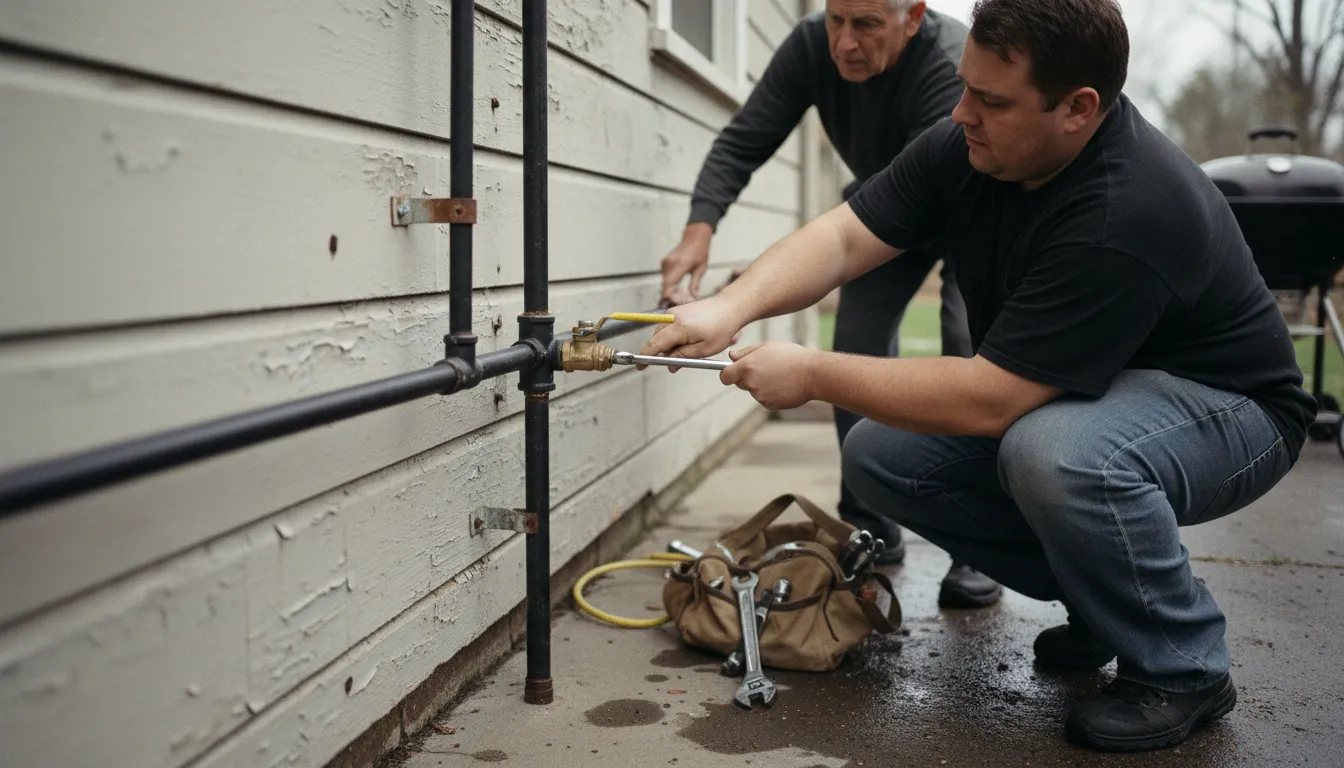
Find the Best Gas Line Plumbing Companies for Your Business
No obligation • Fast responses • Nationwide coverage

Why you can trust Search a Plumber
Search a Plumber is a leading United States resource for finding and evaluating professional plumbing services. Our team researches licensing, experience, and customer feedback to create unbiased, fact-driven overviews. Companies cannot pay to change ratings or placement, ensuring homeowners get trustworthy information.
Search providers near you
Best Gas Line Plumbing Companies in Hawaii Ranked
Installing or repairing a gas line is a critical project that directly impacts the safety and functionality of your home. In Hawaii, this work is governed by strict state and county codes to ensure the safe delivery of propane or synthetic natural gas. This guide explains the essential steps, regulations, and safety protocols for gas line projects in the Aloha State, helping you understand the process so you can effectively collaborate with qualified local professionals.
Roto-Rooter Plumbing & Water Cleanup
2106 Lauwiliwili St Ste 101j, Kapolei, HI 96707
Roto-Rooter Plumbing & Water Cleanup offers comprehensive residential and commercial plumbing services in Honolulu, HI. Their experienced team handles a wide range of plumbing needs, including sewer line inspections and repairs, water heater installation and repair, drain cleaning, leak detection, and gas line installation. They specialize in trenchless sewer repair and provide emergency plumbing services available 24/7 throughout the year. With expertise in floodwater cleanup and mold remediation, Roto-Rooter is equipped to manage urgent water damage situations efficiently. Serving Kapolei and surrounding communities, they combine local knowledge with advanced tools like hydro jetting to address plumbing challenges effectively.
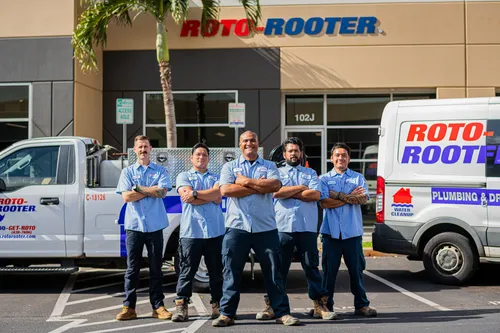
Roto-Rooter Plumbing & Water Cleanup
3049 Ualena St Ste 713, Honolulu, HI 96819
Roto-Rooter Plumbing & Water Cleanup provides comprehensive plumbing services in Honolulu, HI, serving both residential and commercial customers. Their experienced plumbers handle a wide range of issues including sewer and drain cleaning, water heater repair and installation, leak detection, sewer line repair with trenchless methods, and water damage cleanup. The company is familiar with Honolulu's unique plumbing challenges such as aging infrastructure and weather-related impacts. Roto-Rooter offers 24/7 emergency plumbing services to address urgent problems like burst pipes, sewer backups, and flooding. They also provide advanced capabilities like hydro jetting and trenchless sewer repair to efficiently restore plumbing systems. Serving Honolulu and surrounding communities on O'ahu, Roto-Rooter is fully licensed and insured. Their team uses modern tools and techniques to comply with local codes and ensure effective solutions. The company is available around the clock, 365 days a year, for emergency plumbing needs.
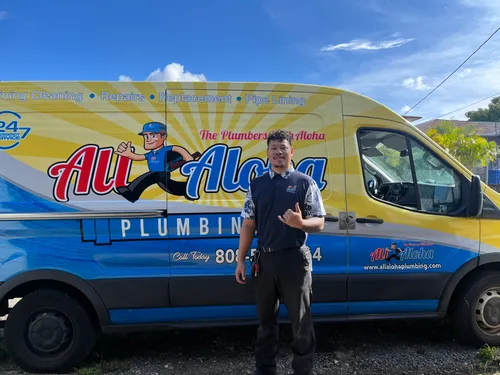
All Aloha Plumbing and Drain Cleaning Oahu
94-150 Leoleo St Ste A1118, Waipahu, HI 96797
All Aloha Plumbing and Drain Cleaning Oahu provides a wide range of plumbing services in Honolulu, HI, including water heater repair and installation, drain cleaning, hydro jetting, sewer line repair, leak detection, gas line installation, and toilet repair. They serve residential and commercial clients across Oahu and nearby areas. The company uses advanced equipment such as hydro jetting to clear severe drain clogs effectively without damaging pipes. All Aloha Plumbing offers 24/7 emergency plumbing services to address urgent issues like burst pipes, slab leaks, and gas line leaks promptly.
Prestige Plumbing LLC
45-558 Kamehameha Hwy B4, Kaneohe, HI 96744
Prestige Plumbing LLC is a licensed plumbing service located in Kaneohe, serving the Honolulu, HI area including Kailua, Hawaii Kai, and the entire island of Oahu. Since 2015, they have provided residential and commercial plumbing solutions such as water heater installation and repair, sewer line repair, drain cleaning, gas line installation, and leak detection. Their team offers thorough assessments to deliver tailored plumbing solutions that address local challenges like corrosion and seasonal water pressure issues. Prestige Plumbing is led by a master plumber with over 20 years of experience, ensuring knowledgeable and compliant service with local plumbing codes.
Cubellis Plumbing LLC
Honolulu, HI
Cubellis Plumbing LLC is a family-owned and operated licensed plumbing contractor serving Honolulu, HI. With over 20 years of experience, they provide a wide range of plumbing services including water heater repair and installation, leak detection, repiping, gas line installation, and garbage disposal repair. As a member of the Moen Plumber Network, they specialize in installing Moen Smart Water products and offer island-wide service. Cubellis Plumbing also provides extended services during weekends, holidays, and after hours. Their expertise includes tankless water heater repair and gas water heater services.
Understanding Hawaii's Gas Line Regulations
Gas line work in Hawaii is not a DIY project. It is a highly regulated trade for a critical reason: safety. The state's unique infrastructure and safety requirements mean every installation or repair must follow a specific legal and procedural path.
The primary regulatory framework is the Hawaii State Plumbing Code, which incorporates national standards for materials and installation practices 1. However, the practical enforcement happens at the county level. Whether you're on Oahu, Maui, Hawaii Island, or Kauai, you must obtain the proper permits from your county's Department of Public Works before any work begins. This permit process ensures your project plan is reviewed for compliance with all depth, material, and safety codes.
A cornerstone of the process is the final inspection. A licensed plumbing contractor will perform a pressure test on the new line. Upon passing, the inspector issues a "green tag," which is the official certification required by Hawaii Gas to activate your gas service. Skipping any of these steps is illegal and extremely dangerous.
The Step-by-Step Process for a New Gas Line
Following the correct sequence is vital for a safe, code-compliant, and successful installation. Here is the standard workflow for a gas line project in Hawaii.
- Hire a Licensed Professional: Your first and most important step is to hire a plumber or contractor licensed to perform gas fitting work in Hawaii. Their expertise, training, and knowledge of local codes are non-negotiable for safety and legality.
- Plan the Route: Your contractor will help plan the pipeline's path from the meter or tank to the appliance(s). Key considerations include avoiding other utilities, minimizing bends, and planning for the required burial depth.
- Call 811 Before Digging: State law requires you to notify Hawaii One Call at least five full business days before any excavation. Dial 811 or file an online request. This free service will have all public underground utilities marked on your property, preventing dangerous and costly strikes 2 3.
- Secure Permits: Your licensed contractor will typically pull the required construction permits from your county's Public Works department on your behalf.
- Installation & Inspection: The contractor installs the piping according to code, which includes specific requirements for materials like ASTM E84/UL 723 for certain applications. After installation, they conduct a pressure test. A county inspector then reviews the work and, if it passes, issues the critical "green tag".
- Service Activation: Only after you have the green tag can you contact Hawaii Gas to schedule the final connection and activation of your gas service.
Safety: The Absolute Priority
Gas line safety extends beyond the installation. Homeowners must be vigilant.
- Carbon Monoxide (CO) Detectors: Hawaii code requires CO alarms to be installed outside each sleeping area in homes with fuel-burning appliances. This is a lifesaving device.
- Leak Recognition: Know the signs of a gas leak: the distinctive "rotten egg" odor (odorant added to gas), a hissing sound near a line, or dead vegetation in an otherwise green line over a buried pipe.
- Emergency Action: If you suspect a leak, do not operate light switches, phones, or anything that could create a spark. Evacuate the area immediately and call 911 from a safe distance.
- Professional Work Only: Never attempt to repair, modify, or install a gas line yourself. The risks of fire, explosion, and CO poisoning are far too great.
Key Code Requirements for Installation
Adherence to code is what makes an installation safe. Key requirements in Hawaii include:
- Burial Depth: Gas lines must be buried with a minimum cover. For private property, the standard is 12 inches of cover. If the line must run under a street or driveway, the required depth increases to 18 inches 4.
- Trenching: The trench must be clear of rocks or debris that could damage the pipe. For plastic piping, an additional 18 inches of cover is often required.
- Materials: Only approved piping materials like polyethylene (PE) for buried sections or coated steel/corrugated stainless steel tubing (CSST) for indoor sections may be used. The specific material depends on the application and must meet code standards 5.
- Pressure Testing: All new gas piping must be pressure tested before being concealed or put into service to confirm there are no leaks.
Find the perfect gas line plumbing companies for your needs
Get personalized recommendations and expert advice
Factors Influencing Project Cost
The cost for gas line installation in Hawaii varies significantly based on several project-specific factors. While prices can range from $15 to $25 or more per linear foot, this is just for the pipe installation itself. The total project cost includes materials, labor, permits, and inspection fees 6 7.
- Length of Run: The single biggest factor. A line to a backyard BBQ will cost far less than one running to a detached ohana or pool heater across the property.
- Complexity of Path: Trenching through soft soil is straightforward. If the path involves cutting through concrete (like a patio or driveway), navigating large tree roots, or requires specialized boring equipment, labor costs will rise.
- Materials and Fittings: The type of pipe, the number of shut-off valves, risers, and fittings all contribute to the material cost.
- Permit and Inspection Fees: These are set by your individual county and are a mandatory part of the project budget 8.
- Appliance Hookups: The final connection of appliances (water heater, dryer, stove, etc.) by the plumber is part of the overall scope and cost.
Always get detailed, written estimates from multiple licensed professionals. The estimate should break down labor, materials, and permit fees so you can make a clear comparison.
When is Gas Line Repair Needed?
Repairs are just as critical as new installations and follow the same permit and professional requirements. Common reasons for repair include:
- Corrosion: Over time, even protected pipes can corrode, especially in Hawaii's coastal environments.
- Accidental Damage: Damage from digging or landscaping without calling 811 first.
- Fitting Failures: Leaks can develop at joints, valves, or connections to appliances.
- Earth Movement: Shifting soil or settling foundations can stress and crack gas lines.
If you suspect any issue with your gas line, contact a licensed plumber immediately. Do not use the gas appliances until a professional has inspected and repaired the system.
Working with Hawaii Gas
Hawaii Gas is the primary gas utility in the state. Their role is crucial in the process:
- They provide the gas meter and the initial service line up to it.
- They require the county-issued green tag from a passed inspection before they will activate or turn on gas service to any new or modified line 9.
- They maintain the main distribution lines and are the point of contact for reporting suspected leaks in public spaces.
For any work on your private property (from the meter to your appliances), you must hire a licensed private contractor-the utility handles the infrastructure up to the meter.
Frequently asked questions
Sources
Footnotes
-
§ 19-1.1 Adoption of the Hawaii State Plumbing Code. - https://codelibrary.amlegal.com/codes/honolulu/latest/honolulu/0-0-0-17780 ↩
-
Pipeline Safety - Hawaii Gas - https://www.hawaiigas.com/safety-2/pipeline-safety ↩
-
Installation of Gas Piping - Hawaii Gas - https://www.hawaiigas.com/engineering-guide-2/installations-gas-piping-installation-of-gas-piping ↩
-
Haw. Code R. § 6-77-111 - Service lines: installation | State Regulations | US Law - https://www.law.cornell.edu/regulations/hawaii/Haw-Code-R-SS-6-77-111 ↩
-
Chapter 24 Fuel Gas: Hawaii Residential Code 2021 | UpCodes - https://up.codes/viewer/hawaii/irc-2021/chapter/24/fuel-gas ↩
-
Essential Guide to Gas Line Installation: Tips and Safety ... - https://gaeberly.com/gas-line-installation/ ↩
-
How to Install Natural Gas Lines Safely and Correctly - https://bluegasexpress.com/how-to-install-natural-gas-lines/ ↩
-
BLG Permit Information - County of Hawaii Public Works - https://hawaii-county-public-works-hawaiicountygis.hub.arcgis.com/pages/blg-permit-info ↩
-
Installation Process - Hawaii Gas - https://www.hawaiigas.com/for-home/installation-process ↩