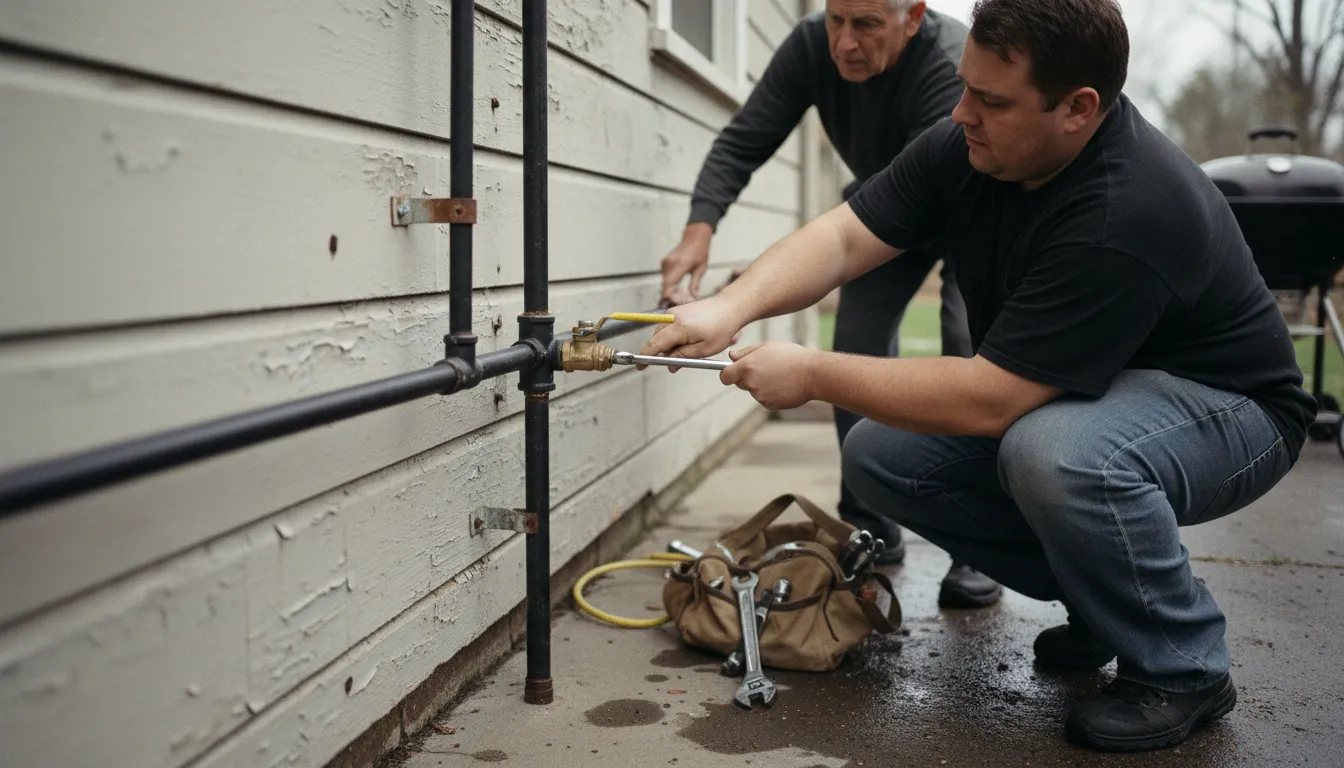
Find the Best Gas Line Plumbing Companies for Your Business
No obligation • Fast responses • Nationwide coverage

Why you can trust Search a Plumber
Search a Plumber is a leading United States resource for finding and evaluating professional plumbing services. Our team researches licensing, experience, and customer feedback to create unbiased, fact-driven overviews. Companies cannot pay to change ratings or placement, ensuring homeowners get trustworthy information.
Search providers near you
Best Gas Line Plumbing Companies in Minnesota Ranked
Installing or repairing a gas line is a critical project that directly impacts the safety and functionality of your Minnesota home. Proper gas piping work ensures reliable fuel delivery to appliances like furnaces, water heaters, and stoves while preventing dangerous leaks. This guide explains the essential regulations, processes, and considerations for gas line projects in Minnesota, helping you understand what's required to find qualified local professionals for the job.
Good Guys Plumbing LLC
St Paul, MN
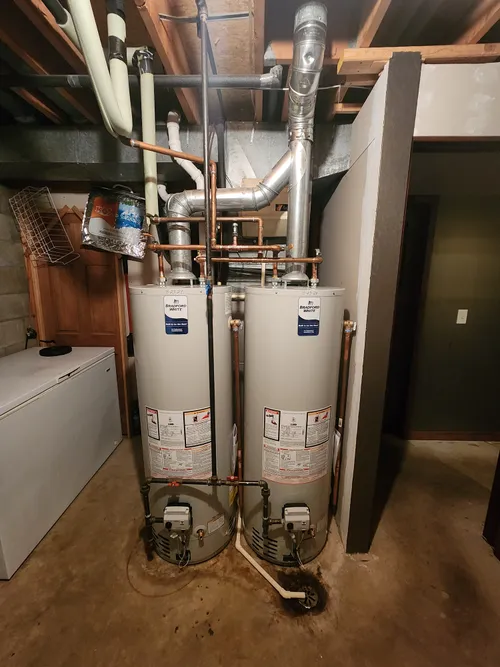
Good Guys Plumbing LLC is a family-owned plumbing company serving St Paul, MN, and nearby areas including Oakdale and Woodbury. They provide a wide range of residential plumbing services such as water heater repair and installation, sump pump repair, leak detection, gas line installation, and water softener installation. The company specializes in working with PEX, copper, and galvanized water systems and offers backflow prevention and water treatment solutions. With over a decade of experience, Good Guys Plumbing focuses on residential plumbing needs and maintaining home plumbing systems.

Pronto Heating and Air Conditioning - Minneapolis
7415 Cahill Rd, Minneapolis, MN 55439
Pronto Heating and Air Conditioning - Minneapolis provides HVAC and plumbing services in Minneapolis, MN. They offer water heater repair and installation, leak detection, and gas line installation among their plumbing services. The company is a Bryant Factory Authorized Dealer with expertise in heating, cooling, and indoor air quality systems. They serve Minneapolis and nearby communities, focusing on system maintenance, repair, and installation. Pronto Heating and Air Conditioning emphasizes prompt emergency service and offers a One Day Installation and No-Stress Guarantee for upgrades and replacements.
Erik Nelson Plumbing LLC
2617 37th Ave S, Minneapolis, MN 55406
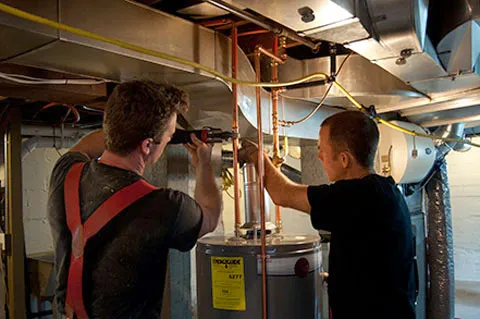
Erik Nelson Plumbing LLC is a plumbing company based in South Minneapolis serving residential customers in St Paul, MN, Minneapolis, and select suburbs. They specialize in interior residential plumbing services, including water heater repair and installation, as well as gas line installation for stoves and dryers. With 16 years of experience, their team focuses on working with older homes ranging from 60 to 120 years old, emphasizing clear communication and quality workmanship.
Kelly Plumbing & Heating, Inc.
1932 St Clair Ave, St Paul, MN 55105
Kelly Plumbing & Heating, Inc. is a family-owned plumbing and heating service provider based in St Paul, MN. Serving the Saint Paul, Minneapolis, and Twin Cities communities, they offer a wide range of services including water heater installation, sewer line repair, repiping, and gas line installation. With over 50 years of experience since 1973, they specialize in handling vintage fixtures and plumbing challenges common in older homes. The company is licensed, bonded, and insured, emphasizing quality materials and long-term solutions.
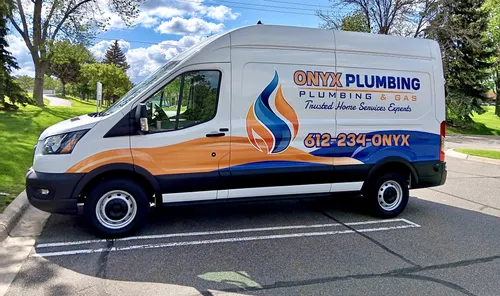
ONYX PLUMBING & GAS
6325 Cambridge St #7, Minneapolis, MN 55416
ONYX PLUMBING & GAS is a licensed and insured plumbing company based in Minneapolis, MN. They specialize in leak detection and gas line installation, serving homeowners throughout the Twin Cities metro area, including St. Louis Park, Edina, and Minnetonka. The company offers same-day emergency services and provides a full 1-year warranty on labor and parts. Founded by a master plumber, ONYX PLUMBING & GAS emphasizes transparent pricing and thorough workmanship to address plumbing needs effectively.
Understanding Minnesota's Gas Line Regulations
In Minnesota, all gas piping work is governed by the Minnesota Fuel Gas Code, which is adopted from the International Fuel Gas Code (IFGC) with state-specific amendments 1. This code sets the minimum safety standards for the design, installation, and inspection of gas piping systems. Compliance is not optional; it's enforced through a system of local permits and inspections to protect homeowners and the community.
The primary authority for enforcement lies with your local city or county building safety department. Whether you're in Minneapolis, Saint Paul, Duluth, or a rural township, you must contact your local jurisdiction to understand their specific permit application process, fees, and inspection schedules. They are the final arbiters of code compliance for your project.
When is a Permit Required?
Knowing when you need a permit is the first step. Generally, a mechanical or gas fitting permit is required for:
- New installations of gas piping systems.
- Major alterations, replacements, or relocations of existing gas lines or appliances.
- Connecting new gas appliances (e.g., a new furnace, water heater, fireplace, or range).
There are limited exemptions. Typically, a permit may not be required for the simple, direct replacement of an existing gas appliance if you are not altering the existing piping or valves. However, it is always best to check with your local inspector to confirm.
Who Can Pull a Permit?
Minnesota law allows homeowners to obtain permits and perform gas fitting work on their own owner-occupied, single or two-family dwelling. This is a significant responsibility. The homeowner assumes full liability for ensuring the work meets all code requirements and passes inspection.
For all other work-including projects on rental properties, commercial buildings, or multi-family dwellings-a licensed mechanical contractor must pull the permit and perform or supervise the work 2. The State of Minnesota Department of Labor and Industry (DLI) requires these contractors to carry a $25,000 surety bond 3. Hiring a licensed professional is strongly recommended for most homeowners due to the safety risks and technical complexity involved.
The Gas Line Project Process: From Plan to Inspection
A successful gas line installation or repair follows a structured path. Skipping steps can lead to failed inspections, safety hazards, and costly rework.
1. Planning and Permitting
Begin by contacting your local building department. They will provide the necessary permit applications and can often offer guidance on code requirements specific to your project type and location. You'll need to submit details about the work, which may include a simple diagram. Once the permit is issued, work can begin, and inspections will be scheduled.
2. Material Selection and Code Compliance
The Minnesota Fuel Gas Code specifies approved materials for gas piping. Common approved materials include:
- Steel (Black Iron) Pipe: The traditional choice for indoor and outdoor above-ground lines, joined with threaded fittings.
- Copper Tubing: Type L or Type K copper is often approved for underground use, but local codes vary. It must be joined with flared or brazed fittings-soldered joints are never permitted for gas lines.
- Corrugated Stainless Steel Tubing (CSST): This flexible, yellow-jacketed tubing is popular for retrofit work but must be installed and bonded according to strict manufacturer and code requirements to prevent lightning strike hazards.
Other critical installation rules include 4 5:
- Sizing: Pipes must be sized correctly (using approved tables) to deliver adequate gas volume (BTUs) to all appliances without excessive pressure drop.
- Support: Piping must be securely supported, typically every 8 feet for horizontal runs and at every floor level for vertical runs.
- Slope: Underground gas lines must be graded to drain back to the source or to a low point, typically at a slope of 1/4 inch per 10 feet.
- Drip Legs and Sediment Traps: A drip leg (a vertical pipe nipple with a cap) must be installed at the low point of the system to catch condensation. A sediment trap (a tee fitting with a capped nipple) is required immediately upstream of the appliance connection to catch debris before it enters the appliance valve 6.
- Underground Depth: Gas lines must be buried at least 12 inches deep (18 inches under driveways). In some jurisdictions, a depth of 8 inches may be allowed if the pipe is encased in a protective conduit.
3. Installation and Pressure Testing
Once the pipe is run and before appliances are connected, the system must be pressure tested. This is a non-negotiable safety check. The installer will pressurize the sealed system with air and monitor a gauge for any drop in pressure, which indicates a leak. All leaks must be found and repaired before proceeding 7.
4. Required Inspections
Your local inspector will check the work at one or more stages. A rough-in inspection may occur after pipes are installed and pressure-tested but before walls are closed up. The final inspection happens after all appliances are connected, the system is activated, and everything is operational. Do not conceal piping in walls or ceilings before it has been inspected 8 9.
Find the perfect gas line plumbing companies for your needs
Get personalized recommendations and expert advice
Cost Considerations for Gas Line Work in Minnesota
The cost of gas line installation or repair in Minnesota varies widely based on several factors. It's essential to get detailed, written estimates from multiple licensed contractors.
Key factors influencing price include:
- Project Scope: A simple repair or short extension for a stove costs far less than running a new main line or installing an underground line to a detached garage.
- Materials: The type and length of pipe (black iron, copper, CSST) and the number of fittings, valves, and connectors needed.
- Labor Complexity: Accessibility (crawling through tight spaces, digging trenches), the number of walls or floors to penetrate, and local labor rates.
- Permits and Fees: Your local municipality will charge permit fees, which vary by city.
- Appliance Hookup: The cost to disconnect/reconnect or install new appliance connectors.
Estimated Price Ranges (for planning purposes only):
- Minor Repair or Appliance Connection: $200 - $600+
- New Line for an Outdoor Grill or Fire Pit: $500 - $1,500+ (including underground trenching)
- New Gas Line for a Furnace or Water Heater: $400 - $1,200+
- Underground Line to a Detached Garage or Shed: $1,000 - $3,000+ (highly dependent on length and depth of trench)
These are ballpark figures. The only way to get an accurate cost is to have a licensed plumber or gas fitter assess your specific situation 10 11.
Critical Safety Practices
Gas line work is inherently hazardous. Adhering to these safety practices is paramount:
- Leak Prevention: Always use approved pipe dope or tape (rated for gas) on threaded joints. After any work, test for leaks with a gas leak detector solution or electronic sniffer-never just with your nose.
- Proper Venting: Ensure all gas appliances are vented according to code to prevent carbon monoxide buildup.
- Clearances: Maintain required clearances between gas pipes and ignition sources, electrical panels, and other utilities.
- Call Before You Dig: Always call Gopher State One Call (811) at least two business days before any digging to have underground utility lines marked for free. Striking an electric or other gas line can be catastrophic 12.
- Shutoff Valves: Ensure an accessible, approved shutoff valve is installed upstream of each appliance.
Frequently asked questions
Sources
Footnotes
-
1346.5101 - MN Rules Part - Minnesota Office of the Revisor of Statutes ↩
-
Application Requirements for Mechanical Permits - University of Minnesota ↩
-
Detailed Gas Piping & Appliance Installation - Revize - City of Mounds View ↩
-
CITY OF NORTH MANKATO Gas Line Installation Requirements - City of North Mankato ↩
-
Chapter 4 Gas Piping Installations: Minnesota Fuel Gas Code 2020 | UpCodes - UpCodes ↩
-
Things to Know About Gas Line Installation for Appliances - Azerplumb - Azer Plumbing ↩
-
Gas Line Installation - Quality Plumbing - Quality Plumbing ↩
-
Plumbing/Gas Permits & Inspections | Saint Paul Minnesota - City of Saint Paul ↩
-
Gas Fitting | Saint Paul Minnesota - City of Saint Paul ↩
-
Plumbing & Gas Piping | Home - DuluthMN.gov - City of Duluth ↩
-
SEC. 3.50. RULES AND REGULATIONS RELATING TO ... - City of Two Harbors Code ↩
-
GAS LINE INSTALLATION GUIDELINES - Scott County - Scott County, Minnesota ↩