Find the Best Gas Line Plumbing Companies for Your Business
No obligation • Fast responses • Nationwide coverage

Why you can trust Search a Plumber
Search a Plumber is a leading United States resource for finding and evaluating professional plumbing services. Our team researches licensing, experience, and customer feedback to create unbiased, fact-driven overviews. Companies cannot pay to change ratings or placement, ensuring homeowners get trustworthy information.
Search providers near you
Best Gas Line Plumbing Companies in Virginia Ranked
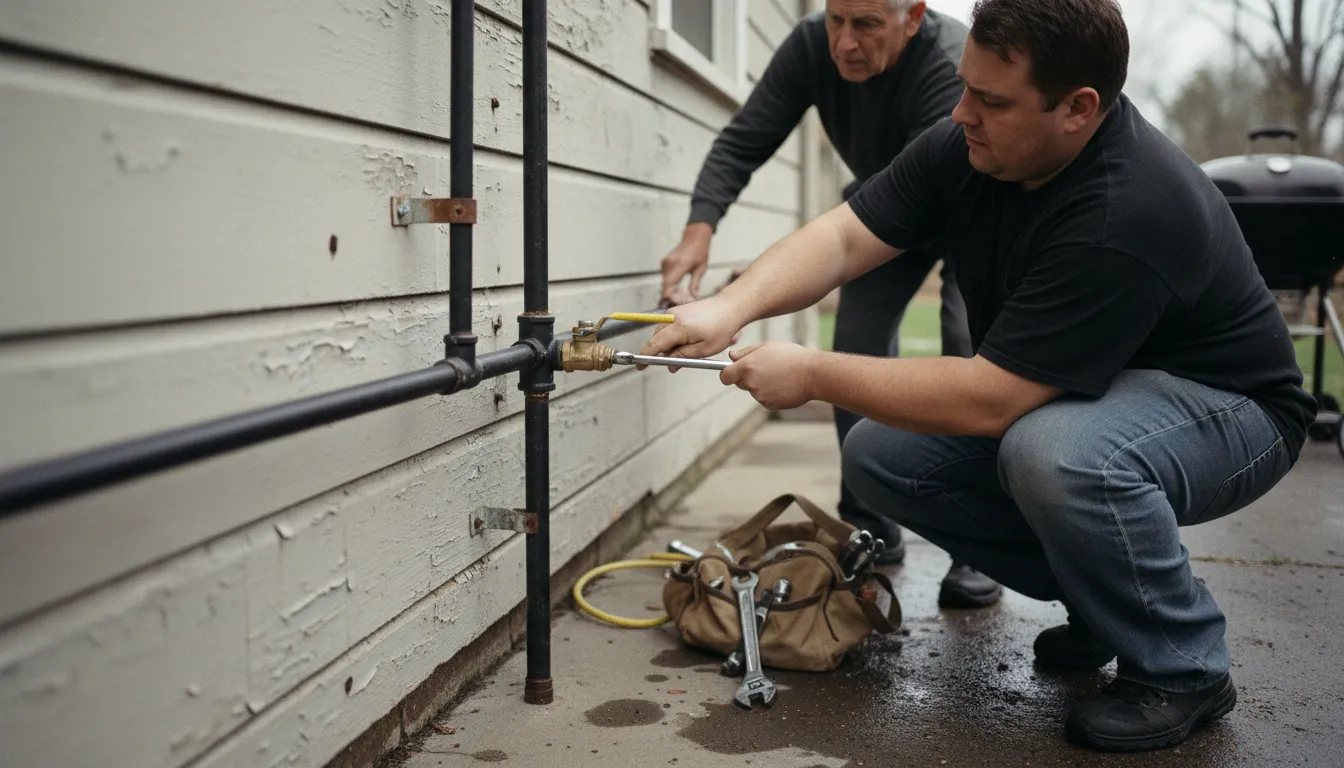
Gas line work is a critical home service that involves installing new natural gas or propane lines or repairing existing ones to safely fuel appliances like furnaces, water heaters, stoves, and fireplaces. Proper installation and maintenance are vital for safety, efficiency, and compliance with state and local codes. In Virginia, this work is strictly regulated and must be performed by licensed professionals. This guide provides a clear overview of the process, requirements, and key considerations for homeowners and property managers in the Commonwealth to help you understand what's involved and how to find qualified local specialists for your project.
Sean Fixes Johns Plumbing
417 Hobart Ave, Virginia Beach, VA 23451
Sean Fixes Johns Plumbing is a locally owned plumbing company serving Virginia Beach, VA, as well as Norfolk and Chesapeake. The business offers a range of plumbing services including sewer camera inspections, water heater installation, sewer line repair, leak detection, and gas line installation. They use modern camera and detection equipment to diagnose and repair sewer line issues efficiently. With over 30 years of experience, Master Plumber Sean Yelton leads the team in providing plumbing solutions for both residential and commercial customers. The company also offers 24-hour emergency plumbing services to address urgent needs.
Richardson Plumbing Co
1469 Butts Station Rd, Chesapeake, VA 23320
Richardson Plumbing Co is a family owned and operated plumbing business serving Virginia Beach, VA, and the Tidewater area since 1988. They provide a wide range of residential and commercial plumbing services including water heater installation and repair, tankless water heater services, drain cleaning, sewer line repair, and gas line installation. The company is licensed and insured, with a Master Plumber and Master Gas Piper on staff, and offers backflow testing and plumbing inspections as part of their expertise.

H2O PRO Plumbing
4795 Bethlehem Rd Ste E, Richmond, VA 23230
H2O PRO Plumbing provides a wide range of plumbing services in Richmond, VA, including water heater repair and installation, leak detection, drain cleaning, repiping, gas line installation, toilet repair, and garbage disposal repair. The company emphasizes trustworthy, upfront pricing and quality workmanship, serving residential and commercial clients with tailored solutions. With over 20 years of experience, H2O PRO Plumbing handles everything from minor repairs to major installations, including whole home repiping and emergency plumbing services.
RPG Plumbing Services
5305 Cleveland St STE 102, Virginia Beach, VA 23462
RPG Plumbing Services is a plumbing company serving Virginia Beach, VA, and the Hampton Roads area. Since 2015, they have provided a range of plumbing services including water heater repair and installation, drain cleaning, hydro jetting, sewer line repair, leak detection, repiping, gas line installation, and toilet repair. Their team holds Class A Contractor licenses, Master plumber and gas fitter certifications, and specialized training such as Navien certification, enabling them to handle both simple and complex plumbing issues. RPG Plumbing Services offers 24/7 emergency plumbing support to address urgent problems at any time.
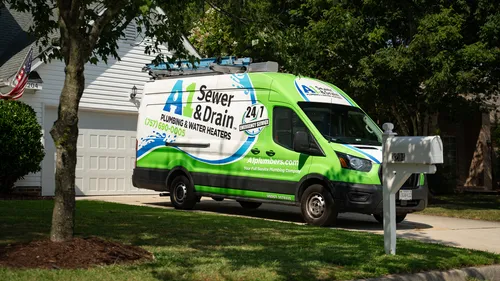
A1 Sewer & Drain Plumbing & Water Heaters
545 S Birdneck Rd Suite 202-E, Virginia Beach, VA 23451
A1 Sewer & Drain Plumbing & Water Heaters provides a wide range of plumbing, sewer, and gas line services in Virginia Beach, VA. Their offerings include sewer camera inspections, water heater installation and repair, drain cleaning, leak detection, repiping, and gas line installation. The company uses advanced diagnostic tools to accurately identify issues and delivers customized solutions for homes and businesses. With nearly four decades of experience since 1987, A1 Sewer & Drain is equipped to handle complex plumbing challenges and offers 24/7 emergency services to the local community.
Understanding Virginia's Regulatory Framework
In Virginia, all residential gas line installation and repair is governed by a combination of state-adopted codes and local ordinances. The primary regulations are the Virginia Residential Code (VRC), which incorporates the International Fuel Gas Code (IFGC). This means that any work on fuel gas piping systems, appliances, or vents must meet these stringent safety standards.
A fundamental rule is that this work is not a do-it-yourself project. State code and common sense dictate that only licensed plumbing or gas fitting contractors can perform this work. This licensing ensures the professional has the necessary training to handle the inherent dangers of combustible gas, protecting your home from the risks of leaks, fire, or explosion.
When is a Permit Required?
Navigating permits is a crucial step. Generally, a permit from your local building department is required for any significant gas line work. This includes:
- Installing a new gas line to a property or appliance.
- Extending or replacing existing gas piping.
- Replacing or adding a fuel-burning appliance like a furnace, water heater, or gas fireplace insert.
- Modifying gas venting systems.
Simple, direct appliance replacements-like swapping out a gas stove or dryer that connects to an existing, compliant shut-off valve-may not always require a permit, but you must confirm this with your local jurisdiction. The property owner or the licensed contractor can apply for the permit, but it is almost always handled by the professional you hire 1.
Local requirements vary significantly. For example:
- Arlington County has a specific "Plumbing / Gas Permit" process and may require a Chimney Vent Certification form for certain appliances.
- Fairfax County offers a "Household Appliance" permit for jobs like replacing a water heater or furnace.
- Virginia Beach and Pittsylvania County have their own application forms and fee structures for trade permits involving gas.
Always check with your city or county's building inspections department to understand the exact requirements.
The Step-by-Step Process for a Gas Line Project
A professional gas line project follows a structured sequence to ensure safety and compliance from start to finish.
-
Call 811 Before Digging: This is the non-negotiable first step for any project involving excavation. Calling 811 (or submitting an online request) at least a few business days before work begins will bring utility locators to your property to mark the approximate location of all underground lines. This prevents damaging existing gas, water, electric, or communication lines.
-
Professional Consultation and Planning: A licensed plumber or gas fitter will assess your needs, calculate the gas load required for your appliances, and design a system with the correct pipe sizing and layout. Proper planning prevents issues like low pressure at appliances.
-
Permit Application: Your contractor will submit the necessary plans and applications to your local building department and pay any associated fees. Work should not begin until the permit is issued.
-
Installation or Repair: Using approved materials like black iron pipe or corrugated stainless steel tubing (CSST), the professional will install the new lines or repair the existing system. This includes ensuring proper support, threading, and the installation of necessary shut-off valves at each appliance.
-
Pressure Testing: After installation, the contractor will perform a critical pressure test on the new piping. Typically, the system is pressurized to 1.5 times its normal operating pressure and held for a minimum of 15 minutes. A drop in pressure indicates a leak that must be found and repaired before proceeding.
-
Final Inspection: Once the work and pressure test are complete, the contractor will request an inspection from the local building official. The inspector will verify that the installation complies with all aspects of the Virginia Residential Code and International Fuel Gas Code, including pipe sizing, support, venting, and clearances 2 3.
Find the perfect gas line plumbing companies for your needs
Get personalized recommendations and expert advice
Critical Safety Standards and Best Practices
Safety is the paramount concern with any gas system. Adhering to these standards is not just about code compliance-it's about protecting lives and property.
- Licensed Professionals Are Mandatory: The dangers of incorrect gas work cannot be overstated. Licensed contractors carry the required insurance and bonding, and their work is subject to inspection, providing you with multiple layers of protection.
- Proper Venting is Essential: Fuel-burning appliances produce combustion byproducts, including deadly carbon monoxide. The VRC/IFGC has detailed requirements for vent sizing, material, and clearances to ensure these gases are safely expelled from the home 4.
- Leak Detection is a Standard Procedure: A thorough leak check with a gas detector solution or electronic sniffer is part of every professional installation and repair, following the mandatory pressure test 5.
- Know the Signs of a Leak: Everyone in the household should recognize the smell of mercaptan (added to natural gas, it smells like rotten eggs), the sound of hissing near a gas line, or dead vegetation near a buried pipe. If you suspect a leak, do not operate electrical switches, evacuate the area immediately, and call 911 or your gas company from a safe distance 6.
Understanding Project Scope and Cost Factors
The cost of gas line services in Virginia is highly variable and depends on the project's complexity, length of pipe run, accessibility, and local labor rates. Permit fees also vary by locality 7 8.
- Simple Repairs or Appliance Hookups: Fixing a small leak or running a short, accessible line for a new stove may be on the lower end of the cost spectrum.
- Major Installations: Running a new gas line from the meter to a distant appliance (like a new furnace or pool heater), installing a buried line for an outdoor kitchen, or performing a whole-house repipe are more significant investments due to increased materials, labor, and excavation requirements 9.
While specific prices are project-dependent, the value lies in professional execution. A properly permitted and inspected installation provides safety, ensures appliance efficiency, and avoids costly corrections or hazards down the line.
Choosing the Right Professional in Virginia
Given the legal and safety imperatives, selecting your contractor is the most important decision. Look for:
- A valid Virginia Class A, B, or C Plumbing Contractor License.
- Specific experience and good references for gas line work.
- Proper insurance and bonding.
- Knowledge of your local county or city permit and inspection process.
- A commitment to pulling permits and calling for inspections on every job that requires them.
By choosing a qualified professional who follows the code-mandated process, you ensure your gas line project in Virginia is completed safely, legally, and to a standard that will provide reliable service for years to come 10 11.
Frequently asked questions
Sources
Footnotes
-
13VAC5-63-80. Section 108 Application for permit. - Virginia Law - https://law.lis.virginia.gov/admincode/title13/agency5/chapter63/section80/ ↩
-
Plumbing / Gas Permit - Arlington County - https://www.arlingtonva.us/Government/Programs/Building/Permits/Plumbing-Gas ↩
-
Trades Permits | City of Virginia Beach - https://planning.virginiabeach.gov/permits/trade ↩
-
Chapter 24 Fuel Gas: Virginia Residential Code 2015 - https://up.codes/viewer/virginia/irc-2015/chapter/24/fuel-gas ↩
-
Gas Line Installation: What You Need to Know - https://www.pasoroblesheating.com/gas-line-installation-what-you-need-to-know-before-starting-your-project/ ↩
-
Gas Line Installation - Quality Plumbing - https://qualityplumbing.cc/gas-line-installation-what-homeowners-need-to-know/ ↩
-
Household Appliance (HAPL) | Land Development Services - https://www.fairfaxcounty.gov/landdevelopment/permit-library/household-appliance ↩
-
Gas Permits | Pittsylvania County, VA - https://www.pittsylvaniacountyva.gov/246 ↩
-
Gas Line Repair | Potomac Plumbing & Gas - https://potomacpg.com/services/gas-line-services/ ↩
-
Gas Line Installation in Northern Virginia - Liberty Plumbing - https://www.libertyplumbinginc.com/2025/07/30/gas-line-installation-in-northern-virginia-what-homeowners-need-to-know/ ↩
-
Gas Line Responsibilities - Columbia Gas of Virginia - https://www.columbiagasva.com/safety/natural-gas-safety/gas-line-responsibilities ↩