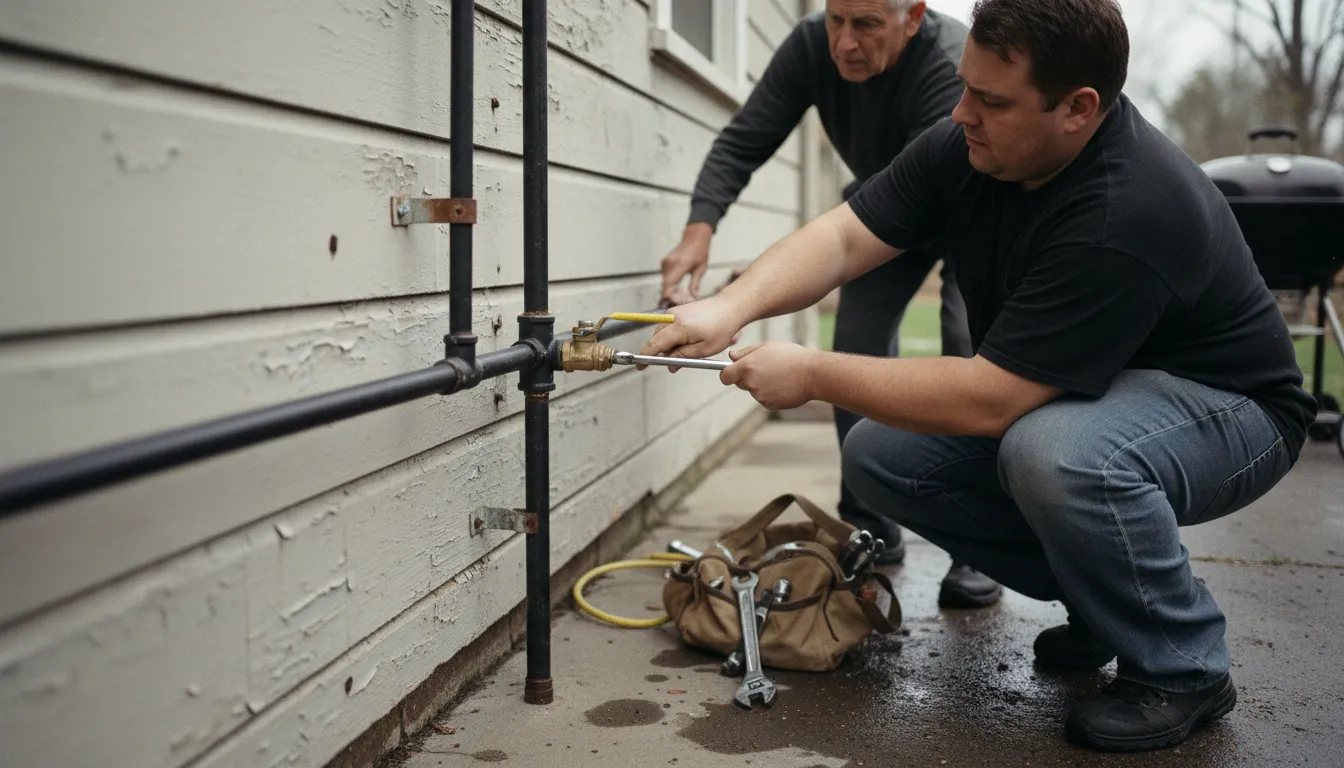
Find the Best Gas Line Plumbing Companies for Your Business
No obligation • Fast responses • Nationwide coverage

Why you can trust Search a Plumber
Search a Plumber is a leading United States resource for finding and evaluating professional plumbing services. Our team researches licensing, experience, and customer feedback to create unbiased, fact-driven overviews. Companies cannot pay to change ratings or placement, ensuring homeowners get trustworthy information.
Search providers near you
Best Gas Line Plumbing Companies in Michigan Ranked
Installing or repairing a gas line is a critical home project that directly impacts your family's safety and your home's functionality. In Michigan, this work is governed by strict state and local codes to prevent leaks and ensure safe operation for appliances like furnaces, water heaters, stoves, and dryers. This guide explains the process, regulations, and costs, helping you understand what to expect and how to connect with qualified, licensed professionals in your area who can perform this specialized work safely and to code.
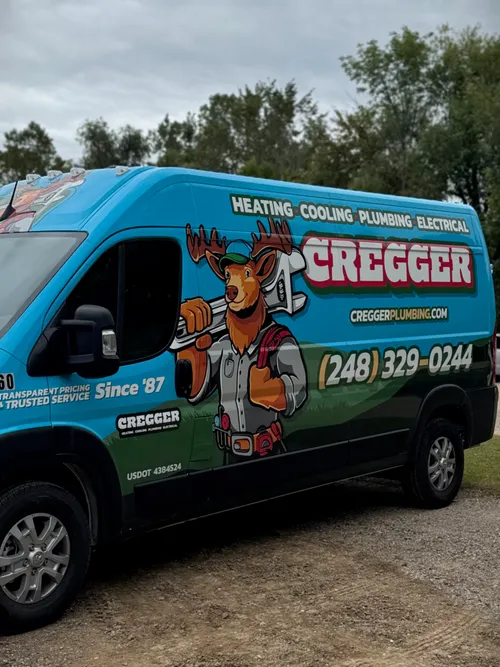
Cregger Plumbing, Heating & Cooling
2335 Goodrich St, Ferndale, MI 48220
Cregger Plumbing, Heating & Cooling is a third-generation, locally operated plumbing and HVAC company serving Detroit, MI. They provide a wide range of services including water heater repair and installation, sump pump repair, drain cleaning, hydro jetting, leak detection, gas line installation, toilet repair, and garbage disposal repair. The company is known for its licensed and insured plumbers who offer 24/7 emergency plumbing services to address urgent issues at any time. Established in 1987, Cregger Plumbing has built a reputation for transparent pricing and community involvement.
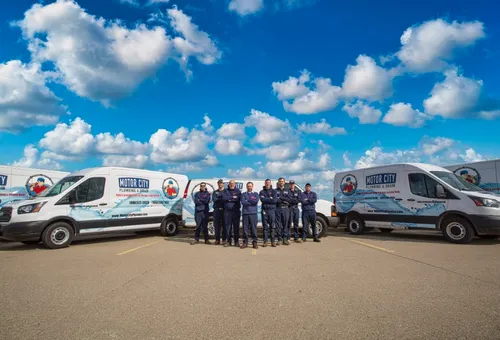
Motor City Plumbing and Drain
30367 Gratiot Ave, Roseville, MI 48066
Motor City Plumbing and Drain is a plumbing service provider based in Detroit, MI. They offer a wide range of plumbing services including sewer camera inspections, water heater repair and installation, sump pump repair, drain cleaning, hydro jetting, sewer line repair, leak detection, repiping, gas line installation, and toilet repair. The company is known for its use of advanced techniques such as hydro jetting and sewer camera inspections to diagnose and resolve plumbing issues efficiently. Motor City Plumbing and Drain has built a reputation for thorough and professional service, with many customers noting the expertise and clear communication of their technicians. They serve residential and commercial clients in the Detroit area and emphasize customer education and transparency throughout their work.
Detroit Furnace LLC
31313 Kendall, Fraser, MI 48026
Detroit Furnace LLC provides comprehensive plumbing and HVAC services in Detroit, MI. Their offerings include water heater repair and installation, drain cleaning, sewer line repair, leak detection, repiping, gas line installation, toilet repair, and garbage disposal repair. The company serves the Detroit Metro area and is equipped to handle a wide range of plumbing and heating needs with skilled technicians. They offer 24/7 emergency service and support all brands and models. Detroit Furnace LLC is known for its commitment to proper installation and maintenance, including a "no lemon" guarantee for heating systems maintained by their team.
5 Star Plumbing
23561 Van Born Rd, Taylor, MI 48180
5 Star Plumbing is a plumbing service provider based in Detroit, MI, offering a wide range of plumbing solutions including water heater repair and installation, sump pump repair, drain cleaning, gas line installation, toilet repair, and garbage disposal repair. With over 40 years of experience since 1982, the company combines skilled workmanship with personalized service to handle projects of all sizes. Their team recently expanded in 2024, enhancing their capabilities while maintaining a commitment to quality and customer satisfaction.
Warm or Breezy Heating & Cooling
20417 Hunt Club Dr, Harper Woods, MI 48225
Warm or Breezy Heating & Cooling is a heating and cooling service provider based near Detroit, MI, serving residential, business, and municipal customers in the east-side Metro Detroit area. They offer repair and installation services for HVAC systems, boilers, water heaters, gas lines, and related components. Their capabilities include emergency repairs, full unit replacements, and maintenance plans, along with expertise in gas pipe installation and carbon monoxide testing. With over 24 years of experience, they focus on quality workmanship and clear communication throughout their service process.
Understanding Michigan's Gas Line Regulations
Gas line work in Michigan is not a DIY project. State law and local ordinances require that installation and major repairs be performed by licensed professionals. The primary regulatory framework is the Michigan Residential Code (MRC), specifically Chapter 24, which covers Fuel Gas. This code details everything from pipe materials and sizing to required clearances and pressure testing procedures.
Beyond the state code, local municipalities enforce their own permit and inspection processes. Furthermore, utility companies like DTE Energy and Michigan Gas Utilities (MGU) have specific requirements for connecting a new service line to their mains or meters. The Michigan Public Service Commission (MPSC) also sets technical standards for gas service installations 1. Navigating this regulatory landscape is a key reason hiring a licensed contractor is essential.
The Step-by-Step Installation Process
A professional gas line installation follows a meticulous, multi-step process designed to ensure long-term safety and compliance.
1. Planning and Assessment
A licensed technician will first assess your project. This involves determining the gas demand (BTU load) of the new or existing appliances, planning the safest and most efficient route for the new piping, and identifying any obstacles like other underground utilities, water lines, or septic systems 2. For outdoor lines, they will plan for the proper burial depth.
2. Permit Application
Before any work begins, your contractor will typically pull the required permits from your local building or plumbing department. They submit detailed plans of the proposed work for review. This step is non-negotiable for new installations and major modifications, as it triggers the mandatory inspections that follow.
3. Installation
The physical installation begins once permits are secured. For indoor lines, a licensed plumber or gas fitter will run new piping-often copper, black steel, or flexible Corrugated Stainless Steel Tubing (CSST)-from the main shutoff valve to the appliance location. For exterior service lines, this involves excavation. In Michigan, gas lines are typically buried at a depth of 18 to 24 inches to protect them from frost and accidental damage 3. The utility company may handle the final tap into the main or the installation of a new meter.
4. Pressure Testing and Inspection
After installation but before the gas is turned on, the system must undergo a pressure test. The contractor will seal the system and pressurize it with air (often to 10 psi or more) for a minimum period, usually 15 minutes or longer, to check for any pressure drop that indicates a leak 4. A local building inspector will then visit to verify the installation meets all code requirements before approving the permit.
5. Final Leak Test and Activation
Following the pressure test and inspection, the contractor will perform a final leak test using a gas leak detection solution or electronic detector on all connections. Only after this is passed will the utility company be contacted to activate the meter or light the pilot lights on your appliances.
Find the perfect gas line plumbing companies for your needs
Get personalized recommendations and expert advice
Key Safety Requirements and Best Practices
Safety is the paramount concern with any gas project. Michigan codes and professionals emphasize several non-negotiable practices:
- Carbon Monoxide Detectors: The Michigan Residential Code mandates the installation of carbon monoxide (CO) alarms in all occupied bedrooms and on every level of a home when a new gas appliance is installed or a fuel-burning appliance is replaced. This is a critical life-saving requirement.
- Leak Recognition and Response: Know the signs of a gas leak: the distinctive "rotten egg" odor (added by utilities), a hissing sound near a gas line, or dead vegetation along an underground pipe path. If you suspect a leak, evacuate immediately, avoid creating sparks, and call 911 and your gas utility from a safe distance 5.
- Proper Materials and Techniques: Only code-approved materials like certain grades of steel, copper, or CSST can be used. Connections must be made with proper threading, flaring, or approved fittings. Using the wrong tape or connector can lead to catastrophic failure.
Cost Factors for Gas Line Projects in Michigan
Costs can vary widely based on the project's scope, location, and complexity. Always get detailed, written estimates from licensed professionals. Common cost components include:
- Labor: The rates of a licensed plumber or gas fitter. This is the largest portion of most projects.
- Materials: The cost of piping (copper, steel, CSST), fittings, shutoff valves, and sediment traps.
- Permits and Inspections: Local permit fees can range from $50 to $150 or more, depending on the municipality 6.
- Excavation: For new underground service lines, costs for trenching or directional boring can be significant.
- Utility Fees: The gas company may charge for a new meter, connection, or inspection.
To provide a general range (these are estimates and can vary):
- Running a new line to an appliance (e.g., for a stove or dryer): $300 - $800+.
- Repairing or relocating an existing line: $200 - $700+ 7.
- Installing a new gas service line from the street to the house: $1,000 - $5,000+ for a typical residential project, factoring in excavation, permits, and utility involvement 8 9.
Why Professional Licensing is Non-Negotiable
Hiring a licensed professional is a legal and safety imperative in Michigan. Licensed contractors have the training to calculate gas loads correctly, the knowledge of current state and local codes (like MRC Chapter 24), and the experience to troubleshoot complex issues. They carry the necessary insurance to protect your property and are the only ones authorized to obtain the required permits. Their work is subject to inspection, providing an official record of compliance. Attempting this work yourself or hiring an unlicensed individual can result in dangerous leaks, code violations that void insurance, and significant fines 10 11.
Frequently asked questions
Sources
Footnotes
-
technical standards for gas service - https://ars.apps.lara.state.mi.us/AdminCode/DownloadAdminCodeFile?FileName=R%20460.2301%20to%20R%20460.2384.pdf&ReturnHTML=True ↩
-
Process of Gas Line Installation: The Step-by-Step From Planning to ... - https://www.atlplumbingskills.com/blog/process-of-gas-line-installation-the-step-by-step-from-planning-to-completion ↩
-
How Deep Are Gas Lines Buried in Michigan - Oreate AI Blog - https://www.oreateai.com/blog/how-deep-are-gas-lines-buried-in-michigan/20c2acc7b42f396ece682a98b93ba054 ↩
-
Frequently Asked Questions - CivicPlus.CMS.FAQ - https://www.rpvca.gov/faq.aspx?TID=40 ↩
-
Gas Line Installation | Quality Plumbing - https://qualityplumbing.cc/gas-line-installation-what-homeowners-need-to-know/ ↩
-
Essential Guide to Gas Line Installation: Tips and Safety Precautions - https://gaeberly.com/gas-line-installation/ ↩
-
New Service Installation Requirements | Michigan Gas Utilities - https://www.michigangasutilities.com/services/new-service-requirements ↩
-
Gas Line Installation in Michigan | Safe & Certified Pros - https://mooremech.net/gas-line-installation/ ↩
-
Application for the Installation of a Natural Gas Service Line ... - https://www.dteenergy.com/content/dam/dteenergy/deg/website/business/service-and-price/natural-gas/natural-gas-resources/planning-resources/Residential-Natural-Gas-Service-Request.pdf ↩
-
Gas Line Installation: What You Need to Know Before Starting Your Project - https://www.pasoroblesheating.com/gas-line-installation-what-you-need-to-know-before-starting-your-project/ ↩
-
Chapter 24 Fuel Gas: Michigan Residential Code 2015 - https://up.codes/viewer/michigan/mi-residential-code-2015/chapter/24/fuel-gas ↩