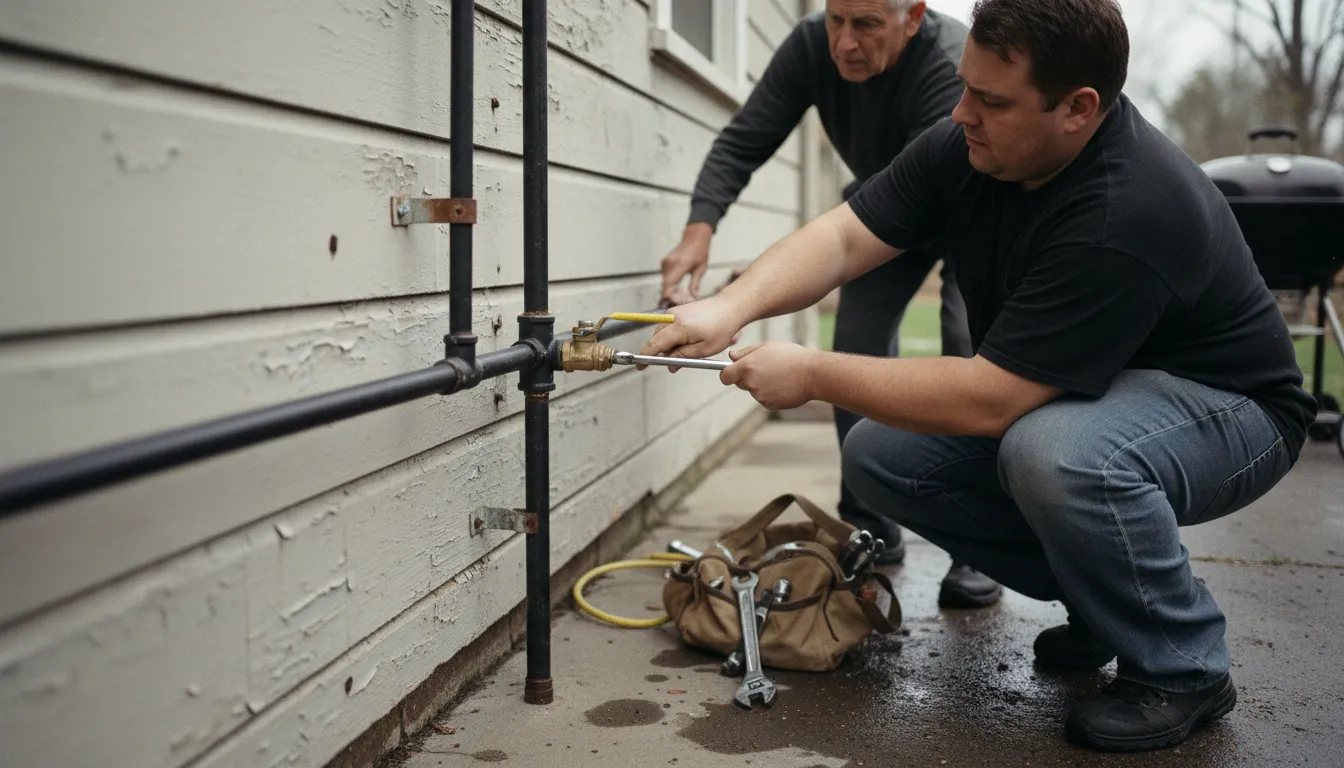
Find the Best Gas Line Plumbing Companies for Your Business
No obligation • Fast responses • Nationwide coverage

Why you can trust Search a Plumber
Search a Plumber is a leading United States resource for finding and evaluating professional plumbing services. Our team researches licensing, experience, and customer feedback to create unbiased, fact-driven overviews. Companies cannot pay to change ratings or placement, ensuring homeowners get trustworthy information.
Search providers near you
Best Gas Line Plumbing Companies in Arizona Ranked
Installing or repairing a gas line is a critical home improvement project that directly impacts the safety and functionality of your property. Natural gas provides efficient energy for appliances like water heaters, stoves, and furnaces, but the systems that deliver it must be installed with precision and in strict compliance with state and local codes. Due to the serious risks of explosion or carbon monoxide poisoning, this work is not suitable for DIY efforts. This guide outlines the essential steps, regulations, and safety considerations for Arizona homeowners, helping you understand the process so you can engage a qualified local professional with confidence.
Dignity Plumbers Service & Water Softeners
11200 W Wisconsin Ave #5A, Youngtown, AZ 85363
Dignity Plumbers Service & Water Softeners is a family-owned plumbing company serving Phoenix, AZ, and surrounding West Valley communities. They provide a wide range of plumbing services including water heater repair and installation, tankless water heater services, water softener installation, drain cleaning, sewer line repair, leak detection, gas line installation, toilet repair, and garbage disposal repair. With over 20 years of experience, their master plumbers are equipped to handle emergency plumbing needs 24/7, ensuring prompt attention to urgent issues. They also specialize in tankless water heater installation and recommend water softeners to protect plumbing investments.
Roto-Rooter Plumbing & Water Cleanup
12133 W Bell Rd #104, Surprise, AZ 85378
Roto-Rooter Plumbing & Water Cleanup provides comprehensive plumbing and water cleanup services in Phoenix, AZ, and the surrounding areas. They serve both residential and commercial clients with a wide range of services including sewer and drain cleaning, water heater repair and installation, leak detection, gas line installation, and trenchless sewer repair. The company is equipped to handle emergency plumbing situations and offers 24/7 availability to address urgent issues such as sewer backups, flooding, and gas leaks. Roto-Rooter also specializes in hydro jetting and mold remediation, using advanced technology to maintain and restore plumbing systems effectively. Serving the greater Phoenix area, Roto-Rooter has a strong local presence and understands the unique plumbing challenges posed by the region's weather and infrastructure. Their team is experienced in both conventional and trenchless sewer repair methods, providing tailored solutions for each property. The company emphasizes emergency readiness with around-the-clock service to minimize damage and disruption during plumbing crises.
Top Notch Plumbing and Drain
Chandler, AZ
Top Notch Plumbing and Drain is a licensed plumbing service provider based in Chandler, AZ, offering residential and commercial plumbing solutions. Their services include water heater repair and installation, sewer line repair, drain cleaning, leak detection, gas line installation, and water softener installation. The company uses advanced tools such as sewer camera inspections to diagnose plumbing issues accurately. With 30 years of combined experience, Top Notch Plumbing and Drain serves Chandler and surrounding areas, providing 24-hour emergency plumbing services to address urgent needs any time of day or night.
MacInnis Plumbing LLC
Tucson, AZ
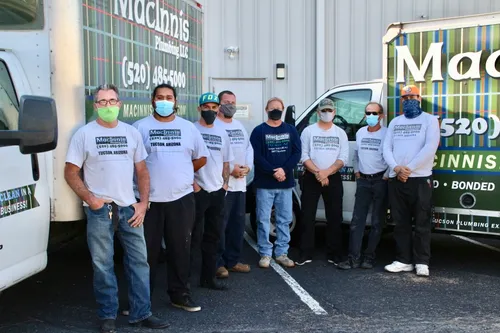
MacInnis Plumbing LLC is a plumbing service provider based in Tucson, AZ, offering a range of plumbing solutions including water heater repair and installation, leak detection, repiping, gas line installation, and toilet repair. With over 25 years of experience serving the Tucson area, they focus on professional installations and repairs while respecting the integrity of structures. Their capabilities include water line and gas line repair and replacement, bathroom remodels, and backflow installation, aiming to address issues like leaks, clogs, and water pressure problems.
Instant Plumbing and Rooter
4340 W Charleston Ave, Glendale, AZ 85308
Instant Plumbing and Rooter is a family-owned plumbing business serving Glendale, AZ, and surrounding Arizona communities since 2001. They offer a wide range of plumbing services including drain and sewer restoration, water heater installation and repair, water softener installation, leak detection, and gas line installation. Their capabilities include sewer line camera inspections to accurately diagnose and address drainage issues. The company focuses on both residential and commercial plumbing needs, providing solutions to maintain functional and efficient household plumbing systems.
Understanding Arizona's Gas Line Regulations
In Arizona, all residential gas line installation and significant repair work is governed by a combination of the International Fuel Gas Code (IFGC) and local municipal amendments. The overarching principle is safety, enforced through a mandatory permitting and inspection process. This system ensures that every gas piping project is designed correctly, installed by a licensed professional, and verified by a municipal inspector before being put into service.
The key regulatory takeaway is that a permit is always required for new gas line installations, relocations, or repairs that involve adding or extending piping. Simple appliance replacements using existing connections may not always require a permit, but it's crucial to check with your local building department first. The permit process exists to protect you, your family, and your neighbors by ensuring the work meets all safety standards.
The Role of Local Municipalities
While the state adopts a base code, cities and counties enforce their own specific rules and procedures. Requirements can vary between jurisdictions like Phoenix, Tucson, Mesa, and Pinal County. For instance, permit fees, inspection scheduling, and certain installation details (like bonding requirements for specific pipe types) may differ. Always verify the exact requirements with your local building department before any work begins 1.
The Step-by-Step Process for a Gas Line Project
A successful gas line project follows a defined sequence from planning to final connection. Skipping any step is illegal and dangerous.
1. Planning and Design
This initial phase is where a licensed plumber or gas fitter assesses your needs. They will calculate the total gas load (in British Thermal Units per hour, or Btu/h) for all connected appliances, both current and future. This load calculation, along with the total length of pipe needed, determines the correct pipe diameter (sizing). An undersized line can cause appliance malfunction and safety hazards. The professional will create a plan detailing the pipe layout, sizing, shut-off valve locations, and materials to be used.
2. Obtaining the Permit
Your licensed professional will submit the project plans and application for a gas permit to your city or county building department. As the homeowner, you are ultimately responsible for ensuring a permit is pulled. The permit fee varies by municipality and project scope but often ranges from under $100 to several hundred dollars 2 3 4.
3. Installation
With the permit in hand and posted visibly at the job site, installation begins. The licensed technician will run the new piping, ensuring:
- Proper Support: Pipes are securely supported at regular intervals.
- Correct Materials: Use of approved materials like black iron steel pipe, copper (where allowed), or Corrugated Stainless Steel Tubing (CSST).
- Shut-Off Valves: Installation of an accessible shut-off valve within 6 feet of each appliance.
- Clearances: Maintaining required clearances, such as keeping gas risers at least 6 inches above grade 5.
- Bonding: For CSST piping, a special bonding jumper must be installed to mitigate lightning strike risks, and all above-ground gas piping that may become energized must be bonded to the electrical grounding system.
- Underground/Slab Penetrations: If piping runs under a concrete slab or underground, it must be sleeved for protection, and threaded joints require pipe wrap tape 6.
4. Pressure Testing
Before any gas is introduced into the system, the new piping must undergo a rigorous pressure test. This is typically a "3-lb test," where the system is pressurized with air to about 10 psi and must hold that pressure without dropping for a minimum period (e.g., 15 minutes). This test proves the integrity of all joints and fittings and is a mandatory checkpoint before inspection.
5. Municipal Inspection
After a successful pressure test, your contractor will schedule an inspection with the local building department. The inspector will review the installation against the approved plans and code requirements, check the pressure test results, and verify all safety measures are in place. The work cannot proceed until it passes this inspection 7 8.
6. Utility Connection and Appliance Hookup
Once the installation passes inspection, the local gas utility company (e.g., Southwest Gas) can be called to connect the meter or turn on the gas service to the new line. Finally, your licensed professional will connect the appliances to the new gas lines, checking for leaks at each connection with a gas leak detector solution 9.
Find the perfect gas line plumbing companies for your needs
Get personalized recommendations and expert advice
Critical Safety Considerations
The risks associated with natural gas cannot be overstated. Adhering to these safety principles is non-negotiable.
- No DIY: Gas line work is not a do-it-yourself project. The risks of explosion, fire, and carbon monoxide poisoning are extreme. Only licensed professionals have the training, tools, and insurance to perform this work safely and legally.
- Leak Detection: Know the signs of a gas leak: the distinctive rotten egg smell (odorant added to gas), a hissing sound near a gas line, or dead vegetation near a buried pipe. If you suspect a leak, do not operate light switches or phones. Evacuate the area immediately and call 911 and your gas utility from a safe distance 10 11.
- Ventilation: Ensure all gas appliances are properly vented to the outside to prevent the buildup of deadly carbon monoxide (CO). Install and maintain CO detectors in your home.
- Corrosion Awareness: In some Arizona soils, corrosion of underground steel pipes can be a concern. A professional can assess if a repipe with modern materials like CSST or coated steel is a wise long-term investment.
Understanding Costs
The cost of a gas line project in Arizona varies widely based on:
- Scope: A simple hookup for a new grill is far less than running a new line for a pool heater or entire home.
- Materials: The choice between black iron pipe, CSST, or other approved materials affects material costs.
- Labor & Complexity: Length of the run, difficulty of the path (trenching, wall penetrations), and local labor rates.
- Permits: Municipal permit fees are an additional, required cost 12.
While prices can range from several hundred to several thousand dollars, consider it an investment in safety, property value, and reliable appliance operation. A reputable professional will provide a detailed, upfront estimate that includes permits, materials, and labor.
Choosing the Right Professional
Selecting a qualified contractor is your most important decision. Look for:
- Valid Arizona License: Ensure they hold a current, active license for plumbing or gas fitting.
- Insurance: Verify they carry both liability and workers' compensation insurance.
- Local Experience: Choose a pro familiar with the specific codes and inspectors in your city (Phoenix, Tucson, etc.).
- Permit Responsibility: They should willingly handle the entire permit process-filing, posting, and scheduling inspections.
- References & Reviews: Check online reviews and ask for references from past gas line projects.
By understanding this process, you become an informed partner in ensuring your gas line project is completed safely, legally, and to the highest standard.
Frequently asked questions
Sources
Footnotes
-
Gas Line Installation in Mesa, AZ - The Cooling & Plumbing Co. - https://azcpg.com/plumbing/gas-line-installation-mesa-az ↩
-
Plumbing Permits Arizona 2025 | Essential Homeowner Guide - https://rapidfireplumbing.com/plumbing-permits-in-arizona-what-you-need-to-know-in-2025/ ↩
-
Gas & Electric Permits | Pinetop-Lakeside, AZ - https://www.pinetoplakesideaz.gov/176/Gas-Electric-Permits ↩
-
Residential Permits - City of Tucson - https://www.tucsonaz.gov/Departments/Planning-Development-Services/Permits/Residential-Permits ↩
-
residential gas piping installations - 2018 irc - City of Tucson - https://www.tucsonaz.gov/files/sharedassets/public/v/1/pdsd/documents/permits/residential-permits/gas_handout_2018_irc_2019.2.4.pdf ↩
-
RESIDENTIAL GAS PIPE INSTALLATION - Pinal County - https://www.pinal.gov/DocumentCenter/View/442/009---What-Are-the-Residential-Gas-Piping-Installation-Requirements-PDF ↩
-
Residential Inspection - Checklist - City of Phoenix - https://www.phoenix.gov/pddsite/Documents/TRT/dsd_trt_pdf_00081.pdf ↩
-
Residential Inspections - City of Phoenix - https://www.phoenix.gov/administration/departments/pdd/residential-building/residential-inspections.html ↩
-
Expert Gas Line Installation | Arizona Integrity Plumbing - https://azip.com/safe-smart-and-code-compliant-what-every-arizona-homeowner-needs-to-know-about-gas-line-installation/ ↩
-
Gas Line Installation - Quality Plumbing - https://qualityplumbing.cc/gas-line-installation-what-homeowners-need-to-know/ ↩
-
Chapter 3 General Regulations: Phoenix Fuel Gas Code 2018 - https://up.codes/viewer/phoenix/ifgc-2018/chapter/3/general-regulations ↩
-
Gas Line Repipe Options to Fix Corrosion and Undersized Runs - https://www.benfranklinplumbingaz.com/gas-line-repipe-options/ ↩