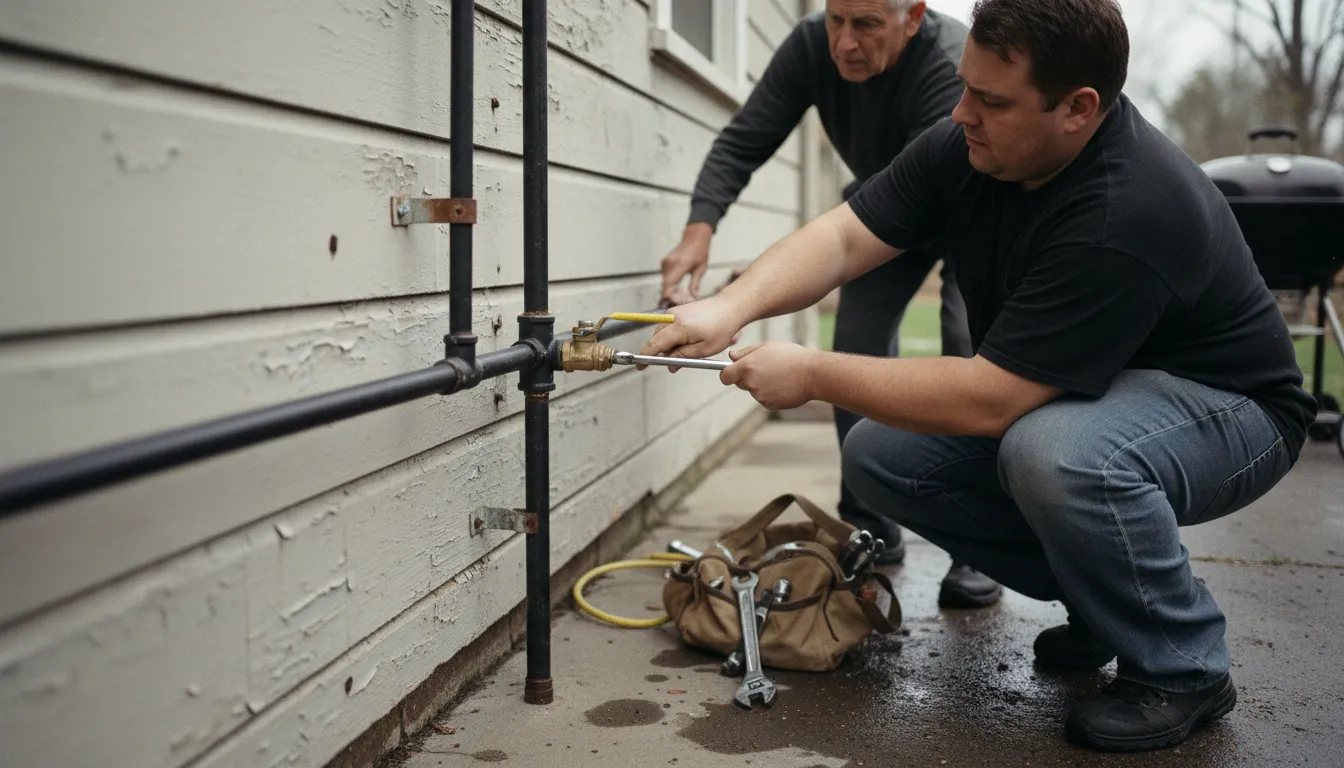
Find the Best Gas Line Plumbing Companies for Your Business
No obligation • Fast responses • Nationwide coverage

Why you can trust Search a Plumber
Search a Plumber is a leading United States resource for finding and evaluating professional plumbing services. Our team researches licensing, experience, and customer feedback to create unbiased, fact-driven overviews. Companies cannot pay to change ratings or placement, ensuring homeowners get trustworthy information.
Search providers near you
Best Gas Line Plumbing Companies in North Carolina Ranked
Installing or repairing a gas line is a critical home improvement project that directly impacts the safety and functionality of your property. In North Carolina, this work is governed by strict state and local codes to ensure the safe delivery of natural gas or propane to appliances like stoves, water heaters, and furnaces. This guide explains the essential process, regulations, and safety considerations for gas line projects in NC, helping you understand what to expect and how to find qualified local professionals to handle the job safely and correctly.
Clavey Plumbing & Drains, LLC
Charlotte, NC
Clavey Plumbing & Drains, LLC is a family-owned plumbing company serving Charlotte, NC, and nearby areas including Waxhaw, Gastonia, and Indian Trail. They provide residential and commercial plumbing services such as water heater repair and installation, water softener installation, drain cleaning, sewer line repair, and gas line installation. With over 20 years of experience, the company uses advanced equipment to handle a variety of plumbing needs and ensures systems remain functional and efficient.
Thor's Plumbing Solutions
1223 Byrdsville Rd, Hillsborough, NC 27278
Thor's Plumbing Solutions is a locally and family-owned plumbing company serving Durham, NC, and nearby areas. With over 20 years of experience, they offer a wide range of plumbing services including sewer camera inspections, water heater repairs and installations, drain cleaning, leak detection, repiping, and gas line installations. The company uses advanced diagnostic tools to identify issues such as sewer line problems and provides tailored solutions for both residential and commercial properties. They also provide 24/7 emergency services to address plumbing needs at any time.
Wicker Trade Service Inc - Plumbing & Gas Piping
Charlotte, NC
Wicker Trade Service Inc - Plumbing & Gas Piping is a plumbing and gas piping company serving Charlotte, NC. Established in 2010, they offer a wide range of services including water heater installation and repair, tankless water heater installation, sewer line repair, gas line installation and repair, drain cleaning, hydro jetting, leak detection, repiping, and garbage disposal repair. Their certified technicians provide comprehensive plumbing and gas piping solutions for both residential and commercial clients. The company emphasizes safety and quality, particularly in their gas line services, and offers emergency plumbing repairs with 24/7 availability to address urgent issues promptly.
Winn's Plumbing
3540 Toringdon Way Suite 200, Charlotte, NC 28277
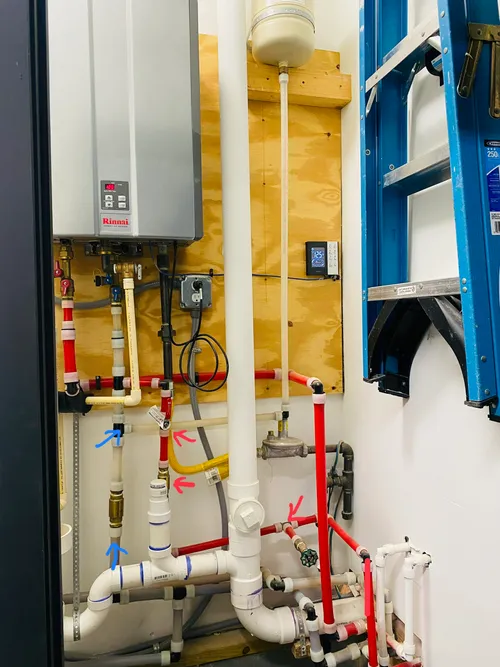
Winn's Plumbing is a family-owned plumbing company serving Charlotte, NC, and surrounding areas. With over 20 years of experience, they provide a range of services including water heater repair and installation, tankless water heaters, gas line installation, and drain cleaning. Their team is known for local expertise and attention to detail, ensuring proper diagnosis and solutions for plumbing issues before they escalate.
Full Spectrum Plumbing Services
150 B W Thomas Dr, Fort Mill, SC 29708
Full Spectrum Plumbing Services is a licensed plumbing contractor based in Fort Mill, SC, serving the local community and surrounding areas including Tega Cay, Indian Land, Riverview, and Baxter Village. With over 20 years of experience, they provide a wide range of plumbing services such as sewer line repair, tankless water heater installation, leak detection, repiping, and trenchless water line installation. Their team uses advanced equipment for tasks like camera inspections and hydro jetting to address drain and sewer issues efficiently. They also offer emergency plumbing and gas line services with same-day response available.
Understanding North Carolina's Gas Line Regulations
Gas line work in North Carolina is not a do-it-yourself project. The state adopts the International Fuel Gas Code (IFGC) with specific North Carolina amendments, forming the NC Fuel Gas Code. This code mandates that all gas piping installations, repairs, and alterations must be performed by licensed professionals-typically licensed plumbing or mechanical contractors who hold a gas fitter classification.
The primary reason for these stringent rules is safety. Natural gas is highly combustible, and improper installation can lead to leaks, fire, or explosion. The code provides comprehensive rules for everything from pipe material and sizing to pressure testing and required clearances from combustible materials. Adherence to code isn't just a legal formality; it's a vital layer of protection for your home and family.
The Permit and Inspection Process
One of the most consistent requirements across North Carolina is the need for permits and inspections for gas line work.
- When is a Permit Required? Generally, any new gas line installation, extension, or significant alteration requires a permit from your local city or county building department 1. This includes running a new line for a stove, dryer, fireplace, or pool heater. Even some repairs may require a permit, though emergency repairs might allow the contractor to secure the permit on the next business day2.
- Who Pulls the Permit? The licensed contractor performing the work is responsible for obtaining the necessary permits. As the homeowner, you should confirm this is part of their process. Never hire a contractor who suggests skipping permits to "save money or time".
- The Inspection Stages: Inspections are conducted by your local Authority Having Jurisdiction (AHJ)-usually the municipal building inspector. A typical project involves:
- Rough-In Inspection: After the piping is installed but before it is concealed (e.g., buried or covered by drywall), the inspector checks for proper materials, sizing, support, and routing.
- Pressure Test: The contractor must perform a pressure test, often at 50 PSI for 15 minutes with no drop, to prove the system is leak-free. The inspector may witness this test. 3. Final Inspection: Once appliances are connected, a final inspection ensures proper hookups, venting, and that everything is operational and safe3 4.
Skipping this process can result in unsafe conditions, fines, and problems when you try to sell your home.
Key Code Requirements for NC Gas Lines
Understanding a few core code requirements can help you discuss your project knowledgeably with a contractor.
- Pipe Sizing: Gas pipes must be correctly sized (diameter) based on the length of the run and the total demand (BTU/hour) of all appliances on the line. Undersized pipes can cause poor appliance performance and safety issues.
- Pressure Testing: As mentioned, a mandatory pressure test is the best way to confirm the integrity of the entire system before gas is introduced.
- Burial Depth for Exterior Lines: If a gas line runs underground to a detached garage, pool heater, or generator, steel piping must be buried at least 18 inches deep. Specific allowances exist for rocky soil, but protection from damage is the goal 5.
- Materials: Common approved materials include black iron pipe, corrugated stainless steel tubing (CSST), and copper (in certain applications). The material choice depends on the application and local code approval6.
- Appliance Clearances and Venting: The code specifies minimum distances between gas appliances and combustible walls or materials. Proper venting for combustion gases is equally critical and will be verified during inspection.
Typical Steps in a Gas Line Installation Project
A professional gas line project follows a logical sequence to ensure safety and compliance.
- Planning and Consultation: A licensed contractor visits your home to assess the route from the gas meter or propane tank to the new appliance. They calculate the required pipe size, identify obstacles, and provide a detailed quote.
- Permit Application: The contractor submits application drawings or details to your local building department and pays the permit fee.
- Installation: The crew installs the new piping, following the approved route. This may involve drilling through walls, running pipe in crawl spaces or attics, or trenching for underground lines.
- Rough-In Inspection: The inspector visits to approve the installed piping before walls are closed up or trenches are filled.
- Pressure Testing: The contractor isolates the new section and pressurizes it with air to test for leaks.
- Appliance Connection & Final Inspection: Once the pipe passes inspection, the contractor connects the new appliance, checks for leaks at the connection with a gas leak solution, and ensures the appliance operates correctly. The inspector performs a final review.
- System Activation: After final approval, the gas utility or propane company can be notified to activate or set the meter.
Find the perfect gas line plumbing companies for your needs
Get personalized recommendations and expert advice
Safety Must Be the Top Priority
Beyond code compliance, several safety principles are paramount in gas line work.
- Leak Prevention is Critical: Every joint and connection is a potential leak point. Proper threading, sealing with approved pipe dope or tape, and rigorous pressure testing are non-negotiable steps 7.
- No DIY Gas Work: The risks of unlicensed gas work cannot be overstated. Mistakes can lead to catastrophic outcomes, and most homeowner's insurance policies will not cover damages resulting from unpermitted, unlicensed work 8.
- Carbon Monoxide (CO) Awareness: Faulty gas appliances or improper venting can produce deadly carbon monoxide. Ensuring appliances are properly vented and installing CO detectors in your home are essential complementary safety measures9.
- Call Before You Dig: If any part of your project involves excavation, you must call 811 at least three business days beforehand. This free service marks the location of public underground utilities to prevent accidental strikes10.
Factors Influencing Project Cost
The cost of gas line installation in North Carolina is highly variable, depending on numerous project-specific factors.
- Project Scope & Length: The single biggest cost driver is the length and complexity of the new pipe run. A simple line from a nearby existing line to a kitchen stove costs far less than running a line 50 feet across a basement and through a slab to a new fireplace.
- Materials: Black iron pipe is standard, but flexible CSST can be faster to install in some complex runs, potentially affecting labor costs.
- Labor and Accessibility: Easy access in an open basement is less labor-intensive than working in a tight crawl space or having to core-drill through concrete.
- Trenching: For exterior underground lines, the cost of trenching (by hand or machine) adds significant expense.
- Permits & Inspections: Permit fees vary by municipality but are a fixed part of the project cost.
- Appliance Hookup: The cost may or may not include disconnecting/reconnecting the appliance or installing a new gas shut-off valve.
While prices can range from several hundred dollars for a very short, simple extension to several thousand for a long or complex run, a qualified contractor will provide a clear, detailed estimate after an onsite assessment11 12.
Choosing a Qualified Professional in North Carolina
Your choice of contractor is your primary safety decision. Look for:
- Active NC License: Verify the contractor holds a current North Carolina license for plumbing or mechanical work that includes gas fitting.
- Insurance: Confirm they carry general liability and workers' compensation insurance.
- Local Knowledge: Choose a professional familiar with your county or city's specific inspection office and requirements.
- Detailed Estimates & Permits: A reputable pro will provide a written estimate and unequivocally state they will handle all required permits and inspections.
- References & Reviews: Ask for references from similar projects and check online reviews.
Frequently asked questions
Sources
Footnotes
-
160D-1110. Building permits. - https://www.ncleg.gov/EnactedLegislation/Statutes/PDF/BySection/Chapter_160D/GS_160D-1110.pdf ↩
-
CHAPTER 1 - OSFM - https://www.ncosfm.gov/2009-north-carolina-fuel-gas-code-amendments/open ↩
-
Required Residential Inspections | Person County, NC Website - https://www.personcountync.gov/?navid=581 ↩
-
Essential Guide to Gas Line Installation: Tips and Safety Precautions - https://gaeberly.com/gas-line-installation/ ↩
-
Frequently Asked Questions - CivicPlus.CMS.FAQ - https://www.rpvca.gov/faq.aspx?TID=40 ↩
-
Chapter 4 Gas Piping Installations: North Carolina ... - UpCodes - https://up.codes/viewer/north_carolina/ifgc-2009/chapter/4/gas-piping-installations ↩
-
Chapter 3 General Regulations: North Carolina Fuel Gas Code 2018 - https://up.codes/viewer/north_carolina/ifgc-2015/chapter/3/general-regulations ↩
-
Chapter 24 Fuel Gas: Fuel Gas, 2018 North Carolina Residential Code | UpCodes - https://up.codes/viewer/north_carolina/irc-2015/chapter/24/fuel-gas ↩
-
Plumbing Code Compliance in NC: Pender, Carteret, Onslow ... - https://wildwaterplumbing.com/guide-to-plumbing-safety-and-code-compliance-in-coastal-north-carolina/ ↩
-
How Deep are Gas Lines Buried? A Property Owner's Guide | LicensedNC - https://licensednc.com/how-deep-are-gas-lines-buried/ ↩
-
Gas Line Installation | Quality Plumbing - https://qualityplumbing.cc/gas-line-installation-what-homeowners-need-to-know/ ↩
-
Do I Need a Permit for Gas Line Work in North Carolina? - https://gasmastersnc.com/do-i-need-a-permit-for-gas-line-work-in-north-carolina/ ↩