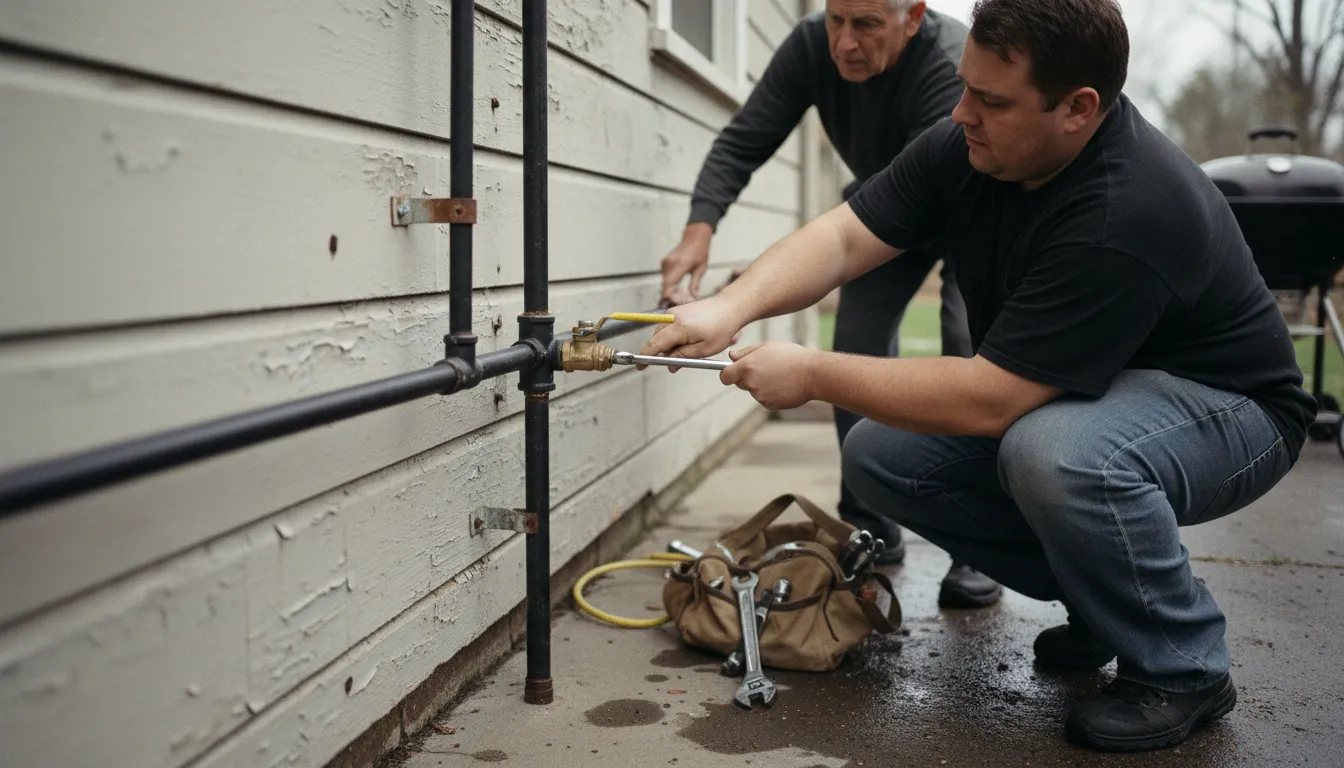
Find the Best Gas Line Plumbing Companies for Your Business
No obligation • Fast responses • Nationwide coverage

Why you can trust Search a Plumber
Search a Plumber is a leading United States resource for finding and evaluating professional plumbing services. Our team researches licensing, experience, and customer feedback to create unbiased, fact-driven overviews. Companies cannot pay to change ratings or placement, ensuring homeowners get trustworthy information.
Search providers near you
Best Gas Line Plumbing Companies in Nevada Ranked
Installing or repairing a gas line is a critical home improvement project that directly impacts the safety and functionality of your property. In Nevada, this work is strictly regulated to prevent leaks, fires, and carbon monoxide poisoning. This guide explains the essential steps, legal requirements, and safety protocols for gas line projects in the state, helping you understand the process and connect with qualified, licensed professionals who can ensure the job is done correctly and safely.
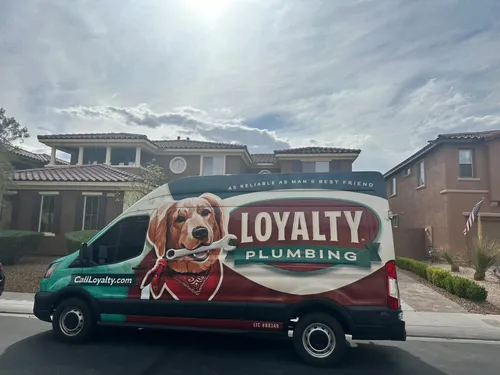
Loyalty Plumbing
8683 W Sahara Ave Suite 250, Las Vegas, NV 89117
Loyalty Plumbing is a veteran-owned plumbing company serving Las Vegas, NV, and Clark County. They provide a range of plumbing services including water heater repair and installation, tankless water heater services, drain cleaning, hydro jetting, leak detection, and gas line installation. The company uses the latest tools and techniques to ensure accurate and long-lasting repairs. Loyalty Plumbing offers same-day and emergency services, available day and night, including holidays. They are recognized for their straightforward pricing and premium warranties on every job.
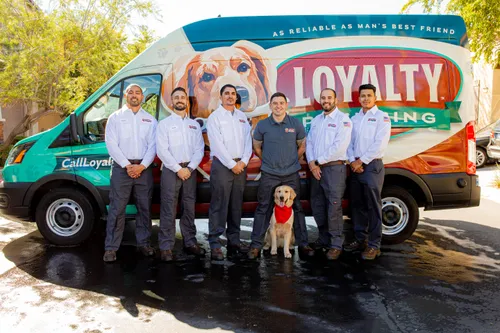
Loyalty Plumbing
6624 Brooklyn Heights St, Las Vegas, NV 89166
Loyalty Plumbing is a veteran-owned plumbing company serving Las Vegas, NV, and Clark County. They provide a range of services including water heater repair and installation, tankless water heater services, drain cleaning, hydro jetting, leak detection, and gas line installation. The company uses the latest tools and techniques to ensure accurate and lasting repairs. Loyalty Plumbing offers emergency services available day and night, including holidays, to address urgent plumbing needs promptly.
Resolution Plumbing
3065 N Rancho Dr #154, Las Vegas, NV 89130
Resolution Plumbing is a family-owned plumbing company serving Las Vegas, NV, and surrounding communities including Henderson, North Las Vegas, and Clark County. They offer a wide range of plumbing services such as drain cleaning, water heater repair and installation, leak detection, sewer line repair, hydro jetting, repiping, gas line installation, and sewer camera inspections. With decades of industry experience, Resolution Plumbing uses advanced tools and techniques to provide tailored solutions for local plumbing systems, including addressing challenges from hard water and aging pipes. They also provide same-day and emergency services to handle urgent plumbing issues promptly.
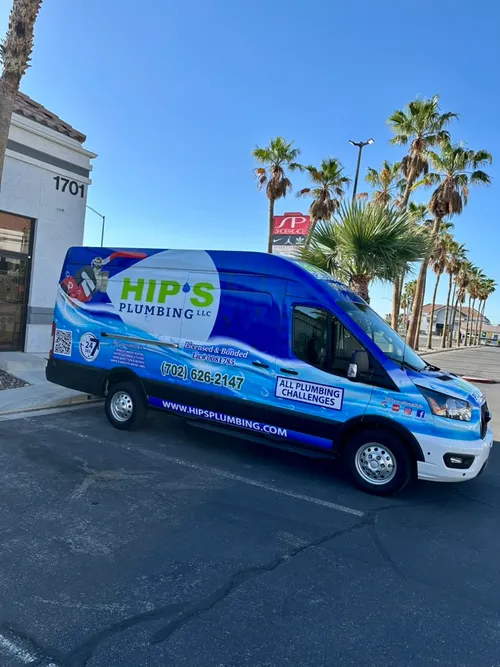
Hips Plumbing
923 S Decatur Blvd, Las Vegas, NV 89107
Hips Plumbing is a plumbing service provider based in Las Vegas, NV, offering a wide range of services including water heater repair and installation, water softener installation, drain cleaning, sewer line repair, leak detection, repiping, gas line installation, toilet repair, and garbage disposal repair. The company provides 24/7 emergency plumbing services depending on personnel availability, ensuring support during urgent situations. Hips Plumbing is known for its expertise in water heater replacement and main water line repairs, with a focus on quality workmanship and compliance with industry standards. They also offer transparent pricing and free estimates to help customers make informed decisions.
Dignity Plumbing
2915 Losee Rd #110, North Las Vegas, NV 89030
Dignity Plumbing is a licensed plumbing service provider based in Las Vegas, NV, offering a range of residential and commercial plumbing solutions. Their services include water heater repair and installation, drain cleaning, leak detection, repiping, gas line installation, toilet repair, and garbage disposal repair. They are equipped to handle emergency plumbing needs with 24/7 availability. Dignity Plumbing emphasizes honest, straightforward service without upselling, ensuring customers receive the repairs and installations they need. Their team is experienced and bilingual, serving the Las Vegas community with a commitment to quality and trust.
Understanding Nevada's Gas Line Regulations
Gas line work in Nevada is not a casual DIY project. The state and local jurisdictions enforce strict codes and permit requirements to protect homeowners and communities. The primary governing code is the International Fuel Gas Code (IFGC), which has been adopted statewide. This code dictates everything from pipe materials and sizing to installation methods and mandatory testing.
A cornerstone of Nevada's approach is the mandatory permit. A permit is always required for new installations, alterations, and most repairs. This process involves submitting plans (for complex jobs) and paying a fee to your local building department, such as Clark County Building & Fire Prevention. The permit ensures your project is reviewed for code compliance and will be inspected at critical stages.
Who can pull the permit? Nevada allows homeowners to obtain permits for work on their primary residence only. If you own a rental property or are doing work for someone else, the permit must be pulled by a licensed plumbing contractor 1. This rule underscores the state's emphasis on professional expertise for gas systems.
The Step-by-Step Process for a Gas Line Project
A successful gas line installation or repair follows a defined sequence. Skipping steps or cutting corners is illegal and dangerous.
1. Planning and Design
Before any digging begins, careful planning is essential.
- Route Mapping: Determine the most direct and feasible path from the gas meter or source to the new appliance (e.g., fireplace, stove, dryer).
- Pipe Sizing: Using IFGC tables, a professional calculates the correct pipe diameter based on the length of the run and the BTU demand of the appliance. Undersized pipes can cause appliance malfunction.
- Material Selection: Common approved materials include rigid black iron pipe and flexible Corrugated Stainless Steel Tubing (CSST). The choice depends on the application, local code preferences, and cost.
- Stamped Plans: For extensive or commercial projects, engineered drawings stamped by a professional may be required by the permit office.
2. Permits and Utility Locate
Once the plan is set, official steps begin.
- Submit for Permit: Apply with your local building department, providing details of the work. For a homeowner, this may involve a simple form; a contractor will handle it.
- Call 811: At least a few business days before digging, you must call Nevada 811 (Dig Safe). This free service coordinates with all utility companies to mark the location of underground lines (electric, water, sewer, communications) to prevent catastrophic strikes 2.
3. Installation
With permits in hand and utilities marked, physical work starts.
- Trenching: For underground lines, a trench is dug. Nevada codes typically require a minimum depth of 12 inches for protection. The path must avoid other utilities and foundations.
- Pipe Assembly: Pipes are cut, threaded, and assembled with appropriate fittings. Connections must be sealed properly-usually with pipe dope or yellow Teflon tape designed for gas.
- Tracer Wire: If using plastic-coated steel pipe underground, a copper tracer wire is often installed alongside it to allow future electronic locating 3.
4. The Critical Pressure Test
This is a non-negotiable, code-required safety check. After the new section is installed but before it is connected to any appliance, the system is pressurized with air (or an inert gas) to a test pressure-commonly 10 psi for a minimum of 15 minutes 4. The installer monitors a pressure gauge for any drop, which indicates a leak. This test is mandatory for all additions, alterations, and repairs and must be witnessed by the inspector 5. No gas line should pass inspection without a successful pressure test.
5. Inspection
You cannot backfill the trench yet. You must schedule an inspection with the building department. The inspector will verify:
- Permit is posted.
- Work matches approved plans (if any).
- Pipe material, size, and installation methods meet code.
- The pressure test was passed (they may require a demonstration).
- Proper support and protection of the pipe.
6. Appliance Connection and Final Steps
Only after the rough-in inspection passes can you proceed.
- Backfill: The trench can be carefully backfilled, often with sand to protect the pipe.
- Appliance Hookup: A licensed professional connects the gas line to the appliance using a flexible appliance connector, ensuring the correct valve and fitting.
- Ventilation Check: For indoor appliances like furnaces or water heaters, ensuring adequate combustion air and proper venting is critical for final approval.
- Final Inspection: A final inspection may be required to verify the appliance is installed correctly and safely.
- Gas Turn-On: The local gas utility (like Southwest Gas) will then reconnect or turn on the gas service.
Find the perfect gas line plumbing companies for your needs
Get personalized recommendations and expert advice
Safety Protocols: Non-Negotiable Practices
Gas work involves inherent risks. Adhering to these safety protocols is paramount:
- Hire Licensed Professionals: For anything beyond the simplest repair, a licensed plumber or gas fitter is essential. They understand the codes, have the proper tools, and carry insurance. Always verify their license with the Nevada State Contractors Board.
- Prioritize Ventilation: During any gas line work, ensure the area is well-ventilated. Open windows and doors to prevent the accumulation of any stray gas 6.
- Install CO Detectors: Carbon monoxide is a silent killer. Install UL-listed carbon monoxide detectors on every level of your home, especially near sleeping areas 7.
- Shut Off the Gas: The main gas supply valve must be in the "off" position before starting any work.
- No DIY "Repairs": Nevada codes are explicit: defective pipes or fittings must be replaced. The use of "crack sticks," leak-stopping tape, or repair sleeves is prohibited 8 9. These are temporary, unsafe fixes that will fail an inspection.
Cost Considerations for Gas Line Work in Nevada
Costs can vary significantly based on project scope and location. A general range for material and labor is $15 to $25+ per linear foot, not including permits, inspections, or appliance hookup fees 10 11.
Key factors influencing the final price include:
- Length and Path: A simple 20-foot run in an open crawlspace costs far less than a 50-foot run that requires trenching through concrete, rocky soil, or landscaped yards.
- Materials: Black iron pipe is less expensive for materials but more labor-intensive. CSST is more expensive per foot but can be faster to install over long, complex routes.
- Fittings and Complexity: Each elbow, tee, and valve adds to the material cost and labor time.
- Permit and Inspection Fees: These are set by your local municipality and are a required part of the budget.
- Labor Rates: Rates vary between contractors and regions (e.g., Las Vegas vs. rural Nevada).
Frequently asked questions
Sources
Footnotes
-
Expectations During a New Gas Line Installation for Your Home? ↩
-
Services and mains guidelines for builders and developers - NW Natural ↩
-
Gas Line Installation: What You Need to Know Before Starting Your Project ↩
-
Gas Line Installations: Safety Tips for Residents | Southport Home ↩
-
LPG Gas Leaks & Testing Requirements Building Permit Guide - Clark County, NV ↩
-
Things to Know About Gas Line Installation for Appliances - Azerplumb ↩