Find the Best Repiping Contractors for Your Business
No obligation • Fast responses • Nationwide coverage

Why you can trust Search a Plumber
Search a Plumber is a leading United States resource for finding and evaluating professional plumbing services. Our team researches licensing, experience, and customer feedback to create unbiased, fact-driven overviews. Companies cannot pay to change ratings or placement, ensuring homeowners get trustworthy information.
Search providers near you
Find Repiping Contractors near you
If your home's plumbing is showing its age with persistent leaks, rusty water, or low water pressure, a full plumbing replacement might be the most reliable long-term solution. Repiping, also known as replumbing, involves replacing all the old water supply pipes in your home with new, modern materials. This significant home improvement project ensures safe, clean water and prevents future costly water damage. This guide explains what the process entails, helps you understand your material options, and provides the information you need to connect with qualified local professionals who can assess your specific situation.
Search providers near you
What is Whole-House Repiping?
Whole-house repiping is the comprehensive process of replacing a home's entire network of aging or failing hot and cold water supply lines. Unlike spot repairs that fix a single leak, a full replumb addresses systemic issues stemming from outdated materials like galvanized steel or lead, which are prone to corrosion and restriction. The project involves removing all old pipes and installing a new system using contemporary materials such as flexible PEX, durable CPVC, or premium copper. This not only restores water pressure and quality but also brings your plumbing up to current building codes, enhancing the safety and value of your property.
Signs You May Need a Plumbing Replacement
How do you know if your home needs a complete pipe replacement rather than just a repair? Look for these common indicators:
- Discolored Water: Brown, yellow, or rusty water, especially when you first turn on the tap, is a classic sign of corroding galvanized steel pipes.
- Low Water Pressure: A gradual or sudden drop in water pressure throughout the house often means mineral deposits or corrosion have built up inside the pipes, restricting flow.
- Frequent Leaks: If you're constantly patching pinhole leaks in different areas, the entire pipe system is likely failing.
- Visible Corrosion: Check pipes in your basement, crawl space, or under sinks. Flaking, rust, or green patina on copper joints indicate advanced wear.
- Water Quality Issues: A metallic taste or sediment in your water can originate from deteriorating pipes.
If you're experiencing several of these issues, a professional assessment for a replumb is a prudent next step.
The Repiping Process: A Step-by-Step Overview
A professional whole-house repipe is a structured project typically completed in several key phases.
- Inspection and Planning: A licensed plumber will conduct a thorough assessment of your existing plumbing system, identifying the pipe materials and layout. They will then design a new system, determine the best materials for your home and budget, and secure any necessary local building permits 1.
- Demolition and Access: To reach the old pipes, the plumber will need to create access points by cutting strategic openings in drywall on walls and ceilings. The old pipes are then carefully removed.
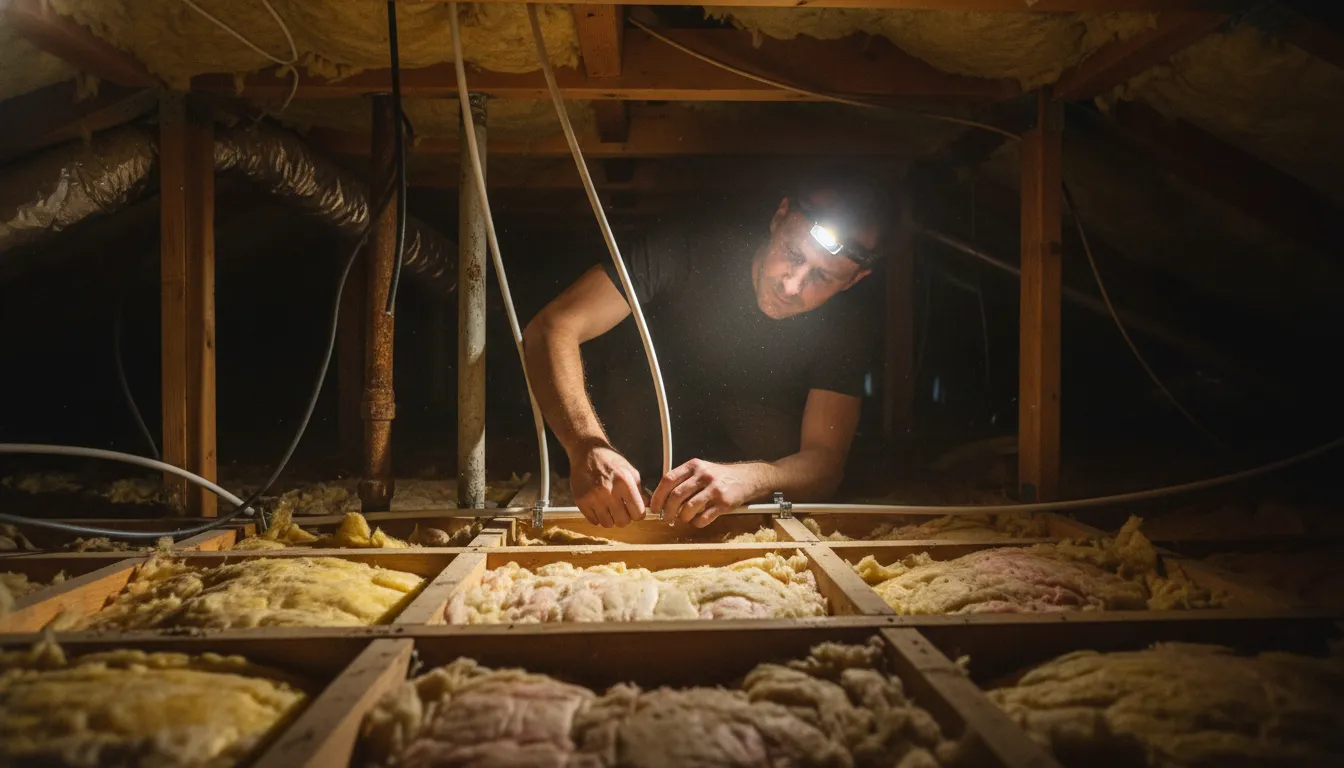
- New Pipe Installation: The new piping network is installed. Modern methods, particularly with flexible PEX tubing, are often less invasive than older techniques, allowing plumbers to "fish" pipes through walls with fewer access holes 2.
- Pressure Testing and Inspection: Once the new system is installed, it is pressurized with air or water to test for leaks. A city or county inspector will typically visit to ensure the work meets all plumbing codes before the walls are closed up.
- Restoration: After the system passes inspection, the plumber or a contractor you hire will patch drywall, repaint, reinstall fixtures, and restore any affected flooring. Your water is then turned back on, and the new system is ready for use 3.
Choosing the Right Pipe Material
The choice of material is a critical decision in your replumbing project, affecting cost, longevity, and performance. Here are the three most common options used today:
- PEX (Cross-linked Polyethylene): This flexible, plastic tubing is the most popular choice for modern repipes. It's cost-effective, resistant to scale and chlorine, and can expand if water freezes, reducing burst risk. Its flexibility allows for faster installation with fewer fittings and less demolition. However, it can be damaged by UV light (so it can't be used outdoors) and is sometimes vulnerable to rodents 4.
- CPVC (Chlorinated Polyvinyl Chloride): A rigid plastic pipe, CPVC is another affordable option. It's highly corrosion-resistant, smooth on the inside to maintain water pressure, and suitable for both hot and cold water lines. Installation requires solvent welding at joints, and it can become brittle if exposed to extreme cold.
- Copper: The traditional premium material, copper is extremely durable, long-lasting (50+ years), and naturally resistant to bacteria. It has a proven track record and can add value to a home. The primary drawbacks are its high material cost and labor-intensive installation, which requires soldering at each joint 5.
A qualified plumber can discuss the pros and cons of each material in the context of your local water conditions, budget, and home layout.
Find the perfect repiping contractors for your needs
Get personalized recommendations and expert advice
Understanding Repiping Costs
The total cost for a whole-house pipe replacement varies significantly based on several factors. While prices can range broadly, here is a general breakdown by home size to set expectations 6 7 8:
- Small Home (1,000 - 1,500 sq ft): $5,500 - $11,000
- Medium Home (1,500 - 2,000 sq ft): $7,500 - $17,500
- Large Home (2,000 - 3,000 sq ft): $9,500 - $17,500+
Key factors that influence the final price include:
- Home Size and Number of Fixtures: More bathrooms, kitchens, and laundry hookups mean more pipe and labor.
- Accessibility: Homes with easy-to-access crawl spaces or basements are less expensive to repipe than homes built on a concrete slab foundation, which requires cutting into the floor.
- Pipe Material: Copper is the most expensive, followed by CPVC, with PEX generally being the most budget-friendly for materials and labor.
- Labor Rates: Costs vary by region and the specific plumbing company.
- Permits and Restoration: Don't forget to budget for local permit fees and the cost to repair drywall, texture, and paint after the plumbing work is complete.
How to Prepare for a Repiping Project
Proper preparation can make the process smoother for your household 9:
- Clear the Work Areas: Move furniture, decorations, and other belongings away from walls where plumbers will need access.
- Plan for Water Outage: You will be without water for at least a day, possibly longer. Fill containers with water for drinking and cooking, and plan accordingly for bathroom use.
- Protect Belongings: Cover furniture and floors with drop cloths to protect from dust.
- Discuss Logistics: Talk with your plumber about their daily schedule, where they will enter/exit, and where equipment will be stored.
- Arrange for Restoration: Confirm who will handle the drywall repair and painting-some plumbing companies offer this service, while others require you to hire a separate contractor.
Frequently asked questions
Sources
Footnotes
-
FAQs About Repiping and Home Improvement - https://www.michiganplumbing.com/renovating-your-home-faqs-about-repiping-and-home-improvement-projects ↩
-
How to Replumb a House: A Step-by-Step Guide to Repiping Your ... - https://wedorepipes.com/repipe-houston/how-to-replumb-a-house-a-step-by-step-guide-to-repiping-your-home/ ↩
-
What to Expect During a Whole House Repipe: Cost, Timeline, and ... - https://go4apes.com/what-to-expect-during-a-whole-house-repipe-cost-timeline-and-installation-process/ ↩
-
Everything You Need To Know About Repiping A House - https://canyonhillsplumbing.com/everything-you-need-to-know-about-repiping-a-house/ ↩
-
Repiping Costs Explained: Upgrade Plumbing in Lee County FL - https://leecountyplumbingandwellservice.com/cost-to-repipe-a-house-guide/ ↩
-
How to Prepare for a Whole-House Repiping - Ray The Plumber - https://raytheplumber.com/uncategorized/how-to-prepare-for-a-whole-house-repiping/ ↩
-
How Much Does Repiping A House Cost | All Aloha Plumbing - https://allalohaplumbing.com/how-much-does-repiping-a-house-cost/ ↩
-
What Does Whole House Repiping Entail? | Golden Rule - https://goldenrulephc.com/blog/what-does-whole-house-repiping-entail/ ↩
-
Whole-House Repiping: Step-by-Step Guide - https://www.veteranplumbing.us/whole-house-repiping-step-by-step-guide/ ↩