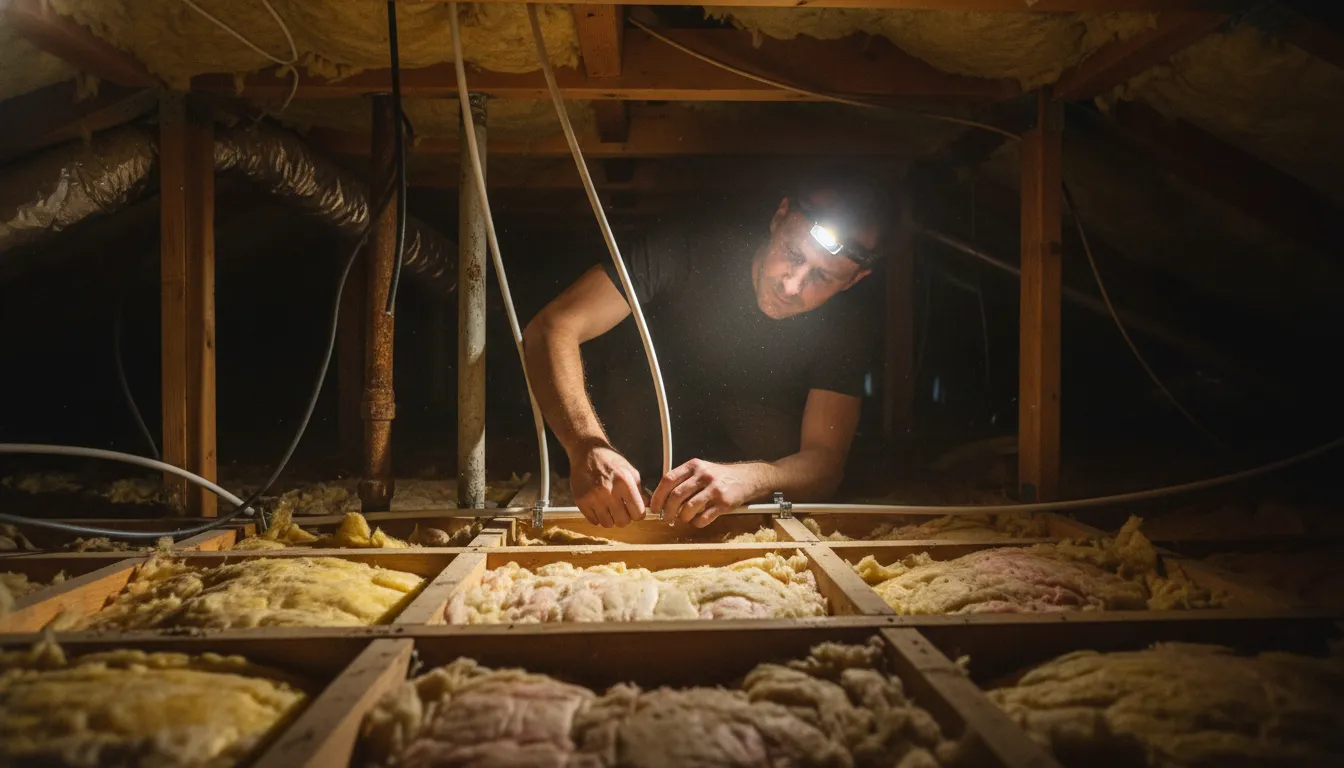
Find the Best Repiping Contractors for Your Business
No obligation • Fast responses • Nationwide coverage

Why you can trust Search a Plumber
Search a Plumber is a leading United States resource for finding and evaluating professional plumbing services. Our team researches licensing, experience, and customer feedback to create unbiased, fact-driven overviews. Companies cannot pay to change ratings or placement, ensuring homeowners get trustworthy information.
Search providers near you
Best Repiping Contractors in New York Ranked
Repiping is the comprehensive process of replacing a home's old, failing water supply and drainage pipes with new, modern materials. In New York, this is a critical home improvement project, especially for aging properties with galvanized steel or lead pipes, which can corrode, restrict water flow, and pose health risks. A full repipe ensures long-term water safety, improves pressure, and prevents costly leaks and water damage. This guide explains what New York homeowners need to know about the process, local codes, costs, and how to find qualified, licensed professionals for the job.
Above and Beyond Plumbing and Heating LLC
5 Van Winkle Rd, Pine Brook, NJ 07058
Above and Beyond Plumbing and Heating LLC is a plumbing and heating service provider based in New York, NY. They offer a wide range of services including water heater repair and installation, water softener installation, drain cleaning, sewer line repair, leak detection, repiping, gas line installation, toilet repair, and garbage disposal repair. The company is known for its 24-hour emergency plumbing services, ensuring help is available whenever needed. They also specialize in boiler installation and repair, and install water filtration and softening systems to improve water quality. With over a decade of experience, Above and Beyond Plumbing and Heating LLC serves New York and surrounding areas, providing tailored solutions to meet specific plumbing and heating needs.
Hazlett Plumbing
3689 California Rd Unit 19, Orchard Park, NY 14127
Hazlett Plumbing is a plumbing contractor serving Buffalo, NY, and the Greater Western New York area. Established in 2016, the company offers a range of plumbing services including sewer camera inspections, water heater repair and installation, sump pump repair, drain cleaning, sewer line repair, repiping, and toilet repair. They specialize in sewer and drain cleaning with permanent solutions targeting root causes. Hazlett Plumbing also handles commercial and residential new builds, remodels, and retrofits. The company emphasizes honesty, integrity, and community care in its operations.
Main Man Water Main & Sewer Repair
10009 Glenwood Rd, Brooklyn, NY 11234
Main Man Water Main & Sewer Repair is a licensed and insured plumbing contractor based in New York, NY, specializing in water main and sewer line repairs. Serving all five boroughs of New York City, they offer a range of services including emergency repairs, DEP notice handling, and water main maintenance. With over 40 years of experience, their team is skilled in addressing leaks, blockages, and infrastructure compliance issues. They provide 24/7 emergency services to quickly resolve urgent plumbing problems.
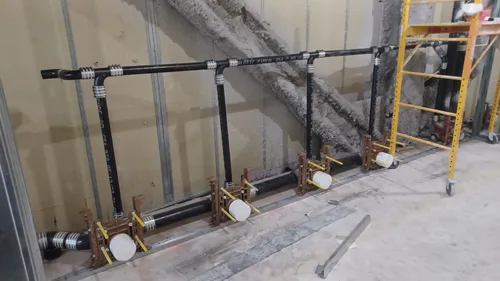
Affordable Plumbing and Leak Repair
New York, NY
Affordable Plumbing and Leak Repair provides a wide range of plumbing services in New York, NY, including water heater repair and installation, drain cleaning, leak detection, repiping, and gas line installation. They serve Staten Island and surrounding areas such as Queens, The Bronx, Brooklyn, and Jersey City. The company offers emergency plumbing services to address urgent issues like burst pipes and clogged drains. Their team is equipped to handle various plumbing needs, including dryer and washer hookups, with a focus on preventing future problems through quality repairs and installations.
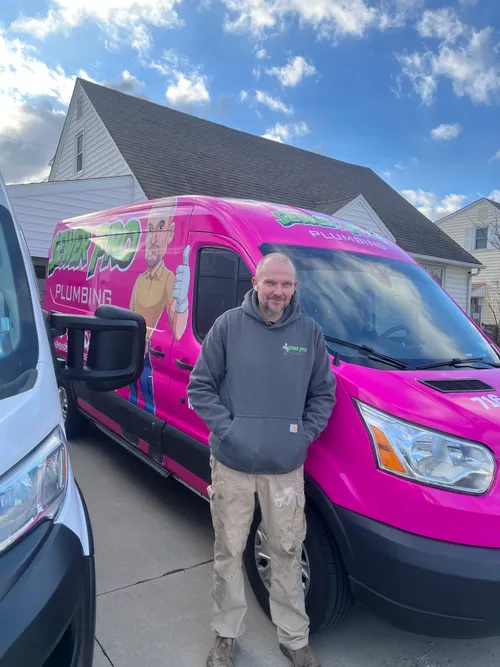
Sewer pro plumbing
Buffalo, NY
Sewer Pro Plumbing is a plumbing company serving Buffalo, NY, and the surrounding communities in Erie and Niagara Counties. With over 30 years of experience, they provide a wide range of plumbing services including water heater installation and repair, sewer line and drain cleaning, sump pump repair, leak detection, repiping, and gas line installation. Their team uses advanced equipment to handle residential and commercial plumbing needs efficiently and reliably. Sewer Pro Plumbing has a long history of serving the local area and offers expert solutions backed by decades of expertise.
Why Consider a Whole-House Repipe in New York?
Older homes across New York State, particularly in New York City and its boroughs, often contain plumbing systems that are decades old. Materials like galvanized steel rust from the inside out, leading to reduced water pressure, discolored water, and eventual leaks. In some very old homes, lead service lines or pipes with lead solder may still be present, posing a serious health concern. A complete repiping project addresses these issues by installing a new, reliable plumbing system that meets current safety standards and building codes.
The benefits extend beyond just fixing leaks. Modern piping materials like PEX (cross-linked polyethylene) and copper offer superior durability and resistance to corrosion. Homeowners often notice an immediate improvement in water pressure and clarity. Furthermore, a new system significantly reduces the risk of catastrophic pipe failures that can cause extensive property damage and mold growth, protecting your home's value and your family's well-being1.
The Repiping Process: A Step-by-Step Overview
A professional whole-house repipe is a structured project that typically follows these key stages:
-
Assessment and Planning: A licensed master plumber will conduct a thorough inspection of your existing plumbing system. They will identify the current pipe materials, map the layout, check for code compliance, and plan the new system's routing. This is also when they will discuss material options with you and outline the project's scope.
-
Permitting: In New York, especially in NYC, a plumbing permit is almost always required for a repipe. Only a Licensed Master Plumber (LMP) registered with the New York City Department of Buildings (DOB) can pull these permits. This step is non-negotiable and ensures the work will be inspected and held to code standards.
-
Removal and Installation: The old pipes are carefully removed. Then, the new water supply lines (hot and cold) and drainage pipes are installed. Plumbers will strategically run new pipes through walls, floors, and ceilings to feed all fixtures-sinks, toilets, showers, and appliances 2.
-
Testing and Inspections: Before walls are closed up, the plumber will perform a pressure test on the new lines to ensure there are no leaks. This "rough-in" inspection is a mandatory checkpoint where a city inspector may verify the pipe placement, supports, and venting. After fixtures are installed, a final inspection and pressure test are conducted.
-
Restoration and Cleanup: Once the plumbing passes inspection, the contractor will repair the access points created in walls, ceilings, and floors. This includes patching drywall, replastering, and repainting to restore your home to its pre-construction condition3.
Navigating New York City Plumbing Codes and Permits
Repiping in New York City is governed by strict plumbing codes and regulations designed to ensure safety and reliability. Understanding these requirements is crucial for a successful project.
- Licensed Master Plumber (LMP): All significant plumbing work, including repiping, must be performed by or under the direct supervision of an LMP. This licensed professional is responsible for obtaining permits and ensuring code compliance.
- Permit Requirements: A plumbing permit from the DOB is required. The LMP will file the necessary applications, which include details about the scope of work and materials to be used4.
- Material Specifications: The NYC Plumbing Code dictates what materials can be used and where. For example, PVC drain piping may only be used in buildings of five stories or less. The code also has specific rules for pipe support spacing to prevent sagging, proper venting to protect trap seals, and approved material types for supply lines (like copper, CPVC, or PEX) 5.
- Mandatory Inspections: The DOB requires inspections at critical phases. The rough inspection occurs after pipes are installed but before they are concealed behind walls. The final inspection happens after all fixtures are in place and the system is operational 6. Passing these inspections is essential for closing out the permit.
Find the perfect repiping contractors for your needs
Get personalized recommendations and expert advice
Cost Factors for Repiping in New York
The cost to repipe a house in New York varies widely, typically ranging from $5,000 to $35,000 or more. Several key factors influence the final price:
- Home Size and Layout: The total square footage and number of bathrooms, kitchens, and fixtures directly impact the amount of material and labor required. A multi-story home with complex layouts will cost more than a single-story ranch.
- Pipe Material Choice: This is one of the largest cost variables.
- PEX: Often the most cost-effective option. It's flexible, easy to install, and resistant to scale and corrosion. Average material costs are lower, and installation can be faster 7.
- Copper: A traditional, durable premium material with a long lifespan. It is significantly more expensive than PEX, both in material costs and soldering labor 8.
- CPVC: A rigid plastic option that falls between PEX and copper in price. It requires glue joints and has specific temperature limitations.
- Labor and Location: Labor rates in New York City and its metro area are generally higher than in upstate regions. The complexity of the job-such as working in finished, historic homes with plaster walls-also increases labor time.
- Permits and Inspections: Permit fees and the time required for inspections are built into the project cost.
- Restoration Work: The expense of repairing walls, ceilings, and floors after the pipes are installed is a substantial part of the project. Some contractors include this in their quote, while others may treat it as a separate line item.
For a typical whole-home repipe in New York, homeowners might see averages between $7,500 for a PEX system in a smaller home to $20,000 or more for a copper system in a larger property9 10.
Choosing the Right Plumbing Material for Your Home
Selecting the best pipe material involves balancing budget, longevity, and local code approval.
- Copper has a proven track record of 50+ years, is resistant to UV light, and can handle high heat. Its main drawback is cost, and it can be susceptible to theft in vacant properties.
- PEX is highly flexible, allowing for long runs with fewer fittings, which can reduce the chance of leaks. It's excellent for cold climates as it can expand if frozen. However, it cannot be exposed to sunlight and requires special manifolds and connections.
- CPVC is fire-retardant and inexpensive. It can become brittle with age and is more prone to cracking if frozen. Its use may be restricted in certain jurisdictions.
A reputable LMP will discuss the pros and cons of each material in the context of your specific home, budget, and local New York code requirements to help you make an informed decision.
Signs Your New York Home May Need Repiping
How do you know if a full repipe is necessary, or if spot repairs will suffice? Watch for these common indicators:
- Discolored Water: Brown, yellow, or reddish water, especially when first turned on, is a classic sign of corroding galvanized pipes11.
- Low Water Pressure: Gradual pressure loss throughout the home often means mineral buildup and rust are restricting the pipe interior.
- Frequent Leaks: If you're constantly patching pinhole leaks in old pipes, it's a sign the entire system is failing.
- Visible Corrosion: Check pipes in basements, under sinks, or in crawl spaces. Flaking, rust, and moisture on pipe exteriors are bad signs.
- Lead Pipes: If your home was built before 1960 and the original pipes are intact, you may have lead supply lines. Testing is advised.
If you're experiencing multiple issues from the list above, a comprehensive repipe is likely the most reliable and cost-effective long-term solution.
Frequently asked questions
Sources
Footnotes
-
What Is Repiping? A Comprehensive Guide | CPI Service - https://cpiservice.com/blog/what-is-repiping/ ↩
-
Everything You Need To Know About Repiping A House - https://www.raptorrooterplumbing.com/blog/2024/april/everything-you-need-to-know-about-repiping-a-hou/ ↩
-
Repipe Plumbing: What to Expect from Start to Finish - https://www.showtimeplumbingllc.co/repipe-plumbing-what-to-expect-from-start-to-finish ↩
-
Plumbing Permits & Applications - Buildings - https://www.nyc.gov/site/buildings/property-or-business-owner/plumbing-permits-applications.page ↩
-
Chapter 7 Sanitary Drainage: New York City Plumbing Code 2008 - https://up.codes/viewer/new_york_city/nyc-plumbing-code-2008/chapter/7/sanitary-drainage ↩
-
Registrant Project Requirements: Plumbing Work & Inspections - https://www.nyc.gov/site/buildings/industry/project-requirements-registrant-plumbing-n-insp.page ↩
-
How Much to Repipe a House: A Comprehensive Cost Guide - https://www.benjaminfranklinplumbing.com/league-city/blog/2024/december/how-much-to-repipe-a-house-a-comprehensive-cost-guide/ ↩
-
How Much to Repipe a House? - Reliant Plumbing - https://reliantplumbing.com/plumbing/pipe-repairs/whole-house-repipe-cost/ ↩
-
Plumbing Inspection in New York, NY - https://www.einsteinsplumbing.com/plumbing/plumbing-inspections/ ↩
-
Repiping a House: What's Involved & How Much it Costs | R.J. Tilley - https://www.rjtilley.com/blog/2022/january/repiping-a-house-what-s-involved-how-much-it-cos/ ↩
-
3 Signs Your Home Needs to be Completely Repiped - Scaran - https://www.scaran.com/blog/plumbing-service/3-signs-your-home-needs-to-be-completely-repiped/ ↩