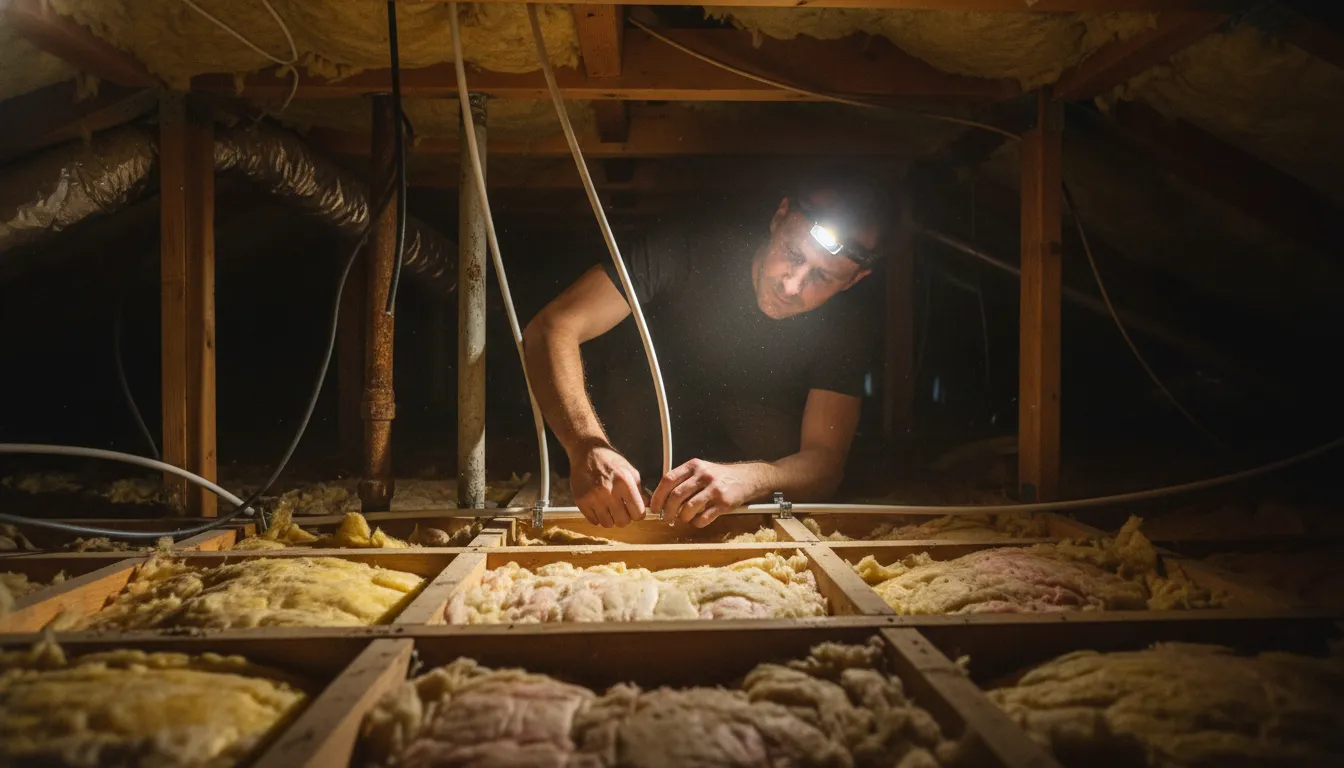
Find the Best Repiping Contractors for Your Business
No obligation • Fast responses • Nationwide coverage

Why you can trust Search a Plumber
Search a Plumber is a leading United States resource for finding and evaluating professional plumbing services. Our team researches licensing, experience, and customer feedback to create unbiased, fact-driven overviews. Companies cannot pay to change ratings or placement, ensuring homeowners get trustworthy information.
Search providers near you
Best Repiping Contractors in Hawaii Ranked
A full home repiping project is a significant but often necessary investment for homeowners in Hawaii. This process involves replacing all the old water supply and drain lines in your house with new, code-compliant piping. It's a major undertaking that addresses persistent issues like low water pressure, discolored water, and leaks that can lead to mold and structural damage. For Hawaii residents, understanding the local process, costs, and regulations is key to planning a successful project that protects your home's value and your family's health.
Roto-Rooter Plumbing & Water Cleanup
2106 Lauwiliwili St Ste 101j, Kapolei, HI 96707
Roto-Rooter Plumbing & Water Cleanup offers comprehensive residential and commercial plumbing services in Honolulu, HI. Their experienced team handles a wide range of plumbing needs, including sewer line inspections and repairs, water heater installation and repair, drain cleaning, leak detection, and gas line installation. They specialize in trenchless sewer repair and provide emergency plumbing services available 24/7 throughout the year. With expertise in floodwater cleanup and mold remediation, Roto-Rooter is equipped to manage urgent water damage situations efficiently. Serving Kapolei and surrounding communities, they combine local knowledge with advanced tools like hydro jetting to address plumbing challenges effectively.
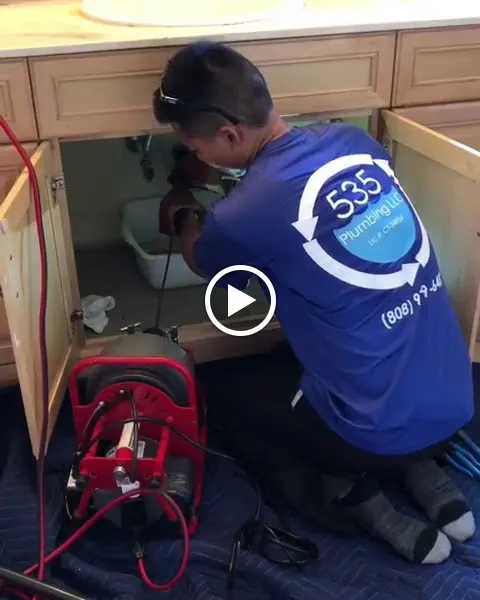
535 Plumbing LLC
1130 N Nimitz Hwy Suite B-180, Honolulu, HI 96817
535 Plumbing LLC is a family-owned plumbing company based in Honolulu, HI, serving residential, commercial, and new construction clients. Founded in 2015 by Shane Mizusawa, the company offers a wide range of services including water heater installation and repair, drain cleaning, sewer line repair, trenchless sewer repair, leak detection, repiping, and hydro jetting. They use advanced technology such as sewer camera inspections and pipe relining to diagnose and solve plumbing issues efficiently. 535 Plumbing is available every day, including holidays, and accommodates after-hours service requests to meet diverse scheduling needs.
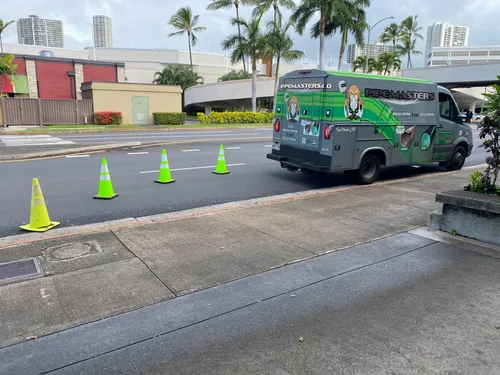
Pipe Masters LLC
820 W Hind Dr #240345, Honolulu, HI 96824
Pipe Masters LLC is a locally owned plumbing contractor serving Honolulu, HI, and the wider Oahu area, including outer islands. Established in 2008, they provide a wide range of plumbing services such as water heater repair and installation, drain cleaning, sewer line repair, trenchless sewer repair, leak detection, and repiping. The company uses advanced technologies including trenchless pipe replacement methods and electronic leak detection, and offers the only hot water hydro-jetting service in Hawaii. Pipe Masters also manages all necessary permits and ensures compliance with Honolulu's building codes, addressing the unique challenges posed by the island's climate and infrastructure. They provide emergency plumbing services with rapid response across Oahu.
Waialae Plumbing & Construction
825 Halekauwila St # D, Honolulu, HI 96813
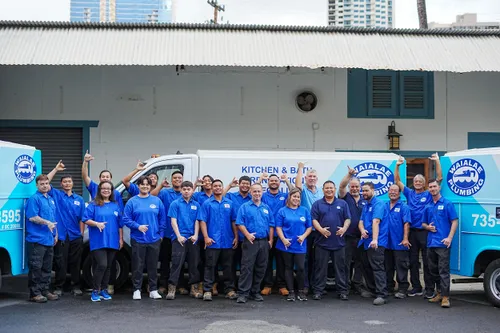
Waialae Plumbing & Construction has been serving Honolulu, HI, and the entire island of Oahu since 1994. They provide a wide range of plumbing services including sewer camera inspections, water heater repair and installation, sump pump repair, drain cleaning, sewer line repair, leak detection, repiping, and toilet repair. In addition to plumbing, they are a licensed general contractor offering renovation and new construction services, allowing them to coordinate plumbing work efficiently with construction projects. Their team is experienced in handling both residential and commercial jobs, and they utilize advanced diagnostic tools for leak detection and other plumbing needs. Waialae Plumbing & Construction operates during regular business hours and does not offer after-hours or emergency services.
Little Big Plumbing
Honolulu, HI
Little Big Plumbing serves residential and commercial clients in Honolulu, HI. The company offers a range of plumbing services including sewer camera inspections, drain cleaning, hydro jetting, leak detection, repiping, and toilet repairs. They provide specialized capabilities such as slab leak detection, thermal imaging, and solar water and photovoltaic system services. Known for combining local island service with the resources of a national supplier, Little Big Plumbing is a family-owned business with licensed plumbers. They hold endorsements from the Better Business Bureau and are members of the American Home Shield Network.
Why Repiping is Critical for Hawaii Homes
Many older homes across the Hawaiian Islands, from Oahu to the Big Island, still contain original plumbing systems. These often consist of galvanized steel or even aging copper pipes. Over decades, galvanized pipes corrode from the inside out, severely restricting water flow and contaminating your water with rust 1. Even copper pipes can develop pinhole leaks due to the islands' unique water chemistry and soil conditions. The signs you need a repipe are clear: multiple leaks in different locations, a persistent drop in water pressure, rust-colored water from your taps, or visible corrosion on pipe fittings. Addressing these issues with a full repipe, rather than continual spot repairs, provides a long-term solution that restores water quality and system reliability.
The Repiping Process: A Step-by-Step Overview
A professional repiping project is a multi-stage process designed to be as efficient and thorough as possible.
1. Initial Assessment and Planning A licensed plumber will conduct a comprehensive inspection of your current plumbing system. This involves checking water pressure, examining pipes in accessible areas like basements and crawl spaces, and using cameras if needed to assess drain lines. The goal is to map the entire existing system, identify all problem areas, and plan the new pipe layout for optimal performance 2.
2. Material Selection Choosing the right piping material is a crucial decision. The most common options today are:
- PEX (Cross-linked Polyethylene): A flexible, durable plastic tubing that is highly resistant to scale and chlorine. It's faster to install than rigid pipes, requires fewer fittings (reducing leak points), and is generally the most cost-effective option 3.
- Copper: The traditional, long-lasting metal option. Copper is durable and can handle high heat, but it is more expensive both in material and labor, and can be susceptible to pinhole leaks in certain water conditions.
- CPVC (Chlorinated Polyvinyl Chloride): A rigid plastic pipe often used for supply lines. It's less expensive than copper but more brittle than PEX and requires solvent welding for joints. Your plumber will discuss the pros, cons, and costs of each material in the context of your Hawaii home and local building codes.
3. Securing Permits and Scheduling In Hawaii, a repiping project almost always requires a permit from your local county building department (e.g., City and County of Honolulu, Hawaii County). Your plumbing contractor will handle this process, submitting plans that comply with the current Uniform Plumbing Code (UPC) and local amendments. The permit ensures the work is done safely and to standard, and it triggers the required inspections.
4. The Installation Phase This is the most disruptive part of the project. Technicians will need to create access points by opening sections of drywall, flooring, or ceiling to remove the old pipes and run the new ones. They will systematically replace all supply lines (hot and cold water) and often the main drain lines. For supply lines, a "home-run" system using a PEX manifold is popular, as it allows for individual shut-off valves for each fixture and can improve water pressure 4.
5. Inspection and Testing Once the new pipes are installed but before the walls are closed up, a rough-in inspection is required. A county inspector will check that the pipe materials, sizing, supports, and routing meet code. The plumber will also conduct a pressure test, pressurizing the new system to check for any leaks 5. After walls are patched, a final inspection is done to ensure everything is complete and operational.
6. Restoration and Cleanup After the plumbing passes inspection, the focus shifts to restoring your home. This involves patching drywall, repairing flooring, repainting, and a thorough cleanup to remove dust and debris. A reputable contractor will manage this restoration phase or coordinate with trusted subcontractors to return your home to its pre-project condition 6 7.
Find the perfect repiping contractors for your needs
Get personalized recommendations and expert advice
Understanding the Costs of Repiping in Hawaii
The cost to repipe a house in Hawaii varies widely based on home size, materials, and complexity. Nationally, projects can range from $1,500 to over $15,000, with Hawaii often trending toward the higher end due to labor costs and home specifics 8 9.
- Key Cost Factors:
- Home Size and Layout: A simple 1,000-square-foot, single-story home will cost significantly less than a multi-story 3,000-square-foot home with complex layouts and multiple bathrooms.
- Pipe Material: PEX is typically the most budget-friendly option. Copper repipes can cost two to three times more due to material prices and more labor-intensive installation 10.
- Extent of Work: Are you replacing supply lines only, or also drain/waste/vent (DWV) lines? Full-system repiping is more expensive.
- Access and Restoration: The cost of opening and repairing walls, especially with plaster or tile, adds substantially to the project total.
- Permits and Inspections: These are necessary line items in your quote from a licensed plumber.
Given the scale, it's wise to get multiple detailed estimates. A legitimate quote should break down material costs, labor, permit fees, and restoration allowances.
Hawaii-Specific Considerations and Permits
Repiping in Hawaii isn't just about swapping pipes. Local regulations are strict to protect safety and infrastructure.
- Permit Requirements: Permits are mandatory for repiping projects. Your plumber will pull the permit, which makes them responsible for ensuring code compliance. Working without a permit can lead to fines, problems during a future home sale, and invalidated warranties 11 12.
- Code Compliance: Hawaii follows the Uniform Plumbing Code with state and county amendments. These codes dictate everything from the type of pipe allowed in certain applications to how vents must be configured and how pipes must be supported.
- Island Logistics: On islands like Oahu, Maui, and Hawaii, project timelines can be influenced by material availability and inspector scheduling. Planning for some flexibility in the project schedule is prudent.
Preparing for the Project: Living Through a Repipe
A whole-house repipe is disruptive. Here's how to prepare:
- Plan for Water Outages: There will be periods without running water. Your plumber should provide a clear schedule.
- Consider Temporary Relocation: For large projects, especially in smaller homes, many families choose to stay with friends or in a hotel for a few days during the most intensive work.
- Clear the Work Areas: Move furniture, decorations, and valuables away from walls where access will be needed.
- Communicate: Maintain open communication with your project manager about the daily schedule and any concerns.
Frequently asked questions
Sources
Footnotes
-
What Is Repiping? A Comprehensive Guide | CPI Service - https://cpiservice.com/blog/what-is-repiping/ ↩
-
Everything You Need To Know About Repiping A House - https://www.raptorrooterplumbing.com/blog/2024/april/everything-you-need-to-know-about-repiping-a-hou/ ↩
-
What Is Involved in Repiping a House? - Apollo HVAC & Plumbing - https://gotoapollo.com/2024/03/06/what-is-involved-in-repiping-a-house/ ↩
-
Repipe Plumbing: What to Expect from Start to Finish - https://www.showtimeplumbingllc.co/repipe-plumbing-what-to-expect-from-start-to-finish ↩
-
What the Residential Repiping Process Involves - https://www.trmillerheatingandcooling.com/what-the-residential-repiping-process-involves/ ↩
-
Repiping a House | Signs You Need It & Cost Estimates - https://www.baethkeplumbing.com/blog/all/repiping-a-house-when-why-and-how-much-it-costs/ ↩
-
Pipe Repair vs. Repiping | How to Know When It's Time for a Repipe - https://stevehuffplumbing.com/pipe-repair-vs-repiping-guide/ ↩
-
How Much Does Repiping A House Cost | All Aloha Plumbing - https://allalohaplumbing.com/how-much-does-repiping-a-house-cost/ ↩
-
How Much Does It Cost to Repipe a House? [2026 Data] | Angi - https://www.angi.com/articles/cost-to-repipe-a-house.htm ↩
-
Repiping a House: What's Involved & How Much it Costs | R.J. Tilley - https://www.rjtilley.com/blog/2022/january/repiping-a-house-what-s-involved-how-much-it-cos/ ↩
-
How Much to Repipe a House: A Comprehensive Cost Guide - https://www.benjaminfranklinplumbing.com/league-city/blog/2024/december/how-much-to-repipe-a-house-a-comprehensive-cost-guide/ ↩
-
Repipe Permit: When Do You Need One? - Super Brothers - https://www.superbrothers.com/repipe-permit-when-do-you-need-one/ ↩