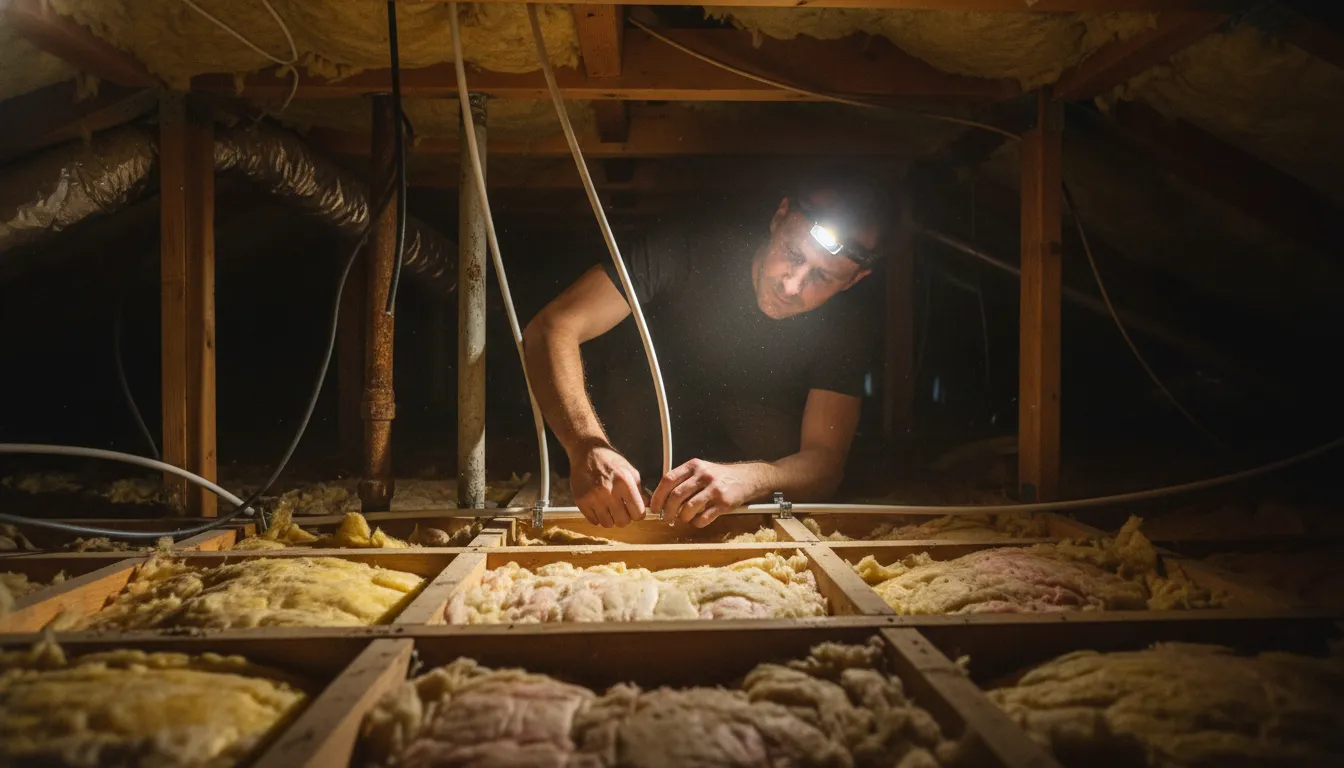
Find the Best Repiping Contractors for Your Business
No obligation • Fast responses • Nationwide coverage

Why you can trust Search a Plumber
Search a Plumber is a leading United States resource for finding and evaluating professional plumbing services. Our team researches licensing, experience, and customer feedback to create unbiased, fact-driven overviews. Companies cannot pay to change ratings or placement, ensuring homeowners get trustworthy information.
Search providers near you
Best Repiping Contractors in Nebraska Ranked
Replacing the aging water pipes throughout your home is a significant but often necessary project to ensure safe, reliable water for years to come. In Nebraska, repiping involves removing old, problematic materials like galvanized steel or lead and installing modern, durable piping systems. This guide explains the process, costs, and local regulations to help you understand what a full-house pipe replacement entails and how to find qualified professionals in your area to complete the work.
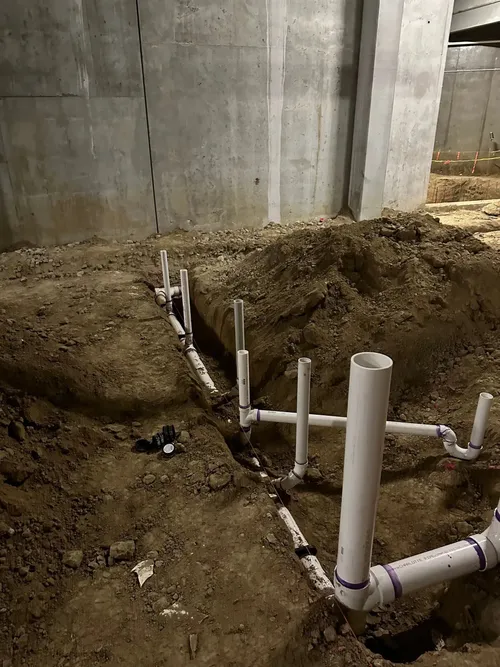
AX Plumbing
206 E 1st St, Papillion, NE 68046
AX Plumbing is a family-owned plumbing service provider based in Omaha, NE, serving Douglas and Sarpy County, as well as parts of Iowa. Since 2021, the company has offered a wide range of plumbing solutions for both residential and commercial properties, including leak detection, repiping, water heater installation and repair, drain cleaning, and sewer camera inspections. Their licensed and insured plumbers use advanced tools to handle projects of varying scope. AX Plumbing also provides 24/7 emergency service to address urgent plumbing needs promptly.
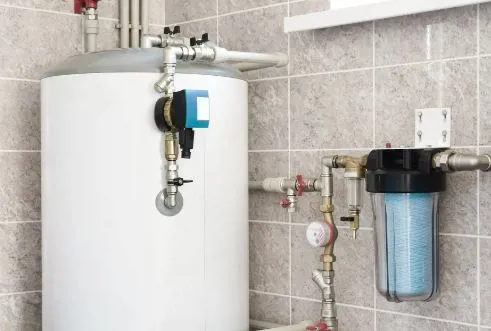
PlumbRite
4403 Florence Blvd, Omaha, NE 68110
PlumbRite is a licensed plumbing contractor serving Omaha, NE, offering a wide range of services including water heater repair and installation, water softener installation, sump pump repair, drain cleaning, sewer line repair, leak detection, repiping, and gas line installation. With over 20 years of experience, PlumbRite handles both residential and commercial plumbing needs, providing 24/7 emergency service to address urgent repairs. Their team includes skilled technicians who also teach at vocational schools, ensuring work is done accurately and up to code. The company also offers plumbing protection plans for ongoing maintenance and coverage.
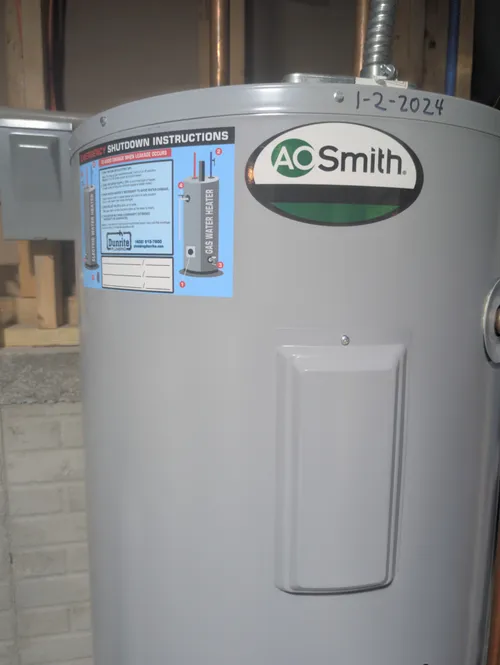
Dunrite Plumbing
Lincoln, NE
Dunrite Plumbing provides a range of plumbing and water conditioning services in Lincoln, NE. They handle clogged drains, water leaks, water heater repairs and installations, water softener setups, and sewer camera inspections. Their capabilities include hydro jetting for thorough drain cleaning and main line inspections. As an essential business, Dunrite Plumbing follows CDC guidelines for safe service delivery.
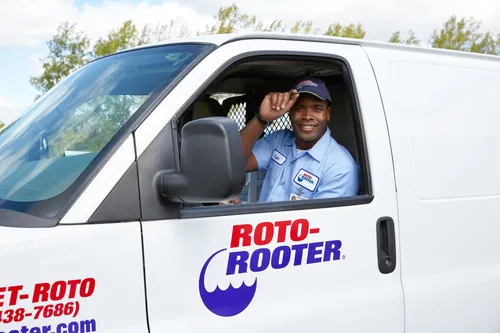
Roto-Rooter Plumbing & Water Cleanup
11515 S 39th St #103, Bellevue, NE 68123
Roto-Rooter Plumbing & Water Cleanup provides comprehensive plumbing, drain cleaning, and water cleanup services in Omaha, NE. They serve both residential and commercial clients, addressing issues such as sewer line repair, water heater installation and repair, leak detection, and hydro jetting. Their team uses advanced equipment and techniques, including trenchless sewer repair technology, to handle complex plumbing challenges. The company offers 24/7 emergency plumbing services to manage urgent situations like sewer backups and burst pipes. Roto-Rooter is fully licensed and insured, serving Omaha and surrounding counties in Nebraska and Iowa.
Mark's Plumbing
2045 S Folsom St Suite C, Lincoln, NE 68522
Mark's Plumbing is a locally owned plumbing company serving Lincoln, NE. Since 1998, they have provided a range of plumbing services including water heater repair and installation, water softener installation, sewer line repair, repiping, and garbage disposal repair. The company offers same-day service and backs their work with a 2-year workmanship warranty. Their expertise includes water line and sewer line repair and replacement, ensuring reliable solutions for residential plumbing needs.
Why Consider a Whole-House Repipe?
Your home's plumbing is its circulatory system, and over time, pipes can deteriorate. Common signs you might need a repipe include persistent leaks, discolored water, a noticeable drop in water pressure, or the presence of outdated materials known to fail or pose health risks. In Nebraska, many older homes built before the 1970s may still have galvanized steel pipes, which are prone to internal corrosion and rust buildup that restricts water flow. More critically, some very old homes might have lead supply lines, which Nebraska plumbing codes now prohibit due to the serious health risks of lead leaching into drinking water. A complete repipe is the definitive solution, eliminating recurring repair bills and safeguarding your family's health with a new, code-compliant system.
The Repiping Process: Step by Step
A professional whole-house repipe is a multi-stage project designed to minimize disruption while delivering a long-lasting result. Here's what you can typically expect.
1. Initial Assessment and Planning
The process begins with a thorough inspection by a licensed plumber. They will assess the condition of your existing pipes, identify the materials, and map out the home's plumbing layout. This is when you'll discuss material options-primarily cross-linked polyethylene (PEX) or copper-and receive a detailed project quote. The plumber will also identify any local code requirements and outline the necessary permits.
2. Preparation and Access
Since water lines run inside walls, under floors, and through ceilings, strategic access points must be created. A professional crew will carefully open sections of drywall or flooring to reach the old pipe network. The goal is to be as minimally invasive as possible, often using existing access points like utility closets or creating small, strategic openings that are easier to repair later.
3. Removal of Old Pipes and Installation of New
The old supply and drain lines are carefully disconnected and removed. The crew then installs the new piping system. Modern installations often use a "home-run" or manifold system with PEX, where a single line runs from a central manifold to each fixture, reducing connections and potential leak points. For copper, skilled soldering ensures watertight joints. This phase is the core of the project, where your home's plumbing is entirely renewed 1 2.
4. System Testing and Inspection
Before closing up the walls, the new system is rigorously tested. This involves pressure testing to check for leaks and verifying proper water flow at every fixture. In Nebraska, a local building inspector will typically need to visit to approve the work, ensuring it meets all state and municipal plumbing codes. Your plumbing contractor will coordinate this required inspection 3.
5. Restoration and Cleanup
Once the system passes inspection, the restoration phase begins. The openings made in your walls and ceilings are patched, textured, and primed for painting. A reputable crew will leave your home clean, with all fixtures reinstalled and functioning, and will often provide guidance on finishing the paint or flooring repairs 4.
Find the perfect repiping contractors for your needs
Get personalized recommendations and expert advice
Approved Materials and Nebraska Code Compliance
Adhering to local codes is not just a legal formality; it's a critical component of safety and system longevity. Nebraska follows strict guidelines to protect homeowners.
- Prohibited Materials: The use of lead pipe for potable water distribution is banned due to its toxicity. Galvanized steel pipe, while not banned, is considered obsolete because it rusts from the inside out, leading to poor water quality and eventual failure. A repipe project will always remove these materials.
- Approved Materials: The two most common and approved materials for repiping in Nebraska are:
- Copper: A traditional, durable material with a long lifespan. It is resistant to corrosion and can handle high heat, making it excellent for both hot and cold water lines. The primary drawback is higher material cost and the need for skilled soldering.
- PEX (Cross-linked Polyethylene): This flexible, plastic tubing has become extremely popular. It's less expensive than copper, resistant to scale and chlorine, and doesn't corrode. Its flexibility allows for faster installation with fewer fittings, which can reduce labor costs and potential leak points 5 6.
- Permits and Inspections: A repiping project almost always requires a permit from your local city or county building department. Your licensed plumbing contractor will usually pull this permit on your behalf. The mandatory inspection that follows ensures the installation is safe, properly supported, and will function reliably, protecting your investment 7.
Understanding Repiping Costs in Nebraska
The cost to repipe a house in Nebraska varies widely based on several key factors. It's a significant investment in your property, with most whole-home projects ranging from $4,000 to over $35,0008 9.
Primary Cost Factors:
- Home Size and Number of Fixtures: A larger home with more bathrooms, kitchens, and laundry hookups requires more piping and labor. This is the single biggest cost driver.
- Pipe Material: As noted, PEX is generally less expensive for materials than copper. However, the final price difference also depends on labor efficiency and market prices for metals.
- Labor and Accessibility: Complex layouts, multi-story homes, or difficult-to-access pipe runs (like in concrete slabs) increase labor time and cost. The extent of wall and ceiling restoration needed also affects the final bill.
- Local Permit Fees: These vary by municipality but are a standard part of the project budget.
Cost Estimates: To provide a general frame of reference, industry guides often break down costs by home size 10 11 12:
- Small Home (1-2 bathrooms): $5,500 - $11,000
- Medium Home (3-4 bathrooms): $7,500 - $17,500
- Large Home (4+ bathrooms): $15,000 - $35,000+
These are estimates, and your specific quote will depend on a detailed assessment of your home. Always get multiple detailed, written estimates from licensed and insured plumbing contractors.
Choosing the Right Professional for the Job
Given the scale of a repipe, selecting the right contractor is crucial.
- Verify Licensing and Insurance: Ensure the plumber holds a current Nebraska state license and carries both liability and worker's compensation insurance.
- Check References and Reviews: Look for companies with a strong local reputation and ask for references from past repiping clients.
- Get Detailed, Written Estimates: A professional quote should itemize costs for materials, labor, permits, and restoration. It should also specify the brand and type of pipe to be used.
- Understand the Timeline and Process: A reputable contractor will clearly explain the project steps, daily schedule, and how they will manage dust and debris to keep your home livable.
A successful repiping project modernizes your home's infrastructure, eliminates the headaches of old plumbing, and provides peace of mind with a safe, efficient water system built to last for decades.
Frequently asked questions
Sources
Footnotes
-
Pipe Repair vs. Repiping | How to Know When It's Time for a Repipe - https://stevehuffplumbing.com/pipe-repair-vs-repiping-guide/ ↩
-
Everything You Need To Know About Repiping A House - https://www.raptorrooterplumbing.com/blog/2024/april/everything-you-need-to-know-about-repiping-a-hou/ ↩
-
Repiping a House | Signs You Need It & Cost Estimates - https://www.baethkeplumbing.com/blog/all/repiping-a-house-when-why-and-how-much-it-costs/ ↩
-
What the Residential Repiping Process Involves - https://www.trmillerheatingandcooling.com/what-the-residential-repiping-process-involves/ ↩
-
Piping & Repiping in Nebraska - Snell Services - https://www.snellservices.com/plumbing-services/piping-repiping/ ↩
-
What Is Repiping? A Comprehensive Guide | CPI Service - https://cpiservice.com/blog/what-is-repiping/ ↩
-
Plumbing Code for Older Homes in Nebraska: Safety Q&A Guide - https://www.justanswer.com/plumbing/379ar-process-buying-older-home-find.html ↩
-
Repiping a House: What's Involved & How Much it Costs - https://www.rjtilley.com/blog/2022/january/repiping-a-house-what-s-involved-how-much-it-cos/ ↩
-
How Much Does Repiping A House Cost | All Aloha Plumbing - https://allalohaplumbing.com/how-much-does-repiping-a-house-cost/ ↩
-
How Much to Repipe a House: Understanding Costs and Factors - https://www.benjaminfranklinplumbing.com/league-city/blog/2025/march/how-much-to-repipe-a-house-understanding-costs-and-factors/ ↩
-
How Much to Repipe a House? - Reliant Plumbing - https://reliantplumbing.com/plumbing/pipe-repairs/whole-house-repipe-cost/ ↩
-
How Much to Repipe a House: A Comprehensive Cost Guide - https://www.benjaminfranklinplumbing.com/league-city/blog/2024/december/how-much-to-repipe-a-house-a-comprehensive-cost-guide/ ↩