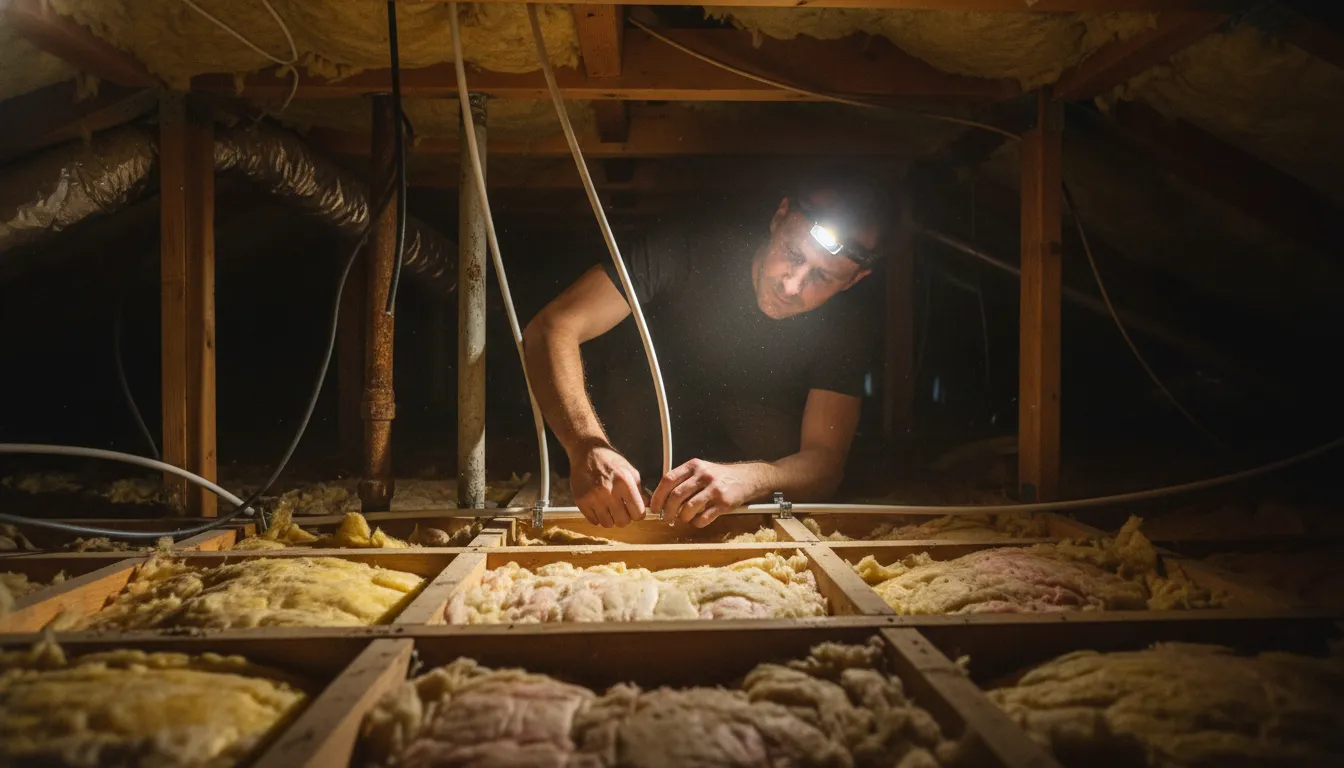
Find the Best Repiping Contractors for Your Business
No obligation • Fast responses • Nationwide coverage

Why you can trust Search a Plumber
Search a Plumber is a leading United States resource for finding and evaluating professional plumbing services. Our team researches licensing, experience, and customer feedback to create unbiased, fact-driven overviews. Companies cannot pay to change ratings or placement, ensuring homeowners get trustworthy information.
Search providers near you
Best Repiping Contractors in Pennsylvania Ranked
Repiping is the comprehensive process of replacing a home's old, failing water supply and drain lines with new, modern piping. In Pennsylvania, where many homes have decades-old plumbing, this service is crucial for ensuring safe drinking water, reliable water pressure, and preventing catastrophic leaks. If your home shows signs of failing pipes, understanding the process, costs, and local requirements can help you make an informed decision and connect with qualified professionals to handle the job.
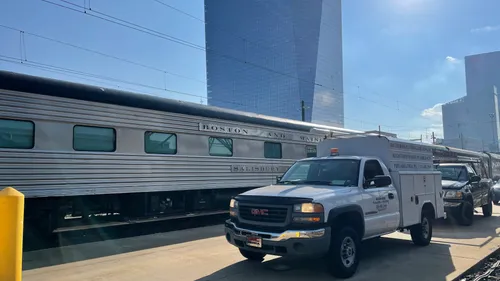
Roger Ross Plumbing & Heating, Inc
Storefront, 4260 Manayunk Ave, Philadelphia, PA 19128
Roger Ross Plumbing & Heating, Inc serves Philadelphia, PA, specializing in leak detection and repiping services. The company is experienced in handling pipe repairs and replacements, particularly in the historic buildings of Northwest Philadelphia. Their licensed team works with both residential and commercial clients to maintain proper plumbing and heating function. Roger Ross Plumbing & Heating is known for its hands-on approach and local expertise in pipe care.
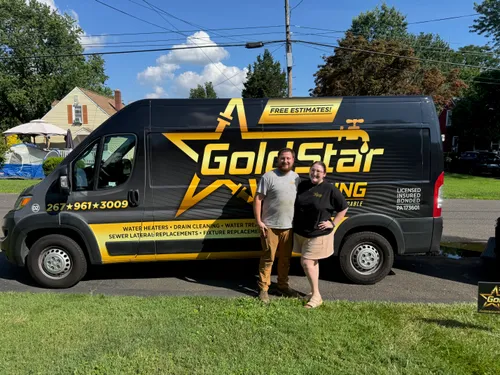
Gold Star Plumbing, LLC
Philadelphia, PA
Gold Star Plumbing, LLC is a family-owned plumbing company serving Philadelphia, PA, and the surrounding Bucks and Montgomery Counties. They provide a wide range of residential plumbing services including water heater installation and repair, drain cleaning, sewer line repair, leak detection, sump pump repair, and bathroom remodeling. The team is experienced in handling mid-century plumbing upgrades and modern fixture installations with attention to local codes and seasonal needs. With over 300 families served near York Road, Jacksonville Road, and Pennypack Creek, Gold Star Plumbing emphasizes transparent pricing, clean workmanship, and respectful scheduling to minimize disruption during projects.
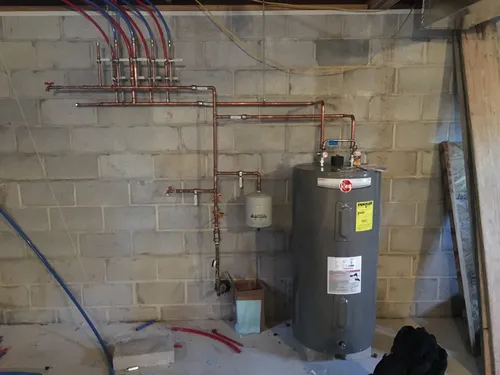
Scarpignato Plumbing & Heating, LLC
507 Hastings Ave, Wallingford, PA 19086
Scarpignato Plumbing & Heating, LLC is a family-owned plumbing and heating company serving Philadelphia, PA, and nearby Delaware County communities since 2000. They offer a wide range of services including sewer camera inspections, water heater installation and repair, drain cleaning, hydro jetting, trenchless sewer repair, leak detection, repiping, gas line installation, and general plumbing maintenance. The company uses advanced equipment such as video camera inspection tools and trenchless pipe repair technology to handle complex plumbing issues efficiently. Owner Michael Scarpignato is a licensed master plumber with over 25 years of experience, ensuring expert service and multiple repair options tailored to customer needs. Emergency plumbing services are also available for urgent situations.
East Philly plumbing & heating llc
Philadelphia, PA
East Philly Plumbing & Heating LLC provides plumbing and heating services in Philadelphia, PA, including water heater repair and installation, leak detection, and repiping. They serve Philadelphia, Montgomery County, Delaware County, and parts of New Jersey. The company offers 24/7 emergency plumbing services and is equipped to handle both minor repairs and major installations. Their team is experienced in addressing a range of plumbing issues with prompt and thorough assessments. East Philly Plumbing & Heating LLC is a family-owned business with a strong local presence and a commitment to customer satisfaction.
Air Temp Solutions - AC Repair, Heating Repair, Water Heater Repair & Plumbing Devon PA
Philadelphia, PA
Air Temp Solutions - AC Repair, Heating Repair, Water Heater Repair & Plumbing Devon PA provides a wide range of plumbing and HVAC services in Philadelphia, PA. Their offerings include water heater installation and repair, tankless water heater services, water softener installation, sump pump repair, drain cleaning, hydro jetting, sewer line repair including trenchless methods, leak detection, repiping, gas line installation, and toilet repair. They also specialize in advanced sewer services such as video inspections and rooter services to diagnose and clear blockages efficiently. The company serves Philadelphia and nearby areas with comprehensive solutions for both routine maintenance and emergency repairs. Air Temp Solutions combines plumbing expertise with heating and cooling services, handling everything from furnace and boiler repairs to geothermal and mini-split system installations. Their team uses modern technology for leak detection and sewer inspections, and they offer trenchless sewer repairs that minimize property disruption. While the business history is not specified, their service range and technical capabilities reflect a broad skill set in residential plumbing and HVAC systems.
Why Pennsylvania Homes Often Need Repiping
Pennsylvania's housing stock includes many historic and older homes, which frequently contain plumbing materials that are now considered problematic or even hazardous. The primary culprits necessitating a full repipe include:
- Lead Pipes: Common in homes built before 1930, lead service lines and solder can leach into drinking water, posing serious health risks, especially to children and pregnant women.
- Galvanized Steel: Used extensively from the early 1900s through the 1960s, these iron pipes coated in zinc are prone to severe internal corrosion and rust buildup. This drastically reduces water flow and pressure and can lead to brown, discolored water.
- Polybutylene (PB) and Kitec Piping: These plastic pipes, installed between the 1970s and 1990s, are now known to become brittle and prone to sudden failure or bursting, often without warning.
Beyond material failure, frequent pinhole leaks, inconsistent water pressure, and visible corrosion on pipe joints are strong indicators that a spot repair is no longer sufficient and a whole-house repiping project is the most reliable long-term solution.
The Standard Repiping Process: What to Expect
A professional whole-house repipe is a multi-stage project designed to minimize disruption while ensuring a durable, code-compliant result.
- Comprehensive Assessment: A licensed plumber will conduct a thorough inspection of your existing plumbing system. This involves identifying all pipe materials, mapping the current layout, and diagnosing the extent of corrosion or damage to confirm that repiping is necessary.
- Planning and Preparation: Your plumber will discuss the new pipe material options (like PEX or copper), create a new piping plan, and apply for any required local permits. You'll receive a detailed project scope and schedule. Homeowner preparation typically involves clearing out cabinets and work areas and planning for temporary water access.
- Access and Demolition: To reach the old pipes, controlled openings are made in walls, ceilings, and sometimes floors. Plumbers aim to be as minimally invasive as possible, but some demolition is unavoidable when pipes are hidden behind finished surfaces.
- Removal and Installation: The old supply lines (for hot and cold water) and often the drain, waste, and vent (DWV) lines are removed. New pipes are then installed according to the new plan. This stage includes securing all new piping with proper supports and connecting them to the main water line and each fixture.
- Pressure Testing and Inspection: Before walls are closed up, the new system is pressurized to test for leaks. A municipal inspector will typically visit to approve the "rough-in" work, ensuring it meets all code requirements.
- System Flush and Fixture Reconnection: Once the pipes pass inspection, the system is thoroughly flushed to remove any debris. Your plumber will then reconnect all sinks, toilets, showers, and appliances.
- Wall Restoration and Cleanup: The plumbing contractor will patch the access holes with drywall. However, the final cosmetic work-such as texturing, sanding, and painting-is usually the homeowner's responsibility to arrange, as it falls outside standard plumbing services.
Find the perfect repiping contractors for your needs
Get personalized recommendations and expert advice
Understanding Repiping Costs in Pennsylvania
The total cost for repiping a home in Pennsylvania varies widely based on several key factors. Homeowners can expect a general range from $4,000 for a small home with economical materials to over $20,000 for a large residence with premium piping1.
- Home Size and Layout: The square footage and number of bathrooms/kitchens directly correlate with the amount of pipe and labor required. Multi-story homes and those with complex layouts are more expensive to repipe.
- Pipe Material Choice: This is a major cost driver.
- PEX (Cross-linked Polyethylene): The most popular modern choice. It's flexible, resistant to scale and corrosion, and typically costs between $0.50 to $2.00 per linear foot for materials. Installation is often faster, reducing labor costs 2.
- Labor and Accessibility: Labor rates in your region and the ease of access to existing pipes significantly impact the price. Extensive wall and floor demolition increases project time and cost5.
- Permits and Inspections: Permit fees, which vary by municipality, and the cost of required inspections are part of the overall project budget6.
Pennsylvania Codes, Permits, and Inspections
All repiping work in Pennsylvania must comply with the state's Uniform Construction Code (UCC), which adopts the International Plumbing Code (IPC) and any local amendments.
- Permits Are Mandatory: A plumbing permit is required for any major repiping project. Reputable plumbing contractors will typically pull this permit on your behalf, as it legally holds them responsible for code compliance.
- Critical Inspections: The permit triggers mandatory inspections by your local building department. The most common are the rough-in inspection (after new pipes are installed but before walls are closed) and the final inspection (after the system is fully operational). Inspectors verify proper pipe sizing, support, venting, and leak-free connections7 8.
- Code Highlights for Repiping: Key code aspects include proper slope on drain lines, adequate venting to prevent sewer gases, maintaining required distances between hot and cold lines, and using approved materials for potable water.
Benefits and Important Considerations
Investing in a whole-house repipe offers long-term advantages but requires careful planning.
Key Benefits:
- Health and Safety: Eliminates the risk of lead or corrosion contamination in your drinking water 9.
- Improved Performance: Restores strong, consistent water pressure and flow to all fixtures10.
- Preventative Protection: Drastically reduces the risk of sudden leaks, water damage, and costly emergency repairs11 12.
- Increased Home Value: Modern, reliable plumbing is a valuable asset and a positive point for future home inspections.
Homeowner Considerations:
- Project Disruption: Repiping is invasive. Be prepared for workers in your home, noise, dust, and temporary loss of water service during the workday. Clear communication with your plumber about the daily schedule helps manage expectations13 14.
- Post-Project Restoration: Understand what wall and ceiling repairs are included in your plumbing quote. Budgeting separately for final painting and finishing is advisable15.
- Choosing a Contractor: Always select a licensed, insured plumber with specific experience in whole-house repiping. Check for references, verify they will handle permits, and ensure the quote is detailed and in writing.
Frequently asked questions
Sources
Footnotes
-
3 Signs Your Home Needs to be Completely Repiped - Scaran - https://www.scaran.com/blog/plumbing-service/3-signs-your-home-needs-to-be-completely-repiped/ ↩
-
How Much to Repipe a House: Understanding Costs and Factors - https://www.benjaminfranklinplumbing.com/league-city/blog/2025/march/how-much-to-repipe-a-house-understanding-costs-and-factors/ ↩
-
Repiping a House: What's Involved & How Much it Costs - https://www.rjtilley.com/blog/2022/january/repiping-a-house-what-s-involved-how-much-it-cos/ ↩
-
How Much to Repipe a House: A Comprehensive Cost Guide - https://www.benjaminfranklinplumbing.com/league-city/blog/2024/december/how-much-to-repipe-a-house-a-comprehensive-cost-guide/ ↩
-
Repiping a House | Signs You Need It & Cost Estimates - https://www.baethkeplumbing.com/blog/all/repiping-a-house-when-why-and-how-much-it-costs/ ↩
-
Do You Need A Permit For A Bathroom Remodel In Pennsylvania? - https://www.aeroenergy.com/do-you-need-a-permit-for-a-bathroom-remodel-in-pennsylvania/ ↩
-
What the Residential Repiping Process Involves - https://www.trmillerheatingandcooling.com/what-the-residential-repiping-process-involves/ ↩
-
Residential Repiping: The Ultimate Guide - https://www.superbrothers.com/residential-repiping-the-ultimate-guide/ ↩
-
What Is Repiping? A Comprehensive Guide | CPI Service - https://cpiservice.com/blog/what-is-repiping/ ↩
-
Whole House Repiping Services In Montgomery County, PA - https://www.longacreco.com/plumbing/whole-house-repiping/ ↩
-
How Often Do Homes Need to be Repiped? - https://pompanobenjaminfranklin.com/homes-need-to-be-repiped/ ↩
-
Pipe Repair vs. Repiping | How to Know When It's Time for a Repipe - https://stevehuffplumbing.com/pipe-repair-vs-repiping-guide/ ↩
-
What Is Involved With Repiping A House? - HELP Plumbing - https://333help.com/blog/what-is-involved-with-repiping-a-house/ ↩
-
What Is Involved in Repiping a House? - Apollo HVAC & Plumbing - https://gotoapollo.com/2024/03/06/what-is-involved-in-repiping-a-house/ ↩
-
Everything You Need To Know About Repiping A House - https://www.raptorrooterplumbing.com/blog/2024/april/everything-you-need-to-know-about-repiping-a-hou/ ↩