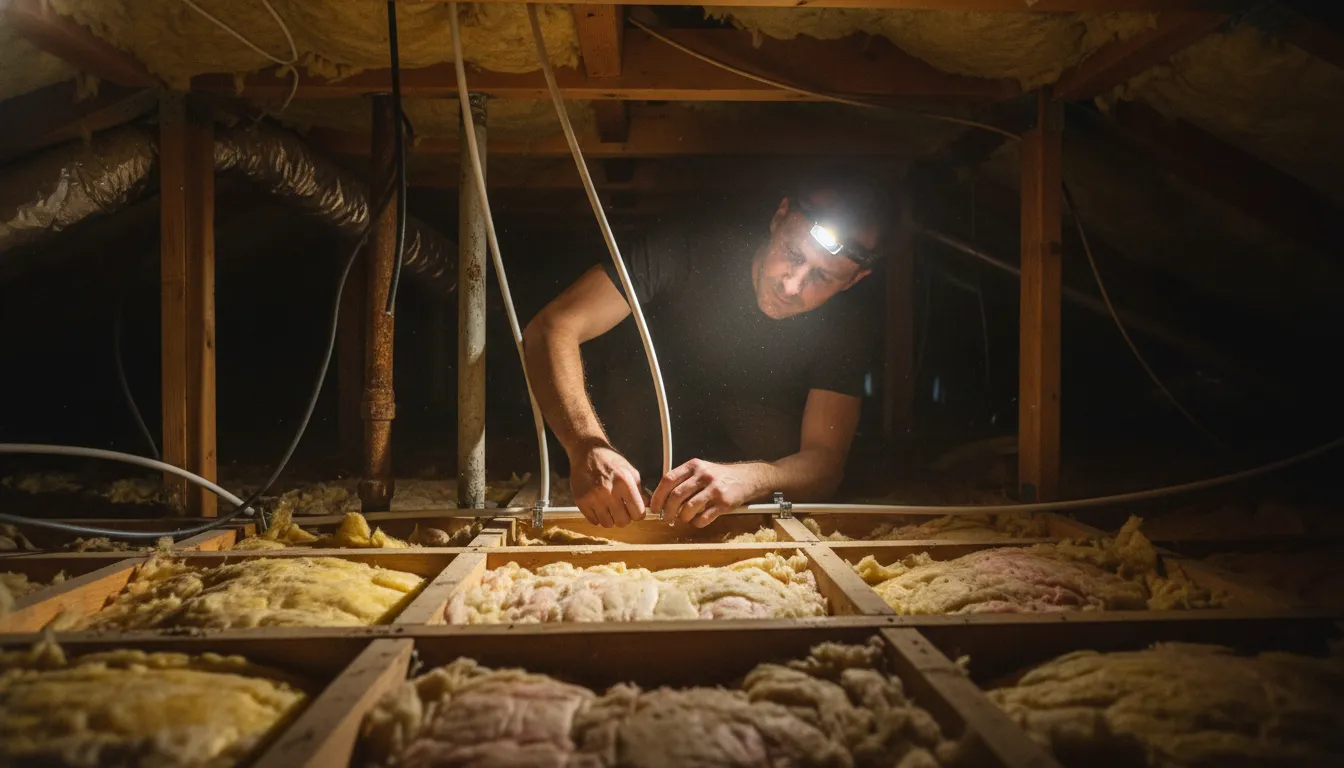
Find the Best Repiping Contractors for Your Business
No obligation • Fast responses • Nationwide coverage

Why you can trust Search a Plumber
Search a Plumber is a leading United States resource for finding and evaluating professional plumbing services. Our team researches licensing, experience, and customer feedback to create unbiased, fact-driven overviews. Companies cannot pay to change ratings or placement, ensuring homeowners get trustworthy information.
Search providers near you
Best Repiping Contractors in New Jersey Ranked
Repiping is the comprehensive process of replacing a home's entire network of water supply pipes. In New Jersey, this is a critical service for older homes with aging, corroded, or hazardous plumbing materials like lead or galvanized steel. A full repipe modernizes your plumbing system with durable materials like PEX or copper, improving water quality, pressure, and safety. This guide explains the process, local requirements, and costs to help you make an informed decision and connect with qualified professionals for your project.
Lesco Plumbing, Heating & Cooling
Newark, NJ
Lesco Plumbing, Heating & Cooling is a plumbing and HVAC company based in Newark, NJ, serving Northern New Jersey including Morris, Essex, Passaic, and Union counties. They provide a range of services such as water heater repair and installation, drain cleaning, sewer line repair, leak detection, repiping, and gas line installation. Established in 2003, Lesco Plumbing, Heating & Cooling has over 20 years of experience in the industry. They also offer HVAC services including furnace and air conditioner repair and replacement.
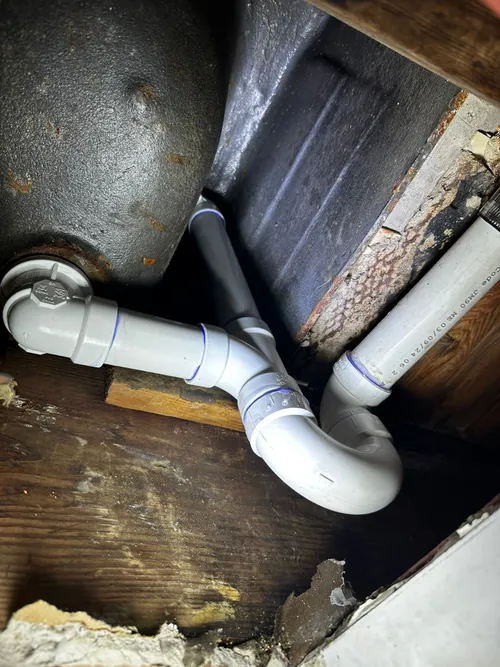
Masters Plumbing NJ
109 W 9th Ave, Roselle, NJ 07203
Masters Plumbing NJ is a locally owned plumbing and HVAC company serving Newark, NJ, and the broader North Jersey area. Founded in 2010 by two brothers, the company offers a wide range of services including water heater repair and installation, sump pump repair, drain cleaning, sewer line repair, repiping, and toilet repair. They specialize in hydro jetting to clear tough clogs and maintain clean pipes. Masters Plumbing NJ provides 24/7 emergency services, ensuring help is available any time of day or night for urgent plumbing and HVAC needs.
Barolli Plumbing and Heating Inc.
9014 4th Ave, Brooklyn, NY 11209
Barolli Plumbing and Heating Inc. is a plumbing and heating contractor serving Jersey City, NJ, with over 20 years of experience. They provide residential and commercial plumbing services including sewer camera inspections, drain cleaning, water heater repair and installation, tankless water heaters, repiping, and gas line installation. Their capabilities include main sewer snaking and camera inspections as well as installation of high-efficiency heating systems. Barolli Plumbing supports projects from product selection through design and project management, ensuring a comprehensive approach.
Draper Plumbing Services
799 Bloomfield Ave suite 893, Verona, NJ 07044
Draper Plumbing Services is a licensed and insured plumbing company serving Newark, NJ, with over a decade of experience. They offer a wide range of services including sewer camera inspections, water heater installation and repair, sump pump repair, drain cleaning, hydro jetting, sewer line repair, trenchless sewer repair, leak detection, and repiping. Their certified technicians use advanced diagnostic tools such as camera inspections and acoustic leak detectors to efficiently identify plumbing issues. Draper Plumbing Services provides 24/7 emergency plumbing services and backs their work with a one-year labor warranty and manufacturer warranties on parts.

Toro Plumbing and Mechanical, LLC
591 Valley St, City of Orange, NJ 07050
Toro Plumbing and Mechanical, LLC is a plumbing and heating service provider based in Newark, NJ. They specialize in water heater installation and repair, steam heat troubleshooting, boiler replacement, and gas line installation. The company also handles water softener installation, sump pump repair, repiping, and oil to gas conversions. With decades of experience dating back to the 1970s, Toro Plumbing and Mechanical has expertise in servicing older homes and multi-unit buildings, particularly with radiator-based heating systems. They emphasize annual boiler maintenance to ensure safety and efficiency.
Understanding the Need for Repiping in NJ Homes
Many New Jersey communities are home to historic properties with original plumbing systems that have exceeded their lifespan. Over time, pipes can deteriorate from the inside out, leading to a host of problems. Common signs that your home may need repiping include persistent low water pressure, discolored water (often brown or yellow), frequent leaks, and evidence of corrosion on pipe fittings. In homes built before 1986, there is also a risk of lead pipes or lead-based solder, which can pose serious health risks. Replacing these outdated systems is not just a home improvement; it's an investment in your property's value and your family's well-being.
The Repiping Process: A Step-by-Step Overview
A professional whole-house repiping project is a significant undertaking that follows a structured sequence to ensure quality and compliance.
- Assessment and Planning: A licensed plumber will conduct a thorough inspection of your existing plumbing to identify the pipe materials, map the layout, and pinpoint problem areas. This stage includes planning the new pipe routes and selecting the best material for your home and budget.
- Securing Permits: In New Jersey, a repiping project almost always requires a plumbing permit from your local municipal construction office. Your plumbing professional will typically handle this, submitting the necessary diagrams and state-mandated Uniform Construction Code (UCC) forms 1.
- Gaining Access: To remove old pipes and install new ones, controlled access points must be created in walls, ceilings, or floors. Experienced technicians work to minimize disruption and protect your home's finishes.
- Removal and Installation: The old piping system is carefully removed. The new piping, either PEX (cross-linked polyethylene) or copper, is then run through the open spaces and connected to the main water line and each fixture (sinks, toilets, showers, etc.) 2 3.
- Pressure Testing and Inspection: Before closing up walls, the new system is rigorously pressure-tested to check for leaks. A municipal inspector will then visit to ensure the installation meets all state and local plumbing codes.
- System Flush and Restoration: After passing inspection, the system is flushed to clear any debris. Finally, all access points are patched, and walls and ceilings are restored to their original condition.
Choosing Between PEX and Copper Piping
The two primary materials used in modern repiping projects are PEX and copper, each with distinct advantages.
- PEX Piping: This flexible, plastic tubing has become immensely popular for repiping. It is resistant to scale and chlorine, won't corrode, and is less expensive than copper. Its flexibility allows for faster installation with fewer fittings, which can reduce labor costs. PEX is also quieter than metal pipes and performs well in freezing conditions due to its ability to expand.
- Copper Piping: The traditional choice, copper is known for its long-term durability, heat tolerance, and natural resistance to bacteria. It has a proven track record of lasting 50 years or more. However, copper is more expensive both in material cost and installation labor, as it requires soldering at each joint. It can also be susceptible to corrosion from acidic water or external soil conditions.
Your plumber can advise on the best material based on your home's specific conditions, local water chemistry, and budget.
Navigating New Jersey Permits and Inspections
Compliance with New Jersey's Uniform Construction Code is non-negotiable for a repiping project. The permit process is designed to ensure the work is done safely and to standard. Your plumbing contractor will typically manage this process, which involves:
- Application: Submitting detailed plumbing plans and a completed permit application (often form UCC-F100) to your town's construction or code enforcement office.
- Plumbing Subcode: Specifically, the work falls under the Plumbing Subcode, requiring the appropriate technical forms (like UCC-F130) 4.
- Required Inspections: The local building inspector will schedule one or more inspections. A rough-in inspection of the open piping is common before walls are closed, and a final inspection is required to approve the completed system 5.
Never hire a contractor who suggests skipping permits; it can lead to fines, unsafe conditions, and major problems when you sell your home.
Find the perfect repiping contractors for your needs
Get personalized recommendations and expert advice
Factors Influencing Repiping Costs in New Jersey
The total cost of a repiping project in New Jersey is not a flat fee; it varies based on several key factors 6:
- Home Size and Layout: The total number of fixtures (bathrooms, kitchen, laundry) and the square footage of the home are the primary cost drivers. A multi-story home with complex layouts will cost more than a simple ranch.
- Pipe Material: As noted, choosing PEX can be roughly half the material cost of copper, leading to significant savings on larger projects.
- Accessibility: If pipes are easily accessible in an unfinished basement or crawlspace, costs are lower. Homes built on a concrete slab foundation require more invasive techniques to run new lines, increasing labor time and expense.
- Extent of Restoration: The cost to repair drywall, plaster, tile, and other finishes after the plumbing work is complete can add substantially to the bill.
Estimated Cost Ranges for New Jersey Homes
While every project is unique, you can expect the following general price ranges for a full-house repipe in New Jersey, including professional installation, materials, and basic restoration 7 8:
- Small Home (e.g., 1,000 sq ft, 1-2 bathrooms): $4,500 - $7,000+ (often using PEX for cost-efficiency).
- Medium Home (e.g., 1,500 sq ft, 2-3 bathrooms): $8,000 - $12,000+ (varies significantly between PEX and copper).
- Large Home (e.g., 2,500+ sq ft, 3+ bathrooms): $11,000 - $15,000+ and can exceed this for very large or complex homes.
Always obtain detailed, written estimates from multiple licensed plumbers that break down material costs, labor, permit fees, and restoration.
The Long-Term Benefits of Repiping
While the upfront investment is considerable, the benefits of a new plumbing system are substantial and long-lasting:
- Improved Water Quality and Safety: Eliminate rust, corrosion, and the risk of lead contamination for cleaner, safer water.
- Reliable Water Pressure: Enjoy strong, consistent water flow at every fixture, even when multiple are in use.
- Reduced Risk of Leaks: Modern materials and a new installation drastically lower the chance of catastrophic leaks inside walls.
- Increased Home Value: A updated, problem-free plumbing system is a strong selling point and can increase your property's marketability.
- Peace of Mind: Know that your home's critical infrastructure is safe, reliable, and built to modern standards.
Finding a Qualified Professional
Given the complexity and importance of a repiping project, selecting the right contractor is crucial. Look for a plumber who is licensed and insured in New Jersey, has specific experience with whole-house repiping, and can provide references from past repipe clients. They should be willing to walk you through their plan, explain the permit process, and provide a clear, detailed contract.
Frequently asked questions
Sources
Footnotes
-
How Much to Repipe a House: A Comprehensive Cost Guide - https://www.benjaminfranklinplumbing.com/league-city/blog/2024/december/how-much-to-repipe-a-house-a-comprehensive-cost-guide/ ↩
-
Repiping Services in Newark, NJ - https://www.goldmedalservice.com/plumbing/sewer-water-line/repiping/ ↩
-
What is Involved in Repiping a House? - https://www.callswan.com/a-quick-guide-to-repiping-your-home ↩
-
New Jersey Plumbing Permit Guide - PermitFlow - https://www.permitflow.com/blog/plumbing-permit-nj ↩
-
Whole-House Repiping Services in South Jersey & Mercer County - https://www.profgatsby.com/plumbing/sewer-water-line-services/repiping/ ↩
-
What Is Repiping? A Comprehensive Guide - CPI Service - https://cpiservice.com/blog/what-is-repiping/ ↩
-
Repiping Your Home - MyGuy Plumbing & Drain - https://www.myguyplumbingnj.com/blog/repiping-your-home-when-is-it-time/ ↩
-
House Repiping Cost Breakdown - Vaquero Plumbing - https://vaqueroplumbing.com/house-repiping-cost-breakdown/ ↩