Find the Best Repiping Contractors for Your Business
No obligation • Fast responses • Nationwide coverage

Why you can trust Search a Plumber
Search a Plumber is a leading United States resource for finding and evaluating professional plumbing services. Our team researches licensing, experience, and customer feedback to create unbiased, fact-driven overviews. Companies cannot pay to change ratings or placement, ensuring homeowners get trustworthy information.
Search providers near you
Best Repiping Contractors in West Virginia Ranked
Repiping is the comprehensive process of replacing a home's old, failing water supply lines with new, modern piping. In West Virginia, where many homes have aging galvanized steel or even lead pipes, this service is critical for ensuring safe drinking water, improving water pressure, and preventing costly leaks and water damage. This guide will help you understand what a full-house repipe entails, from the initial assessment to final inspection, so you can make an informed decision and find qualified local professionals to handle the job.
Understanding the Need for Repiping in WV Homes
Many West Virginia residences, particularly those built before the 1970s, were constructed with plumbing materials that are now considered problematic. Galvanized steel pipes, common in mid-century construction, are prone to severe internal corrosion over decades. This corrosion drastically reduces water flow, leading to low pressure at your faucets and appliances, and can eventually cause pipe failure and leaks. In some older homes, lead service lines or solder may also be present, posing a direct health risk.
Signs that your home in Charleston, Morgantown, or Huntington may need repiping include persistent low water pressure, discolored (rusty or brown) water, frequent leaks, or evidence of corrosion on pipe fittings. While individual pipe repairs can address a single leak, repiping the entire home is the definitive, long-term solution to systemic plumbing failure.
The Repiping Process: A Step-by-Step Overview
A professional whole-house repipe is a multi-stage project that requires careful planning and execution. Here's what you can typically expect when you hire a licensed plumber in West Virginia.
1. Initial Assessment and Planning A qualified plumber will first conduct a thorough inspection of your existing plumbing system. This involves identifying the pipe materials (e.g., galvanized, copper, lead), mapping the current pipe layout, and assessing the level of corrosion or damage. This stage is crucial for developing an accurate quote and a strategic plan to minimize disruption.
2. Securing Permits and Meeting Code In nearly all West Virginia municipalities, a whole-house repiping project requires a plumbing permit. Your licensed plumbing contractor will typically pull this permit on your behalf. The new installation must adhere to the current state and local plumbing codes, which govern everything from pipe material specifications to proper support and venting to ensure safety and functionality.
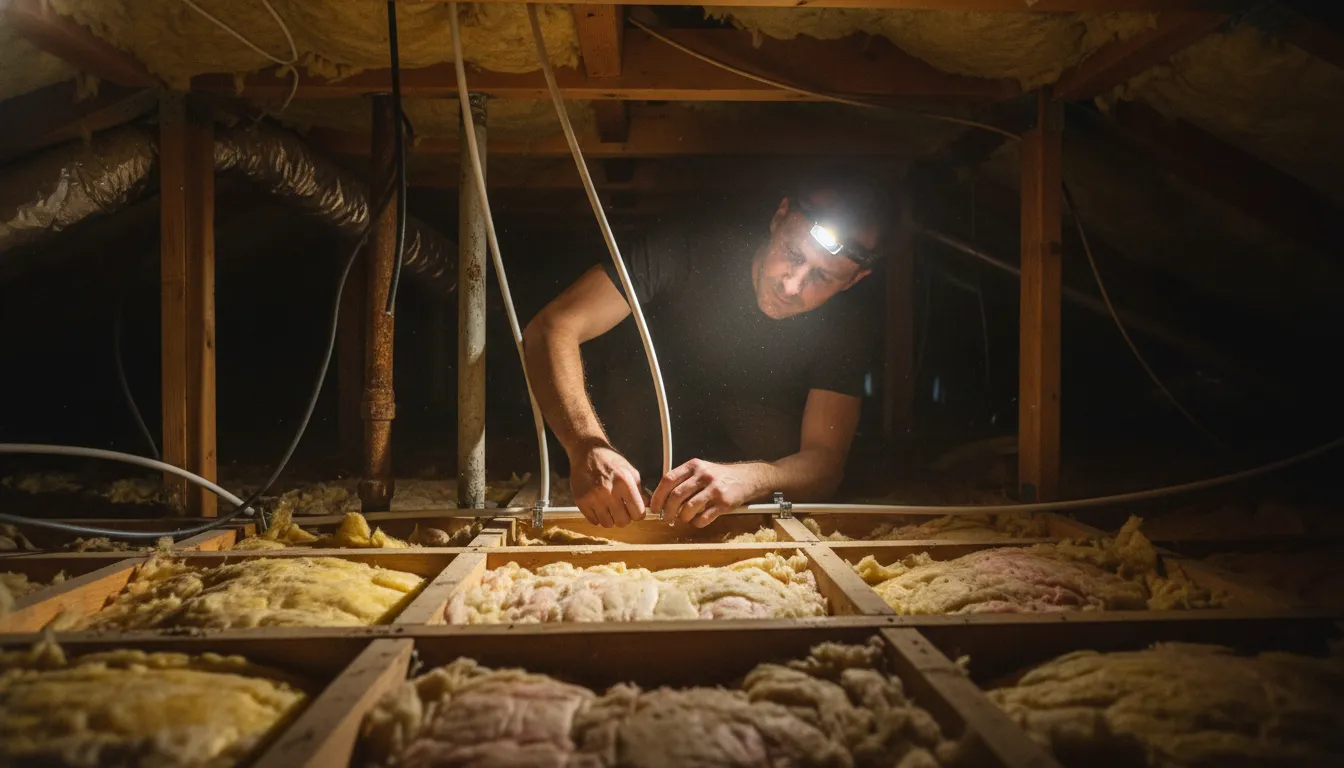
3. The Installation Phase This is the most disruptive part of the process. To access the old pipes, technicians will need to create strategic access points in walls, ceilings, and sometimes floors. The old supply lines (for both hot and cold water) are then removed. Next, the new piping system is installed. It's important to note that a standard repipe usually addresses the pressurized water supply lines, not the larger drain-waste-vent (DWV) pipes, unless specifically included in the scope.
4. Pressure Testing and Inspection Before walls are closed up, the new piping system undergoes a rigorous pressure test. The plumber will pressurize the system with air or water to check for any leaks at joints or fittings 1 2 3. A municipal building inspector will also visit to perform a "rough-in" inspection at this stage, verifying that the work meets code before it is concealed.
5. System Activation and Final Restoration Once the system passes inspection, the new pipes are connected to your home's main water supply and each fixture (sinks, toilets, water heater, etc.). The water is turned on, and the system is flushed and checked for proper operation at every outlet. Finally, the contractor will patch the access holes in your drywall. Be aware that painting and finishing these patches is often considered a separate task and may not be included in the plumbing quote 4.
Find the perfect repiping contractors for your needs
Get personalized recommendations and expert advice
Material Choices for Your New Pipes
The choice of piping material significantly impacts the project's cost, longevity, and performance. Here are the most common options used in West Virginia repiping projects:
- PEX (Cross-linked Polyethylene): This flexible, plastic tubing has become the most popular choice for modern repipes. It is corrosion-resistant, freeze-tolerant (to a degree), and requires fewer fittings than rigid pipe, which can reduce labor time and potential leak points. PEX is generally the most cost-effective material.
- Copper: The long-standing traditional choice, copper is durable and has a proven track record of lasting 50+ years. It is resistant to bacteria and can handle high heat. However, copper is more expensive than PEX, both in material cost and installation labor, as it requires soldering each joint.
- CPVC (Chlorinated Polyvinyl Chloride): This rigid plastic pipe is another affordable option. It is lightweight and resistant to corrosion. However, it can become brittle over time, especially if exposed to sunlight, and is not as flexible or robust as PEX in very cold conditions.
Your plumber can advise on the best material for your specific home, budget, and local water conditions.
Cost Factors for Repiping in West Virginia
The cost to repipe a house in West Virginia can vary dramatically, typically ranging from $1,500 to $15,000 or more 5 6 7. For very large, complex, or multi-story homes, the price can exceed $35,000 8 9. Several key factors influence the final price:
- Home Size and Layout: The total square footage and number of bathrooms/kitchens directly determine how much pipe and labor is required. Multi-story homes are more complex and costly to repipe than single-story ranches.
- Pipe Material: As discussed, copper is typically the most expensive option, followed by CPVC, with PEX often being the most economical 10.
- Extent of Access Needed: The cost increases with the number of walls, ceilings, and floors that need to be opened to run the new pipes. Some techniques, like "fishing" pipes through existing cavities, can reduce drywall damage but may not be possible in all situations 11.
- Labor and Permitting: Labor is a major component of the cost. Rates vary by contractor and region within West Virginia. Permit and inspection fees from your local municipality will also add to the total project cost 12.
Always obtain detailed, written estimates from multiple licensed and insured plumbing contractors. A thorough quote should break down material costs, labor, permit fees, and the scope of restoration work.
Permits, Inspections, and Why They Matter
Skipping permits might seem like a way to save time or money, but it is a risky decision. Permits ensure that the work is performed to the minimum safety standards set by your community's building codes. An inspection provides an independent verification that the job was done correctly.
For a repipe, you can generally expect two inspections: a rough-in inspection after the new pipes are installed but before the walls are sealed, and a final inspection once the work is complete and the system is operational 13. Using a licensed plumber who handles the permit process is strongly recommended, as they understand the local requirements and can ensure the project passes inspection smoothly.
Frequently asked questions
Sources
Footnotes
-
What the Residential Repiping Process Involves - https://www.trmillerheatingandcooling.com/what-the-residential-repiping-process-involves/ ↩
-
What to Expect During a Whole House Repipe: Cost, Timeline ... - https://go4apes.com/what-to-expect-during-a-whole-house-repipe-cost-timeline-and-installation-process/ ↩
-
What to Expect During a Plumbing Repipe? - https://wedorepipes.com/blog/what-to-expect-during-a-plumbing-repipe/ ↩
-
Pipe Repair vs. Repiping | How to Know When It's Time for a Repipe - https://stevehuffplumbing.com/pipe-repair-vs-repiping-guide/ ↩
-
What Is Involved In Repiping A House? | Midstate - https://www.midstateplumbingwv.com/what-is-involved-in-repiping-a-house/ ↩
-
Expert Repiping Services in WV, VA & MD - https://deadrockcontractorservices.com/repiping/ ↩
-
What Is Repiping? A Comprehensive Guide - CPI Service - https://cpiservice.com/blog/what-is-repiping/ ↩
-
What Determines the Cost of Repiping a Home? | Magnolia - https://magnoliacompanies.com/what-determines-the-cost-of-repiping-a-home/ ↩
-
How Much to Repipe a House? - Reliant Plumbing - https://reliantplumbing.com/plumbing/pipe-repairs/whole-house-repipe-cost/ ↩
-
How Much to Repipe a House: A Comprehensive Cost Guide - https://www.benjaminfranklinplumbing.com/league-city/blog/2024/december/how-much-to-repipe-a-house-a-comprehensive-cost-guide/ ↩
-
Everything You Need To Know About Repiping A House - https://www.raptorrooterplumbing.com/blog/2024/april/everything-you-need-to-know-about-repiping-a-hou/ ↩
-
DIY vs Professional Pipe Replacement: What You Need to Know - https://childersenterprises.com/blog/diy-vs-professional-pipe-replacement-what-you-need-to-know/ ↩
-
Home Repipe Inspection Process | What to Expect & How - https://repipe1.com/blog/repipe-inspection-process/ ↩