Find the Best Repiping Contractors for Your Business
No obligation • Fast responses • Nationwide coverage

Why you can trust Search a Plumber
Search a Plumber is a leading United States resource for finding and evaluating professional plumbing services. Our team researches licensing, experience, and customer feedback to create unbiased, fact-driven overviews. Companies cannot pay to change ratings or placement, ensuring homeowners get trustworthy information.
Search providers near you
Best Repiping Contractors in Arkansas Ranked
Repiping is the comprehensive process of replacing a home's old or failing water supply pipes with new, modern materials. In Arkansas, this service is crucial for addressing common issues in older homes, such as corroded galvanized steel pipes or hazardous lead lines, which can lead to poor water pressure, discolored water, and potential health risks. This guide explains what a full-house repipe involves, the local considerations for Arkansas homeowners, and how to connect with qualified professionals to assess your property's specific needs.
What Does a Whole-House Repipe Involve?
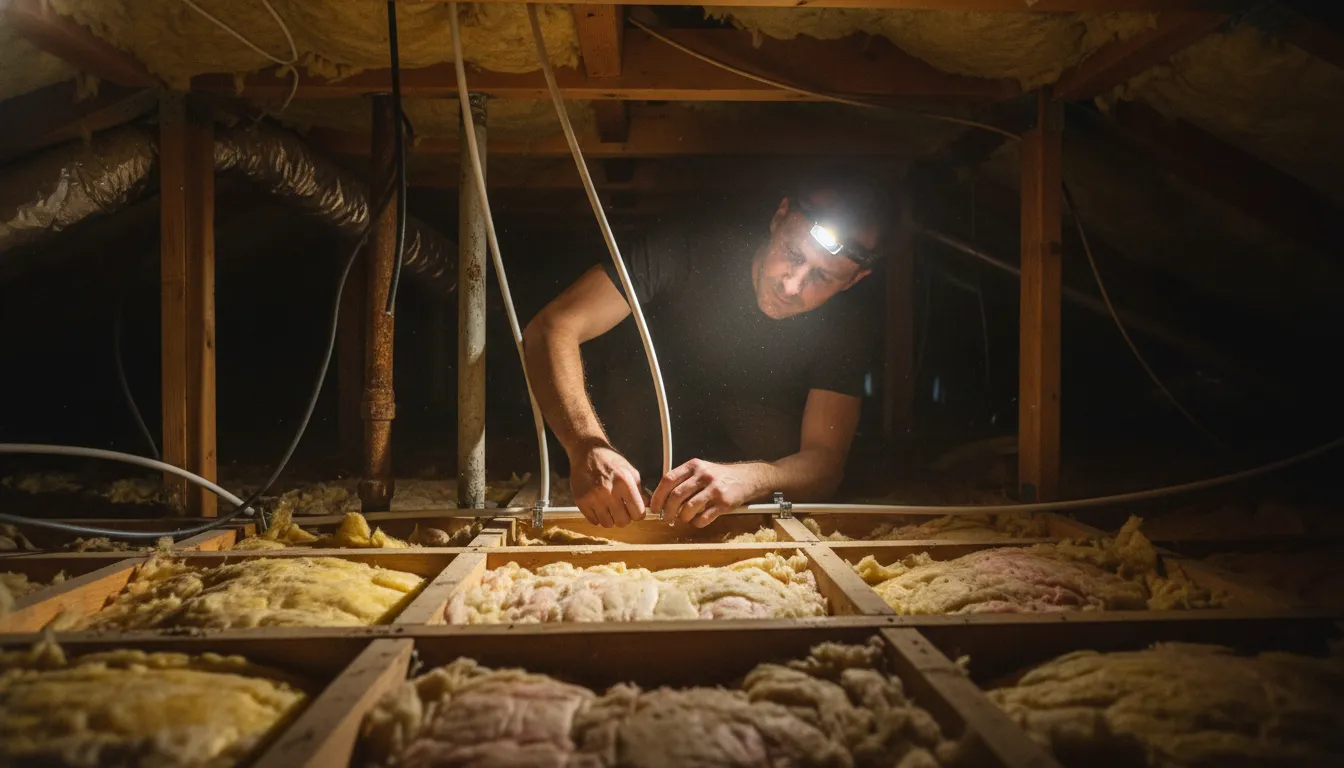
A repiping project is more than just swapping out old pipes. It's a systematic upgrade of your home's entire freshwater delivery system. The process typically follows these key steps:
- Assessment & Planning: A licensed plumber will first conduct a thorough inspection of your existing plumbing. This involves identifying the pipe material (e.g., galvanized, copper, lead, polybutylene), locating the main water line, and assessing the extent of corrosion, leaks, or damage. This step is essential for creating an accurate plan and quote.
- Material Selection: You and your plumber will choose the new piping material. Common modern options include:
- PEX (Cross-linked Polyethylene): A flexible, color-coded (red for hot, blue for cold) plastic tubing that is highly resistant to scale and corrosion. It's often the most cost-effective option and is easier to install with fewer fittings, which can reduce labor time and cost. 1
- Copper: A traditional, durable metal known for its longevity and reliability. While more expensive than PEX, copper pipes have a proven track record and can last for decades.
- CPVC (Chlorinated Polyvinyl Chloride): A rigid plastic pipe that is a mid-range option in terms of cost. It is corrosion-resistant but can become brittle over time if exposed to extreme temperatures.
- Access & Installation: To reach the old pipes, strategic openings are made in walls, ceilings, and sometimes floors. The old pipes are removed, and the new network is installed, running from the main shut-off valve to every fixture (sinks, toilets, showers, appliances).
- Testing & Inspection: Once the new pipes are in place, the system is pressurized and tested for leaks. Crucially, in Arkansas, a city or county inspector must typically approve the work before walls are closed up to ensure it meets all local building codes.
- System Flush & Restoration: After passing inspection, the system is flushed to clear any debris. The final step involves patching drywall, repairing flooring, and repainting-a service sometimes offered by the plumbing contractor for an additional fee, though it is often the homeowner's responsibility.
Why Arkansas Homes May Need Repiping
Many neighborhoods across Arkansas, from the historic districts of Little Rock to older homes in Fayetteville and Fort Smith, have plumbing systems that are reaching or have exceeded their lifespan. Key signs that your home may need a repipe include:
- Frequent Leaks: Constant pinhole leaks or recurring repairs are a clear sign of systemic pipe failure.
- Discolored Water: Brown or rusty water, especially when first turning on the tap, indicates significant internal corrosion.
- Low Water Pressure: Buildup of corrosion and scale inside old galvanized pipes severely restricts water flow.
- Material-Specific Risks: If your home was built before the 1980s, you may have galvanized steel pipes (prone to rust) or, in much older homes, lead pipes or solder, which pose serious health risks. Replacing these is a critical home improvement. 2 3
Arkansas Building Codes and Permits
A successful repiping project in Arkansas must comply with local regulations. Plumbing codes, often based on the Uniform Plumbing Code (UPC) or International Plumbing Code (IPC), are adopted at the city or county level.
- Permits Are Required: A plumbing permit is almost always mandatory for a whole-house repipe. A reputable, licensed plumber will typically pull this permit on your behalf. This ensures the project is registered with your local building department and will be subject to inspection. 4
- The Inspection Process: After installation but before closing up walls, a municipal inspector will visit to verify that the new pipe material, sizing, support, and installation methods meet current code standards. This step protects your investment and your home's safety. 5
- Working with a Licensed Professional: Hiring a plumber licensed in Arkansas is non-negotiable. They understand the specific code variations in your area (whether you're in Pulaski, Washington, or Benton County) and can navigate the permit and inspection process smoothly.
Find the perfect repiping contractors for your needs
Get personalized recommendations and expert advice
Understanding Repiping Costs in Arkansas
The cost to repipe a house in Arkansas varies widely based on several factors. While prices can range from $4,000 to over $20,000, obtaining multiple detailed quotes is the best way to understand your specific investment. 6 7 8
Primary Cost Factors:
- Home Size & Number of Fixtures: A 1,500-square-foot home with two bathrooms will cost significantly less than a 3,500-square-foot home with four bathrooms and a wet bar.
- Pipe Material: As noted, PEX is generally the most affordable material option, while copper commands a higher price due to material costs. CPVC often falls in the middle. 9
- Accessibility: Homes with easy access via an unfinished basement or crawlspace are less expensive to repipe than homes where pipes are buried in concrete slabs or behind hard-to-reach finished walls.
- Labor & Location: Labor rates can differ between regions in the state, and the complexity of the job (e.g., working in a multi-story home) affects the timeline and cost.
- Extras: Remember to factor in the cost of wall and floor restoration after the plumbing work is complete, which may be a separate line item.
The Homeowner's Experience: Timeline and Disruption
Being prepared for the process helps manage expectations.
- Timeline: For an average single-family home, a professional crew can often complete the pipe replacement itself in 2 to 5 days. The total project timeline, including inspection and restoration, may extend over 1-2 weeks.
- Living Through a Repipe: There will be disruption. Expect periods without water, noise from cutting and drilling, and open walls. A good contractor will work with you to minimize inconvenience, such as completing work on one bathroom at a time if possible and clearly communicating the daily schedule.
- Post-Project Benefits: Once complete, you'll enjoy immediate improvements: crystal-clear water, strong, consistent water pressure throughout the house, peace of mind from eliminating leak risks, and the added safety and value of a modern plumbing system.
Choosing the Right Professional for Your Repipe
This is a major home improvement project. Take time to vet potential plumbers:
- Verify Licensing & Insurance: Confirm they hold a current Arkansas plumbing license and carry both liability and worker's compensation insurance.
- Check References & Reviews: Look for companies with specific experience in whole-house repiping. Read online reviews and ask for references from past repipe customers.
- Get Detailed, Written Quotes: A professional quote should be itemized, specifying the pipe material brand/type, the scope of work, the timeline, who obtains permits, and how restoration is handled. Be wary of quotes that seem unusually low.
- Ask About Warranties: Reputable plumbers will warranty both their labor and the materials they install for a significant period.
Frequently asked questions
Sources
Footnotes
-
Everything You Need To Know About Repiping A House - https://www.raptorrooterplumbing.com/blog/2024/april/everything-you-need-to-know-about-repiping-a-hou/ ↩
-
What Is Repiping? A Comprehensive Guide | CPI Service - https://cpiservice.com/blog/what-is-repiping/ ↩
-
Pipe Repair vs. Repiping | How to Know When It's Time for a Repipe - https://stevehuffplumbing.com/pipe-repair-vs-repiping-guide/ ↩
-
What to Expect During a Whole House Repipe: Cost, Timeline ... - https://go4apes.com/what-to-expect-during-a-whole-house-repipe-cost-timeline-and-installation-process/ ↩
-
Repiping a House - Blog | Fresh Start Plumbing - https://www.freshstartplumbingevv.com/repiping-a-house/ ↩
-
What Is Involved in Repiping a House? - Apollo HVAC & Plumbing - https://gotoapollo.com/2024/03/06/what-is-involved-in-repiping-a-house/ ↩
-
Repiping a House: What's Involved & How Much it Costs - https://www.rjtilley.com/blog/2022/january/repiping-a-house-what-s-involved-how-much-it-cos/ ↩
-
How Much to Repipe a House? - Reliant Plumbing - https://reliantplumbing.com/plumbing/pipe-repairs/whole-house-repipe-cost/ ↩
-
How Much Does It Cost to Repipe a House? - https://therepipecompany.com/faqs/how-much-does-it-cost-to-repipe-my-home/ ↩