Find the Best Repiping Contractors for Your Business
No obligation • Fast responses • Nationwide coverage

Why you can trust Search a Plumber
Search a Plumber is a leading United States resource for finding and evaluating professional plumbing services. Our team researches licensing, experience, and customer feedback to create unbiased, fact-driven overviews. Companies cannot pay to change ratings or placement, ensuring homeowners get trustworthy information.
Search providers near you
Best Repiping Contractors in Montana Ranked
A whole-home repiping project is a significant but often essential upgrade for Montana homeowners. It involves replacing your home's entire network of water supply pipes, moving from outdated, problematic materials to modern, reliable systems. This process addresses persistent issues like low water pressure, discolored water, and leaks, while also safeguarding your family's health and your property's value. If you're considering this major home improvement, connecting with experienced, licensed plumbing professionals in your area is the critical first step to getting an accurate assessment and a clear plan tailored to your Montana home.
Why Montana Homeowners Consider Repiping
The decision to repipe a house is rarely made on a whim. It's typically driven by clear, recurring problems that signal your plumbing system is failing. In Montana, with its range of home ages and water conditions, several key signs indicate it's time to look beyond simple repairs.
- Persistent Low Water Pressure: This is often caused by severe corrosion and mineral buildup inside old galvanized steel pipes, which narrows the internal diameter and restricts water flow.
- Discolored or Metallic-Tasting Water: Brown, yellow, or reddish water, especially when first turning on the tap, is a classic sign of rusting iron pipes. A metallic taste can also indicate corrosion is occurring inside your lines 1.
- Recurring Leaks: If you're constantly patching pinhole leaks in different areas, it's a strong indicator that your pipe material has deteriorated throughout the system. Repairing one spot often just moves the problem to the next weak point 2.
- Outdated Pipe Materials: Homes built before the 1970s may have galvanized steel or, in rare cases, lead supply lines. These materials are prone to corrosion, can leach contaminants into your water, and are well past their lifespan 3.
The primary benefit of repiping is the complete elimination of these issues. You gain peace of mind with clean, safe water, consistent and strong water pressure at every fixture, and the end of worrying about sudden leaks causing water damage. It's a long-term investment that protects your health and your home's structural integrity.
The Repiping Process: What to Expect from Start to Finish
A professional whole-house repipe is a multi-stage project. Understanding the steps can help you prepare and know what to expect from your plumbing contractor.
1. Comprehensive Assessment and Planning A licensed plumber will start with a thorough inspection of your current plumbing. This includes identifying all pipe materials, mapping the layout, checking water pressure, and assessing the condition of fixtures and walls for access. They will also discuss your goals and review local Montana building codes to create a detailed plan.
2. Selecting the Right Pipe Material This is a crucial decision that affects cost, longevity, and performance. Your plumber will recommend the best option for your home and budget. The most common modern materials are:
- PEX (Cross-linked Polyethylene): A flexible, plastic tubing that is highly resistant to scale and chlorine, won't corrode, and is typically the most cost-effective to install. Its flexibility allows for long runs with fewer fittings, reducing potential leak points.
- Copper: A traditional, durable metal known for its long lifespan and reliability. It is more expensive than PEX, both in material cost and labor, as it requires soldering. Copper is resistant to bacteria and provides excellent water quality 4.
- CPVC (Chlorinated Polyvinyl Chloride): A rigid plastic pipe that is glued together. It's a solid, mid-range option that is corrosion-proof and often used in both supply and drain lines.
3. Permitting and Code Compliance In Montana, a permit is almost always required for a major repiping project. Your plumbing professional will typically pull this permit, ensuring the planned work complies with state and local plumbing codes. These codes govern everything from the types of materials allowed (e.g., prohibiting lead) to proper installation techniques and venting requirements. Adherence to code is non-negotiable for safety and will be verified by municipal inspections 5.
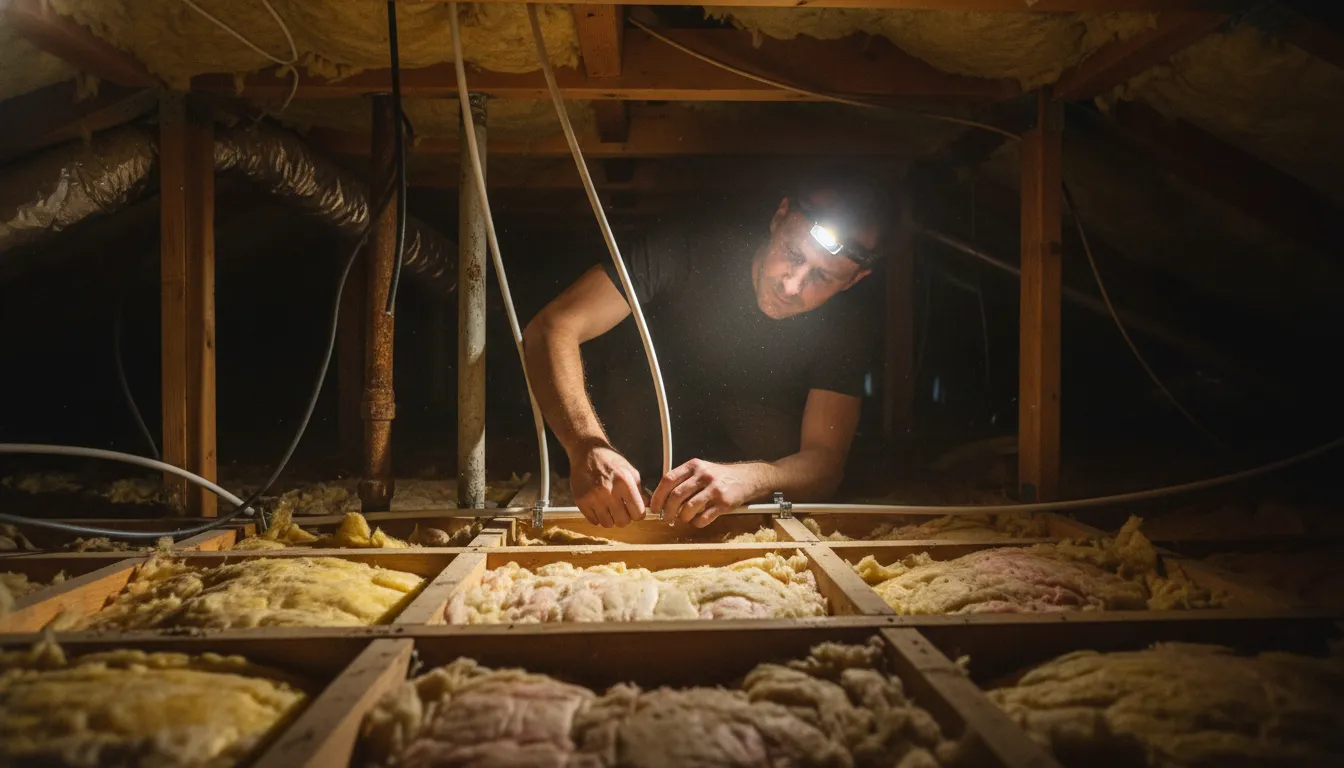
4. Installation: Access and New Pipe Runs The installation phase involves strategic removal of sections of drywall, plaster, or ceiling to access the old pipes. Plumbers will then methodically remove the old supply lines and install the new network. A well-executed plan minimizes the number and size of access holes needed. For homes with basements or crawl spaces, much of the work may be done there, reducing interior disruption 6 7.
5. Pressure Testing, Inspection, and Restoration Once the new pipes are installed, the system is pressurized and tested for leaks-a critical step before walls are closed up. A municipal inspector will often perform a "rough-in" inspection at this stage. After passing inspection, the plumbers will connect all fixtures (sinks, toilets, etc.). Finally, the access points in your walls and ceilings are patched, textured, and made ready for painting, leaving your home fully restored.
Find the perfect repiping contractors for your needs
Get personalized recommendations and expert advice
Understanding the Cost of Repiping in Montana
The cost to repipe a house in Montana can vary widely. There is no single price, as it depends entirely on the specifics of your home and project. However, understanding the key cost drivers can help you interpret estimates.
- Labor (Approximately 70% of Cost): This is the largest expense, covering the skilled work of removing old pipes, installing new ones, and managing the access and restoration. Complex layouts in multi-story homes increase labor time.
- Home Size and Layout: The square footage and number of bathrooms/kitchens directly correlate to the amount of pipe and labor required. A simple, single-story home with a basement is less expensive to repipe than a multi-story home with fixtures spread far apart.
- Pipe Material Choice: As mentioned, material costs differ. PEX is generally the most affordable option, followed by CPVC, with copper being the premium-priced material.
- Scope of Work: A "whole-house" repipe replacing all hot and cold water supply lines is the most comprehensive. Partial repipes (like just the hot water lines or second story) are less expensive but may not solve all systemic issues 8.
- Permits and Inspections: Permit fees and any required inspection costs will be factored into the overall project price 9.
Example Cost Ranges: While every project is unique, industry data provides general benchmarks. For a typical 1,500 square foot home in Montana, a full repipe might range from approximately $6,500 to $10,000 or more 10 11. For larger, more complex homes, the total cost can reach $20,000 to $35,000+ 12. The only way to get an accurate cost for your home is to obtain detailed quotes from licensed Montana plumbers.
Montana-Specific Regulations and Best Practices
Navigating local regulations is a key part of a successful repipe project. Montana has adopted plumbing codes to ensure safety and uniformity.
- Licensing: Always verify your plumber holds a current Montana Journeyman Plumber or Master Plumber license. This ensures they have the required training and knowledge of state codes.
- Permits are Mandatory: For a repipe, a permit is required. Reputable plumbers will handle this process. The permit ensures the work is planned correctly and will be inspected, protecting you as the homeowner 13.
- Inspections Protect You: Don't view inspections as a hurdle. The municipal inspector is an independent verifier that the work meets safety and code standards. This provides a crucial layer of quality assurance on your significant investment 14.
- Material Standards: Montana codes specify approved materials for potable water. Your plumber will ensure all pipes, fittings, and joining methods are up to code, whether using PEX, copper, or CPVC 15.
Frequently asked questions
Sources
Footnotes
-
What You Need to Know About Repiping Your Home - WiseMonkey - https://wisemonkeyrepipe.com/repiping-your-home/ ↩
-
Pipe Repair vs. Repiping | How to Know When It's Time for a Repipe - https://stevehuffplumbing.com/pipe-repair-vs-repiping-guide/ ↩
-
What Is Repiping? A Comprehensive Guide | CPI Service - https://cpiservice.com/blog/what-is-repiping/ ↩
-
Everything You Need To Know About Repiping A House - https://www.raptorrooterplumbing.com/blog/2024/april/everything-you-need-to-know-about-repiping-a-hou/ ↩
-
How Repiping Services Can Reduce Home Expenses - https://www.plumbfit.com/blog/2024/05/17/how-repiping-services-can-reduce-home-expenses/ ↩
-
Residential Repiping: The Ultimate Guide - https://www.superbrothers.com/residential-repiping-the-ultimate-guide/ ↩
-
Repipe Plumbing: What to Expect from Start to Finish - https://www.showtimeplumbingllc.co/repipe-plumbing-what-to-expect-from-start-to-finish ↩
-
Understand the Cost of Repiping a House: Essential Guide - https://1dayallprorepipes.com/understand-the-cost-of-repiping-a-house-essential-guide/ ↩
-
Do We Need Permit for Repiping: Essential Regulations and ... - https://www.benjaminfranklinplumbing.com/league-city/blog/2025/january/do-we-need-permit-for-repiping-essential-regulations-and-guidelines/ ↩
-
How Much Does It Cost to Repipe a House? - CPI Service - https://cpiservice.com/blog/how-much-does-repiping-cost/ ↩
-
How Much to Repipe a House? - Reliant Plumbing - https://reliantplumbing.com/plumbing/pipe-repairs/whole-house-repipe-cost/ ↩
-
How Much Does It Cost to Repipe a House? [2026 Data] | Angi - https://www.angi.com/articles/cost-to-repipe-a-house.htm ↩
-
Do You Need a Permit For Plumbing Repair? - https://www.goodmanplumbers.com/blog/do-you-need-a-permit-for-plumbing-repair/ ↩
-
Understanding Plumbing Codes and Why They're Important - https://www.mbhaynes.com/general-construction-blog-tips/plumbing-codes/ ↩
-
Montana Plumbing License: How to Become a Plumber in Montana - https://www.servicetitan.com/licensing/plumbing/montana ↩