Find the Best Repiping Contractors for Your Business
No obligation • Fast responses • Nationwide coverage

Why you can trust Search a Plumber
Search a Plumber is a leading United States resource for finding and evaluating professional plumbing services. Our team researches licensing, experience, and customer feedback to create unbiased, fact-driven overviews. Companies cannot pay to change ratings or placement, ensuring homeowners get trustworthy information.
Search providers near you
Best Repiping Contractors in Connecticut Ranked
Repiping is the comprehensive process of replacing a home's old or failing water supply and drainage pipes with new, modern materials. In Connecticut, where many historic and aging homes exist, this major plumbing upgrade is often necessary to ensure safe drinking water, adequate water pressure, and long-term system reliability. This guide explains the repiping process, costs, and local requirements, helping you understand what's involved and how to find qualified professionals for this significant home improvement project.
Understanding the Repiping Process
A full residential repiping project in Connecticut is more than a simple pipe swap. It's a major renovation that involves replacing both the hot and cold water supply lines, and often the drain, waste, and vent (DWV) lines. The goal is to remove old, problematic materials like galvanized steel or aging copper and install a modern, efficient system.
The typical workflow involves several key stages:
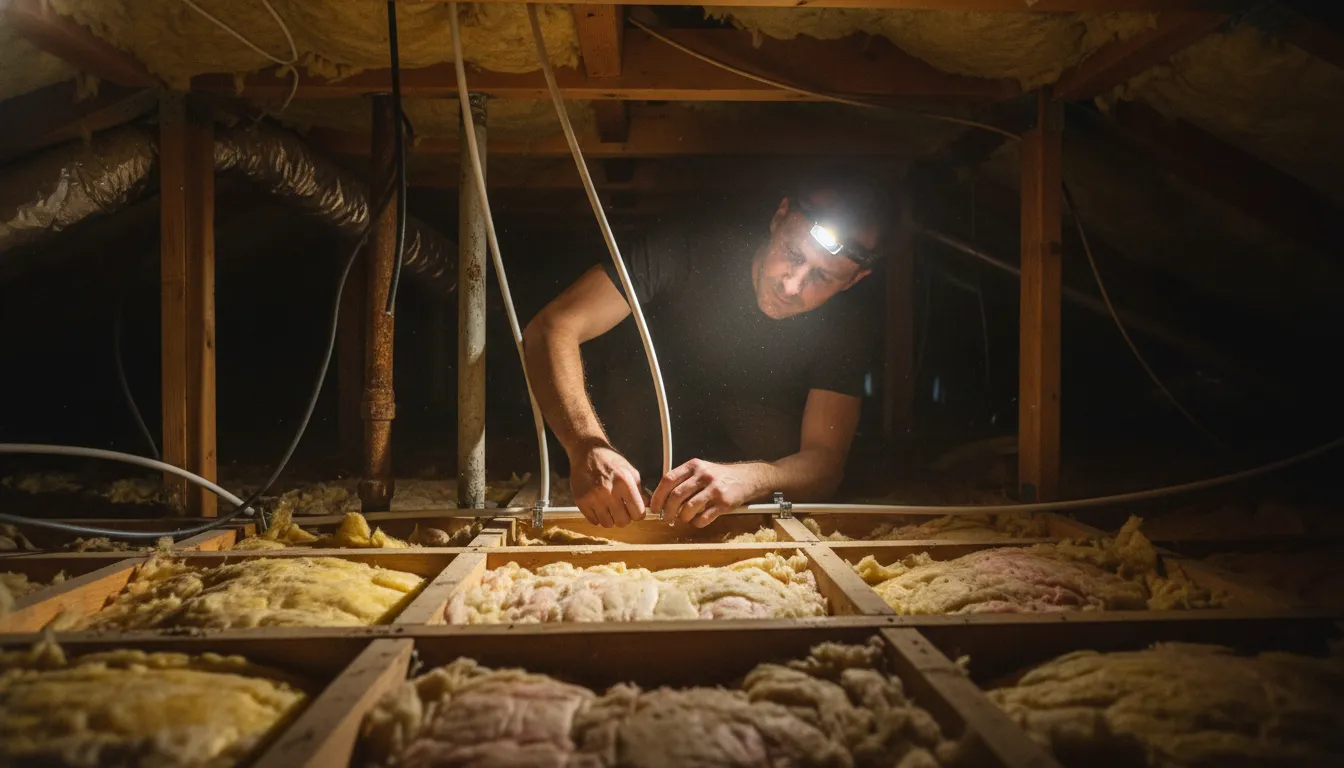
- Access & Removal: Plumbers must open walls, ceilings, or floors to access and remove the existing pipe network. The extent of this work depends on your home's layout and the location of the pipes.
- New Installation: Modern piping materials like PEX (cross-linked polyethylene), copper, or CPVC (for supply lines) and PVC (for drains) are installed according to strict codes.
- System Testing: Once installed, the new system undergoes rigorous pressure testing to check for leaks and ensure proper water flow to all fixtures.
- Restoration: After passing inspections, the open walls and floors are patched, repaired, and cleaned up, returning your home to its pre-construction state.
Why Connecticut Homes May Need Repiping
Several factors make repiping a common consideration for Connecticut homeowners. The state's climate, with its freeze-thaw cycles, can stress older pipes. More importantly, many homes built in the mid-20th century or earlier are reaching the end of their plumbing system's lifespan.
Key signs that your home may need a full pipe replacement include:
- Discolored Water: Rusty or brown water, especially after periods of non-use, indicates significant internal corrosion in galvanized or old iron pipes.
- Persistent Low Water Pressure: Mineral buildup and corrosion inside pipes can severely restrict water flow to faucets and showers 1.
- Frequent Leaks: If you're constantly patching pinhole leaks in copper pipes or dealing with recurring drips, it's often a sign of systemic pipe failure. At this point, piecemeal repairs become more costly and disruptive than a full replacement 2.
- Visible Corrosion: Check pipes in your basement, crawl space, or under sinks. Flaking, heavy rust, or green patina on copper joints are visual red flags.
Investing in repiping resolves these immediate issues and provides long-term benefits like improved water quality, increased property value, and peace of mind from a system with a 50+ year lifespan for materials like PEX or copper.
Connecticut Codes, Permits, and Inspections
Repiping is not a DIY project in Connecticut. State and local regulations are strict to ensure public health and safety. Any major plumbing alteration requires adherence to the Connecticut State Building Code, which incorporates the current plumbing codes.
Permits are mandatory. Before work begins, your licensed plumbing contractor must pull the necessary plumbing permits from your local town or city building department. The permit fee is typically based on the job's scope and value.
Inspections are required at critical phases. A municipal plumbing inspector will visit your home to:
- Rough-In Inspection: This occurs after the new pipes are installed but before the walls are closed up. The inspector verifies the materials, sizing, and installation methods meet code.
- Final Inspection: After the system is tested, walls are patched, and everything is operational, a final inspection grants approval for the system to be used.
Using a licensed professional ensures all work meets these legal requirements, protecting your investment and your home's safety.
Material Options for Your New Plumbing System
Choosing the right pipe material is a crucial decision that affects cost, performance, and longevity. Connecticut plumbers commonly use these options:
- PEX (Cross-Linked Polyethylene): This flexible, plastic tubing has become extremely popular for repiping. It's corrosion-resistant, cheaper than copper, and easier to install with fewer fittings, which can reduce labor time and cost. Its flexibility allows it to be snaked through walls with minimal access holes 3.
- Copper: The traditional gold standard for water supply lines. Copper is durable, resistant to bacteria, and has a long history of reliable performance. However, it is significantly more expensive than PEX, both in material cost and installation labor, as it requires soldering each joint 4.
- CPVC (Chlorinated Polyvinyl Chloride): A rigid plastic pipe used for hot and cold water lines. It is less expensive than copper but more brittle than PEX and requires solvent welding for joints.
For drain, waste, and vent (DWV) lines, PVC is the standard modern material, replacing old cast iron or clay pipes due to its light weight, durability, and ease of installation.
Find the perfect repiping contractors for your needs
Get personalized recommendations and expert advice
Cost Factors for Repiping in Connecticut
The total cost of a repiping project in Connecticut can vary widely, typically ranging from several thousand to over twenty thousand dollars. Understanding the factors that influence the final price helps in planning and budgeting.
Primary Cost Drivers:
- Home Size and Layout: A larger home with more bathrooms, kitchens, and fixtures requires more linear feet of pipe and more labor. A complex multi-story layout is more challenging than a simple ranch-style home.
- Material Selection: As noted, choosing copper will result in a higher project cost compared to using PEX tubing 5 6.
- Accessibility: Pipes running through finished ceilings and walls require more careful, time-consuming work to access and restore than those in an open basement or crawl space.
- Scope of Work: Are you replacing only the supply lines, or the entire system including drains? A full-system repipe is more extensive and costly 7 8.
- Local Labor Rates: Costs can vary between different regions within Connecticut and between plumbing companies 9 10.
Estimated Cost Ranges
While every home is unique, here are some general estimates based on national data applied to the Connecticut market:
- Small Home (1,000 - 1,500 sq ft): $5,500 - $11,000
- Medium Home (1,500 - 2,000 sq ft): $7,500 - $17,500
These figures are for supply line replacement and are highly dependent on the factors listed above. Always get multiple detailed, written estimates from licensed contractors.
Planning for the Project: Disruption and Timeline
A whole-house repipe is a disruptive process. Being prepared minimizes stress. The project typically takes 3 to 7 days, depending on the home's size and complexity 11.
During this time, expect:
- Water Shut-Off: Water will be turned off for periods during the active installation phase. Your plumber should provide a clear schedule.
- Limited Bathroom/Kitchen Use: Fixtures will be out of service as they are disconnected and reconnected.
- Dust and Debris: Opening walls creates dust. Professional crews will use containment measures and clean up daily.
- Workers in Your Home: A crew of plumbers will be present for the duration.
Good planning involves setting up a temporary kitchenette, planning bathroom use at a neighbor's or gym, and moving furniture away from work areas. A reputable contractor will guide you through this process and work efficiently to restore normalcy.
Choosing a Qualified Connecticut Repiping Professional
This is not a job to price-shop. The quality of installation is paramount. Look for:
- Proper Licensing: Ensure the company holds a valid Connecticut Plumbing & Piping License.
- Insurance: Verify they carry both liability and worker's compensation insurance.
- Local Experience: Choose a plumber familiar with your town's specific inspection processes and common issues in area homes.
- Detailed Estimates: Get at least three written, itemized quotes that break down material costs, labor, permit fees, and restoration.
- Warranties: Ask about warranties on both the materials (often from the manufacturer) and the labor (from the contractor).
- References & Reviews: Check online reviews and ask for references from past repiping clients.
A professional assessment will include a thorough inspection of your existing system, a discussion of your goals, and a clear explanation of the proposed solution, timeline, and cost.
Frequently asked questions
Sources
Footnotes
-
3 Signs Your Home Needs to be Completely Repiped - Scaran - https://www.scaran.com/blog/plumbing-service/3-signs-your-home-needs-to-be-completely-repiped/ ↩
-
What Is Repiping? A Comprehensive Guide | CPI Service - https://cpiservice.com/blog/what-is-repiping/ ↩
-
What Is Involved in Repiping a House? - Apollo HVAC & Plumbing - https://gotoapollo.com/2024/03/06/what-is-involved-in-repiping-a-house/ ↩
-
What Is Involved With Repiping A House? - HELP Plumbing - https://333help.com/blog/what-is-involved-with-repiping-a-house/ ↩
-
How Much to Repipe a House: A Comprehensive Cost Guide - https://www.benjaminfranklinplumbing.com/league-city/blog/2024/december/how-much-to-repipe-a-house-a-comprehensive-cost-guide/ ↩
-
Repiping a House: What's Involved & How Much it Costs - https://www.rjtilley.com/blog/2022/january/repiping-a-house-what-s-involved-how-much-it-cos/ ↩
-
Repiping a House | Signs You Need It & Cost Estimates - https://www.baethkeplumbing.com/blog/all/repiping-a-house-when-why-and-how-much-it-costs/ ↩
-
What You Should Know About Repiping - Griswold Plumbing - https://griswoldplumbingct.com/what-you-should-know-about-repiping/ ↩
-
How Much Does Repiping A House Cost | All Aloha Plumbing - https://allalohaplumbing.com/how-much-does-repiping-a-house-cost/ ↩
-
Pipe Repair vs. Repiping | How to Know When It's Time for a Repipe - https://stevehuffplumbing.com/pipe-repair-vs-repiping-guide/ ↩
-
What the Residential Repiping Process Involves - https://www.trmillerheatingandcooling.com/what-the-residential-repiping-process-involves/ ↩