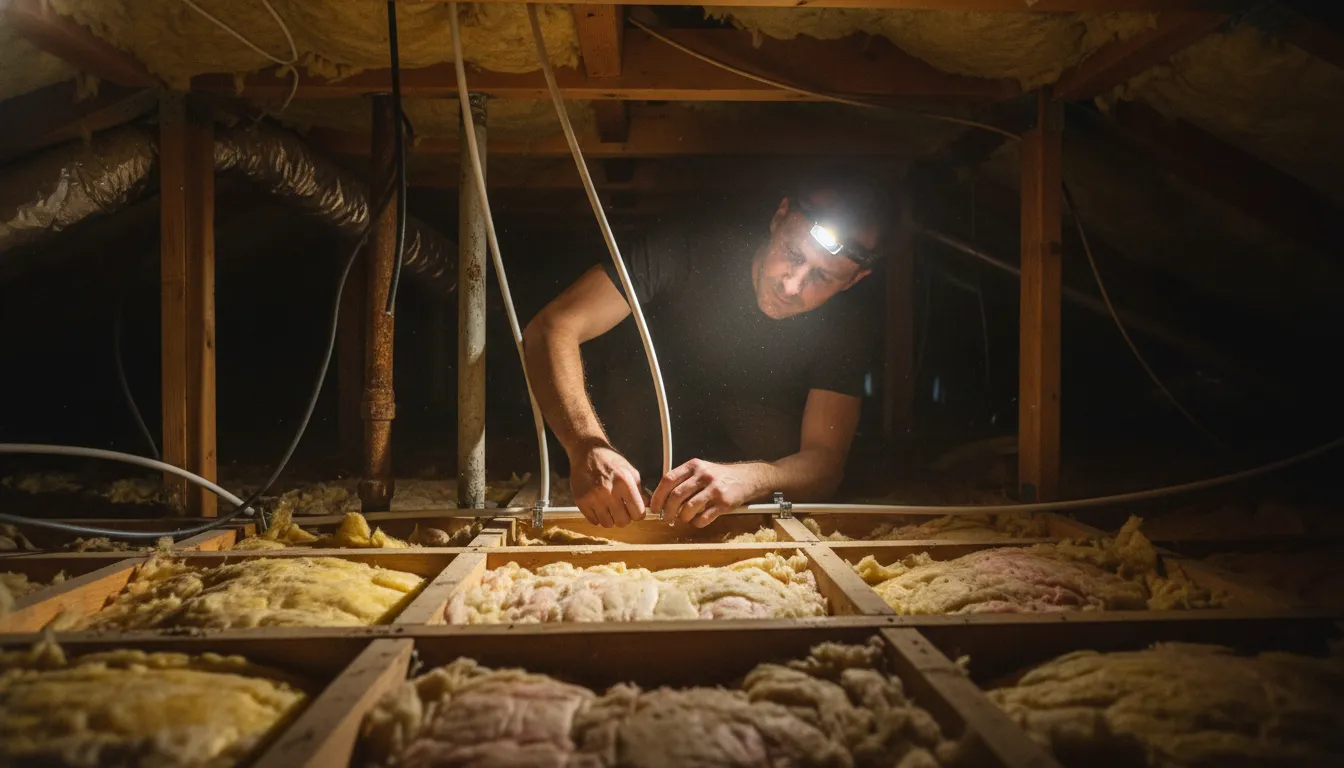
Find the Best Repiping Contractors for Your Business
No obligation • Fast responses • Nationwide coverage

Why you can trust Search a Plumber
Search a Plumber is a leading United States resource for finding and evaluating professional plumbing services. Our team researches licensing, experience, and customer feedback to create unbiased, fact-driven overviews. Companies cannot pay to change ratings or placement, ensuring homeowners get trustworthy information.
Search providers near you
Best Repiping Contractors in Arizona Ranked
A full home repiping is a major plumbing upgrade that replaces your entire network of water supply pipes. In Arizona, this service is crucial for older homes with failing galvanized steel, lead, or polybutylene pipes, which can lead to poor water pressure, discolored water, and costly leaks. This guide explains what the process entails, why it matters for Arizona homeowners, and how to find qualified local professionals to ensure a safe, code-compliant installation.
100% Plumbing
17437 N 71st Dr Ste 106, Glendale, AZ 85308
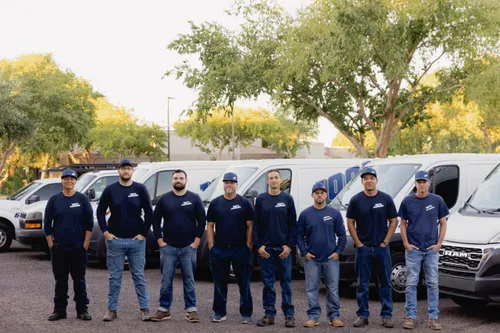
100% Plumbing is a full-service plumbing company based in Phoenix, AZ, offering a wide range of services including leak repair, drain cleaning, water softener installation, repiping, and commercial plumbing. They use professional tools such as hydro jetting to clear drains and provide 24/7 emergency plumbing repairs for urgent issues. Their licensed plumbers bring years of experience and a customer-focused approach to every job, ensuring dependable solutions for both residential and commercial clients.
Plumbers Near Me, LLC
8990 E Raintree Dr Unit 100-G, Scottsdale, AZ 85260
Plumbers Near Me, LLC offers a wide range of plumbing services in Phoenix, AZ, including water heater repair and installation, drain cleaning, sewer line repair, leak detection, repiping, and toilet repair. They serve both residential and commercial clients throughout the Phoenix metropolitan area. Their capabilities include handling tankless and traditional water heater systems, as well as slab leak repairs using specialized equipment. The company is fully licensed and insured, providing service with the latest tools and training. They are available for extended hours most days of the week to accommodate customer needs.
Benjamin Franklin The Punctual Plumber
7440 E Karen Dr # 500, Scottsdale, AZ 85260
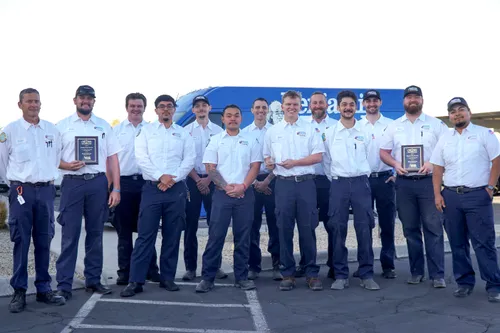
Benjamin Franklin The Punctual Plumber is a locally owned plumbing company serving Scottsdale, AZ, and the greater Phoenix metropolitan area. They provide a wide range of plumbing services including water heater repair and installation, sewer line repair, drain cleaning, leak detection, repiping, and garbage disposal repair. The company offers specialized capabilities such as video camera inspections to accurately diagnose plumbing issues. Established in 2005, Benjamin Franklin Plumbing also provides 24/7 emergency plumbing services to address urgent needs at any time.
Peerless Plumbing & Nudrain Phoenix
3801 E Roeser Rd #20, Phoenix, AZ 85040
Peerless Plumbing & Nudrain Phoenix is a family-owned trenchless plumbing contractor based in Phoenix, AZ. They specialize in trenchless sewer repair, sewer camera inspections, repiping, and sewer line repairs using innovative, minimally disruptive technology. As the first licensed NuFlow contractor in Arizona, they offer services that avoid traditional digging, preserving landscapes and structures while restoring pipes efficiently. With over 30 years and more than 10,000 piping installations experience, Peerless Plumbing provides long-term plumbing solutions throughout Arizona and partners with professionals across the U.S. and Canada to extend their reach. They are certified by NASSCO and NuFlow and have been recognized in industry publications and podcasts for their expertise.
Roto-Rooter Plumbing & Water Cleanup
12133 W Bell Rd #104, Surprise, AZ 85378
Roto-Rooter Plumbing & Water Cleanup provides comprehensive plumbing and water cleanup services in Phoenix, AZ, and the surrounding areas. They serve both residential and commercial clients with a wide range of services including sewer and drain cleaning, water heater repair and installation, leak detection, gas line installation, and trenchless sewer repair. The company is equipped to handle emergency plumbing situations and offers 24/7 availability to address urgent issues such as sewer backups, flooding, and gas leaks. Roto-Rooter also specializes in hydro jetting and mold remediation, using advanced technology to maintain and restore plumbing systems effectively. Serving the greater Phoenix area, Roto-Rooter has a strong local presence and understands the unique plumbing challenges posed by the region's weather and infrastructure. Their team is experienced in both conventional and trenchless sewer repair methods, providing tailored solutions for each property. The company emphasizes emergency readiness with around-the-clock service to minimize damage and disruption during plumbing crises.
Understanding Whole-Home Repiping
Repiping is not a spot repair. It's a comprehensive overhaul of your home's pressurized water supply system, from the point where the main water line enters your house to every sink, toilet, shower, and appliance. In Arizona, common reasons for this project include replacing pipes that are decades old, prone to corrosion, or made from materials now known to be problematic, such as polybutylene, which was widely used in the 1980s and 90s and is prone to sudden failure.
The goal is to install a modern, reliable piping system that restores optimal water flow and quality while eliminating the risk of leaks inside your walls or under your slab. A successful repipe provides peace of mind and can be a significant value-add to your property.
Common Pipe Materials in Arizona Homes
Knowing what's currently in your walls is the first step. Arizona's housing stock features several pipe types:
- Galvanized Steel: Common in homes built before the 1970s. Over time, minerals in the water cause these pipes to corrode and rust on the inside, severely restricting water flow and often leading to brownish water.
- Polybutylene (PB): A gray plastic pipe used extensively from the late 1970s to mid-1990s. It is notoriously prone to becoming brittle and cracking at the fittings, leading to catastrophic failures. Many insurance companies require its replacement.
- Copper: A long-standing, durable choice. While generally reliable, copper can be susceptible to pinhole leaks in areas with highly acidic or aggressive water, which can occur in some Arizona municipalities.
- CPVC: A rigid, cream-colored plastic pipe. It is still in use but can become brittle with age and exposure to extreme Arizona heat, especially in attics.
Modern Repiping Materials: PEX vs. Copper
Today, repiping projects primarily use one of two materials:
Cross-linked Polyethylene (PEX): This flexible, color-coded (typically red for hot, blue for cold) plastic tubing has become the dominant choice for repiping. Its flexibility allows for long, continuous runs with fewer fittings, which reduces potential leak points. It is resistant to scale and corrosion, performs well in both hot and cold climates, and is generally more affordable and faster to install than copper. For most Arizona homes, PEX offers an excellent balance of performance, longevity, and cost.
Copper: Copper remains the "gold standard" for its proven longevity (50+ years) and its ability to withstand high heat. It is rigid, requiring more fittings and labor to install, which increases the project cost. Some homeowners and local codes may prefer copper for its traditional value and perceived robustness, though its higher material cost is a significant factor.
A licensed plumber can advise on the best material for your specific home, budget, and local water conditions.
The Repiping Process: What to Expect
A professional whole-house repipe is a multi-step process designed to minimize disruption and ensure a reliable outcome.
- Comprehensive Assessment: A licensed plumber will inspect your current system, identify all pipe materials, map the layout, and assess access points (attic, crawlspace, walls).
- Detailed Quote & Planning: You'll receive a detailed estimate covering labor, materials, permit fees, and any necessary drywall repair. A project timeline will be established.
- Securing Permits: Your plumbing contractor will pull all required permits from your local municipality (e.g., City of Phoenix, Tucson, etc.). This is a non-negotiable step for a legal and safe installation that will pass inspection 1.
- Installation Day(s): The crew will shut off your main water supply. They will run new piping through attic spaces, wall cavities, or crawlspaces, connecting it to the main line and each fixture. Strategic access holes are cut in walls.
- Pressure Testing & Inspection: Before walls are closed up, the new system is pressurized to test for leaks. A city inspector will visit to approve the work, ensuring it meets all current plumbing codes 2.
- System Flush & Fixture Reconnection: After passing inspection, the system is flushed, and all faucets, toilets, and appliances are reconnected.
- Drywall Repair & Cleanup: The plumbing contractor will typically patch the access holes, leaving them ready for a professional painter or your own finishing work. The job site is cleaned up.
Find the perfect repiping contractors for your needs
Get personalized recommendations and expert advice
Special Considerations for Arizona Homes
Arizona's unique climate and construction methods present specific challenges.
- Slab Foundations: Many Arizona homes are built on concrete slab foundations with pipes buried within. A "slab leak" is a sign of pipe failure under the slab. Repiping a slab home often involves rerouting all new pipes through the attic or walls, abandoning the old lines in the slab-a technique known as a "trunk-and-branch" or "home-run" system 3.
- Extreme Attic Heat: When PEX or CPVC is run through an attic, it must be properly insulated and supported to protect it from degradation caused by Arizona's extreme summer temperatures.
- Water Quality: Repiping can dramatically improve water quality by removing old corroded pipes that introduce rust and sediment. If you have concerns about water hardness or other issues, the repiping project is an ideal time to consider adding a whole-house water softener or filtration system 4.
Understanding the Cost of Repiping in Arizona
The cost for a whole-home repipe in Arizona can vary widely based on several key factors. Average costs typically range from $4,000 to $15,000 or more 5 6 7.
Primary factors influencing the final price include:
- Home Size & Number of Fixtures: A 1,500-square-foot home with two bathrooms will cost less than a 3,500-square-foot home with four bathrooms and a wet bar.
- Pipe Material: As noted, a PEX system is generally less expensive than a copper system due to lower material costs and faster installation 8.
- Architectural Complexity: Multi-story homes, homes with difficult access (low attic clearance, finished basements), or complex layouts require more labor.
- Extent of Drywall Repair: The number of access holes needed and who handles the final painting and texture matching will affect cost.
- Local Permit Fees: These vary by city and are usually included in a professional quote.
Always get multiple detailed, written estimates from licensed, insured contractors.
The Critical Importance of Permits and Licensing
Never hire a plumber who suggests skipping permits for a full repipe. Permits are essential for:
- Safety: Ensures the work meets current Uniform Plumbing Code (UPC) standards, protecting your home from improper installation.
- Home Value & Insurance: Unpermitted work can cause issues during a home sale and may not be covered by insurance.
- Inspection: The municipal inspection is a free quality assurance check that your new system is leak-free and properly installed 9.
Always verify that your plumbing professional holds a valid Arizona ROC (Registrar of Contractors) license and carries both liability and worker's compensation insurance.
Signs You May Need to Repipe Your Home
- Discolored Water: Brown, yellow, or rusty water, especially when first turning on the tap.
- Consistently Low Water Pressure: Pressure that is low at multiple fixtures, not just one.
- Frequent Leaks: Recurring pinhole leaks or failures in your pipes.
- Visible Corrosion: Signs of rust or green patina on pipe fittings.
- A History of Polybutylene or Galvanized Pipes: If your home was built during the era of these materials, proactive replacement is often wise.
Frequently asked questions
Sources
Footnotes
-
Whole Home Repiping: Phoenix Homeowner's Essential Guide - https://anyhourservices.com/arizona/whole-home-repiping-phoenix-older-homes/ ↩
-
What to Expect During a Whole House Repipe: Cost, Timeline, and ... - https://go4apes.com/what-to-expect-during-a-whole-house-repipe-cost-timeline-and-installation-process/ ↩
-
Repiping Homes Arizona 2025 | Plumbing Upgrade Tips - https://rapidfireplumbing.com/is-it-time-to-repipe-your-home-in-arizona-what-you-need-to-know-in-2025/ ↩
-
How Repiping Can Improve Water Quality in Your Arizona Home - https://azip.com/how-repiping-can-improve-water-quality-in-your-arizona-home/ ↩
-
Repiping Your Arizona Home: Cost Factors - Rooter Ranger - https://www.rooterranger.com/blog/cost-to-repipe-a-house-in-arizona/ ↩
-
What Is the Average Cost of a Whole Home Water Repipe ... - https://azip.com/what-is-the-average-cost-of-a-whole-home-water-repipe-installation-in-phoenix/ ↩
-
Repiping a House: What's Involved & How Much it Costs - https://www.rjtilley.com/blog/2022/january/repiping-a-house-what-s-involved-how-much-it-cos/ ↩
-
The Average Cost of Whole Home Repiping in Oro Valley, AZ - https://www.pursuit-plumbing.com/the-average-cost-of-whole-home-repiping-in-oro-valley-az/ ↩
-
Plumbing Permits Arizona 2025 | Essential Homeowner Guide - https://rapidfireplumbing.com/plumbing-permits-in-arizona-what-you-need-to-know-in-2025/ ↩