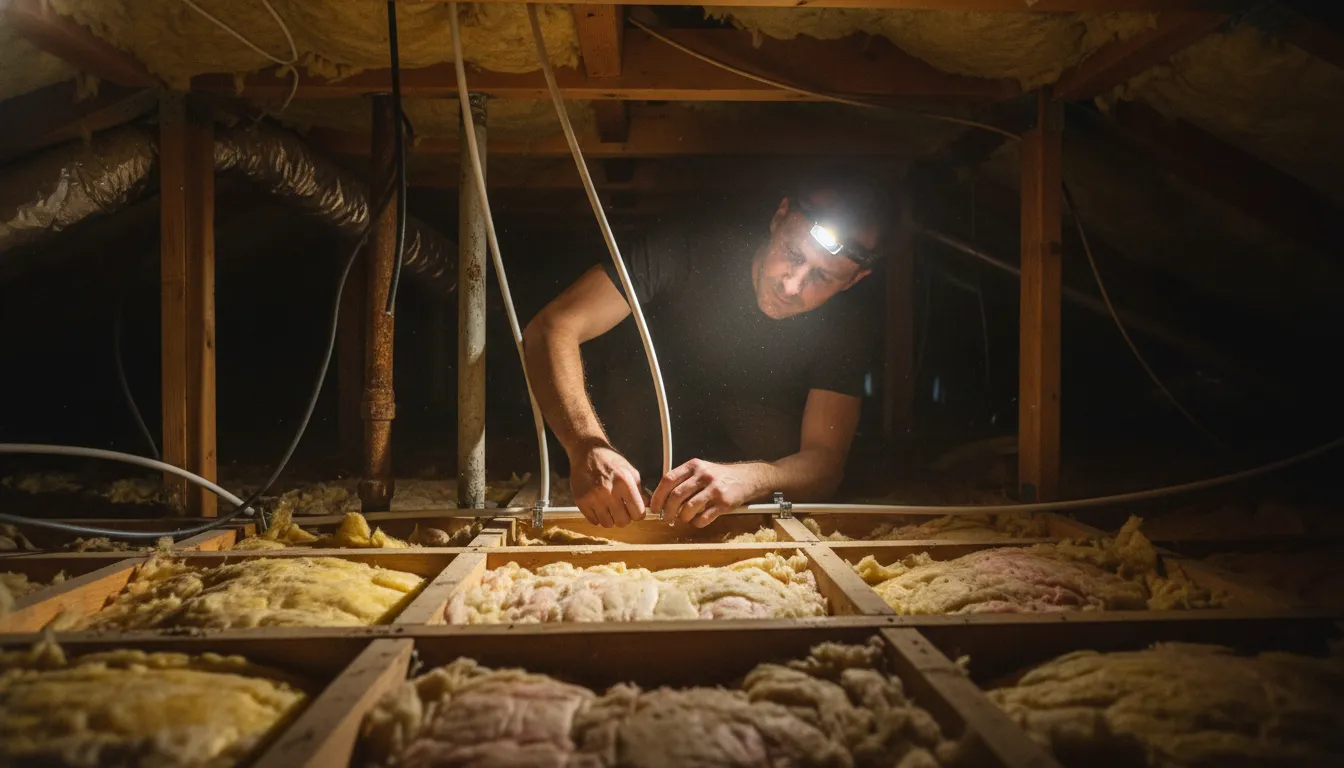
Find the Best Repiping Contractors for Your Business
No obligation • Fast responses • Nationwide coverage

Why you can trust Search a Plumber
Search a Plumber is a leading United States resource for finding and evaluating professional plumbing services. Our team researches licensing, experience, and customer feedback to create unbiased, fact-driven overviews. Companies cannot pay to change ratings or placement, ensuring homeowners get trustworthy information.
Search providers near you
Best Repiping Contractors in Kansas Ranked
If you own an older home in Kansas, you may be dealing with the frustrating symptoms of aging plumbing: rusty water, low water pressure, or persistent leaks. A full repiping project replaces your home's outdated water supply lines with modern, durable materials, solving these problems for decades to come. This guide explains the process, costs, and local considerations for Kansas homeowners, helping you understand what's involved and how to find qualified professionals for this significant home improvement.
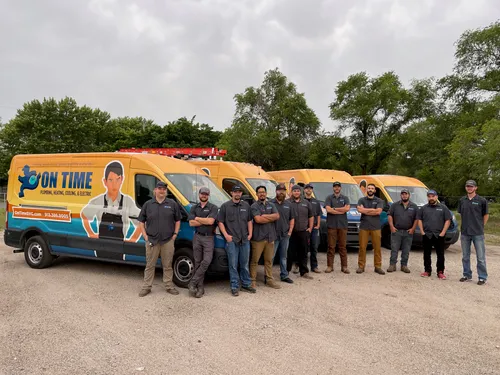
On Time Plumbing, Heating, Cooling & Electric
4065 N Woodlawn Blvd Suite 3, Bel Aire, KS 67220
On Time Plumbing, Heating, Cooling & Electric is a full-service provider based in Wichita, KS, offering plumbing, heating, cooling, and electrical services. Their plumbing expertise includes water heater repair, water softener installation, drain cleaning, sewer line repair, leak detection, repiping, and gas line installation. The company has been serving the Wichita area and surrounding communities since 2004. They provide 24/7 emergency services to address urgent plumbing, HVAC, and electrical needs. With multiple locations, they serve customers in Wichita, Newton, Lenexa, Maize, Enid, Kansas City, Andover, and Olathe.
Reddi Root'r Plumbing, Sewer & Drain
Wichita, KS
Reddi Root'r Plumbing, Sewer & Drain is a plumbing company serving Wichita, KS, with over 60 years of experience. They provide a range of residential and commercial plumbing services including drain cleaning, sewer and water line repair, leak detection, water heater installation and repair, sump pump services, and trenchless pipe repair. Their trenchless technology allows for underground pipe repairs without damaging yards or driveways. Reddi Root'r offers scheduled and 24/7 emergency plumbing services to address urgent needs at any time.
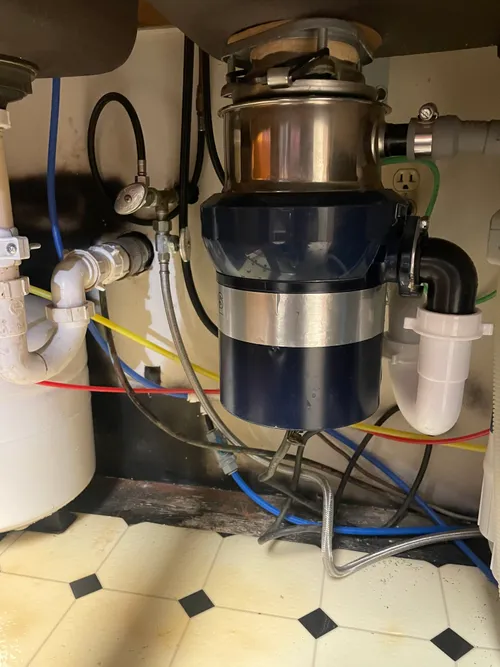
Premier Plumbing-Wichita
4525 S Ellis Ave, Wichita, KS 67216
Premier Plumbing-Wichita is a plumbing company serving Wichita, KS, and all of Sedgwick County. They provide a wide range of plumbing services including water heater repair and installation, drain cleaning, leak detection, sump pump repair, sewer line repair, repiping, and garbage disposal repair. The company is equipped to handle both residential and commercial plumbing needs and offers 24/7 emergency services. With over 20 years of combined experience, Premier Plumbing-Wichita uses modern tools and techniques to address plumbing issues efficiently.
Mr. Rooter Plumbing of Wichita, KS
922 E Central Ave, Wichita, KS 67202
Mr. Rooter Plumbing of Wichita, KS offers a wide range of residential and commercial plumbing services in Wichita, KS. Their expertise includes sewer camera inspections, water heater installation and repair, drain cleaning, leak detection, repiping, and trenchless sewer repair. The company is known for licensed and insured professionals who provide workmanship and parts guaranteed. They also offer 24/7 emergency plumbing services to address urgent needs at any time.
Dusk Till Dawn Services
Wichita, KS
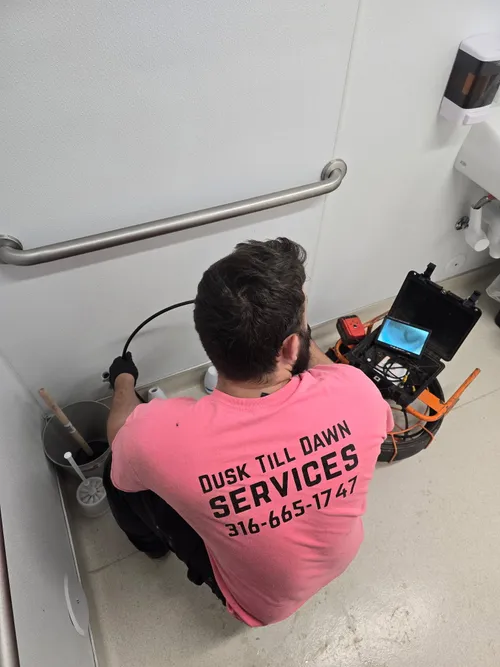
Dusk Till Dawn Services provides residential and commercial plumbing solutions in Wichita, KS. Their offerings include sewer line inspections and repairs, water heater installation and repair, sump pump services, drain cleaning, leak detection, repiping, and toilet repairs. They use advanced camera inspection technology to accurately diagnose plumbing issues and offer 24/7 emergency support to address urgent needs. The licensed and insured team is familiar with Wichita's diverse housing stock and delivers transparent communication and thorough project oversight from start to finish.
Why Kansas Homes Need Repiping
Many Kansas homes, particularly those built before the 1970s, were originally plumbed with galvanized steel pipes. Over time, these pipes corrode from the inside out. This corrosion leads to a buildup of rust and mineral deposits that restrict water flow, causing low pressure. It can also flake off, resulting in discolored, rusty-tinted water from your taps. Beyond the nuisance, this corrosion weakens the pipe walls, making them prone to pinhole leaks and eventual failure. While individual leaks can be patched, widespread corrosion indicates a systemic problem. A complete repipe is often the most reliable and cost-effective long-term solution, as it addresses the root cause rather than just the symptoms.
Other signs your Kansas home may need repiping include frequent leaks in multiple locations, a noticeable drop in water pressure throughout the house, or the sound of water running in the walls when no fixtures are in use. If you're planning a major renovation or have discovered extensive pipe damage, it's an opportune time to consider replacing all the supply lines.
The Repiping Process: A Step-by-Step Overview
A whole-house repipe is a major project, but understanding the steps can help you prepare.
1. Assessment and Planning A licensed plumber will first conduct a thorough inspection of your current plumbing system. They will identify the existing pipe materials, map the layout, and assess the condition. Based on this evaluation and your home's needs, they will recommend the best new piping material-such as PEX, copper, or CPVC. This stage also involves planning the new pipe routes to minimize disruption and securing the necessary permits from your local city or county building department.
2. Access and Removal To remove the old pipes and install new ones, plumbers need access inside your walls, ceilings, and floors. This requires strategic cutting of drywall or plaster. The goal is to create access points that are as minimal as possible while allowing the work to be done efficiently. Once access is gained, the old galvanized or polybutylene pipes are carefully disconnected and removed.
3. Installation of New Piping The plumber will run new hot and cold water supply lines from the main water shut-off to every fixture in your home-sinks, toilets, showers, washing machine, etc. They will install new shut-off valves at each fixture for easier future maintenance. While the focus is typically on the pressurized supply lines, this is also an ideal time to address any issues with drain lines or vent stacks if needed.
4. Testing, Inspection, and Restoration Before closing up the walls, the new system undergoes a rigorous pressure test to ensure there are no leaks. A city inspector will usually perform a "rough-in" inspection at this point to verify the work meets local codes. Once approved, the plumber or a contractor you hire will patch the drywall, repair flooring, and repaint as needed to restore your home's interior. A final inspection may be required before the project is officially closed.
Kansas-Specific Codes, Permits, and Inspections
Compliance with local regulations is non-negotiable for a repiping project in Kansas.
- Permits: A plumbing permit is almost always required for a whole-house repipe. Your plumbing professional will typically pull this permit from your local city or county building department. The permit ensures the project is registered and will be inspected, protecting you as the homeowner 1.
- Local Codes: Installation must adhere to the Kansas Plumbing Code and any local amendments. These codes dictate approved materials, proper pipe sizing, correct support spacing, and adequate venting. A licensed plumber will be familiar with these requirements 2.
- Inspections: Don't skip inspections. The permitting process usually includes a "rough-in" inspection after the new pipes are installed but before the walls are sealed, and sometimes a final inspection after restoration. Passing inspection confirms the work is safe and up to standard, which is crucial for your home's insurance and resale value.
Find the perfect repiping contractors for your needs
Get personalized recommendations and expert advice
Material Options for Your Kansas Home
The choice of piping material affects cost, durability, and performance.
- PEX (Cross-linked Polyethylene): This flexible, plastic tubing has become the most popular choice for repiping. It's corrosion-resistant, scales minimally, and is less expensive than copper. Its flexibility allows it to be snaked through walls with fewer fittings, reducing potential leak points and often making installation faster and less invasive.
- Copper: The traditional gold standard for water lines, copper is extremely durable and has a long track record of reliability. It is resistant to bacteria and can withstand high temperatures. However, it is significantly more expensive than PEX, both for the material and the labor, as it requires soldering at each joint.
- CPVC (Chlorinated Polyvinyl Chloride): Another plastic option, CPVC is rigid and requires glue at each joint. It is generally less expensive than copper but more prone to becoming brittle if exposed to freezing temperatures. It remains a code-approved material in many areas.
Your plumber can advise on the best material for your specific home, budget, and local water conditions.
Understanding the Cost of Repiping in Kansas
The total cost of a repipe in Kansas can vary widely, typically ranging from $3,000 to over $15,000, with many projects averaging around $7,500 for PEX or CPVC 3 4 5. Several key factors influence the final price:
- Home Size and Layout: The number of bathrooms, kitchens, and other fixtures directly correlates to the amount of material and labor required. A multi-story home will generally cost more to repipe than a single-story ranch 6.
- Material Choice: As noted, copper is a premium material that can push project costs toward the $20,000+ range, while PEX offers substantial savings 7 8.
- Labor and Access: The method of access significantly impacts labor costs. A "partial access" approach, which aims to minimize drywall cutting by fishing pipes through existing cavities, can be more time-consuming and skillful, potentially increasing labor charges. Full access, while creating more restoration work, can sometimes allow for faster pipe installation.
- Restoration Work: The bid should clarify if the plumbing contractor handles drywall repair, painting, and flooring replacement, or if you are responsible for coordinating that separately. This is a major component of the overall project cost and disruption.
Always get detailed, written estimates from multiple licensed and insured plumbers. The estimate should break down material costs, labor, permit fees, and restoration.
The Long-Term Value of a Repipe
While the upfront investment is substantial, repiping your Kansas home delivers significant long-term benefits. It eliminates the headaches of low pressure and discolored water, providing clean, reliable water flow to every faucet. It dramatically reduces the risk of catastrophic leaks and water damage, which can be far more costly to repair. A modern plumbing system is also a valuable selling point, potentially increasing your home's marketability and value 9 10. For peace of mind and reliable performance for the next 50 years, a repipe is a foundational upgrade to any older home.
Frequently asked questions
Sources
Footnotes
-
What the Residential Repiping Process Involves - https://www.trmillerheatingandcooling.com/what-the-residential-repiping-process-involves/ ↩
-
Repiping a House | Signs You Need It & Cost Estimates - https://www.baethkeplumbing.com/blog/all/repiping-a-house-when-why-and-how-much-it-costs/ ↩
-
Pipe Repair vs. Repiping | How to Know When It's Time for a Repipe - https://stevehuffplumbing.com/pipe-repair-vs-repiping-guide/ ↩
-
How Much to Repipe a House: A Comprehensive Cost Guide - https://www.benjaminfranklinplumbing.com/league-city/blog/2024/december/how-much-to-repipe-a-house-a-comprehensive-cost-guide/ ↩
-
Repiping a House: What's Involved & How Much it Costs - https://www.rjtilley.com/blog/2022/january/repiping-a-house-what-s-involved-how-much-it-cos/ ↩
-
3 Signs Your Home Needs to be Completely Repiped - Scaran - https://www.scaran.com/blog/plumbing-service/3-signs-your-home-needs-to-be-completely-repiped/ ↩
-
What Is Involved With Repiping A House? - HELP Plumbing - https://333help.com/blog/what-is-involved-with-repiping-a-house/ ↩
-
How Much to Repipe a House: Understanding Costs and ... - https://www.benjaminfranklinplumbing.com/league-city/blog/2025/march/how-much-to-repipe-a-house-understanding-costs-and-factors/ ↩
-
Everything You Need To Know About Repiping A House - https://www.raptorrooterplumbing.com/blog/2024/april/everything-you-need-to-know-about-repiping-a-hou/ ↩
-
Piping & Repiping Services in Kansas City - https://www.missionphc.com/plumbing/piping-repiping/ ↩