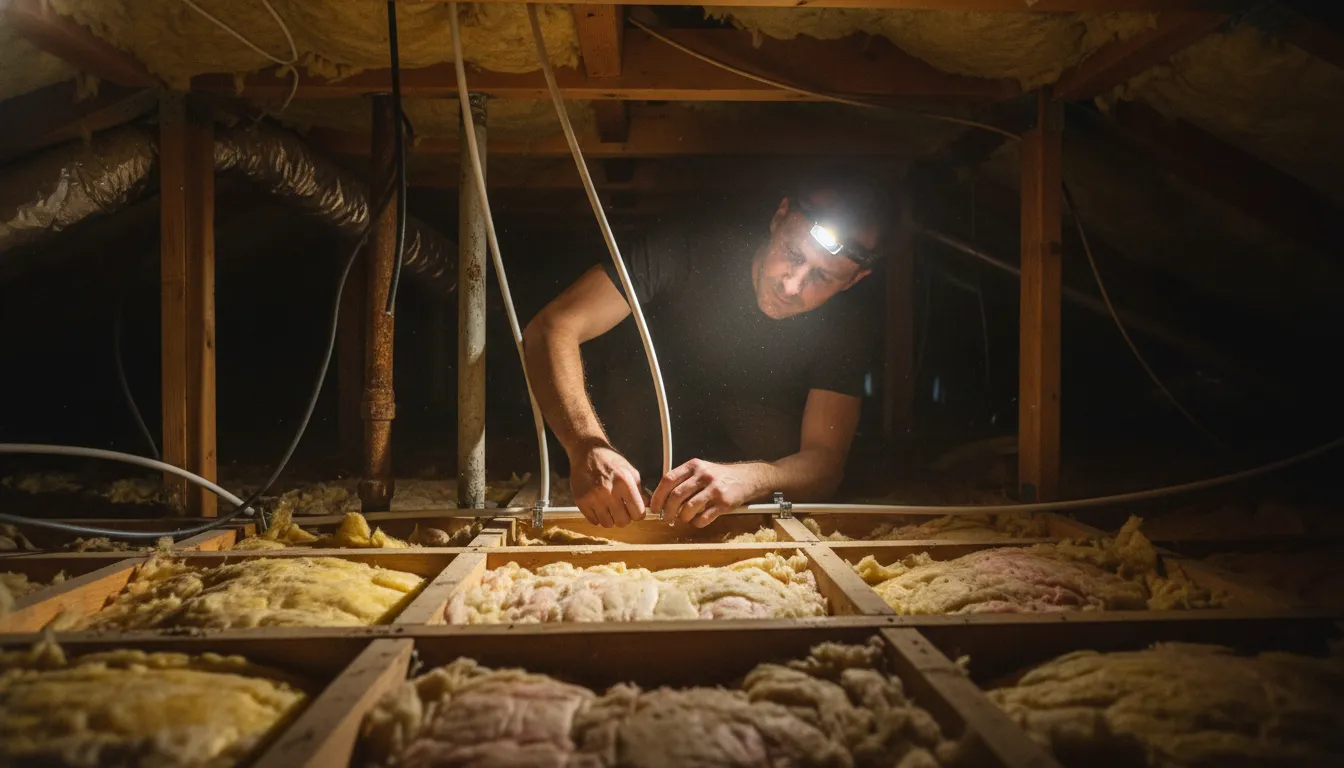
Find the Best Repiping Contractors for Your Business
No obligation • Fast responses • Nationwide coverage

Why you can trust Search a Plumber
Search a Plumber is a leading United States resource for finding and evaluating professional plumbing services. Our team researches licensing, experience, and customer feedback to create unbiased, fact-driven overviews. Companies cannot pay to change ratings or placement, ensuring homeowners get trustworthy information.
Search providers near you
Best Repiping Contractors in Texas Ranked
If your Texas home is showing signs of aging plumbing-like rusty water, low pressure, or frequent leaks-a full repipe may be the most effective long-term solution. This process involves replacing all the old water supply lines in your home with new, durable piping, which can dramatically improve water quality, pressure, and system reliability. For homeowners, navigating this project means understanding the scope of work, material choices, local regulations, and costs to find a qualified professional who can restore your home's plumbing to modern standards.
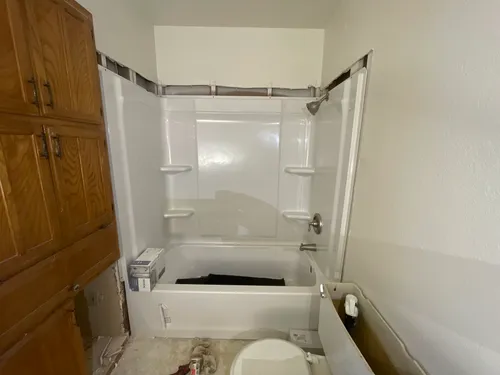
Bow Tie Plumbing
1285 N Main St Suite 306, Mansfield, TX 76063
Bow Tie Plumbing is a family-owned plumbing company serving Arlington, TX, and the broader DFW area. With over 50 years of combined experience, they offer a wide range of services including water heater installation and repair, drain cleaning, sewer line repair, leak detection, repiping, and toilet repair. The company uses advanced techniques such as hydrostatic and smoke testing to identify plumbing issues and provides specialized services like tunneling for foundation access. Bow Tie Plumbing is known for transparent pricing, free estimates within 24 hours, and a 1-year labor warranty on their work.
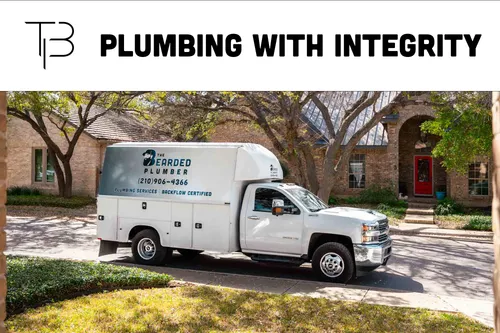
The Bearded Plumber
San Antonio, TX
The Bearded Plumber is a full-service plumbing company based in San Antonio, TX, offering both residential and commercial plumbing solutions. Founded by Jayson Jimenez, who brings a lifetime of industry experience, the company specializes in sewer camera inspections, drain cleaning, sewer line repairs, trenchless sewer repair, leak detection, and repiping services. They use advanced technology such as hydrostatic testing, camera pinpointing, and multifrequency locators to accurately diagnose and repair plumbing issues, including tunneling beneath foundations for precise sewer repairs. The Bearded Plumber is also certified to provide professional backflow plumbing services.
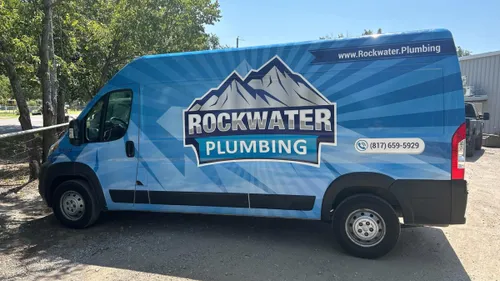
Rockwater Plumbing
509 SW Wilshire Blvd Suite G2, Burleson, TX 76028
Rockwater Plumbing is a plumbing contractor based near Fort Worth, TX, specializing in sewer line repair, leak detection, and repiping services. They handle projects involving the replacement of old cast iron and copper pipes with modern materials like PVC. Rockwater Plumbing is experienced in diagnosing complex plumbing issues, including breaks in cold water lines, and managing challenges such as root intrusion under slabs. The company serves residential clients in the Fort Worth area and is known for thorough problem assessment and comprehensive repiping solutions.
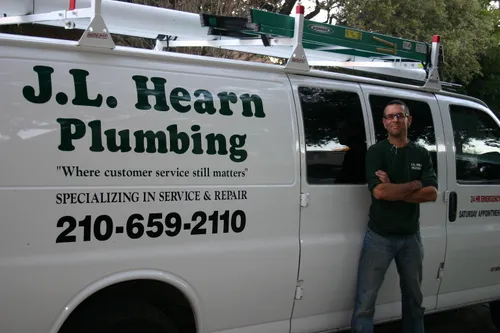
JL Hearn Plumbing
219 Deer Cross Ln, Timberwood Park, TX 78260
JL Hearn Plumbing is a family-owned plumbing company serving San Antonio, TX, and nearby areas including Timberwood Park and Stone Oak. With over 30 years of experience and a Texas Master Plumber license, they provide a wide range of plumbing services such as water heater repair and installation, sewer line cleaning and repair, leak detection, water softener service, and gas line installation. Their team uses advanced equipment for leak detection and offers whole-house water filtration system installations. JL Hearn Plumbing is known for upfront pricing, fast scheduling, and pressure-free service.
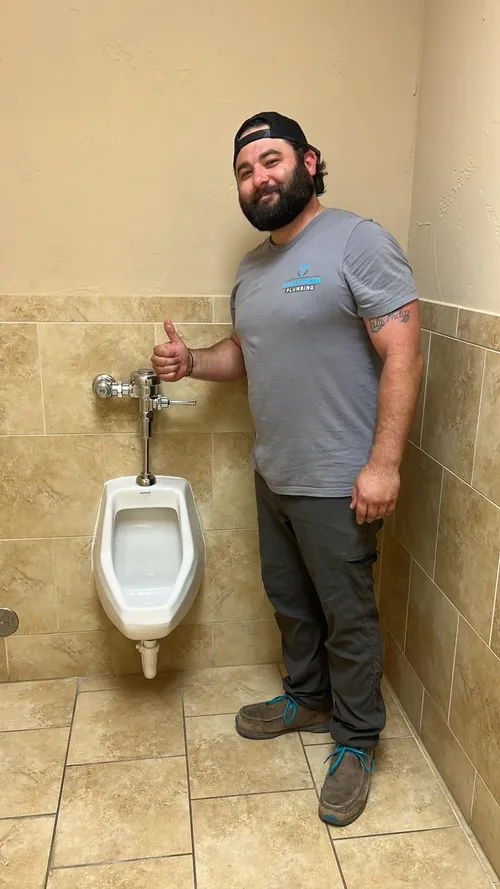
Olde Town Plumbing
28550 I-10 Suite 2, Boerne, TX 78006
Olde Town Plumbing is a locally owned and operated plumbing company serving San Antonio, TX, and nearby areas including Boerne and the Texas Hill Country. They offer a wide range of plumbing services such as sewer camera inspections, water heater repair and installation, water softener installation, drain cleaning, sewer line repair, leak detection, repiping, gas line installation, toilet repair, and garbage disposal repair. The company is known for handling both residential and commercial plumbing needs, including slab leak repairs and whole-house repipes using PEX tubing. Olde Town Plumbing has been recognized by city inspectors and has maintained a strong reputation over the past four years. They also provide 24/7 emergency plumbing services, including after-hours and weekend availability.
What Does a Whole-House Repipe Involve?
A repipe is a significant plumbing upgrade that replaces the entire network of pipes delivering fresh water to your fixtures. It's not a spot repair; it's a comprehensive system renewal. The process typically follows these key steps:
- Initial Assessment: A licensed plumber will conduct a thorough inspection of your existing plumbing. They will identify the type of pipes (e.g., galvanized steel, polybutylene, copper) and diagnose issues like corrosion, pinhole leaks, or mineral buildup that indicate the need for replacement.
- Material Selection: You'll choose between modern piping materials. The most common options are PEX (cross-linked polyethylene) and copper. PEX is flexible, resistant to scale and chlorine, generally easier to install with fewer fittings, and is more affordable. Copper is durable, has a long history of reliable use, and can withstand higher temperatures, but it is more expensive and requires soldering.
- Installation: The plumber will strategically remove sections of drywall, plaster, or flooring to access the old pipes. The outdated plumbing is removed, and the new supply lines are run through the walls, ceilings, and floors to each fixture-including sinks, toilets, showers, and the water heater.
- Fixture Connections & System Test: Each faucet, toilet, and appliance is carefully connected to the new piping. The entire system is then pressurized and tested for leaks before any walls are closed up.
- Wall and Floor Repair: After the plumbing passes inspection, the access points in your walls and floors need to be patched, repaired, and repainted. This restoration work is a separate trade but a critical part of the project's final cost and appearance1.
Key Signs Your Texas Home Needs Repiping
How do you know if you need a few fixes or a full system replacement? Watch for these common indicators of failing plumbing, especially in older Texas homes:
- Discolored Water: Brown, yellow, or reddish water is a classic sign of rust inside galvanized steel pipes. This corrosion can affect water quality and taste.
- Persistently Low Water Pressure: Gradual buildup of rust and mineral deposits inside old pipes restricts water flow, leading to weak showers and slow-filling sinks.
- Frequent or Unexplained Leaks: If you're constantly repairing pinhole leaks in your pipes, it's often a symptom of systemic corrosion. The pipes are failing throughout the system, not just in one spot.
- Outdated or Hazardous Materials: Homes built before the 1960s may have lead supply lines, which pose a serious health risk. Homes built from the 1970s to mid-1990s might have polybutylene pipes, which are prone to sudden failure. Galvanized steel, common in mid-century homes, has a typical lifespan of 40-60 years and corrodes from the inside out 2.
- Planning a Major Renovation: If you're updating a kitchen or adding bathrooms, integrating new fixtures with an old, stressed plumbing system can be problematic. A repipe during renovation ensures your new investment is supported by reliable infrastructure.
Understanding Texas Building Codes, Permits, and Inspections
In Texas, repiping is not a simple DIY job. It is regulated work that must comply with state and local plumbing codes to ensure safety and proper performance.
- Permits Are Required: Virtually all municipalities in Texas require a plumbing permit for a whole-house repipe. Your licensed plumber will typically pull this permit on your behalf. The permit ensures the project is registered with the city and will be inspected.
- Adherence to Codes: Plumbers must follow the current International Plumbing Code (IPC) and any local amendments. These codes govern pipe sizing, material standards, installation methods, and support requirements to prevent future problems3.
- Mandatory Inspections: After installation but before walls are closed, a city inspector will visit to examine the new piping. They verify that the work meets code, uses approved materials, and is leak-free. Passing this inspection is a legal requirement and a crucial quality checkpoint.
Find the perfect repiping contractors for your needs
Get personalized recommendations and expert advice
Cost Factors for Repiping in Texas
The cost to repipe a house in Texas varies widely based on several factors. While every home is unique, understanding these elements will help you interpret estimates.
- Home Size and Layout: The total square footage and number of stories are primary cost drivers. A larger home with more bathrooms and fixtures requires more materials and labor. Complex layouts with multiple walls and tight spaces can increase labor time4 5.
- Pipe Material: This is one of the most significant choices affecting price. PEX repiping is generally the more economical option, with costs for a 2,000 sq. ft. home often ranging from $2,000 to $4,000 for materials and labor. Copper is a premium material, with the same-sized project typically costing between $8,000 and $16,000 due to the cost of the metal and the skilled labor required for soldering.
- Accessibility: The ease of accessing existing pipes greatly impacts labor costs. Pipes in accessible attics, basements, or crawlspaces are cheaper to replace than those buried in concrete slabs or behind finished walls and ceilings.
- Fixture Count: Each sink, toilet, shower, tub, dishwasher, washing machine, and water heater connection adds to the labor and fitting requirements.
- Permits and Labor Rates: Permit fees vary by city. Labor rates also differ between regions (e.g., Houston, Dallas, Austin, San Antonio) and between plumbing companies.
- Wall and Floor Repair: Remember to budget for the drywall, plaster, texture, and paint work needed after the plumber finishes. This is often a separate line item or handled by a different contractor.
Overall, Texas homeowners can expect repiping projects to range from $3,000 for a small, straightforward PEX job to $15,000 or more for a large home with copper piping6 7 8.
Choosing the Right Plumbing Professional
Selecting a qualified contractor is essential for a successful, code-compliant repipe.
- Verify Licensing: Always hire a plumber licensed by the Texas State Board of Plumbing Examiners. A license is your assurance they have the required training and insurance. You can verify a license online9.
- Get Detailed, Written Estimates: Obtain at least three itemized quotes. They should detail the scope of work, the brand and type of pipe material, the number of fixtures, permit fees, and a projected timeline. Be wary of quotes that seem unusually low.
- Check References and Reviews: Ask for references from recent repiping jobs and read online reviews. Look for feedback on professionalism, cleanliness, adherence to schedule, and how they handled any unforeseen issues.
- Ask About the Process: A reputable plumber will clearly explain their plan for minimizing disruption, protecting your home, obtaining permits, scheduling inspections, and coordinating wall repair.
- Ensure Proper Insurance: Confirm the company carries both liability insurance and worker's compensation to protect you and your property.
A whole-house repipe is a substantial investment in your Texas home's health, safety, and value. By replacing failing pipes, you eliminate chronic leaks, restore water pressure and clarity, and gain peace of mind for decades. Taking the time to understand the process, costs, and importance of hiring a licensed professional will guide you to a successful outcome.
Frequently asked questions
Sources
Footnotes
-
What Is Involved With Repiping A House? - HELP Plumbing - https://333help.com/blog/what-is-involved-with-repiping-a-house/ ↩
-
Understand the Cost of Repiping a House: Essential Guide - https://1dayallprorepipes.com/understand-the-cost-of-repiping-a-house-essential-guide/ ↩
-
What to Expect During a Whole House Repipe: Cost, Timeline, and ... - https://go4apes.com/what-to-expect-during-a-whole-house-repipe-cost-timeline-and-installation-process/ ↩
-
What Is Repiping? A Comprehensive Guide - CPI Service - https://cpiservice.com/blog/what-is-repiping/ ↩
-
Repipe Cost Calculator | How Much to Repipe a House in Texas - https://www.repipesolutionsinc.com/repipe-calculator/ ↩
-
2025 Texas Repiping Costs: What Homeowners Need to ... - https://wedorepipes.com/repipe-houston/2025-texas-repiping-costs-what-homeowners-need-to-know-before-upgrading-their-plumbing/ ↩
-
Home Repiping Costs in Texas | Mammoth Plumbing - https://mammothplumbing.com/blog/home-repiping-costs-texas/ ↩
-
How Much Does It Cost to Repipe a House in Texas? - https://santanabrosplumbing.com/how-much-does-it-cost-to-repipe-a-house-in-texas/ ↩
-
Why Hire a Licensed Plumber in Texas - https://www.optionsplumbing.com/about/blog/the-importance-of-hiring-a-licensed-plumber_ae1.html ↩