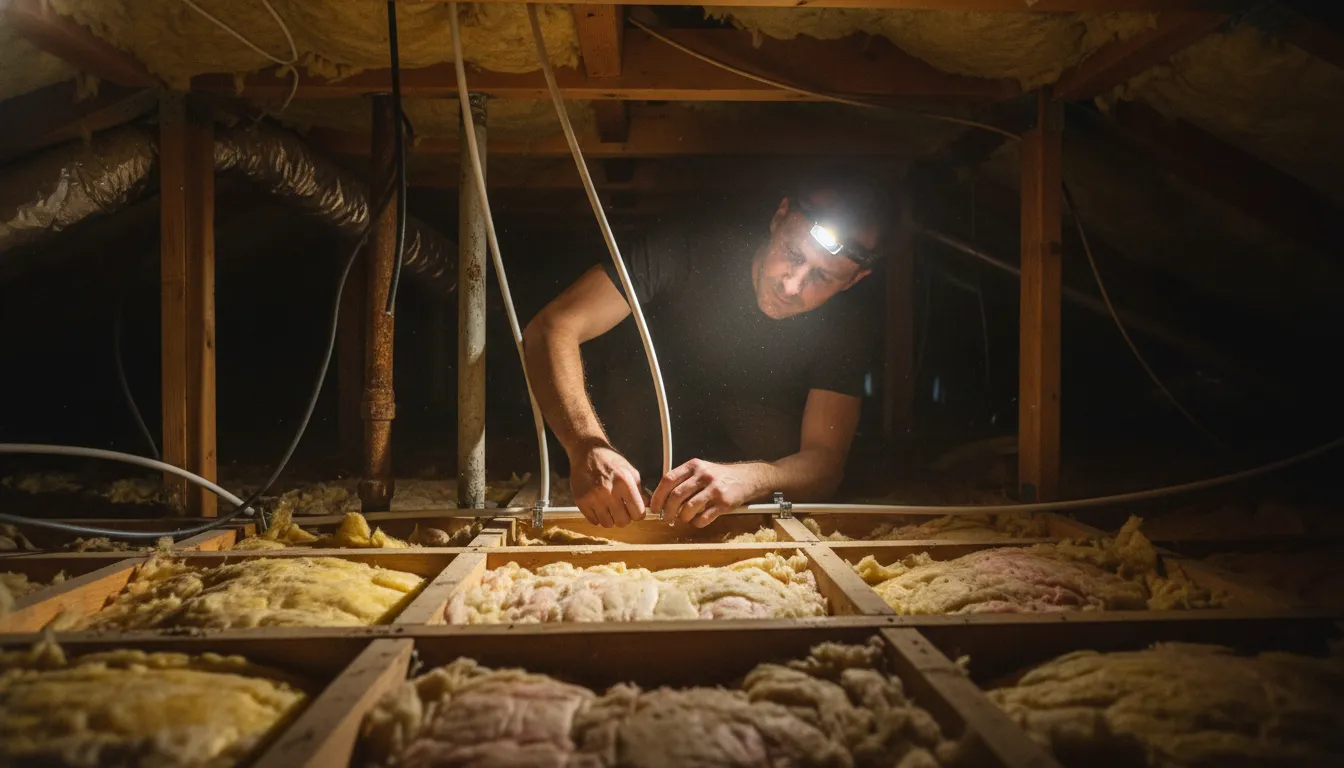
Find the Best Repiping Contractors for Your Business
No obligation • Fast responses • Nationwide coverage

Why you can trust Search a Plumber
Search a Plumber is a leading United States resource for finding and evaluating professional plumbing services. Our team researches licensing, experience, and customer feedback to create unbiased, fact-driven overviews. Companies cannot pay to change ratings or placement, ensuring homeowners get trustworthy information.
Search providers near you
Best Repiping Contractors in California Ranked
Repiping is the process of replacing a home's entire water supply piping system. In California, this is a critical upgrade for many older homes plagued by outdated galvanized steel, lead, or polybutylene pipes that cause low water pressure, leaks, and water quality issues. This guide explains what repiping involves, why it's necessary, and how to find qualified local professionals to ensure your project meets state and local codes for safety and longevity.

All City Plumbing, Air & Electrical
5612 E La Palma Ave, Anaheim, CA 92807
All City Plumbing, Air & Electrical is a full-service plumbing, HVAC, and electrical provider located in Anaheim, CA. They offer a wide range of services including water heater repair and installation, drain cleaning, hydro jetting, sewer line repair, leak detection, repiping, and toilet repair. Their team is licensed, bonded, and insured, with technicians who are ACE Certified and available 24/7 for emergency plumbing and HVAC needs. With over 13 years of experience serving Anaheim and surrounding areas, they use advanced technology to ensure efficient and reliable service.
All American Plumbing Inc.
14260 Garden Rd unit A601, Poway, CA 92064
All American Plumbing Inc. provides a wide range of plumbing services in San Diego, CA. Their offerings include sewer camera inspections, water heater repair and installation, drain cleaning, leak detection, gas line installation, and garbage disposal repair. The company is equipped to handle emergency plumbing situations with 24-hour availability. They emphasize employing highly trained and safety-certified plumbers to deliver reliable service. All American Plumbing is recognized locally for quality work and is considered a leading trade employer in the area.
Dymek's Freedom Plumbing, Inc
2921 E Miraloma Ave #17, Anaheim, CA 92806
Dymek's Freedom Plumbing, Inc is a plumbing service provider based in Anaheim, CA, offering a wide range of residential and commercial plumbing solutions. Their services include sewer camera inspections, water heater installation and repair, drain cleaning, hydro jetting, trenchless sewer repair, leak detection, repiping, and garbage disposal repairs. They utilize advanced technology such as electronic slab leak detection and sewer video inspection to diagnose and address plumbing issues efficiently. With over 25 years of experience, the company emphasizes old-fashioned values combined with modern technology and is available 24/7 for emergency plumbing needs.
Courtesy Plumbing Inc.
7950 Silverton Ave UNIT 113, San Diego, CA 92126
Courtesy Plumbing Inc. provides a wide range of plumbing services for residential and commercial clients in San Diego, CA. Their offerings include water heater installation and repair, tankless water heater services, gas leak repair, repiping, garbage disposal installation, drain cleaning, and leak detection. The company operates a fully equipped fleet and employs licensed, bonded, and insured technicians. With many years of experience, Courtesy Plumbing Inc. is committed to delivering work that meets industry standards.
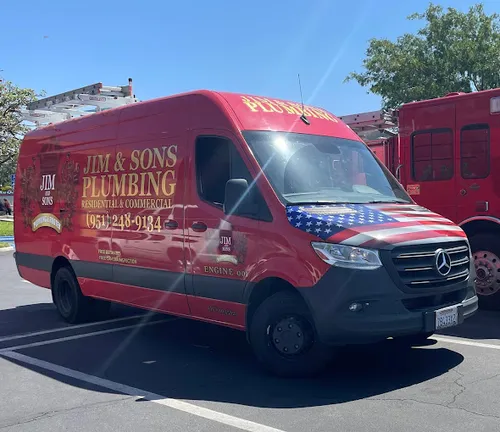
Jim & Sons Plumbing & Rooter
9345 Narnia Dr, Riverside, CA 92503
Jim & Sons Plumbing & Rooter is a family-owned plumbing company serving Riverside, CA, and the surrounding Inland Empire region. Since 1983, they have provided residential and commercial plumbing services including water heater repair and installation, drain cleaning, sewer line repair, leak detection, repiping, gas line installation, and garbage disposal repair. They specialize in trenchless sewer repair techniques such as pipe bursting and cured-in-place lining, which allow sewer line renewal without excavation, preserving landscaping and minimizing environmental impact. The company offers same-day service and is fully licensed and insured.
Why California Homes Need Repiping
Many California communities are home to houses built during mid-century construction booms. These homes often used piping materials that are now known to be problematic. Galvanized steel pipes corrode from the inside out, drastically reducing water flow and eventually springing leaks. Polybutylene pipes, common from the 1970s to 1990s, become brittle and can fail catastrophically. Even some copper pipes from certain eras can be prone to pinhole leaks due to water chemistry. Repiping replaces these failing systems with modern, durable materials like PEX, CPVC, or new copper, restoring reliable water pressure and ensuring clean, safe water throughout your home.
Beyond fixing immediate problems, a full repipe is a long-term investment in your property. It increases home value, prevents catastrophic water damage from sudden pipe bursts, and brings your plumbing up to current California building codes. For homeowners planning renovations or dealing with persistent plumbing issues, repiping is often the most comprehensive and permanent solution.
The Repiping Process: A Step-by-Step Overview
A professional repiping project is a multi-stage process designed for minimal disruption and maximum reliability.
1. Initial Inspection and Assessment A licensed plumber will conduct a thorough evaluation of your existing plumbing system. This involves identifying the pipe materials, mapping the layout, locating the main water shut-off, and assessing the extent of corrosion or damage. This inspection is crucial for creating an accurate plan and quote.
2. Planning and Permitting Based on the inspection, your plumber will recommend the best new pipe material (PEX, CPVC, or copper) for your home and budget. They will then pull the necessary permits from your local city or county building department. Permits are mandatory in California to ensure the work complies with the state's stringent plumbing and safety codes.
3. Gaining Access and Pipe Removal To reach the old pipes, strategic access points are created in walls, ceilings, or floors. Plumbers aim to be as minimally invasive as possible. The old, compromised pipes are then carefully removed and disposed of.
4. Installation of New Piping The new network of hot and cold water lines is installed. Modern materials like PEX (cross-linked polyethylene) are popular due to their flexibility, which often allows for easier installation with fewer fittings and less wall cutting compared to rigid pipes.
5. Pressure Testing and Inspection Once installed, the new system is pressurized and tested for leaks. A city inspector will typically perform a "rough-in" inspection at this stage before the walls are closed up. After the system passes, the water is turned on and the system is flushed.
6. System Flush and Restoration The final step involves patching drywall, replastering, and repainting the access areas. It's important to note that while some plumbing companies offer restoration services, this is often a separate line item or may require coordination with a general contractor 1.
Find the perfect repiping contractors for your needs
Get personalized recommendations and expert advice
Understanding Repiping Costs in California
The cost to repipe a house in California varies significantly based on several key factors. Statewide, homeowners can expect a general range of $3,000 to $15,000 or more for a full repipe 2. In high-cost regions like the San Francisco Bay Area or Sacramento, costs frequently range from $5,000 to over $30,000 3 4.
Here's what influences the final price:
- Home Size and Layout: A larger home with more bathrooms and a complex layout requires more materials and labor. Square footage is a primary cost driver.
- Pipe Material Choice: PEX and CPVC are generally the most cost-effective materials. Copper is more expensive due to the material cost but is prized for its longevity. Your plumber can advise on the best choice for your home's water chemistry and your budget.
- Labor and Access: Labor typically constitutes about 70% of the total repiping cost 5. Difficult access, such as pipes running through concrete slabs or finished ceilings, increases labor time and complexity.
- Location and Permits: Costs are higher in metropolitan areas like Los Angeles, San Francisco, and San Diego due to higher labor rates and permit fees.
- Restoration Work: The cost to patch, texture, and paint walls after the plumbing work is complete is often not included in the base plumbing quote and should be budgeted separately.
Choosing the Right Pipe Material
Modern repiping in California primarily uses three materials, each with its own advantages.
- PEX (Cross-Linked Polyethylene): This flexible, plastic tubing is the most popular choice for repipes. It's corrosion-resistant, scales minimally, and is relatively inexpensive. Its flexibility allows for long runs with fewer connections, reducing potential leak points. It is also freeze-resistant to a degree. PEX is approved for use under the California Plumbing Code 6.
- CPVC (Chlorinated Polyvinyl Chloride): A rigid plastic pipe that is glued together at fittings. CPVC is also affordable and resistant to corrosion. It can be a good choice, though it may become brittle over time and is more susceptible to damage from freezing than PEX.
- Copper: The traditional, durable standard. Copper pipes have a proven lifespan of 50+ years, resist bacterial growth, and can handle high heat. The main drawbacks are significantly higher material cost and the skill required for soldering joints. It remains a top-tier, code-approved choice for those prioritizing longevity.
Permits and Code Compliance in California
Repiping is not a DIY project in California. State and local building codes strictly govern plumbing work to protect public health and safety.
- Permits Are Required: A licensed plumbing contractor must obtain a permit before starting work. This ensures the project is registered with the city and will be inspected 7.
- Mandatory Inspections: The work will undergo at least one, and often two, inspections by a city building inspector. A "rough-in" inspection happens after the new pipes are installed but before the walls are closed. A final inspection may be required after restoration. Passing inspection provides official verification that your new system is safe and up to code 8 9.
- Licensing: Always hire a contractor who holds a valid C-36 Plumbing license from the California Contractors State License Board (CSLB). This is your assurance of their training, experience, and legal accountability.
Signs Your California Home May Need Repiping
How do you know if it's time to consider this major project? Look for these common indicators:
- Discolored Water: Brown, yellow, or rusty water, especially when first turning on the tap.
- Low Water Pressure: A gradual or sudden decrease in water flow from faucets and showerheads, often caused by internal pipe corrosion.
- Frequent Leaks: Recurring pinhole leaks or leaks at multiple joints signal a system-wide failure.
- Visible Pipe Corrosion: If you can see pipes in a basement or crawlspace, look for signs of rust, flaking, or green patina (on copper).
- Water Quality Issues: A metallic taste or odor in your drinking water.
- Noisy Pipes: Loud banging, clanging, or whistling sounds when water is running.
If you're experiencing several of these issues in a home built before 1990, a professional inspection is highly recommended.
Frequently asked questions
Sources
Footnotes
-
How Much Does It Cost to Repipe a House? - CPI Service - https://cpiservice.com/blog/how-much-does-repiping-cost/ ↩
-
How Much Does It Cost to Repipe a House in California - https://cycloneplumbingusa.com/how-much-does-it-cost-to-repipe-a-house-in-california/ ↩
-
How Much Does It Cost to Repipe a House in the Bay Area? - https://total-uc.com/how-much-does-it-cost-to-repipe-a-house/ ↩
-
How Much Does It Cost to Repipe a House in California - https://cycloneplumbingusa.com/how-much-does-it-cost-to-repipe-a-house-in-california/ ↩
-
How Much to Repipe a House in California? - Guardian Plumbers - https://guardianplumbers.com/how-much-to-repipe-a-house-in-ca/ ↩
-
What to Expect During a Home Repiping Process - Vito Services - https://vitoservices.com/what-to-expect-during-a-home-repiping-process/ ↩
-
What Is Repiping? A Comprehensive Guide | CPI Service - https://cpiservice.com/blog/what-is-repiping/ ↩
-
Complete Guide to Home Repiping in Sacramento - https://www.sacramentoplumbingsolutions.com/complete-guide-to-home-repiping-in-sacramento/ ↩
-
Whole Home Repiping | San Diego, CA - Mauzy - https://mauzy.com/services/plumbing/whole-home-repiping/ ↩