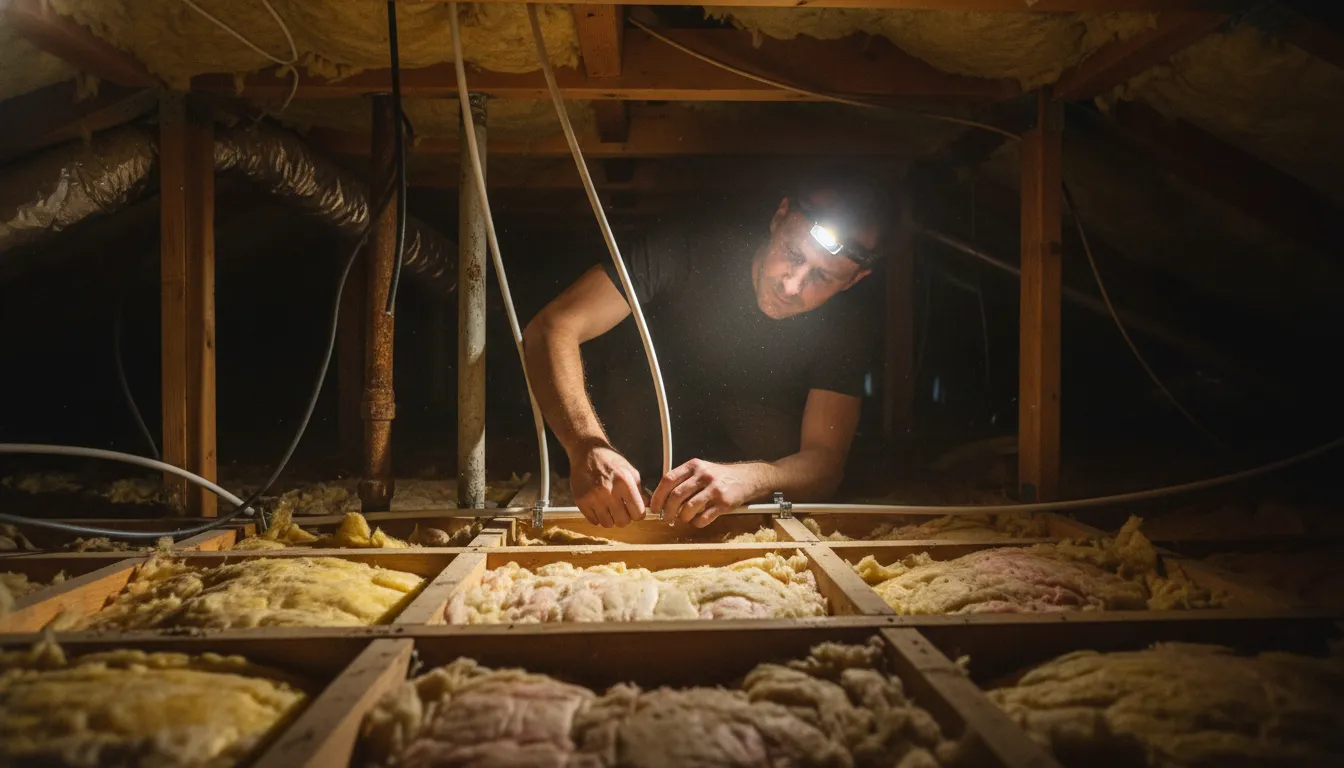
Find the Best Repiping Contractors for Your Business
No obligation • Fast responses • Nationwide coverage

Why you can trust Search a Plumber
Search a Plumber is a leading United States resource for finding and evaluating professional plumbing services. Our team researches licensing, experience, and customer feedback to create unbiased, fact-driven overviews. Companies cannot pay to change ratings or placement, ensuring homeowners get trustworthy information.
Search providers near you
Best Repiping Contractors in Illinois Ranked
Repiping is the comprehensive process of replacing a home's old, failing water supply and drain lines with new, modern piping. In Illinois, where many homes have aging galvanized steel or even lead pipes, this major plumbing project is often necessary to restore water pressure, improve water quality, and prevent catastrophic leaks. Understanding the scope, costs, and local requirements helps homeowners make informed decisions and connect with qualified local professionals to handle this critical upgrade.
Keeley's Plumbing
270 Eisenhower Ln N #6, Lombard, IL 60148
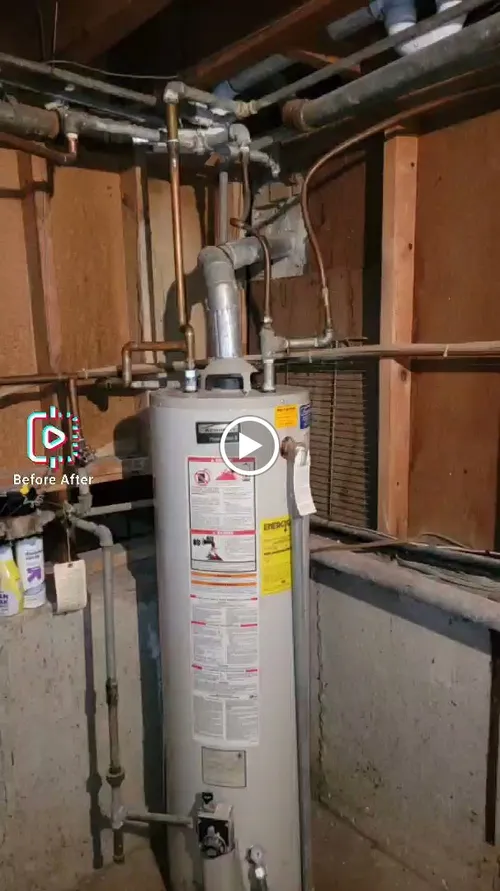
Keeley's Plumbing is a locally owned plumbing company serving Chicago, IL, and nearby areas including DuPage County. They provide a range of plumbing services for residential and commercial clients, including drain cleaning, sewer camera inspections, sewer line repair and replacement, repiping, water heater repair, sump pump repair, gas line installation, and hydro jetting. Keeley's Plumbing uses sewer camera inspections to accurately diagnose issues before recommending repairs. The company offers 24/7 emergency plumbing services and focuses on serving a limited area to maintain local code knowledge and reduce travel times.
Walsh & Son Plumbing and Sewer
Chicago, IL
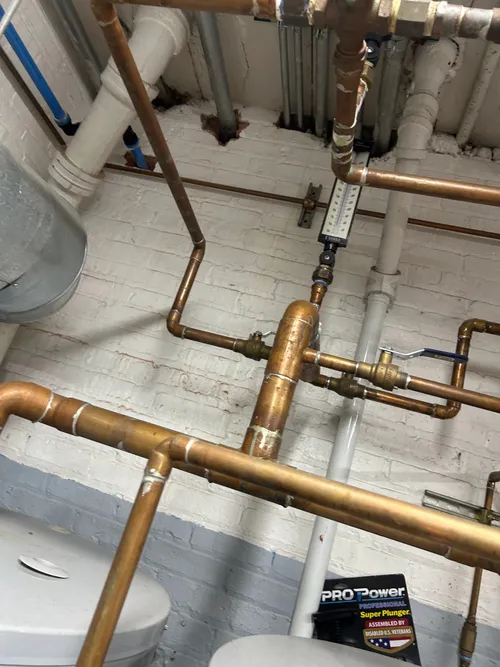
Walsh & Son Plumbing and Sewer is a licensed plumbing company serving Chicago, IL, and the surrounding Chicagoland area. Since 2013, this family- and woman-owned business has provided a range of plumbing services including sewer line repair, water heater installation and repair, sump pump maintenance, drain cleaning, leak detection, repiping, and gas line installation. Their team uses advanced technology for sewer camera inspections and offers a 10-year warranty on pipe installations, reflecting their commitment to durable workmanship. They also provide fast, same-day responses to plumbing issues and offer discounts for seniors, veterans, and first responders.
Legendary Service
960 Rand Rd Suite 200F, Des Plaines, IL 60016
Legendary Service is a plumbing and home comfort provider serving Chicago, IL. They offer a range of services including water heater repair and installation, water softener installation, drain cleaning, repiping, toilet repair, and garbage disposal repair. With over 40 years of combined experience, their licensed team handles plumbing and HVAC needs with thoroughness and professionalism. They also provide indoor air quality solutions and maintenance plans to support ongoing home system care.
The All Pipes INC.
255 Holly Ln, Elk Grove Village, IL 60007
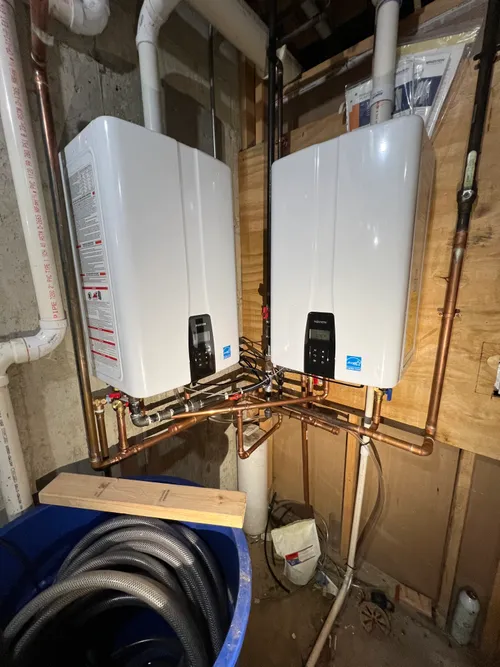
The All Pipes INC. is a licensed and insured plumbing company serving Chicago, IL. They provide a wide range of plumbing services including water heater repair and installation, trenchless sewer repair, sump pump installation, leak detection, and hydro jetting for drain cleaning. The company offers both residential and commercial plumbing solutions and specializes in tankless water heater installations to help reduce energy costs. Founded by Grigor Ganchev, who has built his career in plumbing over many years, The All Pipes INC. emphasizes integrity and clear communication with clients to maintain lasting relationships.
Elevate Plumbing
2307 Edna Ave, Park Ridge, IL 60068
Elevate Plumbing is a plumbing contractor serving Chicago, IL, and the surrounding areas including Park Ridge. They provide a range of residential and commercial plumbing services such as water heater installation and repair, sewer line replacement, sump pump repair, drain cleaning, and gas line installation. The company is licensed by the Illinois Department of Public Health and is known for handling projects with permits and up-to-code workmanship. Elevate Plumbing offers expertise in sewer line replacement and tankless water heater installation, with a focus on clear communication and customer collaboration.
Why Illinois Homes Often Need Repiping
The plumbing infrastructure in many Illinois homes, particularly those built before the 1970s, is reaching the end of its service life. The most common culprit is galvanized steel pipe, which was the standard for decades. Over time, these pipes corrode from the inside out, severely restricting water flow and contaminating water with rust 1. In some very old homes, lead service lines or pipes may still be present, posing a serious health risk 2.
The state's climate also plays a role. Seasonal temperature extremes, especially deep winter freezes, put significant stress on plumbing systems. Old, weakened pipes are more susceptible to bursting during cold snaps, leading to urgent and expensive repairs 3. Repiping with modern materials not only solves existing problems but also provides a more resilient system for the future, ensuring reliable water delivery and protecting your home from water damage.
Signs Your Illinois Home Needs a Repipe
How do you know if your plumbing issues warrant a full repipe rather than just spot repairs? Look for these persistent warning signs:
- Discolored Water: Brown, yellow, or reddish water is a classic sign of internal pipe corrosion, especially with galvanized steel.
- Low Water Pressure: A gradual or sudden drop in pressure at multiple fixtures often indicates significant mineral buildup and narrowing inside the pipes.
- Frequent Leaks: If you're constantly patching pinhole leaks, the entire pipe system is likely compromised and failing.
- Metallic Taste: Water that tastes like metal is a direct result of corroding pipes.
- Visible Corrosion: Check pipes in your basement, under sinks, or in crawl spaces. Flaking, rust, and visible mineral deposits on the exterior are bad signs.
If you're experiencing a combination of these issues, temporary fixes are likely throwing good money after bad. A professional assessment for a whole-house repipe is the prudent long-term solution 4.
The Repiping Process: What to Expect
A full home repipe is a significant project that typically takes several days. Understanding the steps involved can help you prepare.
- Comprehensive Assessment: A licensed plumber will conduct a thorough inspection of your entire plumbing system, identify the existing pipe materials, and map out the best routing for the new lines 5.
- Planning & Permits: Your plumber will determine the new pipe material (PEX, copper, or CPVC) and apply for any required local permits. In Illinois, plumbing permits are almost always mandatory for repiping work.
- Access and Demolition: To reach the old pipes, controlled openings need to be made in walls, ceilings, or floors. A professional crew will minimize damage and contain the work area.
- Removal and Installation: The old pipes are carefully removed, and the new piping system is installed. This includes both hot and cold water supply lines and, in some cases, drain lines 6.
- System Connection and Testing: The new system is connected to your water main and fixtures. The plumber will perform rigorous pressure tests to ensure there are no leaks before the walls are closed up 7.
- Inspection: A municipal inspector will visit to verify the new installation meets all state and local plumbing codes.
- Restoration and Cleanup: Once the system passes inspection, the plumber or your contractor will patch the access holes, returning your walls and floors to a finished state. The job site is thoroughly cleaned up 8.
Find the perfect repiping contractors for your needs
Get personalized recommendations and expert advice
Material Options for Your New Pipes
Choosing the right pipe material is a key decision in the repiping process, affecting cost, longevity, and performance.
- PEX (Cross-linked Polyethylene): This has become the most popular choice for repiping. PEX is flexible, making it easier and faster to install with fewer fittings, which reduces potential leak points. It's resistant to scale and corrosion, performs well in freezing conditions (it can expand), and is generally the most cost-effective option 9.
- Copper: The long-time gold standard, copper is extremely durable and has a proven track record of lasting 50+ years. It resists bacteria growth and can handle high heat. However, it is more expensive than PEX, requires soldering, and is susceptible to theft from vacant properties. It's also a rigid material, making installation in finished walls more invasive.
- CPVC (Chlorinated Polyvinyl Chloride): CPVC is a rigid plastic pipe that is glued together. It's cheaper than copper and resistant to corrosion. Its main drawbacks are that it can become brittle over time and may not be allowed by all local Illinois codes, so verification is essential.
Your licensed plumber can advise on the best material for your specific home, budget, and local municipal requirements.
Understanding Repiping Costs in Illinois
The cost to repipe a house in Illinois varies widely based on several factors. Homeowners can expect a general range from $4,000 to over $15,000 for a complete repipe 10 11 12.
Primary Cost Factors:
- Home Size and Layout: The number of bathrooms, kitchens, and stories directly impacts the amount of material and labor required. A large, multi-story home with complex layouts will cost more than a small ranch 13.
- Pipe Material: As noted, copper is typically 20-40% more expensive than PEX when factoring in both material and labor 14.
- Scope of Work: A "full repipe" replaces all supply lines. A "partial repipe" may only address a problematic section or one bathroom, which costs less but may not be a permanent fix.
- Labor and Accessibility: If pipes are easily accessible in an unfinished basement, costs are lower. Fishing pipes through finished walls and ceilings increases labor time and restoration work 15.
- Local Permit and Inspection Fees: These vary by city and are an additional cost to the project.
While this is a substantial investment, it should be viewed as a long-term solution that increases home value, prevents recurring repair bills, and provides peace of mind.
Illinois and Local Code Compliance
Illinois does not have a single, statewide plumbing code adopted for all municipalities. Instead, local governments (cities, counties, villages) adopt and enforce their own codes, often based on model codes like the International Plumbing Code (IPC) or the Illinois Plumbing Code.
This local variance is critical. For example, the City of Chicago has its own strict plumbing code and permit process, which may have different requirements for materials, venting, and installation methods than a suburb 30 miles away 16. A plumber licensed to work in your specific municipality will be familiar with these local rules. They will pull the necessary permits and schedule the required inspections, ensuring your new system is legal, safe, and insurable.
Frequently asked questions
Sources
Footnotes
-
Whole-House Repiping: When Is It Time to Replace Your Old ... - https://www.sunkelplumbing.com/plumbing-tips/whole-house-repiping-when-is-it-time-to-replace-your-old-pipes ↩
-
What You Need to Know About Repiping Your Home - WiseMonkey - https://wisemonkeyrepipe.com/repiping-your-home/ ↩
-
Repiping Installation in Chicagoland, IL - https://precisiontoday.com/plumbing/repiping/ ↩
-
Common Plumbing Repair Needs in Older Homes - https://warnerservice.com/blog/plumbing-repair-in-older-homes ↩
-
Pipe Repair vs. Repiping | How to Know When It's Time for a Repipe - https://stevehuffplumbing.com/pipe-repair-vs-repiping-guide/ ↩
-
What Is Involved in Repiping a House? - Apollo HVAC & Plumbing - https://gotoapollo.com/2024/03/06/what-is-involved-in-repiping-a-house/ ↩
-
Repipe Plumbing: What to Expect from Start to Finish - https://www.showtimeplumbingllc.co/repipe-plumbing-what-to-expect-from-start-to-finish ↩
-
What the Residential Repiping Process Involves - https://www.trmillerheatingandcooling.com/what-the-residential-repiping-process-involves/ ↩
-
The Common Materials of Modern Plumbing Pipes - https://www.snellair.com/blog/plumbing-service/common-materials-modern-plumbing-pipes/ ↩
-
How Much to Repipe a House: A Comprehensive Cost Guide - https://www.benjaminfranklinplumbing.com/league-city/blog/2024/december/how-much-to-repipe-a-house-a-comprehensive-cost-guide/ ↩
-
Repiping a House: What's Involved & How Much it Costs - https://www.rjtilley.com/blog/2022/january/repiping-a-house-what-s-involved-how-much-it-cos/ ↩
-
How Much Does Repiping A House Cost | All Aloha Plumbing - https://allalohaplumbing.com/how-much-does-repiping-a-house-cost/ ↩
-
How Much to Repipe a House: Understanding Costs and ... - https://www.benjaminfranklinplumbing.com/league-city/blog/2025/march/how-much-to-repipe-a-house-understanding-costs-and-factors/ ↩
-
Repiping a House: Essential Guide | American Mains & Drains - https://www.americanmainsanddrains.com/post/repiping-a-house-guide ↩
-
What is Involved in Repiping a House? - https://www.callswan.com/a-quick-guide-to-repiping-your-home ↩
-
Plumbing Work - City of Chicago - https://www.chicago.gov/city/en/sites/guide-to-building-permits/home/instructions/EPP/PLUMB.html ↩