Find the Best Repiping Contractors for Your Business
No obligation • Fast responses • Nationwide coverage

Why you can trust Search a Plumber
Search a Plumber is a leading United States resource for finding and evaluating professional plumbing services. Our team researches licensing, experience, and customer feedback to create unbiased, fact-driven overviews. Companies cannot pay to change ratings or placement, ensuring homeowners get trustworthy information.
Search providers near you
Best Repiping Contractors in Vermont Ranked
Repiping is the comprehensive process of replacing a home's aging or failing water supply and drain lines with new, modern piping. In Vermont, this major plumbing project is essential for maintaining water quality, preventing leaks, and ensuring the long-term health of your home's infrastructure. This guide explains what Vermont homeowners need to know about the repiping process, state-specific regulations, costs, and how to find qualified local professionals to handle this critical upgrade.
Understanding the Repiping Process
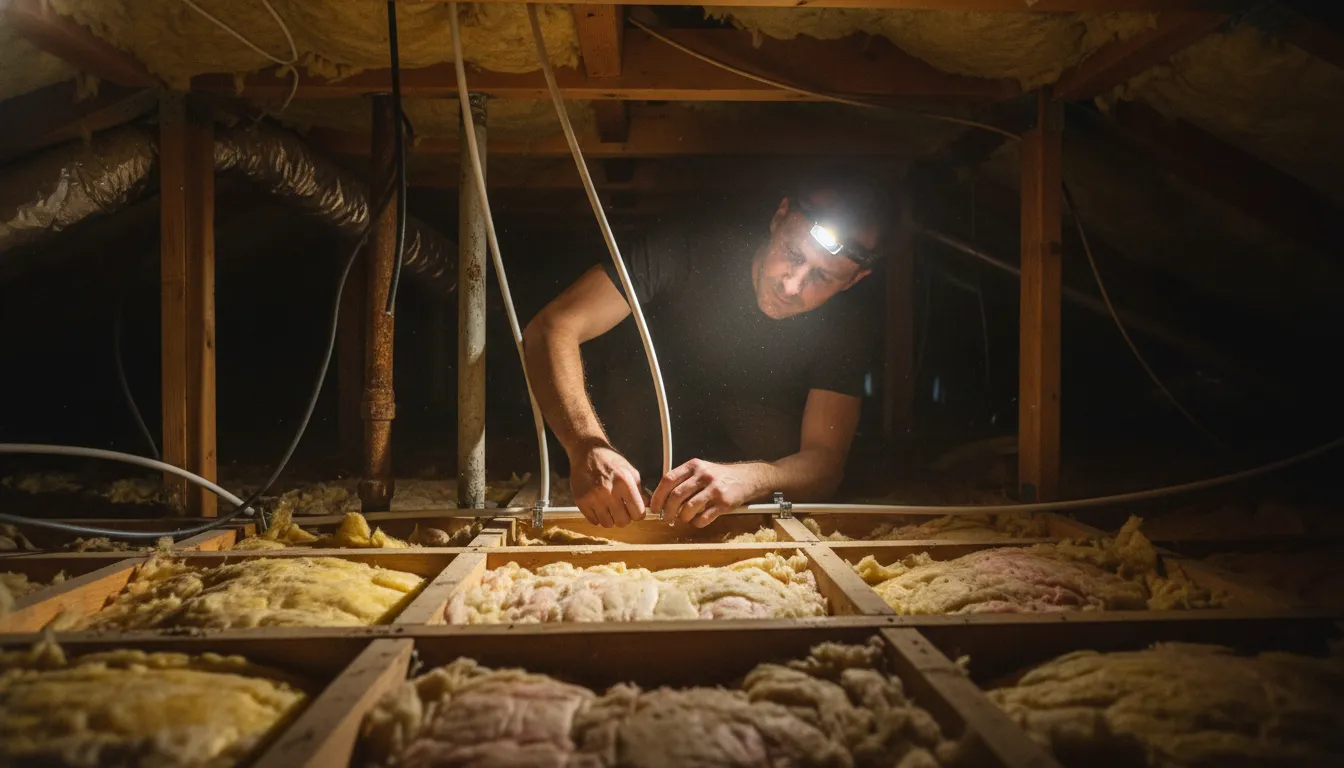
A full home repipe is a significant undertaking that replaces all the pipes delivering hot and cold water throughout your house. In Vermont's older housing stock, this is often necessary to address corrosion in galvanized steel pipes, scale buildup, or persistent leaks that point to systemic failure. The goal is to restore reliable water pressure and ensure clean water for decades to come.
The project follows a structured sequence from assessment to restoration:
- Assessment & Planning: A licensed plumber will conduct a thorough inspection of your existing system to determine the scope of work, identify the best pipe routing, and select appropriate materials.
- Preparation: The water supply to the home is shut off. The work area is prepared by protecting floors and furniture, and access points are created in walls or ceilings where necessary.
- Removal & Installation: Old pipes are carefully removed. New pipes, typically PEX or copper, are installed according to the planned layout.
- Pressure Testing: Before walls are closed, the new system is pressurized and tested for leaks to ensure a perfect seal 1.
- Restoration & Cleanup: Once the plumbing passes inspection, walls and ceilings are repaired, and the work area is thoroughly cleaned up 2.
Vermont Plumbing Codes and Permits
Plumbing work in Vermont is governed by the Vermont Plumbing Rules, which are designed to protect public health and safety. Compliance is not optional for most repiping projects.
- Permit Requirements: Any plumbing alteration in an existing building connected to a public water or sewer system typically requires a permit and a filed work notice. An important exception exists for work on owner-occupied, single-family homes that use private wells and septic systems; however, even in these cases, adherence to state code is strongly advised for safety and future home saleability.
- Mandatory Inspections: For permitted work, a final inspection by a state-appointed plumbing inspector is required to approve the installation 3.
- Approved Materials: The code specifies which piping materials are approved for use in Vermont. Your plumber must use materials that meet these standards for potable water systems 4 5.
Hiring a plumber familiar with Vermont's specific rules is crucial to navigating this process smoothly and avoiding costly corrections.
Cost Factors for Repiping in Vermont
The cost to repipe a house in Vermont varies widely based on several key factors. Homeowners should budget for the entire project, which includes materials, labor, permits, and restoration work.
Primary Cost Drivers:
- Home Size & Layout: A larger home with more bathrooms and fixtures requires more pipe and labor. Multi-story homes and complex layouts increase complexity and cost.
- Pipe Material Choice: This is the most significant variable.
- PEX (Cross-linked Polyethylene): A popular, flexible, and cost-effective option. Repiping an average Vermont home with PEX typically ranges from $2,000 to $5,000 6.
- Labor & Accessibility: If pipes are easily accessible in basements or crawl spaces, costs are lower. Cutting into finished walls and ceilings to access hidden pipes adds significant labor time and drywall repair costs 10 11.
- Permits & Inspections: Local permit fees and any required inspection costs will add to the total project price.
Find the perfect repiping contractors for your needs
Get personalized recommendations and expert advice
What to Expect During a Repipe: Managing Disruption
A whole-house repipe is disruptive, but proper planning minimizes the hassle. Expect a temporary shutdown of all water in your home for the duration of the active installation phase, which can last several days. Your plumber should provide a clear timeline.
Tips for Homeowners:
- Plan for Alternate Water: Arrange for temporary water access, such as using a neighbor's hose or filling containers, for drinking and basic needs.
- Protect Belongings: Move furniture and valuables away from work areas. Dust will be generated from cutting drywall.
- Coordinate Restoration: Understand who is responsible for patching and painting walls-some plumbing companies handle basic repair, while others coordinate with or recommend drywall contractors.
- Communicate: Maintain open communication with your plumbing contractor about the daily schedule and any concerns.
Signs You May Need a Repipe
How do you know if spot repairs are enough or if a full repipe is warranted? Look for these common indicators:
- Discolored Water: Rusty or brown water, especially after periods of non-use, points to significant internal pipe corrosion.
- Consistently Low Water Pressure: Gradual pressure loss across multiple fixtures often indicates widespread scale buildup or pipe narrowing.
- Frequent Leaks: If you're constantly fixing pinhole leaks in different areas, the entire pipe system may be failing 12.
- Visible Corrosion: Check pipes in your basement or under sinks. Flaking, heavy rust, or green patina on copper joints are visual red flags 13.
If you're experiencing multiple issues, a professional assessment from a licensed Vermont plumber is the best next step to evaluate your system's condition and discuss your options.
Choosing Materials: PEX vs. Copper
The two most common materials for repiping in Vermont are PEX and copper. Each has its advantages.
-
PEX Tubing:
-
Pros: Highly resistant to freezing and scale, flexible for easier installation with fewer fittings, and generally more affordable.
- Cons: Cannot be used outdoors where exposed to UV light, and requires special fittings for connections.
-
Copper Pipe:
-
Pros: Long-standing durability and reliability, resistant to bacteria, and can be used indoors and outdoors.
- Cons: Significantly higher material cost, requires soldering (which uses an open flame), and is susceptible to theft from construction sites.
Your plumber can help you weigh these factors against your budget and home's specific needs to make the right choice.
Frequently asked questions
Sources
Footnotes
-
Repipe Plumbing: What to Expect from Start to Finish - https://www.showtimeplumbingllc.co/repipe-plumbing-what-to-expect-from-start-to-finish ↩
-
What the Residential Repiping Process Involves - https://www.trmillerheatingandcooling.com/what-the-residential-repiping-process-involves/ ↩
-
VERMONT PLUMBING RULES - https://firesafety.vermont.gov/sites/firesafety/files/files/rules/dfs_rules_plumbing_current.pdf ↩
-
VERMONT PLUMBING RULES - https://firesafety.vermont.gov/sites/firesafety/files/Rules/2025%20Vermont%20Plumbing%20Rules.pdf ↩
-
VERMONT PLUMBING RULES - https://firesafety.vermont.gov/sites/firesafety/files/Rules/2025%20Draft%20VT%20Plumbing%20Rules%20Annotated.pdf ↩
-
Understand the Cost of Repiping a House: Essential Guide - https://1dayallprorepipes.com/understand-the-cost-of-repiping-a-house-essential-guide/ ↩
-
3 Signs Your Home Needs to be Completely Repiped - Scaran - https://www.scaran.com/blog/plumbing-service/3-signs-your-home-needs-to-be-completely-repiped/ ↩
-
Repiping a House: What's Involved & How Much it Costs - https://www.rjtilley.com/blog/2022/january/repiping-a-house-what-s-involved-how-much-it-cos/ ↩
-
Repiping Costs Explained: Upgrade Plumbing in Lee County FL - https://leecountyplumbingandwellservice.com/cost-to-repipe-a-house-guide/ ↩
-
What Is Involved With Repiping A House? - HELP Plumbing - https://333help.com/blog/what-is-involved-with-repiping-a-house/ ↩
-
How Much to Repipe a House: A Comprehensive Cost Guide - https://www.benjaminfranklinplumbing.com/league-city/blog/2024/december/how-much-to-repipe-a-house-a-comprehensive-cost-guide/ ↩
-
Pipe Repair vs. Repiping | How to Know When It's Time for a Repipe - https://stevehuffplumbing.com/pipe-repair-vs-repiping-guide/ ↩
-
Repipe Plumbing: When and Why Your Home Might Need It - https://magnificentplumbing.com/when-and-why-your-home-might-need-repipe-plumbing/ ↩