Find the Best Gas Line Plumbing Companies for Your Business
No obligation • Fast responses • Nationwide coverage

Why you can trust Search a Plumber
Search a Plumber is a leading United States resource for finding and evaluating professional plumbing services. Our team researches licensing, experience, and customer feedback to create unbiased, fact-driven overviews. Companies cannot pay to change ratings or placement, ensuring homeowners get trustworthy information.
Search providers near you
Top Gas Line Plumbing Companies in Miami, Florida Ranked
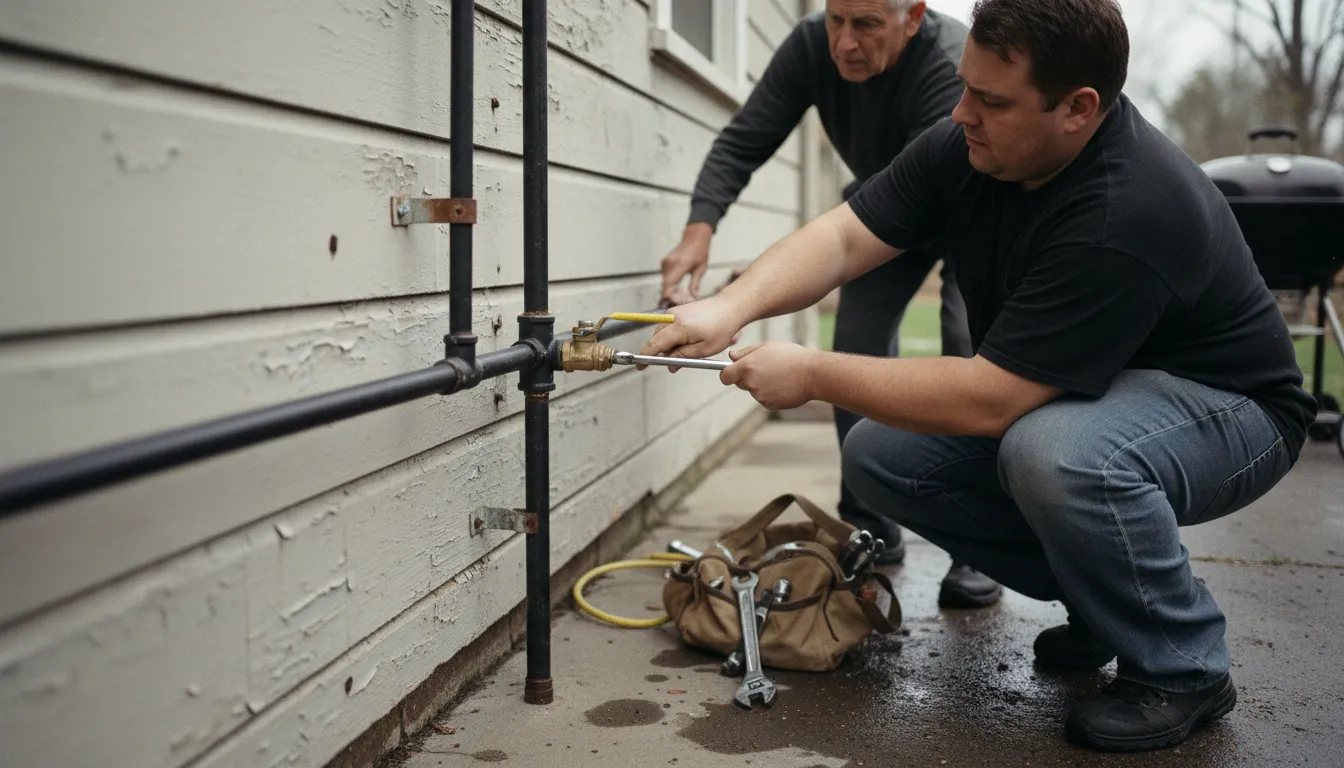
Connecting your home or business to natural gas can enhance your property's functionality and efficiency, powering everything from stoves and dryers to water heaters and fireplaces. However, working with gas lines is a specialized field that demands strict adherence to safety codes and local regulations. This guide explains the critical steps, from planning and permitting to installation and inspection, helping you understand what to expect when you need gas line services in Miami.
Paramount Plumbing Services
20911 Johnson St #130, Pembroke Pines, FL 33029
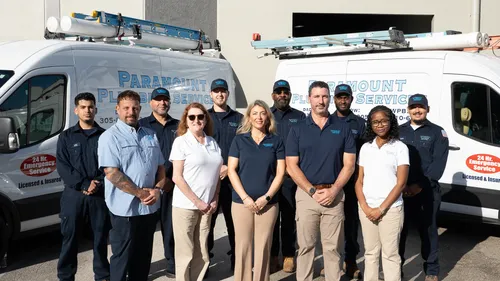
Paramount Plumbing Services provides a wide range of plumbing solutions in Miami, FL, including sewer camera inspections, water heater repairs and installations, drain cleaning, hydro jetting, and trenchless sewer repairs. They specialize in emergency plumbing services, offering 24/7 availability for urgent issues such as burst pipes, sewage backups, and gas leaks. Their team uses specialized equipment like submersible pumps and night vision tools to manage crises effectively. Paramount Plumbing Services also supports customers with insurance documentation and post-emergency follow-up to ensure complete restoration.
Reliable Construction & Plumbing
532 Briarwood Cir, Hollywood, FL 33024
Reliable Construction & Plumbing is a plumbing and gas fitting service provider based in Miami, FL. They offer a range of services including drain cleaning, sewer line repair, leak detection, and gas line installation. The company emphasizes preventative drain cleaning and provides 24/7 emergency plumbing services to address urgent issues promptly. Their sewer line repair service focuses on preventing extensive property damage and health risks caused by cracked pipes. Reliable Construction & Plumbing operates with a team of licensed professionals committed to quality workmanship and customer care.
Sparky Plumbing
4839 Pembroke Rd, Hollywood, FL 33021
Sparky Plumbing provides a wide range of plumbing services in Miami, FL, serving both residential and commercial clients. Their offerings include sewer camera inspections, water heater installation and repair, drain cleaning, leak detection, repiping, gas line installation, and fixture upgrades. They specialize in trenchless sewer repair and use advanced tools for sewer line inspection and repairs to minimize disruption. Sparky Plumbing also offers 24/7 emergency plumbing services to address urgent issues at any time.
Miami 305 Plumbing
11025 SW 56th St, Miami, FL 33165
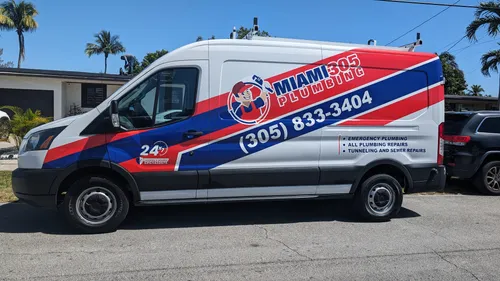
Miami 305 Plumbing is a licensed and insured plumbing company serving Miami, FL, and surrounding areas. They offer a wide range of plumbing services including sewer camera inspections, water heater repair and installation, drain cleaning, hydro jetting, sewer line repair, leak detection, repiping, gas line installation, and toilet repair. Their team uses advanced tools such as sewer cameras and locator equipment to accurately diagnose and fix plumbing issues with minimal damage. With over 20 combined years of experience, Miami 305 Plumbing provides 24-hour emergency plumbing services to residential and commercial clients throughout Miami-Dade County.
Dovis Plumbing
20217 NE 15th Ct, Miami, FL 33179
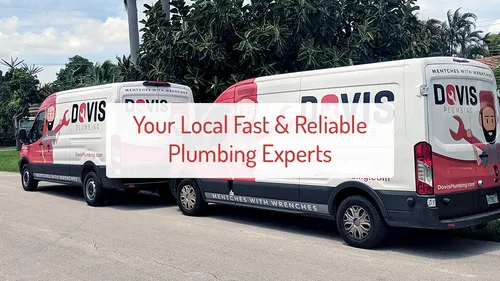
Dovis Plumbing is a plumbing service provider based in Miami, FL, specializing in a range of plumbing solutions including water heater installation and repair, tankless water heater services, sewer camera inspections, drain cleaning, leak detection, gas line installation, and water softener installation. They serve the Miami area and are equipped to handle plumbing issues with modern techniques such as camera-inspected drain cleaning. The company emphasizes quality workmanship backed by a full warranty and offers same-day service with fully stocked vans to address plumbing needs efficiently.
Understanding Local Permits and Regulations
In Miami, all gas line installation and repair work requires proper permitting. This is not just bureaucratic red tape; it's a vital safety measure enforced by Miami-Dade County and the City of Miami. A licensed professional will typically handle the permit application process, which may include submitting plans for review, especially for complex projects like running a new line to a pool heater or adding multiple appliances.
The permitting process ensures that every aspect of the planned work complies with the Florida Building Code (FBC) and local amendments. These codes dictate everything from the type of pipe used to the required depth of burial and the placement of shut-off valves. Skipping permits can lead to unsafe conditions, failed inspections if you sell your home, and significant liability issues.
The Step-by-Step Installation Process
A professional gas line project follows a meticulous sequence to ensure safety and longevity.
1. Planning and Assessment: The first step is determining your needs. A technician will assess the BTU (British Thermal Unit) requirements of all appliances to be connected-such as a stove, dryer, water heater, or furnace-to calculate the correct pipe size. This sizing is crucial for ensuring adequate gas flow and pressure to all appliances simultaneously 1.
2. Trenching and Bedding: For underground lines, a trench must be dug from the gas meter to the point of entry. Sharp objects are cleared from the trench, and a 2-3 inch layer of clean sand or gravel is added as a bedding material. This bedding protects the pipe from shifting soil and sharp rocks that could cause damage over time 2.
3. Piping and Connection: The appropriate gas pipe is then installed. Common materials include black iron pipe for its durability and Corrugated Stainless Steel Tubing (CSST) for its flexibility in tight spaces. The pipe must be properly supported and buried at the code-required depth. Connections are made using approved fittings, and accessible shut-off valves are installed near each appliance.
4. Appliance Hookup and Testing: Flexible connectors are often used for the final connection to appliances, allowing for minor movement. Once everything is connected, the system undergoes rigorous testing. This includes a mandatory pressure test to check for leaks and a final inspection to verify pipe sizing and proper installation before the gas utility company will turn on the service 3.
5. Backfilling and Restoration: After passing inspection, the trench is carefully backfilled. If the line runs under a concrete slab, special procedures and inspections may be required for any repairs to the slab 4.
Find the perfect gas line plumbing companies for your needs
Get personalized recommendations and expert advice
Critical Safety Protocols for Gas Work
Gas line projects are not suitable for DIY attempts. The risks of explosion, fire, and carbon monoxide poisoning are far too high. Always hire a licensed plumbing professional who carries the proper insurance and is familiar with Miami-Dade codes 5.
Key safety measures that professionals follow include:
- Comprehensive Leak Testing: Every joint and connection is tested with a soap solution or electronic gas detector to identify even the smallest leak 6.
- Proper Shut-Off Valve Placement: Each appliance must have an accessible, dedicated shut-off valve so gas can be quickly isolated in an emergency.
- Strict Code Adherence: Professionals ensure compliance with all code requirements, such as proper venting for appliances and correct clearances from electrical panels 7.
- Emergency Response Knowledge: A key part of professional service is educating homeowners on what to do if they smell gas (a rotten egg odor) or hear a hissing sound: evacuate immediately and call 911 or the gas company from a safe distance 8.
What Influences the Cost of Gas Line Services?
The cost for gas piping work in Miami varies widely based on the project's scope. A simple hookup for a new gas stove might start in the hundreds of dollars, while installing a whole-home system with extensive trenching can cost several thousand 9 10.
Major cost factors include:
- Materials: The type and diameter of pipe (black iron, copper, CSST) affect material costs.
- Labor: This is typically the largest portion of the cost, covering the skilled work of trenching, assembly, testing, and coordination with inspectors.
- Project Complexity: The length of the pipe run, number of appliances, and accessibility (e.g., working under a slab or through finished walls) significantly impact the price.
- Permit Fees: Municipal permit fees are an additional cost. For basic plumbing and gas permits in the area, fees can range from nominal amounts for simple work to more substantial sums for complex projects requiring plans review 11 12.
Maintaining Your Gas System
Once your gas lines are installed, periodic checks are wise. Be aware of the smell of gas, listen for unusual hissing noises near gas appliances, and watch for dead vegetation in your yard along the path of an underground line, which can indicate a leak. Have a professional inspect your gas lines and appliances periodically, especially if they are older. Ensuring proper ventilation for all gas-burning appliances is also critical to prevent carbon monoxide buildup.
Frequently asked questions
Sources
Footnotes
-
Fueling Your Florida Home's Comfort: A Guide to Gas Line ... - https://mechanicalone.com/blog/fueling-your-florida-homes-comfort-a-guide-to-gas-line-installation/ ↩
-
How to Install Natural Gas Lines Safely and Correctly - https://bluegasexpress.com/how-to-install-natural-gas-lines/ ↩
-
INSPECTION GUIDELINES - Miami-Dade County - https://www.miamidade.gov/building/library/checklists/plumbing-inspection.pdf ↩
-
Plumbing Permits - Miami-Dade County - https://www.miamidade.gov/global/economy/building/permits/plumbing.page ↩
-
Gas Line Installation: Who Should Do It? - Flamingo Plumbing - https://flamingoplumbing.com/news/gas-line-installation-who-should-do-it/ ↩
-
Professional Techniques for Gas Line Piping and Installation - https://www.frontierplumbinglv.com/blog/professional-techniques-for-gas-line-piping-and-installation ↩
-
Gas Line Installation: What You Need to Know - https://www.pasoroblesheating.com/gas-line-installation-what-you-need-to-know-before-starting-your-project/ ↩
-
Gas Line Installation and Replacement in Miami - https://miami305plumbing.com/gas-line-installation-and-replacement-in-miami ↩
-
Gas Line Installation - Quality Plumbing - https://qualityplumbing.cc/gas-line-installation-what-homeowners-need-to-know/ ↩
-
Chapter 112 - GAS | Code of Ordinances | Miami Springs, FL - https://library.municode.com/fl/miami_springs/codes/code_of_ordinances?nodeId=TITXIBURE_CH112GA ↩
-
City of Miami Building Permit Fee Schedule - https://www.miami.gov/Permits-Construction/Permitting-Resources/City-of-Miami-Building-Permit-Fee-Schedule ↩
-
miami-dade county - plumbing and gas fee sheet - https://cityofwestmiamifl.com/vertical/sites/%7B43D8A331-4B65-45FE-843C-E0F6FE3CD0E8%7D/uploads/plumbing-gas-fee-sheet.pdf ↩