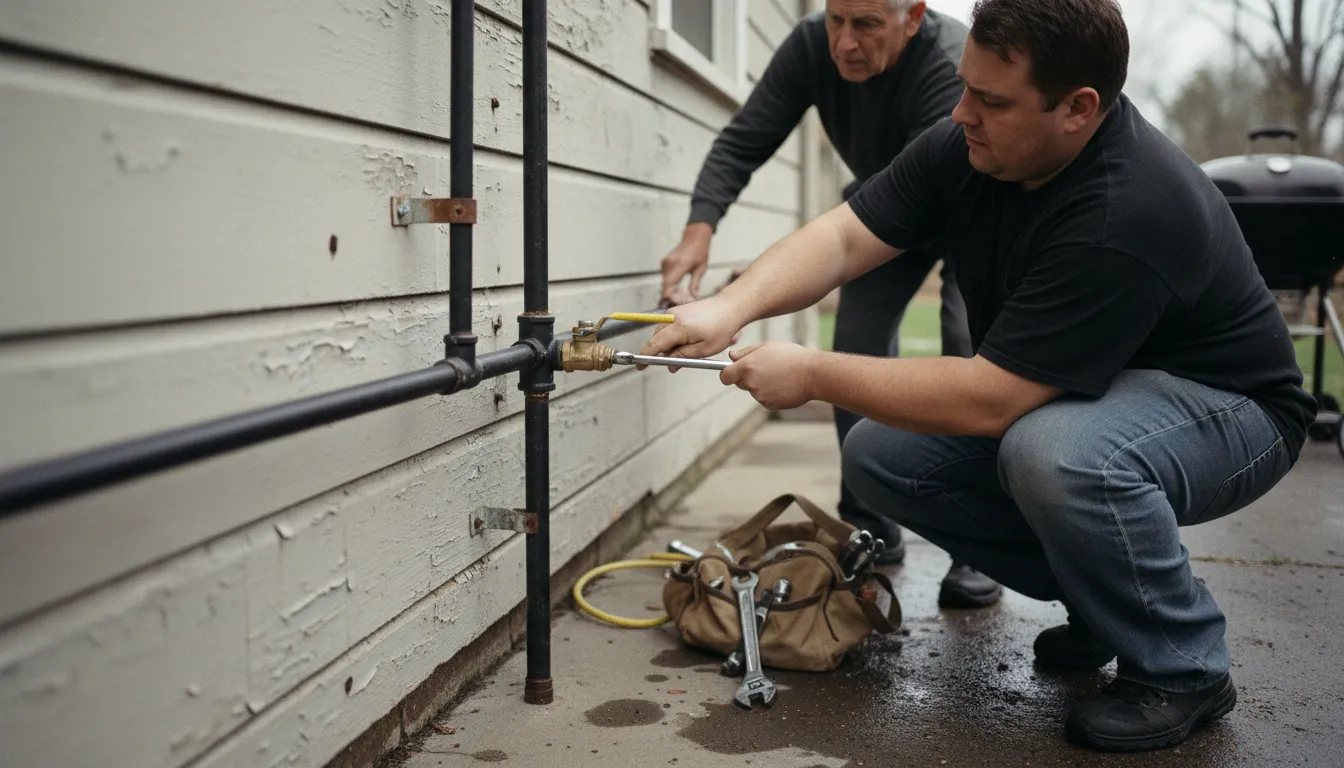
Find the Best Gas Line Plumbing Companies for Your Business
No obligation • Fast responses • Nationwide coverage

Why you can trust Search a Plumber
Search a Plumber is a leading United States resource for finding and evaluating professional plumbing services. Our team researches licensing, experience, and customer feedback to create unbiased, fact-driven overviews. Companies cannot pay to change ratings or placement, ensuring homeowners get trustworthy information.
Search providers near you
Top Gas Line Plumbing Companies in Largo, Florida Ranked
Connecting your home to natural gas or maintaining its existing gas infrastructure is a critical project that requires precision and expertise. Whether you're installing a new gas stove, an outdoor kitchen, or a whole-home system, proper gas line work is essential for safety, efficiency, and code compliance. This resource helps you understand the process, regulations, and what to look for when finding qualified local professionals for your gas piping needs.
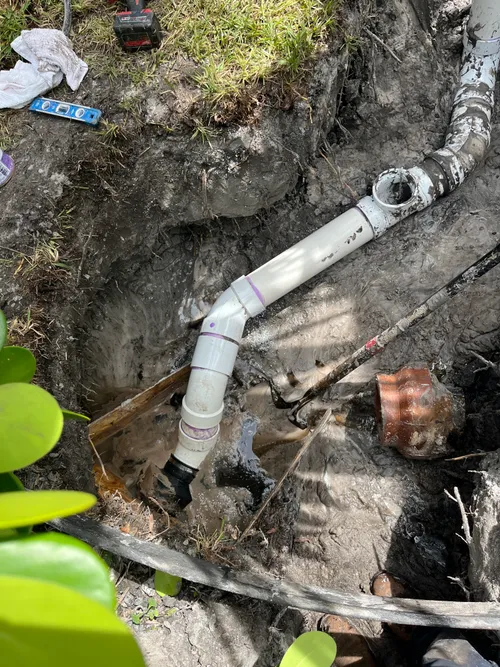
Sewer Studs Plumbing & Drain
Tampa, FL
Sewer Studs Plumbing & Drain is a plumbing company based in Tampa, FL, serving Hillsborough, Pinellas, Pasco, and parts of Hernando counties. The company offers a range of plumbing services including water heater repair and installation, sewer line repair, trenchless sewer repair, leak detection, and gas line installation. They specialize in trenchless pipe lining, a less invasive method that avoids digging and reduces damage to landscaping and concrete. Sewer Studs is led by Master Plumber Ricky Cox and a team with over 70 years of combined experience.
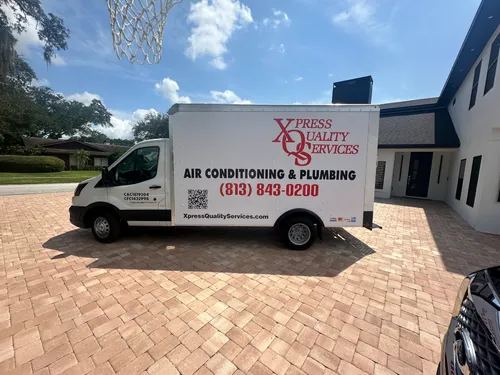
Xpress Quality Services, LLC
8325 N Albany Ave, Tampa, FL 33604
Xpress Quality Services, LLC is a plumbing and HVAC contractor based in Tampa, FL. Since 2013, they have provided a range of home services including drain cleaning, water heater installation and repair, repiping, gas line installation, and septic system solutions. They serve Tampa and surrounding areas such as Oldsmar, Palm Harbor, Dunedin, Clearwater, and St. Petersburg. Their certified technicians handle critical home systems with expertise, offering comprehensive plumbing and HVAC services. One notable capability is their full-service plumbing including sewer camera inspections and nitrogen reduction system installations. The company also offers HVAC maintenance agreement plans to support ongoing system care.
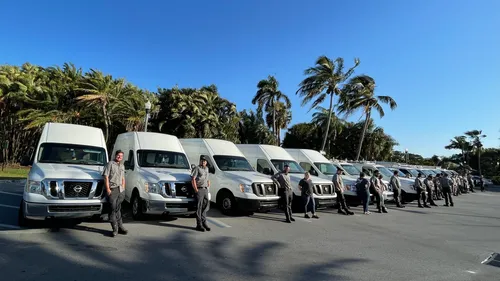
James Hafke Plumbing
2420 30th Ave N, St. Petersburg, FL 33713
James Hafke Plumbing provides a range of residential and commercial plumbing services in St Petersburg, FL. Their offerings include sewer camera inspections, water heater repair and installation, drain cleaning, sewer line repair, leak detection, gas line installation, and toilet repair. The company is equipped to handle both routine and complex plumbing issues, working closely with contractors on new builds and remodeling projects. They offer HD sewer camera inspections to help assess the condition of sewer lines. James Hafke Plumbing emphasizes upfront pricing and clear communication to guide customers through their plumbing needs.
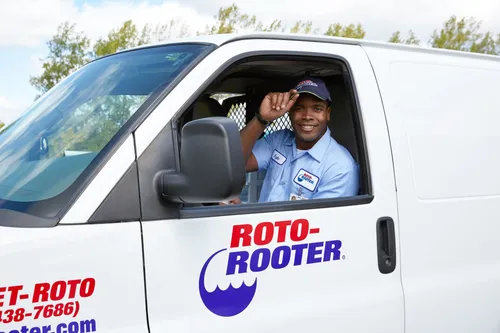
Roto-Rooter Plumbing & Water Cleanup
3820 Grand Blvd, New Port Richey, FL 34652
Roto-Rooter Plumbing & Water Cleanup provides comprehensive plumbing services in Tampa, FL, specializing in both residential and commercial plumbing needs. Their offerings include water heater repair and installation, drain and sewer line cleaning, leak detection, garbage disposal repair, and gas line installation. They also provide advanced capabilities such as hydro jetting and trenchless sewer repair, using modern equipment to handle complex plumbing issues efficiently. The company operates a 24/7 emergency service line to address urgent plumbing problems at any time. Serving Tampa and surrounding areas, Roto-Rooter has a strong focus on water damage cleanup and floodwater removal, along with mold remediation services. Their expertise extends to commercial plumbing for healthcare facilities and businesses, ensuring minimal disruption to operations. With a commitment to transparent communication and quality workmanship, Roto-Rooter is equipped to manage a wide range of plumbing challenges with prompt and professional solutions.
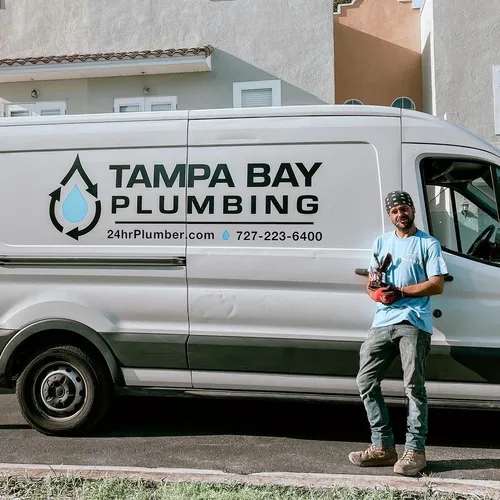
Tampa Bay Plumbing LLC
613 S Missouri Ave, Clearwater, FL 33756
Tampa Bay Plumbing LLC provides a wide range of plumbing services in St Petersburg, FL, and the greater Tampa Bay area. They handle residential, commercial, and industrial plumbing needs, including sewer line repairs, water heater installation and repair, leak detection, gas line installation, and trenchless sewer repair. The company has been serving the region since 2012 and offers 24/7 emergency plumbing services for urgent situations. Their expertise includes advanced sewer camera inspections and no-dig trenchless technology for pipeline repairs.
Understanding Gas Line Services in Largo
Gas line installation and repair involves running pipes from the main utility meter to various appliances in your home, such as water heaters, stoves, dryers, and fireplaces. In Largo, this work is strictly regulated to prevent dangerous leaks, fires, or carbon monoxide poisoning. Licensed professionals handle everything from planning the pipe route and calculating the required gas load to performing rigorous pressure tests before the system is activated. Given the risks, this is not a DIY project; hiring a certified technician is non-negotiable for the safety of your household.
The most common reasons Largo homeowners seek these services include:
- Adding a new gas appliance (e.g., tankless water heater, fireplace).
- Converting an electric appliance to gas for better efficiency and lower operating costs.
- Repairing or replacing aging, corroded, or leaking gas pipes.
- Extending a gas line to an outdoor living space for a grill or fire pit.
The Permit Process: A Mandatory Step
Before any work begins, a permit must be obtained from the local building department. For residents within Largo city limits, this is the City of Largo Building Department. For those in unincorporated Pinellas County, permits are handled by the county. This is a legal requirement for any new gas line installation or significant repair.
Why are permits so important? The permit process ensures that all work complies with the Florida Building Code and any local amendments, which are designed for safety. Your chosen contractor will typically handle the permit application. The project will then require one or more inspections by a city or county official. A common sequence includes a "rough-in" inspection after the pipes are run but before walls are closed up, and a final inspection after all connections and tests are complete. Passing final inspection is required for your gas service to be authorized or restored.
A Step-by-Step Look at Professional Gas Line Installation
A professional gas line project follows a meticulous sequence to ensure safety and longevity.
- Consultation and Load Calculation: A technician visits your home to assess the project scope, determine the safest and most efficient pipe route, and calculate the total gas load (measured in BTU/hour) required by all appliances. This calculation is crucial for sizing the pipes correctly to ensure adequate gas flow and pressure.
- Permit Acquisition: Your licensed professional submits the necessary plans and applications to the local building department to pull the required permit.
- Trenching and Path Preparation: For exterior gas lines running to a detached structure or outdoor appliance, a trench must be excavated. In Florida, gas lines are typically buried at a depth of 18 to 24 inches to protect them from accidental damage and frost 1. Inside the home, pathways through walls, floors, and ceilings are prepared.
- Piping Installation: Approved piping material is installed. Common types include traditional black iron pipe and more flexible Corrugated Stainless Steel Tubing (CSST). All fittings and connections are secured according to strict code specifications 2.
- Appliance Connection: The new line is connected to the gas meter and then to the appliance(s), using proper shut-off valves at each connection point.
- Pressure Testing: This is a critical safety step. The entire new section of piping is pressurized with air or an inert gas (often to about 10 psi) and monitored for 15 minutes or more. Any drop in pressure indicates a leak that must be found and repaired before proceeding 3.
- Final Inspection: A municipal inspector visits to verify the installation meets all code requirements, checks the pressure test results, and ensures proper labeling and clearances.
- System Activation and Check: Once the inspection is passed, the utility company or your plumber can activate the gas service. The technician will then light pilot lights and check each appliance for proper, safe operation 4.
Find the perfect gas line plumbing companies for your needs
Get personalized recommendations and expert advice
Safety: The Paramount Concern
The risks associated with gas lines cannot be overstated. Natural gas is highly combustible, and incomplete combustion can produce deadly, odorless carbon monoxide (CO). Therefore, safety protocols govern every aspect of the work.
- Professional Installation is Mandatory: Only licensed and insured plumbers or gas fitters have the training to handle the volatile nature of natural gas and propane. They understand the complex codes governing materials, joint types, and installation methods.
- Leak Prevention is Key: A proper installation, verified by pressure testing, is the first line of defense against leaks that can lead to fire or explosion 5.
- Material Quality Matters: Using substandard or incorrect pipes and fittings (e.g., pipes not rated for gas service) is a major hazard. Professionals use only approved, high-quality materials 6.
- Ventilation is Crucial: All gas-burning appliances must be properly vented to the outdoors to safely exhaust combustion byproducts, including CO, from your home 7.
Understanding Costs for Gas Piping Projects
The cost of gas line work in Largo varies significantly based on the project's complexity, length of pipe needed, accessibility, and the specific appliances involved. While obtaining a detailed quote from a licensed professional is essential, here are general price ranges based on common project types 8:
- Gas Stove Line: Installing a new gas line for a kitchen range typically ranges from $500 to $1,000. This assumes a relatively straightforward run from an existing line or meter.
- Outdoor Grill Line: Extending a gas line to a patio or outdoor kitchen for a grill is more involved, often requiring trenching. Costs usually fall between $800 and $1,500.
- Whole-Home Gas Line Installation or Major Reroute: For a new construction home or a major retrofit involving multiple appliances (water heater, dryer, furnace, stove), costs can range from $2,500 to $5,000 or more, depending on the home's size and layout.
These estimates include labor, materials, and the permit fee. The investment in professional installation ensures safety, code compliance, and reliable performance for years to come.
Finding Qualified Professionals in Largo
When searching for a contractor for your gas piping project, due diligence is critical. Look for companies with specific experience in gas line installation and repair. They should hold a valid Florida plumbing license that includes gas line work, carry full liability and workers' compensation insurance, and be familiar with the permit processes for the City of Largo and Pinellas County. Reputable local providers known for this specialized work include Slaughter Plumbing Service, Inc., McGill Plumbing & Water Treatment, Inc., Flow Pros Plumbing, and Blue Bear Total Home Services 9 10 11 12.
Always ask for references, verify their license status online with the Florida Department of Business & Professional Regulation, and ensure they provide a detailed, written estimate that outlines the scope of work, materials to be used, and a timeline that includes the permit and inspection phases.
Frequently asked questions
Sources
Footnotes
-
How Deep Are Gas Lines Buried? - J.D. Power - https://www.jdpower.com/cars/shopping-guides/how-deep-are-gas-lines-buried ↩
-
Frequently Asked Questions - CivicPlus.CMS.FAQ - https://www.rpvca.gov/faq.aspx?TID=40 ↩
-
New Gas Line Installation Tampa: 2025 Cost Guide & Tips - https://tampabayplumber.com/new-gasline-tampa/ ↩
-
Fueling Your Florida Home's Comfort: A Guide to Gas Line ... - https://mechanicalone.com/blog/fueling-your-florida-homes-comfort-a-guide-to-gas-line-installation/ ↩
-
Gas Line Installation and Safety: What Tampa Homeowners ... - https://llonaplumbing.com/blog/gas-line-installation-and-safety-what-tampa-homeowners-need-to-know/ ↩
-
Essential Guide to Gas Line Installation: Tips and Safety Precautions - https://gaeberly.com/gas-line-installation/ ↩
-
Residential Gas Line Installation & Repair | Tampa Bay FL - https://llonaplumbing.com/service/residential-gas-line-installation-repair-tampa-bay-fl/ ↩
-
Tampa Home Gas Line Installation: Permits, Costs, and Timelines - https://tampabayplumber.com/tampa-home-gas-line/ ↩
-
Gas Line Installation & Replacement in Largo, FL - https://www.mcgillplumbing.com/plumbing/gas-line-installation/ ↩
-
Gas Line Installation, Largo, FL - Slaughter Plumbing - https://slaughterplumbing.com/gas-lines-largo-fl/gas-line-installation/ ↩
-
Gas Line Repair in Largo, FL - https://www.mcgillplumbing.com/plumbing/gas-line-repair/ ↩
-
TOP 10 BEST Gas Line Services in Largo, FL - Updated 2026 - Yelp - https://m.yelp.com/search?find_desc=Gas+Line+Services&find_loc=Largo%2C+FL ↩