Find the Best Gas Line Plumbing Companies for Your Business
No obligation • Fast responses • Nationwide coverage

Why you can trust Search a Plumber
Search a Plumber is a leading United States resource for finding and evaluating professional plumbing services. Our team researches licensing, experience, and customer feedback to create unbiased, fact-driven overviews. Companies cannot pay to change ratings or placement, ensuring homeowners get trustworthy information.
Search providers near you
Top Gas Line Plumbing Companies in Delray Beach, Florida Ranked
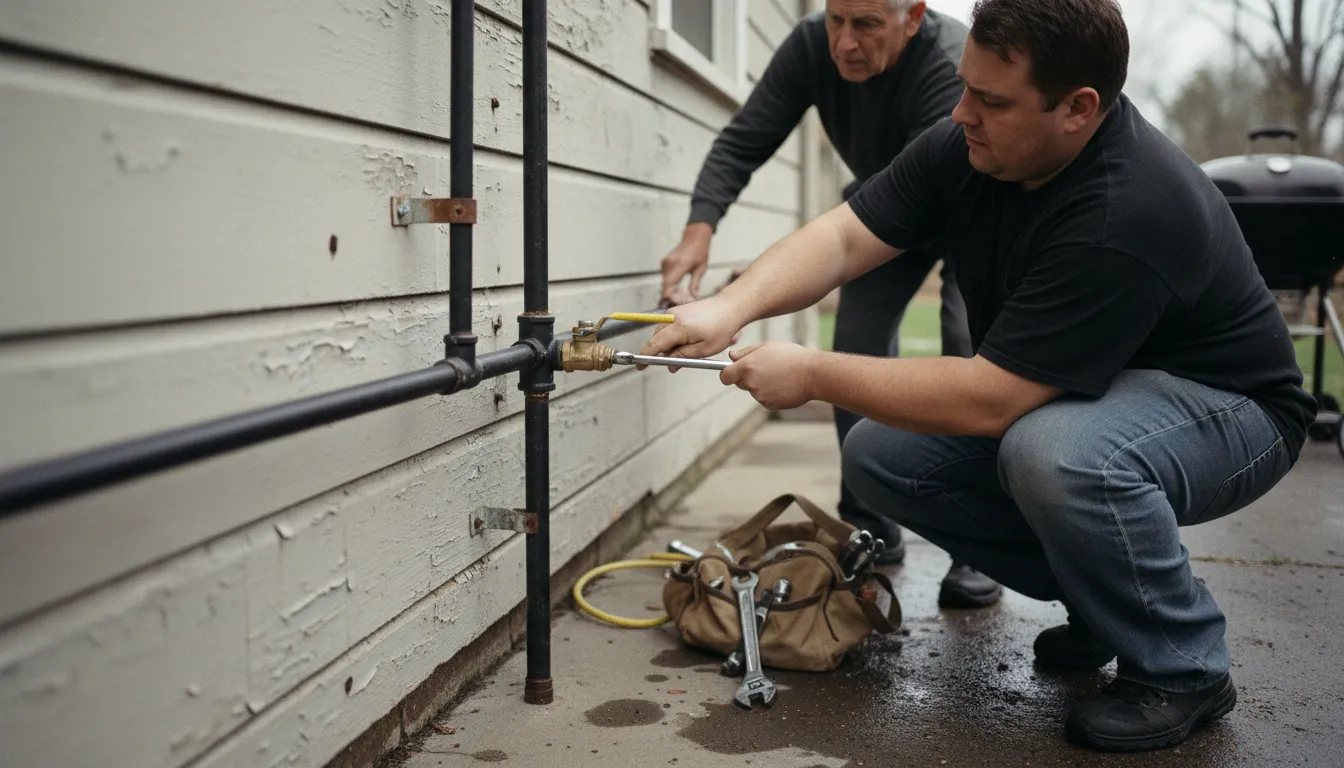
Adding or repairing a gas line in your Delray Beach home is a significant project that directly impacts your safety and comfort. Whether you're installing a natural gas range, a tankless water heater, or a pool heater, proper gas piping work requires meticulous planning, adherence to strict local codes, and the expertise of a licensed professional. This guide explains the critical steps, local requirements, and considerations for gas line projects in Delray Beach, helping you make informed decisions and connect with qualified specialists for your needs.
Understanding Gas Line Work in South Florida
Gas line installation involves running a dedicated pipe from your home's main gas supply to a specific appliance. In Delray Beach, this work is governed by the Florida Building Code, specifically the Fuel Gas provisions, which align with the National Fire Protection Association (NFPA) standards. The humid, salt-air environment of coastal South Florida adds an extra layer of complexity, as material selection must account for potential corrosion. A properly installed gas line provides efficient fuel for appliances like dryers, fireplaces, and outdoor kitchens, but an improper installation poses serious risks, including leaks and potential fire hazards. This is why the City of Delray Beach mandates that all such work be permitted and performed by licensed contractors.
The Delray Beach Permit Process: A Step-by-Step Overview
Before any trench is dug or pipe is fitted, securing the proper permit is your first and most crucial step.
Permit Requirement: The City of Delray Beach Development Services Department requires a permit for all new gas line installations and major repairs or modifications. Your licensed plumbing or gas contractor will typically handle the permit application process on your behalf, submitting detailed plans of the proposed work.
Inspections are Mandatory: Once the permit is issued, the work will be subject to inspections. An interim inspection is often required after the pipe is run but before it is covered or concealed. A final inspection occurs after the system is fully connected and pressure-tested. Inspections are scheduled by following the instructions on the permit placard posted at your job site.
Project Completion: Upon passing the final inspection, the city will issue a Certificate of Completion for the gas work. For new construction projects involving gas, this is tied to the overall Certificate of Occupancy1. Never let a contractor skip the permit process; it is your assurance that the work meets all safety codes.
Planning Your Gas Line Project
Successful gas piping projects start with thorough planning. Here's what to discuss with your contractor:
- Appliance Identification & Demand: List every appliance the new line will serve (e.g., range, dryer, pool heater). The total British Thermal Unit (BTU) demand of these appliances determines the required pipe diameter. For instance, a standard gas range may require a 3/4-inch line, while adding multiple appliances requires careful calculation to ensure adequate gas volume and pressure 2.
- Route Mapping: Your contractor will map the most efficient and code-compliant path from the gas meter or main line to the appliance(s). This plan considers obstacles, required clearances from electrical lines and water pipes, and the easiest path for trenching if the run is outdoors.
- Material Selection: The right material is vital for longevity and safety in our climate. Common options include:
- Black Iron Pipe: Traditional, durable, and widely accepted, but requires skilled threading and assembly.
- CSST (Corrugated Stainless Steel Tubing): Flexible, often easier to install in tight spaces, but must be properly bonded to prevent electrical corrosion.
- Copper Tubing: Used in certain applications, but its acceptability can depend on local gas composition and code interpretations 3 4.
- Trenching Considerations: For outdoor runs, a trench must be dug to code-specified depth (which varies) to protect the line. Trenching costs can range from $4 to $12 per linear foot. In areas with landscaping or hardscapes, contractors may use directional drilling (a trenchless method) to minimize disruption, though this can affect the overall project cost5.
The Installation Process: Safety and Precision
A professional installation follows a strict sequence to ensure safety and compliance.
- Trenching & Path Preparation: For outdoor lines, the planned route is excavated. Indoors, access paths through walls, floors, or ceilings are prepared with minimal disruption.
- Pipe Installation & Support: The gas pipe is cut, threaded (if using iron pipe), and fitted together using approved gas-rated sealant (pipe dope or tape). Pipes must be securely supported with hangers or straps typically every 6 to 10 feet to prevent sagging and stress on connections.
- Shutoff Valve Placement: A critical safety code requirement is the installation of an accessible, dedicated shutoff valve within 6 feet of each gas appliance. This allows you to quickly cut off gas supply in an emergency or for maintenance.
- Pressure Testing: Before the line is connected to the appliance or the ground is backfilled, the contractor performs a rigorous air pressure test. The sealed system is pressurized and monitored for any drop, which would indicate a leak. This is a non-negotiable step and is usually witnessed by the city inspector6 7.
- Appliance Connection & Final Inspection: Once the pipe passes the pressure test, the licensed professional makes the final connection to the appliance. After a final check, the inspector is called to approve the completed installation.
Find the perfect gas line plumbing companies for your needs
Get personalized recommendations and expert advice
Cost Factors for Gas Line Work in Delray Beach
Costs for gas line projects vary widely based on scope, materials, and labor. The figures below are estimates to help you budget; always get detailed quotes from licensed local contractors.
- Single Appliance Installation: Running a new line a short distance for one appliance, like a kitchen range, typically ranges from $750 to $1,800.
- Multiple Appliance Installation: Installing a larger line to supply a gas dryer, water heater, and range could cost between $1,600 and $3,700+, depending on the home's layout and complexity.
- Outdoor Runs with Trenching: Extending a line to an outdoor kitchen, fire pit, or pool heater involves significant trenching labor and materials, with costs commonly ranging from $1,500 to $4,500+8 9.
- Permit Fees: The City of Delray Beach charges permit fees, which generally fall between $100 and $300 for residential gas line projects and are usually included in your contractor's quote10.
- Major Influencers on Price: The final price is shaped by the total linear footage of pipe needed, the chosen material (CSST vs. black iron), the difficulty of the run (e.g., through concrete slabs or landscaped yards), and the cost of trenching or directional drilling.
Why Licensing and Code Compliance Are Non-Negotiable
Working with natural gas or propane is not a DIY project. Florida law requires that gas piping be installed by a licensed plumbing or gas contractor11. These professionals carry the necessary insurance, understand the local amendments to the Florida Building Code, and have the experience to troubleshoot complex issues. They ensure proper bonding of CSST, use corrosion-resistant materials suitable for our coastal air, and install the mandatory sediment traps and shutoff valves12 11. Hiring an unlicensed individual not only voids your homeowner's insurance in the event of an incident but also puts your family and property at grave risk. Always verify a contractor's license with the Florida Department of Business and Professional Regulation (DBPR) before hiring.
Frequently asked questions
Sources
Footnotes
-
Building FAQ | City of Delray Beach, FL - https://www.delraybeachfl.gov/government/city-departments/development-services/building/faq ↩
-
Gas Line Installation: What You Need to Know - https://www.pasoroblesheating.com/gas-line-installation-what-you-need-to-know-before-starting-your-project/ ↩
-
Fueling Your Florida Home's Comfort: A Guide to Gas Line ... - https://mechanicalone.com/blog/fueling-your-florida-homes-comfort-a-guide-to-gas-line-installation/ ↩
-
Indoor Gas Line Installation & Repair in Boca Raton, FL - https://myreliablepower.com/gas-services/indoor-gas-hook-up-services/ ↩
-
Trusted Gas Line Installation in Deerfield Beach - Plumbing SFL - https://www.plumbingsfl.com/plumbing/gas-line-installation/ ↩
-
Expectations During a New Gas Line Installation for Your Home? - https://magnificentplumbing.com/new-gas-line-installation-for-your-home/ ↩
-
How to Install Natural Gas Lines Safely and Correctly - https://bluegasexpress.com/how-to-install-natural-gas-lines/ ↩
-
How Much Do Gas Line Installation or Repairs Cost? [2026 Data] - https://www.angi.com/articles/what-average-cost-85-run-natural-gas-line.htm ↩
-
Gas Line Repair & Installation: Costs in Gainesville & Ocala - https://www.alwayshomerepair.com/natural-gas-line-installation-cost-gainesville-leak-repair/ ↩
-
How Much Does It Cost to Install a Gas Line? [2025 Data] - https://www.homeadvisor.com/cost/plumbing/install-or-repair-gas-pipes/ ↩
-
Gas Line Installation: Who Should Do It? - Flamingo Plumbing - https://flamingoplumbing.com/news/gas-line-installation-who-should-do-it/ ↩ ↩2
-
Tampa Home Gas Line Installation: Permits, Costs, and Timelines - https://tampabayplumber.com/tampa-home-gas-line/ ↩