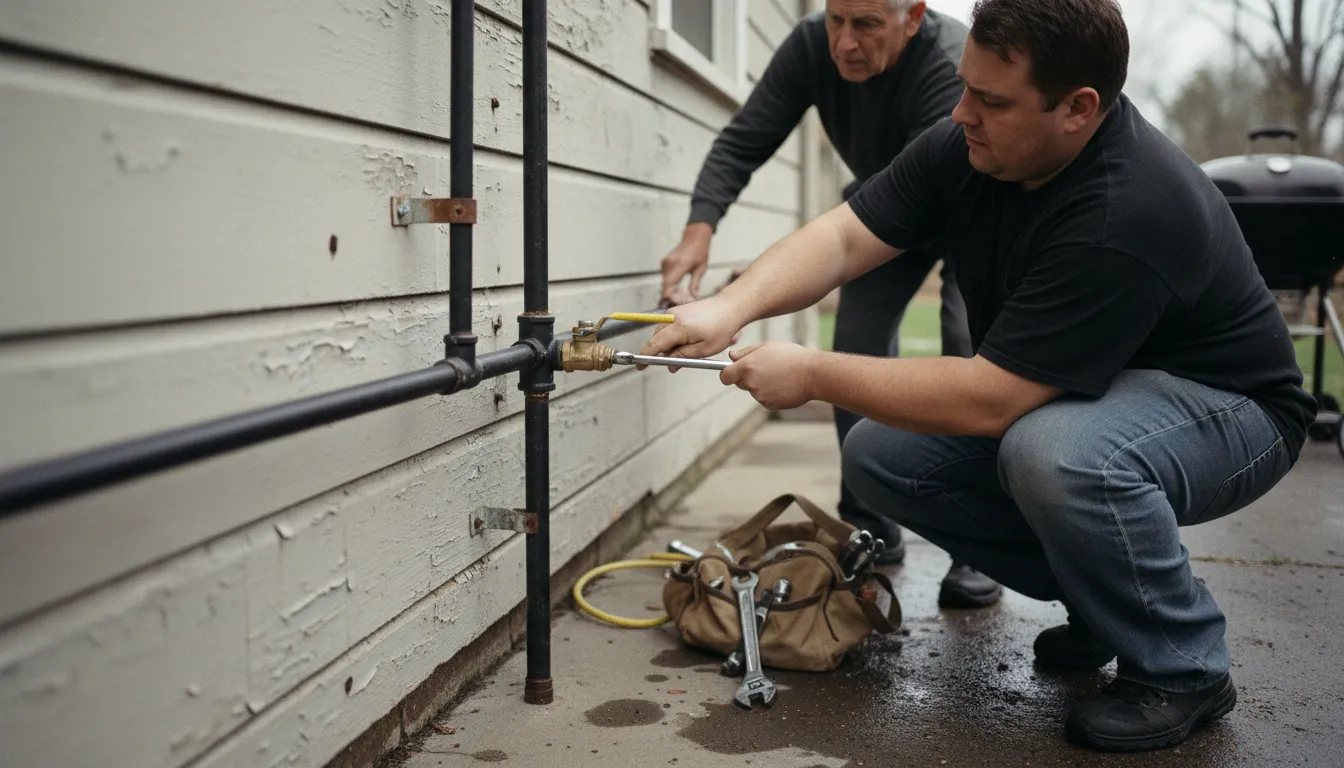
Find the Best Gas Line Plumbing Companies for Your Business
No obligation • Fast responses • Nationwide coverage

Why you can trust Search a Plumber
Search a Plumber is a leading United States resource for finding and evaluating professional plumbing services. Our team researches licensing, experience, and customer feedback to create unbiased, fact-driven overviews. Companies cannot pay to change ratings or placement, ensuring homeowners get trustworthy information.
Search providers near you
Top Gas Line Plumbing Companies in Clermont, Florida Ranked
Natural gas provides a reliable and efficient energy source for home appliances like water heaters, stoves, and dryers. Proper gas line installation and repair is a critical service that ensures your home's safety and functionality. This work involves running new fuel lines, connecting appliances, or fixing leaks, all of which must adhere to strict local building codes. For Clermont homeowners, understanding the local requirements and connecting with qualified, licensed professionals is the key to a safe and compliant project.
Mechanical One
217 N Westmonte Dr #1007, Altamonte Springs, FL 32714
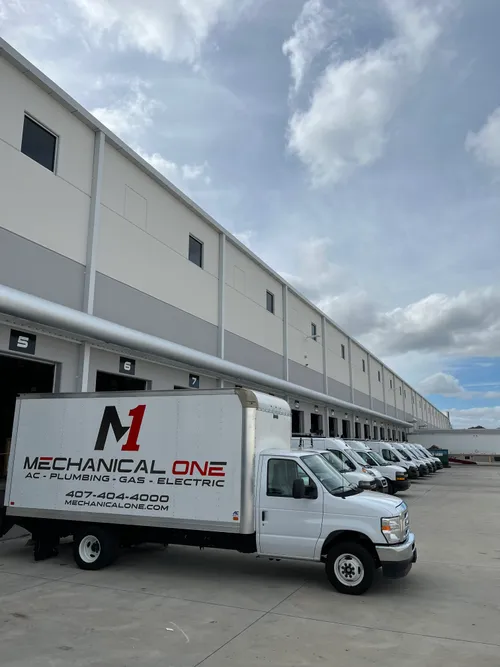
Mechanical One is a full-service HVAC, plumbing, gas, and electrical company based in Altamonte Springs, FL, serving the Orlando area and surrounding communities. They provide a wide range of services including water heater repair and installation, drain cleaning, sewer line repair, leak detection, and gas line installation. Their licensed technicians work with leading brands and offer capabilities such as gas safety inspections and leak detection to ensure home safety. Mechanical One has been part of the Altamonte Springs community since its founding and offers 24/7 emergency repair services for HVAC, plumbing, electrical, and gas line issues.
Mechanical One of Orlando - Air Conditioning, Plumbing and Electrical
5257 L B McLeod Rd Suite 1200, Orlando, FL 32811
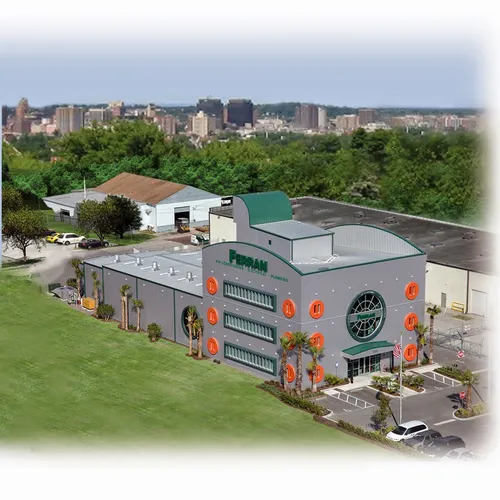
Mechanical One of Orlando - Air Conditioning, Plumbing and Electrical provides comprehensive HVAC, plumbing, gas line, and electrical services in Orlando, FL. Their team handles AC installation and repair, plumbing maintenance and repairs, gas line installation and inspections, and electrical system repairs. They maintain a fully stocked warehouse in Orlando to support same-day and next-day HVAC installations and offer 24/7 emergency HVAC repair services to address urgent needs. Mechanical One has multiple years of experience serving the Orlando area and is known for their skilled technicians and broad service capabilities.
Mechanical One
307 Cranes Roost Blvd #2010, Altamonte Springs, FL 32701
Mechanical One is a multi-service company based in Orlando, FL, offering plumbing, HVAC, gas, and electrical services. They provide water heater repair and installation, drain cleaning, sewer line repair, leak detection, and gas line installation. Their licensed technicians work with leading brands and handle a wide range of residential systems. Mechanical One serves the Orlando area and surrounding communities, with a strong presence in Altamonte Springs and Seminole County. They offer 24/7 emergency repair services for HVAC, plumbing, electrical, and gas line issues, ensuring timely assistance when needed.
Blue Sky Plumbing
4602 N Orange Blossom Trail, Mt Dora, FL 32757
Blue Sky Plumbing is a licensed plumbing company serving Orlando, FL, and surrounding areas. They offer a wide range of services including sewer camera inspections, water heater repair and installation, tankless water heater services, water softener installation, drain cleaning, hydro jetting, sewer line repair, leak detection, repiping, gas line installation, toilet repair, and garbage disposal repair. The company is equipped to handle complex plumbing issues such as sewer line jetting and thorough leak detection using advanced technology. With over 10 years in business, Blue Sky Plumbing provides 24-hour emergency plumbing services to assist customers outside of regular business hours.
Blessed solutions Plumbing
12141 Ryegrass Trail, Orlando, FL 32824
Blessed Solutions Plumbing is a licensed and insured plumbing contractor based in Orlando, FL, serving Central Florida and the West Coast of Florida. They offer a wide range of plumbing services including water heater installation and repair, drain cleaning, hydro jetting, sewer line repair, leak detection, repiping, gas line installation, and backflow testing. The company is also one of the few certified specialists in medical gas installations, following strict standards for healthcare facilities. Blessed Solutions Plumbing is a family-run business focused on quality, safety, and long-term value, with 24/7 emergency availability to assist customers whenever needed.
Understanding Gas Piping Services in Clermont
When we talk about gas line work, we're referring to the network of pipes that deliver natural gas or propane from your meter or tank to the appliances in your home. This can include new gas line installation for a kitchen renovation, extending a line to a new pool heater, or performing essential gas pipe repair to address a leak or upgrade an old system. Given the inherent risks of working with combustible gas, this is not a DIY project. It requires specialized knowledge of materials, pressure calculations, and, most importantly, Clermont's specific permitting and inspection process.
The goal of any fuel line project is to create a safe, sealed system that delivers the correct gas volume and pressure to your appliances. Whether you're building a new home, adding an outdoor kitchen, or simply replacing an aging line, working with a licensed technician ensures the job is done right from the initial assessment through to the final inspection.
The Clermont Permit Process for Gas Work
Before any digging or pipe threading begins, securing the proper permit from the City of Clermont is a mandatory first step. This process is designed to ensure all work meets the safety standards of the Florida Building Code (FBC), specifically the Gas section.
Application Requirements: To apply for a building permit for gas line installation or repair, you or your contractor will need to submit a completed application packet. This typically includes the contractor's estimate, detailed property information, and for larger projects (often those over $5,000), a Notice of Commencement (NOC) may be required 1.
Plan Submission: A crucial part of the application is the submission of detailed plans. These drawings must show the proposed pipe sizing, material type (such as black iron or CSST flexible piping), routing, and location of all shut-off valves. For complex or major work, these plans must be sealed by a licensed architect or engineer. This step verifies that the system design is sound and complies with code before any work starts.
The Vital Inspection: Once the permit is issued and work is underway, inspections are required. The most critical for gas piping is the Mechanical Rough Inspection. During this inspection, a city building official will witness a pressure test performed on the newly installed piping system. This test, which pressurizes the sealed lines with air to check for leaks, is a non-negotiable safety checkpoint. The work cannot be covered up or backfilled until this inspection is passed.
Step-by-Step: A Typical Gas Line Project
A professional gas line installation or repair follows a structured process to ensure safety and compliance.
- Consultation and Assessment: A licensed technician visits your home to assess your needs. They will check the gas meter or propane tank capacity, evaluate the appliances to be connected, and determine the best and safest route for the new piping.
- System Design and Planning: Based on the assessment, the technician finalizes the plan. This includes performing gas load calculations to determine the correct pipe diameter needed to maintain proper pressure to all appliances, especially if multiple units will run simultaneously.
- Permitting: Your contractor will handle the submission of the permit application, plans, and fees to the City of Clermont, waiting for approval before commencing work.
- Utility Location (Call 811): Before any excavation, your contractor is required by law to call Sunshine State One Call at 811. This free service notifies all local utility companies to mark the location of their underground lines (water, electric, cable) to prevent accidental strikes during digging.
- Excavation and Trenching: For underground lines, trenches are dug to the depth and width specified by code. This is often one of the most labor-intensive parts of the project, especially if it involves navigating tree roots or rocky soil.
- Pipe Installation: The approved piping material is laid in the trench or run through interior spaces. All connections are carefully threaded and sealed, and shut-off valves, regulators, and appliance connectors are installed 2.
- Pressure Testing and Inspection: The contractor performs an initial pressure test. Once they confirm the system holds pressure, they schedule the official city inspection where the test is witnessed and approved 3.
- Backfill and Restoration: After passing inspection, the trenches are carefully backfilled, and any disturbed landscaping, concrete, or flooring is restored as agreed upon in the project scope.
Find the perfect gas line plumbing companies for your needs
Get personalized recommendations and expert advice
Critical Safety Protocols and Best Practices
Safety is the paramount concern with any gas system. Homeowners should be aware of both warning signs and essential precautions.
Recognizing a Gas Leak: Know the signs. Natural gas is odorless, but a sulfur-based odorant (smelling like rotten eggs) is added so leaks can be detected. If you smell this inside or outside your home, or hear a hissing sound near a gas line, it is a potential emergency. Leave the area immediately, avoid using any electrical switches or creating sparks, and call your gas company and 911 from a safe distance.
The Non-Negotiable: Hiring a Licensed Professional. The complexity of code compliance, pressure dynamics, and material science makes professional installation essential. A licensed, experienced contractor will not only perform the physical work correctly but will also guide you through the Clermont permit process, ensuring all inspections are properly scheduled and passed 4. They use materials that meet strict ASTM standards, such as ASTM A53 pipe for underground sections, as required by code 5.
Adherence to Code: The Florida Building Code (FBC) Gas chapter isn't just a suggestion; it's the law. It governs everything from the type of pipe used in certain locations to the required depth of burial for exterior lines and the placement of sediment traps (drip legs) at appliances. A professional installer's expertise is in applying this code to your specific home and project.
Cost Factors for Gas Line Projects in Clermont
The cost of gas line services can vary widely based on the project's scope and complexity. Here are some general guidelines based on regional pricing data:
- Single Appliance Connection: Running a new line a short distance for one appliance, like a gas stove or dryer, is typically the most straightforward project. Costs often range from $750 to $1,800 6.
- Multiple Appliances or New System: Installing a system to feed several appliances in a home or during new construction involves more materials, labor, and complex planning. These projects frequently fall in the range of $1,600 to $3,700 or more7.
- Outdoor Appliance Lines: Extending gas service to an outdoor pool heater, fire pit, or kitchen often requires significant trenching and longer pipe runs, which increases cost. Projects like these can range from $1,500 to $4,500+, with the higher end reflecting difficult excavation or long distances 8 9.
The final price is influenced by the total linear feet of pipe needed, the type of piping material (black iron vs. CSST), the difficulty of the excavation (e.g., digging through concrete vs. soft soil), and the number and type of appliances being connected. Always get detailed, written estimates from multiple licensed contractors that break down labor, materials, and permit fees.
Frequently asked questions
Sources
Footnotes
-
Building Permit Application Process and Plan Requirements - https://www.clermontfl.gov/DocumentCenter/View/120/Building-Permit-Packet-PDF ↩
-
Permit Checklists | Clermont, FL - https://www.clermontfl.gov/184/Permit-Checklists ↩
-
REQUIREMENT FOR PRESSURE PIPING PERMITS & INSPECTIONS - https://permit.clermontcountyohio.gov/wp-content/uploads/sites/44/2018/01/pressurepipingpermitrequirements.pdf ↩
-
Fueling Your Florida Home's Comfort: A Guide to Gas Line ... - https://mechanicalone.com/blog/fueling-your-florida-homes-comfort-a-guide-to-gas-line-installation/ ↩
-
A Complete Guide to Gas Line Installation: Tips and Safety Precautions - https://gaeberly.com/gas-line-installation/ ↩
-
Foot by Foot: Understanding Gas Line Installation Costs - https://jollyplumbing.com/gas-line-installation-cost-per-foot/ ↩
-
Gas Line Repair & Installation: Costs in Gainesville & Ocala - https://www.alwayshomerepair.com/natural-gas-line-installation-cost-gainesville-leak-repair/ ↩
-
Tampa Home Gas Line Installation: Permits, Costs, and Timelines - https://tampabayplumber.com/tampa-home-gas-line/ ↩
-
Gas Line Repair Cost | Gas Pipe Repair Price - https://www.fixr.com/costs/gas-line-repair ↩