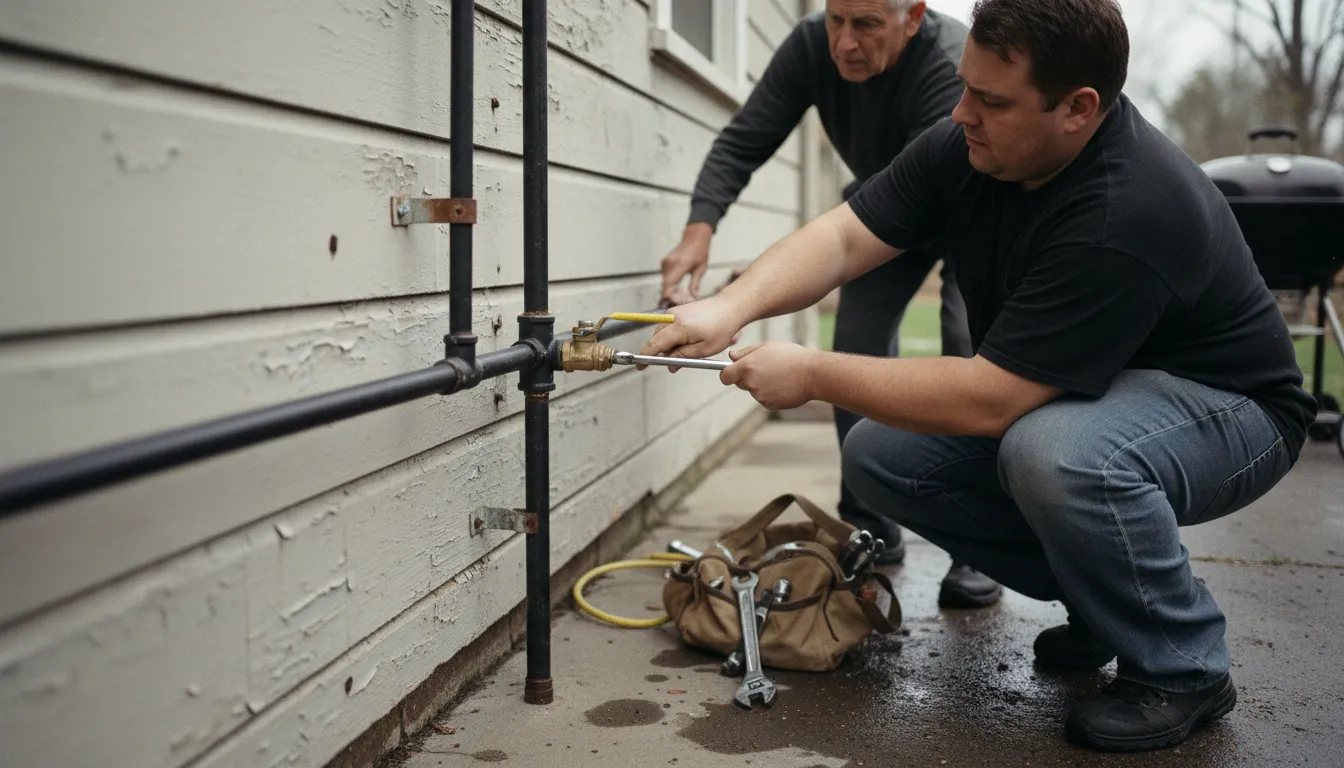
Find the Best Gas Line Plumbing Companies for Your Business
No obligation • Fast responses • Nationwide coverage

Why you can trust Search a Plumber
Search a Plumber is a leading United States resource for finding and evaluating professional plumbing services. Our team researches licensing, experience, and customer feedback to create unbiased, fact-driven overviews. Companies cannot pay to change ratings or placement, ensuring homeowners get trustworthy information.
Search providers near you
Top Gas Line Plumbing Companies in Mesa, Arizona Ranked
Connecting your home to natural gas for a new appliance, fireplace, or outdoor kitchen requires specialized knowledge and strict adherence to safety codes. Gas line work involves installing or repairing the piping that delivers natural gas from the utility meter to your appliances. This is not a DIY project; it requires licensed professionals to ensure the system is safe, leak-free, and compliant with all local regulations. This guide explains the critical steps, local Mesa requirements, and what to expect when hiring a qualified technician for your gas piping project.
Top Notch Plumbing and Drain
Chandler, AZ
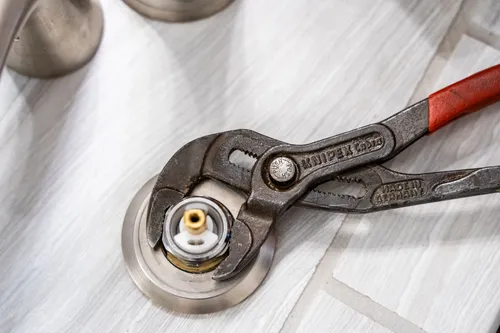
Top Notch Plumbing and Drain is a licensed plumbing service provider based in Chandler, AZ, offering residential and commercial plumbing solutions. Their services include water heater repair and installation, sewer line repair, drain cleaning, leak detection, gas line installation, and water softener installation. The company uses advanced tools such as sewer camera inspections to diagnose plumbing issues accurately. With 30 years of combined experience, Top Notch Plumbing and Drain serves Chandler and surrounding areas, providing 24-hour emergency plumbing services to address urgent needs any time of day or night.
Instant Plumbing and Rooter
4340 W Charleston Ave, Glendale, AZ 85308
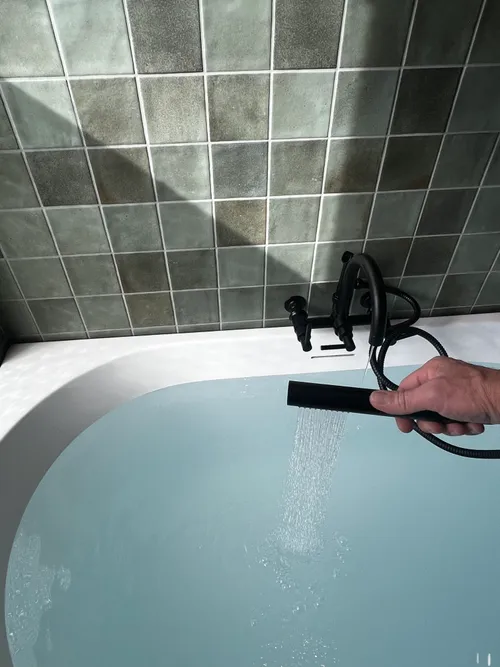
Instant Plumbing and Rooter is a family-owned plumbing business serving Glendale, AZ, and surrounding Arizona communities since 2001. They offer a wide range of plumbing services including drain and sewer restoration, water heater installation and repair, water softener installation, leak detection, and gas line installation. Their capabilities include sewer line camera inspections to accurately diagnose and address drainage issues. The company focuses on both residential and commercial plumbing needs, providing solutions to maintain functional and efficient household plumbing systems.
Solace Plumbing
Phoenix, AZ
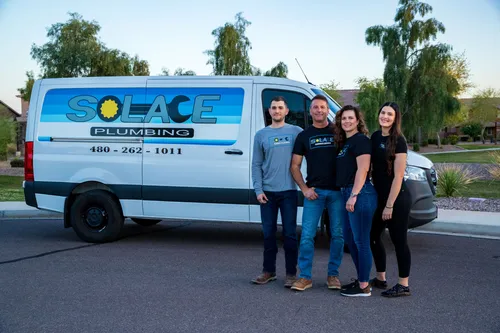
Solace Plumbing is a full-service plumbing company serving Phoenix, AZ, and surrounding areas including Gilbert, Mesa, Chandler, and Scottsdale. They provide a wide range of plumbing services for residential and commercial properties, including water heater installation and repair, drain cleaning, sump pump services, leak detection, gas line installation, and sewer line repair. The company is led by Dax Reed, who brings 26 years of experience in commercial and residential plumbing. Solace Plumbing offers 24/7 emergency service to address urgent plumbing needs at any time.
JP Plumbing LLC
Phoenix, AZ
JP Plumbing LLC is a plumbing company serving Phoenix, AZ, offering both residential and commercial plumbing services. They provide a wide range of solutions including water heater installation and repair, tankless water heater conversions, gas line installation, drain cleaning, and sewer camera inspections. Using advanced camera technology, they can accurately locate clogs and pipe damage to address plumbing issues efficiently. JP Plumbing LLC offers 24/7 emergency plumbing services to assist customers whenever needed.
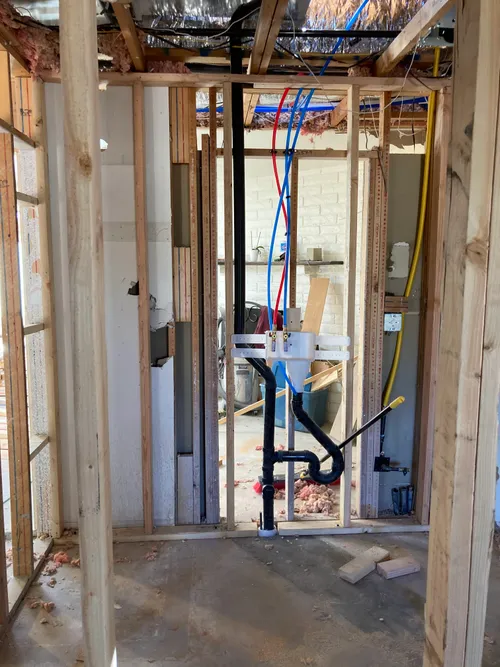
Special Ops Plumbing AZ
Scottsdale, AZ
Special Ops Plumbing AZ is a master plumbing service based in Scottsdale, AZ, serving the Phoenix metro area. They provide a wide range of plumbing services including water heater repair and installation, tankless water heater replacement, water softener installation, drain cleaning, sewer line repair, leak detection, gas line installation, toilet repair, and garbage disposal repair. With over 20 years of experience, they handle both emergency and planned plumbing needs. Special Ops Plumbing AZ offers 24/7 emergency plumbing services, ensuring help is available day or night. Their expertise includes professional sewer line clog clearing without the use of harmful chemicals, protecting both property and health.
Understanding Gas Line Projects in Mesa
Whether you're installing a new gas line for a pool heater, running a line to a kitchen for a professional range, or repairing an existing system, the process is governed by specific codes designed to protect your home and family. Natural gas is a safe and efficient fuel when handled correctly, but improper installation can lead to dangerous leaks or fire hazards. In Mesa, all gas piping work requires a permit and must be performed by a licensed contractor 1. The City of Mesa Development Services oversees this process to ensure every installation meets the stringent standards of the International Fuel Gas Code and local amendments.
Common projects include:
- New Appliance Connections: Adding a line for a tankless water heater, dryer, fireplace, or outdoor grill.
- Service Line Replacement: Upgrading old steel piping to modern materials like CSST (Corrugated Stainless Steel Tubing).
- Repairs and Leak Detection: Fixing damaged sections of pipe or locating and sealing leaks.
- System Extensions: Running additional branches from your main gas line to new rooms or additions.
The Mesa Permit and Inspection Process
Before any work begins, your licensed plumbing professional will typically handle the permit application. Understanding this process helps you ensure your project stays on track.
Permit Application: A permit is mandatory for all new gas line installations, replacements, and modifications in Mesa. Your contractor will submit detailed plans to the City of Mesa Development Services. These plans must include:
- A site plan showing property lines, structures, and the location of all gas appliances.
- The BTU (British Thermal Unit) load of each appliance to be connected.
- The proposed routing and sizing of all new gas piping.
Required Inspections: The city mandates inspections at critical stages. You cannot use the new gas line until it passes final inspection.
- Rough-In Inspection: After the piping is installed but before it is concealed (e.g., buried in a trench or covered by walls), an inspector will check the pipe material, routing, supports, and valve placements.
- Pressure Test: This is a crucial safety check. The system is pressurized (often to 10 psi for 15 minutes) to verify there are no leaks 2. The inspector will witness this test.
- Final Inspection: Once the pressure test passes and all appliances are properly connected, a final inspection grants approval for the system to be activated.
Key Installation Standards and Safety Practices
Professional gas fitters follow a strict set of rules to ensure a safe and durable installation. Here are some of the most important standards applicable in Mesa.
Call 811 Before Digging: This cannot be overstated. Arizona law requires you to call 811 at least two business days before any excavation to have underground utility lines marked. Hitting an existing gas, water, or electrical line can be catastrophic and costly 3 4.
Trenching and Depth: For underground gas lines, the trench must be at least 18 inches deep if using polyethylene (PE) pipe, and often deeper for steel pipe, to protect it from damage. The trench should be free of rocks or debris that could damage the pipe coating.
Approved Piping Materials: Only specific materials are approved for natural gas:
- Black Iron Pipe: Traditional, durable steel pipe used for both indoor and outdoor applications. It requires corrosion protection when buried.
- CSST (Corrugated Stainless Steel Tubing): Flexible, yellow-jacketed tubing that is easier to install through walls and attics. It must be properly bonded and grounded to prevent electrical arcing damage 5.
- Polyethylene (PE) Pipe: A durable plastic pipe used for underground service lines. It requires a copper tracer wire to be buried alongside it so the line can be located in the future.
Proper Support and Joints: Above-ground piping must be supported with metal straps every 6 to 10 feet. All joints and threads must use a gas-rated sealant or tape. Unions or other mechanical joints are generally not allowed to be buried underground 6.
Appliance Shut-Off Valves: A dedicated shut-off valve must be installed within 3 feet of each gas appliance (like a water heater or furnace). For gas fireplaces, the valve must be in the same room, outside the firebox, and no more than 4 feet away 7.
Find the perfect gas line plumbing companies for your needs
Get personalized recommendations and expert advice
What Impacts the Cost of Gas Line Work?
Pricing for gas line installation and repair in Mesa varies based on several factors. A licensed professional will provide a detailed quote after assessing your specific project.
Key Cost Factors:
- Project Scope & Distance: The primary cost driver is the linear footage of new pipe needed from the meter to the appliance. Longer runs require more materials and labor.
- Pipe Material: CSST is often less expensive to install than black iron pipe due to lower material and labor costs for complex runs. PE pipe is standard for underground mains.
- Trenching Complexity: Digging a trench through rocky soil, under driveways, or around landscaping adds significant labor and equipment costs.
- Number of Appliances: Connecting multiple appliances requires more branch lines, fittings, valves, and labor.
- Permits and Inspections: Permit fees vary by project value, and the cost of the pressure test and inspections are typically factored into the contractor's total price 8 9 10.
General Price Ranges: While every job is unique, homeowners can use these ranges as a guideline:
- Permit Fees: Vary based on the project's declared value.
- Installation (Labor & Materials): $100 - $300+ per linear foot, heavily dependent on the factors above.
- Appliance Connection: $150 - $400+ per appliance for the final hookup from the stub-out to the appliance valve.
- Pressure Test & Inspection: Usually included in the installation quote. Re-inspections due to failed tests may incur additional fees 11.
Homeowner Responsibilities and Maintenance
Once the gas line is installed and approved, homeowners have ongoing responsibilities for the portion of the line on their property.
Know Your System: Understand where your gas meter and main shut-off valve are located. Southwest Gas is responsible for the line up to the meter; everything after the meter is the homeowner's responsibility.
Leak Detection: If you smell the distinctive "rotten egg" odor of natural gas (mercaptan), hear a hissing sound, or see dead vegetation near a gas line, leave the area immediately and call 911 or Southwest Gas from a safe distance. Do not operate light switches or phones in the area of the suspected leak.
Corrosion Protection: For underground steel pipes, ensure all threaded joints are properly wrapped with protective tape to prevent soil corrosion 12.
Post-Meter Maintenance: The City of Mesa advises homeowners to periodically inspect visible gas lines for damage or corrosion and to ensure appliance connectors are in good condition. For any concerns, always contact a licensed professional 13.
Choosing a Qualified Mesa Professional
Your safety depends on the skill of the contractor you hire. Always verify that any plumber or gas fitter you consider is:
- Licensed: They must hold a valid Arizona license for plumbing, which includes gas fitting.
- Insured: Carry both liability and worker's compensation insurance.
- Local Experience: Familiar with Mesa's specific permit process, inspectors, and soil conditions.
- Reputable: Willing to provide references and has positive reviews from past gas line projects.
A true professional will pull the required permit, call 811, use the correct materials, perform a thorough pressure test, and coordinate all necessary inspections to close out the permit successfully.
Frequently asked questions
Sources
Footnotes
-
Gas Line Installation in Mesa, AZ - The Cooling & Plumbing Co. - https://azcpg.com/plumbing/gas-line-installation-mesa-az ↩
-
Residential Gas Piping - City of Mesa - https://www.mesaaz.gov/files/assets/public/v/1/business-development/devsvcs/checklists/residential-gas-piping.pdf ↩
-
Energy Safety & Education - City of Mesa - https://www.mesaaz.gov/Utilities/Energy/Energy-Safety-Education ↩
-
SAFETY - Southwest Gas - https://www.swgas.com/7200000200604/Working-Around-Pipelines-Safety-Booklet_English.pdf ↩
-
Expert Gas Line Installation | Arizona Integrity Plumbing - https://azip.com/safe-smart-and-code-compliant-what-every-arizona-homeowner-needs-to-know-about-gas-line-installation/ ↩
-
Gas Line Installation | Quality Plumbing - https://qualityplumbing.cc/gas-line-installation-what-homeowners-need-to-know/ ↩
-
Frequently Asked Questions - CivicPlus.CMS.FAQ - https://www.rpvca.gov/faq.aspx?TID=40 ↩
-
Residential Construction - City of Mesa - https://www.mesaaz.gov/Business-Development/Development-Services/Building-Permit-Plan-Review/Residential-Construction ↩
-
Construction Inspections - City of Mesa - https://www.mesaaz.gov/Business-Development/Development-Services/Construction-Inspections ↩
-
Expectations During a New Gas Line Installation for Your Home? - https://magnificentplumbing.com/new-gas-line-installation-for-your-home/ ↩
-
Gas Line Installation: What You Need to Know - https://www.pasoroblesheating.com/gas-line-installation-what-you-need-to-know-before-starting-your-project/ ↩
-
Residential Gas Pipe Installation - Coolidge, AZ - https://www.coolidgeaz.com/vertical/Sites/%7BAE188E70-DD7F-47BE-99EF-B58B70641DF9%7D/uploads/Residential_Gas_Pipe_Installation%281%29.pdf ↩
-
Mesa Homeowners Advised by City to Inspect and Maintain Their ... - https://hoodline.com/2024/05/mesa-homeowners-advised-by-city-to-inspect-and-maintain-their-own-gas-lines-beyond-the-meter/ ↩