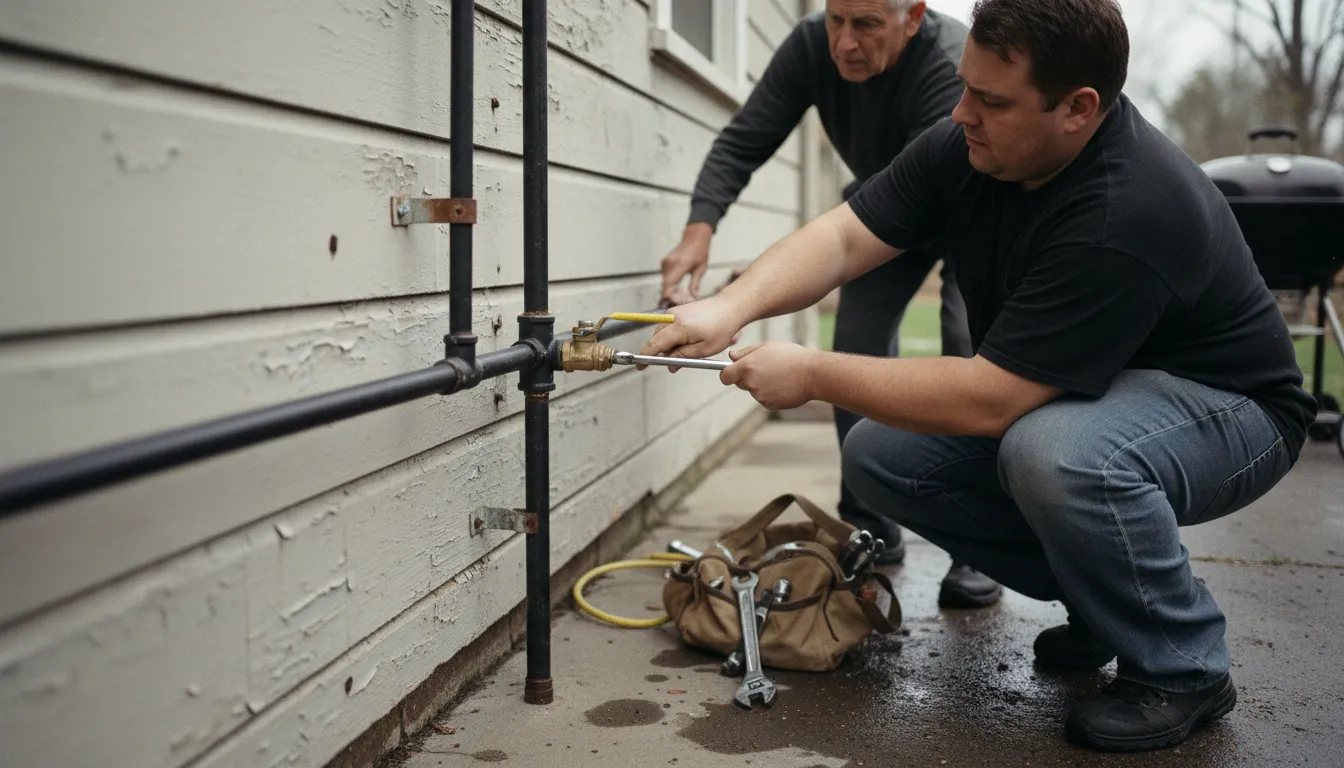
Find the Best Gas Line Plumbing Companies for Your Business
No obligation • Fast responses • Nationwide coverage

Why you can trust Search a Plumber
Search a Plumber is a leading United States resource for finding and evaluating professional plumbing services. Our team researches licensing, experience, and customer feedback to create unbiased, fact-driven overviews. Companies cannot pay to change ratings or placement, ensuring homeowners get trustworthy information.
Search providers near you
Top Gas Line Plumbing Companies in Maricopa, Arizona Ranked
Installing or repairing a gas line is a critical home project that directly impacts your family's safety and comfort. Whether you're adding a gas fireplace, outdoor kitchen, or dryer, proper gas line work ensures reliable fuel delivery and prevents dangerous leaks. This guide explains the essential steps, local codes, and safety considerations for gas line projects in Maricopa, helping you understand the process so you can connect with qualified local professionals who handle this specialized work.
Dignity Plumbers Service & Water Softeners
11200 W Wisconsin Ave #5A, Youngtown, AZ 85363
Dignity Plumbers Service & Water Softeners is a family-owned plumbing company serving Phoenix, AZ, and surrounding West Valley communities. They provide a wide range of plumbing services including water heater repair and installation, tankless water heater services, water softener installation, drain cleaning, sewer line repair, leak detection, gas line installation, toilet repair, and garbage disposal repair. With over 20 years of experience, their master plumbers are equipped to handle emergency plumbing needs 24/7, ensuring prompt attention to urgent issues. They also specialize in tankless water heater installation and recommend water softeners to protect plumbing investments.
Roto-Rooter Plumbing & Water Cleanup
12133 W Bell Rd #104, Surprise, AZ 85378
Roto-Rooter Plumbing & Water Cleanup provides comprehensive plumbing and water cleanup services in Phoenix, AZ, and the surrounding areas. They serve both residential and commercial clients with a wide range of services including sewer and drain cleaning, water heater repair and installation, leak detection, gas line installation, and trenchless sewer repair. The company is equipped to handle emergency plumbing situations and offers 24/7 availability to address urgent issues such as sewer backups, flooding, and gas leaks. Roto-Rooter also specializes in hydro jetting and mold remediation, using advanced technology to maintain and restore plumbing systems effectively. Serving the greater Phoenix area, Roto-Rooter has a strong local presence and understands the unique plumbing challenges posed by the region's weather and infrastructure. Their team is experienced in both conventional and trenchless sewer repair methods, providing tailored solutions for each property. The company emphasizes emergency readiness with around-the-clock service to minimize damage and disruption during plumbing crises.
Instant Plumbing and Rooter
4340 W Charleston Ave, Glendale, AZ 85308
Instant Plumbing and Rooter is a family-owned plumbing business serving Glendale, AZ, and surrounding Arizona communities since 2001. They offer a wide range of plumbing services including drain and sewer restoration, water heater installation and repair, water softener installation, leak detection, and gas line installation. Their capabilities include sewer line camera inspections to accurately diagnose and address drainage issues. The company focuses on both residential and commercial plumbing needs, providing solutions to maintain functional and efficient household plumbing systems.
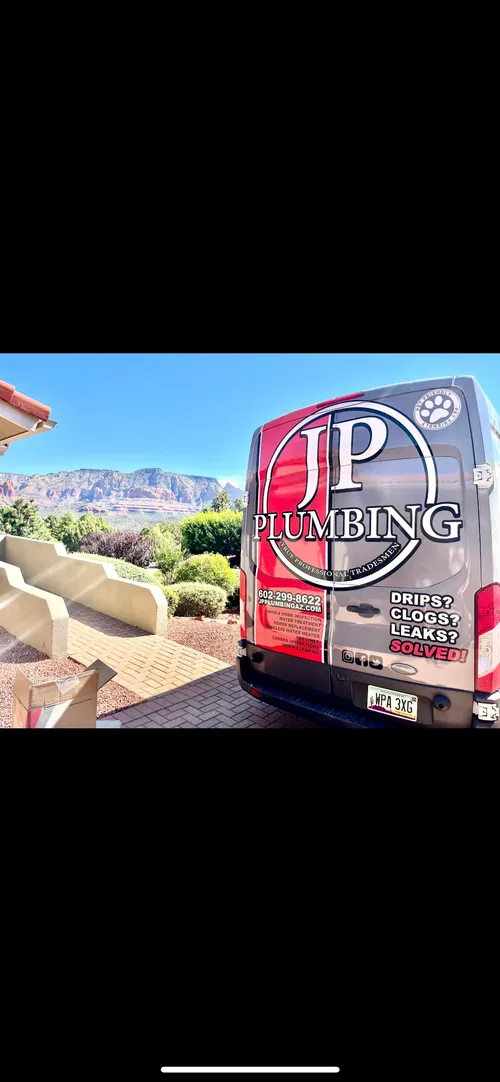
JP Plumbing LLC
Phoenix, AZ
JP Plumbing LLC is a plumbing company serving Phoenix, AZ, offering both residential and commercial plumbing services. They provide a wide range of solutions including water heater installation and repair, tankless water heater conversions, gas line installation, drain cleaning, and sewer camera inspections. Using advanced camera technology, they can accurately locate clogs and pipe damage to address plumbing issues efficiently. JP Plumbing LLC offers 24/7 emergency plumbing services to assist customers whenever needed.
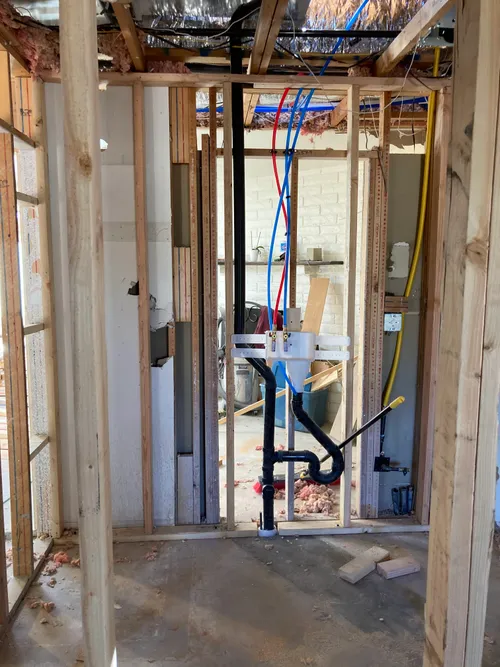
Special Ops Plumbing AZ
Scottsdale, AZ
Special Ops Plumbing AZ is a master plumbing service based in Scottsdale, AZ, serving the Phoenix metro area. They provide a wide range of plumbing services including water heater repair and installation, tankless water heater replacement, water softener installation, drain cleaning, sewer line repair, leak detection, gas line installation, toilet repair, and garbage disposal repair. With over 20 years of experience, they handle both emergency and planned plumbing needs. Special Ops Plumbing AZ offers 24/7 emergency plumbing services, ensuring help is available day or night. Their expertise includes professional sewer line clog clearing without the use of harmful chemicals, protecting both property and health.
Understanding Local Gas Line Requirements
In Maricopa and the surrounding Pinal County area, all gas line work-including new installations, alterations, and repairs-requires a permit from the local building department. This isn't just bureaucratic red tape; it's a vital safety step. The permitting process ensures your project is reviewed for compliance with the International Fuel Gas Code (IFGC) and local amendments, which dictate everything from pipe material to burial depth. For work within Maricopa city limits, you'll apply through the city's Development Services Department, while projects in the county fall under Pinal County's jurisdiction 1 2. A licensed plumbing contractor will typically handle this permit process on your behalf, submitting required documentation like a site plan and appliance BTU calculations.
The cornerstone of local requirements is the mandatory inspection. All newly installed or modified piping must be uncovered and accessible for the inspector's review. A critical part of this inspection is the pressure test. Before any trench is backfilled or walls are closed up, the system must hold a specified pressure (commonly 10 PSI for 15 minutes) without any drop, proving there are no leaks. Failing to get the proper inspections and passing the pressure test can lead to serious safety hazards and complications when you try to sell your home.
Why Permits and Inspections Are Non-Negotiable
- Safety Verification: Inspections catch installation errors that could lead to catastrophic gas leaks or explosions.
- Code Compliance: Ensures the work meets current safety standards for materials, sizing, and support.
- Utility Connection: The gas utility (e.g., Southwest Gas) will not connect or re-connect a meter without proof of a final inspection approval from the city or county.
- Insurance & Liability: Unpermitted work can void your homeowner's insurance if a related incident occurs.
Planning Your Gas Line Project
Successful gas line installation starts with careful planning. The first step is to determine the total gas demand. You must calculate the combined British Thermal Unit (BTU) rating of all appliances the line will serve-such as a water heater, furnace, stove, or fire pit-and the distance from the gas meter. This information is crucial for sizing the pipe correctly; an undersized line will cause appliances to run poorly or unsafely.
Next, map the route. For exterior underground gas lines, this involves planning the trench path. Local codes specify minimum burial depths (typically 12 to 18 inches for plastic-coated steel pipe) and require a continuous tracer wire to be buried with the line so future crews can locate it 3. A critical rule in Maricopa County is that gas piping cannot be installed under a building slab unless it is inside a protective, vented sleeve. This means runs under a new patio cover or driveway require advanced planning with a sleeved conduit.
For indoor gas piping runs, the plan must account for proper support (straps every 6-10 feet for horizontal runs), protection from damage, and adherence to clearance rules from electrical panels and ignition sources.
Find the perfect gas line plumbing companies for your needs
Get personalized recommendations and expert advice
The Installation Process: Step-by-Step
Once planning and permits are in order, a professional installation follows a meticulous sequence.
- Trenching and Sleeving: For underground lines, a trench is dug to the proper depth and grade. If the pipe must pass under a foundation, driveway, or sidewalk, a larger-diameter sleeve (like PVC) is installed first. The gas pipe is then run through this sleeve, with both ends vented to the atmosphere to prevent gas accumulation 4.
- Pipe Installation: Approved piping materials include black steel pipe, copper (for certain gas types), and Corrugated Stainless Steel Tubing (CSST) 5 6. All connections must be accessible, meaning unions and valves cannot be buried. CSST, a flexible yellow tubing often used in attics and crawlspaces, requires special care: it must be properly bonded to your home's electrical grounding system to prevent damage from lightning strikes 6.
- Pressure Testing: After the pipe is installed but before it's connected to the meter or appliances, the installer performs a pressure test. They seal the system and pressurize it with air, monitoring the gauge for any loss over the mandated time period. This test confirms the integrity of every joint and fitting 7.
- Inspection: With the pipe exposed and the pressure test passed, the inspector is called. They verify the materials, routing, support, bonding, and test results 8.
- Backfill and Connection: After inspection approval, the trench can be backfilled. The gas utility company is then notified to perform their own inspection and make the final connection at the meter 9.
Safety: The Paramount Concern
Working with natural gas or propane is inherently dangerous. Gas leaks pose two major risks: health and explosion. Inhaling natural gas can cause headaches, nausea, and dizziness due to oxygen displacement. More critically, gas is highly flammable; a small spark in a confined space with a gas accumulation can lead to a devastating explosion.
This is why the most critical safety rule is to never attempt to repair or modify a gas line yourself unless you are a licensed professional. Licensed plumbers have the training to work on live lines safely, the knowledge of local codes, and the authority to obtain the necessary permits 10 11. They also have the tools, like gas leak detectors, to ensure the system is secure. If you smell gas (a rotten egg odor) or hear a hissing sound, leave the area immediately and call your gas utility from a safe distance.
Understanding Costs for Gas Line Work
The cost for gas line installation in Maricopa can vary widely based on the project's scope. For a relatively straightforward project, such as running a new line for a gas stove or fire pit within 20 feet of the existing meter, homeowners might expect costs starting in the range of $1,200 to $2,400 for the labor and materials 12 13. This baseline typically excludes the permit and inspection fees.
Several factors can increase this cost:
- Length and Depth: Longer runs and deeper trenches require more materials and labor.
- Complexity: Navigating under driveways, patios, or landscaping adds time and may require specialized sleeving.
- Appliance Additions: Connecting a new appliance like a tankless water heater or pool heater may require upgrading the main line from the meter to handle the increased BTU load.
- Repair vs. New Install: Repairing a leaking section may be less expensive than a full home re-pipe.
Always get detailed, written estimates from licensed and insured plumbing contractors that clearly break down labor, materials, and permit fees.
Frequently asked questions
Sources
Footnotes
-
Residential Construction | Maricopa County, AZ - https://www.maricopa.gov/1674/Residential-Construction ↩
-
Frequently Asked Questions - Maricopa-AZ.gov - https://www.maricopa-az.gov/departments/development-services/frequently-asked-questions ↩
-
RESIDENTIAL GAS PIPE INSTALLATION - Pinal County - https://www.pinal.gov/DocumentCenter/View/442/009---What-Are-the-Residential-Gas-Piping-Installation-Requirements-PDF ↩
-
Liquefied Petroleum Gas Containers and Fuel Gas Piping DD-5001-01 - https://www.maricopa.gov/6487/Liquefied-Petroleum-Gas-Containers-and-F ↩
-
Residential Gas lines in the Phoenix Area | Robins Plumbing - https://www.robinsplumbing.com/gas-lines/residential-gas-lines-in-the-phoenix-area/ ↩
-
Residential Gas Pipe Installation - Coolidge, AZ - https://www.coolidgeaz.com/vertical/Sites/%7BAE188E70-DD7F-47BE-99EF-B58B70641DF9%7D/uploads/Residential_Gas_Pipe_Installation%281%29.pdf ↩ ↩2
-
Gas Line Installation in Mesa, AZ - The Cooling & Plumbing Co. - https://azcpg.com/plumbing/gas-line-installation-mesa-az ↩
-
Residential Inspection - Checklist - City of Phoenix - https://www.phoenix.gov/pddsite/Documents/TRT/dsd_trt_pdf_00081.pdf ↩
-
How to Install Natural Gas Lines Safely and Correctly - https://bluegasexpress.com/how-to-install-natural-gas-lines/ ↩
-
Plumbing Permits Arizona 2025 | Essential Homeowner Guide - https://rapidfireplumbing.com/plumbing-permits-in-arizona-what-you-need-to-know-in-2025/ ↩
-
The Importance of Professional Gas Line Repair: Safety First - https://azip.com/the-importance-of-professional-gas-line-repair-safety-first/ ↩
-
Gas Line Repair/Install - Plumber Of Maricopa - https://www.plumberofmaricopa.com/gas-line-repair-install ↩
-
How Much Do Gas Line Repairs And Replacement Cost? - https://www.callmattioni.com/blog/t-gas-line-repair-replacement-cost/ ↩