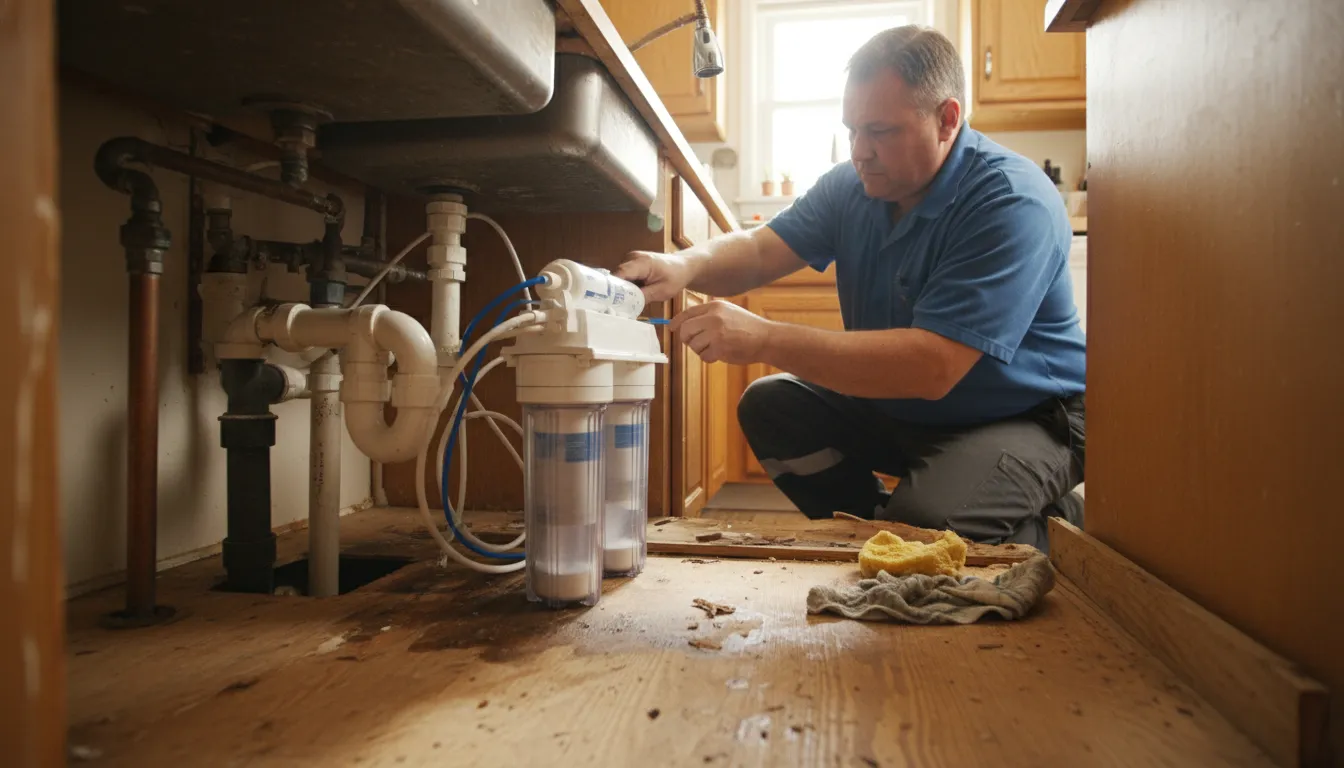
Find the Best Water Treatment Installation Companies for Your Business
No obligation • Fast responses • Nationwide coverage

Why you can trust Search a Plumber
Search a Plumber is a leading United States resource for finding and evaluating professional plumbing services. Our team researches licensing, experience, and customer feedback to create unbiased, fact-driven overviews. Companies cannot pay to change ratings or placement, ensuring homeowners get trustworthy information.
Search providers near you
Top Water Treatment Installation Companies in Minneapolis, Minnesota Ranked
While Minneapolis benefits from a municipal water supply that is moderately soft, many homes still face challenges with iron, chlorine, sediment, and taste. A tailored water treatment system can protect your plumbing, improve appliance efficiency, and enhance the quality of your water for drinking, cleaning, and bathing. This guide will help you understand the common water issues in the area and the types of softening and filtration solutions available, so you can make an informed decision for your home.
Merle's Water Conditioning
2200 MN-36, St Paul, MN 55109
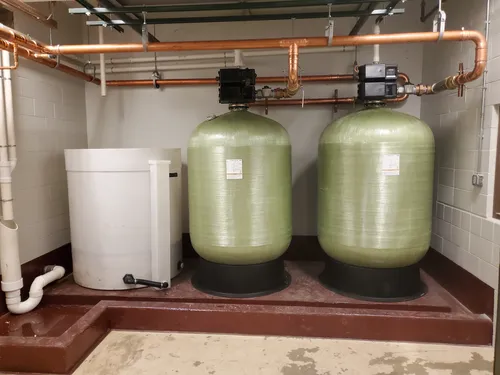
Merle's Water Conditioning is a water treatment company serving Minneapolis, MN, and surrounding areas. They provide residential and commercial water softener installation, whole house filtration, iron removal, and drinking water systems. With over 64 years of experience as an independent, non-franchised business, they focus on offering innovative and efficient water treatment solutions. Their services include commercial water system repairs and maintenance, ensuring reliable operation for business customers.
Taplin Soft Water
St Paul, MN
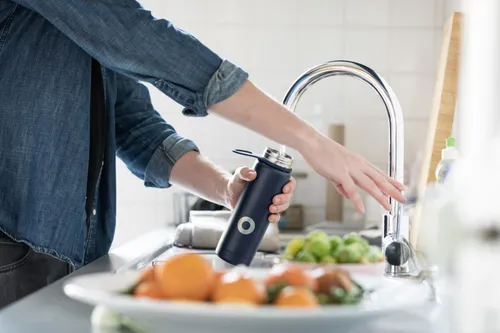
Taplin Soft Water is a family-owned water purification company serving St Paul, MN, and the broader Twin Cities area. Since 1988, they have provided water softener installation and comprehensive water treatment solutions, including whole-house filtration and reverse osmosis systems. Their certified technicians assess water quality to recommend personalized systems tailored to each home or business. Taplin Soft Water has extensive local knowledge of water challenges and focuses on delivering cleaner, healthier water to customers.
Hurlburt Heating & Plumbing
1000 County Rd E Suite 115, Shoreview, MN 55126
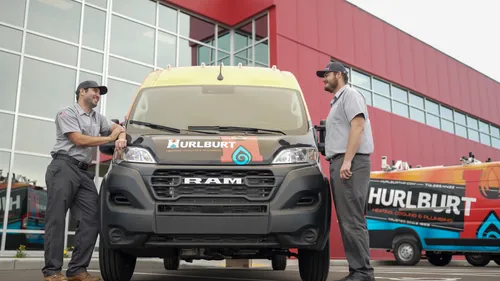
Hurlburt Heating & Plumbing is a family-owned home services provider serving St Paul, MN, and surrounding areas. Since 1959, they have offered plumbing, HVAC, and electrical services, including water heater repair, water softener installation, drain cleaning, and sewer line repair. Their experienced technicians use modern tools to address a wide range of home service needs. With a long history in the region, Hurlburt combines local knowledge with comprehensive capabilities to support homeowners year-round.
Good Guys Plumbing LLC
St Paul, MN
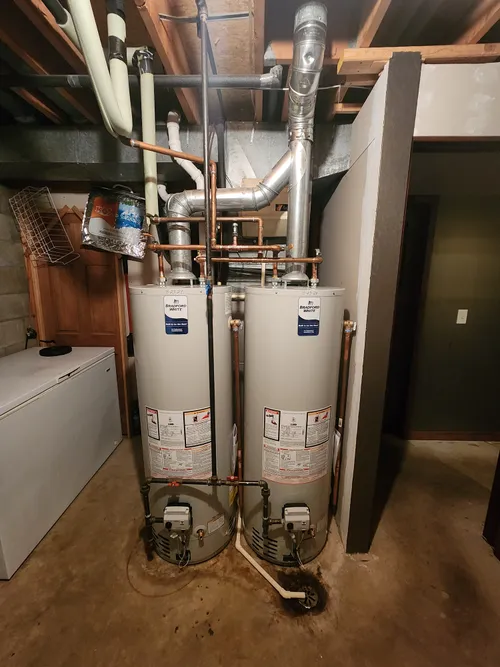
Good Guys Plumbing LLC is a family-owned plumbing company serving St Paul, MN, and nearby areas including Oakdale and Woodbury. They provide a wide range of residential plumbing services such as water heater repair and installation, sump pump repair, leak detection, gas line installation, and water softener installation. The company specializes in working with PEX, copper, and galvanized water systems and offers backflow prevention and water treatment solutions. With over a decade of experience, Good Guys Plumbing focuses on residential plumbing needs and maintaining home plumbing systems.
The McKays Company
780 19th St, Newport, MN 55055
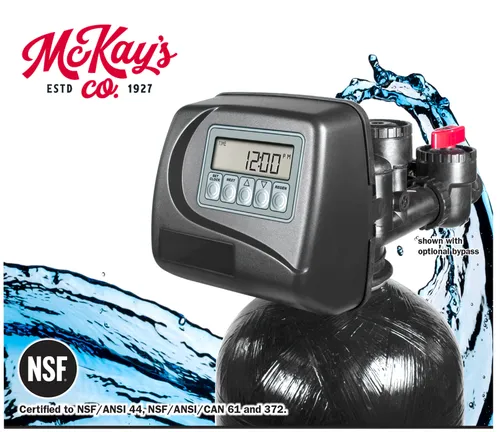
The McKays Company is a family-owned business based in Minneapolis, MN, specializing in water softener installation and plumbing services. With over 90 years of experience, they provide tailored water treatment solutions that address the unique water conditions found throughout Minnesota. Their services include water testing, installation, and ongoing maintenance to ensure effective water treatment for homes.
Understanding Minneapolis Water Quality
Minneapolis water is considered moderately soft, typically measuring around 65 parts per million (ppm) of hardness minerals. This is lower than many other areas in Minnesota due to the city's treatment processes. However, "soft" doesn't mean "pure." The water delivered to your home often contains other elements that can affect your daily life and your home's infrastructure.
Common issues include dissolved iron, which can cause reddish staining on fixtures and laundry; chlorine, used for disinfection, which can impart an unpleasant taste and odor; and fine sediment 1. Even with moderate hardness, you might still notice spots on glassware, dry skin, and reduced efficiency in water heaters and other appliances. The first step toward a solution is understanding exactly what's in your water.
Core Solutions: Softening vs. Filtration
It's important to distinguish between water softening and water filtration, as they address different problems. Often, a comprehensive approach combining both technologies yields the best results for Minneapolis homes.
Water Softeners specifically target hardness minerals-calcium and magnesium-through a process called ion exchange. A salt-based softener is the standard, where resin beads swap sodium ions for the hardness minerals 2. For households with constant water use, a dual-tank (or twin-tank) system is a popular choice as it provides continuous soft water and can be more efficient with salt consumption.
Water Filtration systems remove specific contaminants like chlorine, sediment, iron, and other particles. Common types include:
- Carbon Filters: Excellent for removing chlorine, improving taste and odor.
- Sediment Filters: Capture sand, silt, and rust particles.
- Iron Filters: Specifically designed to oxidize and filter out dissolved iron before it can cause staining.
- Reverse Osmosis (RO): A multi-stage filtration process that forces water through a semi-permeable membrane, removing up to 99% of total dissolved solids (TDS), including potential contaminants like lead, fluoride, and arsenic. RO systems are typically point-of-use systems installed under the kitchen sink for pristine drinking and cooking water.
Designing a System for Your Home
A one-size-fits-all approach doesn't work for water treatment. The right system depends on your home's specific water profile, size, and your family's needs.
Step 1: Professional Water Testing
Never guess your water quality. A professional water test is the crucial first step. This test will precisely measure your water's hardness level, iron content, chlorine level, pH, and the presence of any other concerning contaminants. This data is essential for selecting the correct equipment.
Step 2: Sizing and System Selection
Based on your test results and your household's daily water usage, a system can be properly sized. For softeners, this means choosing a unit with the correct grain capacity. A common setup for Minneapolis might involve a sediment pre-filter to protect downstream equipment, followed by a water softener, and finally a dedicated carbon filter or under-sink RO system for drinking water. For homes with higher iron, an iron filter may be installed before the softener.
Step 3: Professional Installation
Proper installation is key to system performance and longevity. A professional technician will typically install the system on your main water line, ensuring correct plumbing connections, drainage for the softener's brine tank, and proper programming of the control valve. The entire process usually takes a few hours 3.
Find the perfect water treatment installation companies for your needs
Get personalized recommendations and expert advice
Investment and Upkeep Costs
The cost of a water treatment system in Minneapolis varies based on equipment complexity, home size, and installation requirements.
- Equipment & Installation: For a quality whole-home system that includes both softening and filtration components, homeowners can expect an investment ranging from $1,500 to $5,000 or more 4 5. This includes the equipment itself and professional installation.
- Annual Upkeep: Ongoing maintenance is a necessary part of system ownership. Annual costs typically range from $200 to $500+ and cover 6 7 8:
- Salt: For salt-based softeners, salt must be replenished regularly, with monthly checks recommended. Dual-tank systems often use less salt.
- Filter Replacements: Sediment and carbon filters need periodic replacement, usually every 6-12 months depending on water quality and usage.
- RO Maintenance: Under-sink reverse osmosis systems require annual filter changes and membrane replacement every 2-3 years.
- Service: Occasional professional servicing may be needed for valve repairs or system checks.
Key Considerations for Minneapolis Homeowners
- Test First: Always start with a professional water test to diagnose your specific issues accurately.
- Combination Approach: Given the common presence of both moderate hardness and chlorine, many Minneapolis homes benefit from a system that combines softening and filtration, rather than choosing one or the other 9.
- Drinking Water Priority: For the highest quality drinking and cooking water, consider adding a point-of-use reverse osmosis system at your kitchen sink, even if you have a whole-home softener.
- Future-Proofing: Consider your long-term plans. A properly sized and maintained system can last 10-15 years and add value to your home by protecting pipes and appliances.
Frequently asked questions
Sources
Footnotes
-
The Complete Guide to Minnesota Water Quality: City-by-City Analysis - https://rangewater.com/the-complete-guide-to-minnesota-water-quality-city-by-city-analysis/ ↩
-
Purchasing and Maintaining A Water Softener | Department of Energy - https://www.energy.gov/energysaver/purchasing-and-maintaining-water-softener ↩
-
How to Size a Water Softener | Angi - https://www.angi.com/articles/what-size-water-softener-do-i-need.htm ↩
-
Water Softener Installation Blaine, MN - https://aquariushomeservices.com/water-softener-installation-blaine-mn/ ↩
-
Water Softener Costs: Price Secrets Uncovered 🇺🇸 Nov, 2025 - https://qualitywatertreatment.com/pages/why-do-costs-vary-water-softener-prices ↩
-
How To Choose The Best Water Treatment System For Your Twin ... - https://twincityheatingandair.com/minneapolis-mn-heating-and-air-conditioning-blog/how-to-choose-the-best-water-treatment-system-for-your-twin-cities-home ↩
-
How to Choose a Water Softener for Your Home | Step-by-Step Guide - https://homewater101.com/articles/find-water-softening-solution ↩
-
Residential softening | Water Resources Center - https://wrc.umn.edu/residentialsoftening ↩
-
Water Softener Installation Services | Twin Cities MN - https://www.petersonsalt.com/services/water-softener-installation/ ↩