Find the Best Sewer Line Repair Companies for Your Business
No obligation • Fast responses • Nationwide coverage

Why you can trust Search a Plumber
Search a Plumber is a leading United States resource for finding and evaluating professional plumbing services. Our team researches licensing, experience, and customer feedback to create unbiased, fact-driven overviews. Companies cannot pay to change ratings or placement, ensuring homeowners get trustworthy information.
Search providers near you
Top Sewer Line Repair Companies in Philadelphia, Pennsylvania Ranked
Dealing with a compromised sewer line is a critical home maintenance issue that can lead to unpleasant backups, property damage, and significant inconvenience. In a historic city like Philadelphia, with its aging infrastructure, understanding your options for sewer line repair and replacement is essential. This guide will help you navigate the complexities of sewer and drain line issues, from identifying common problems in Philly homes to evaluating the most effective and cost-efficient repair methods available locally.
Gold Star Plumbing, LLC
Philadelphia, PA
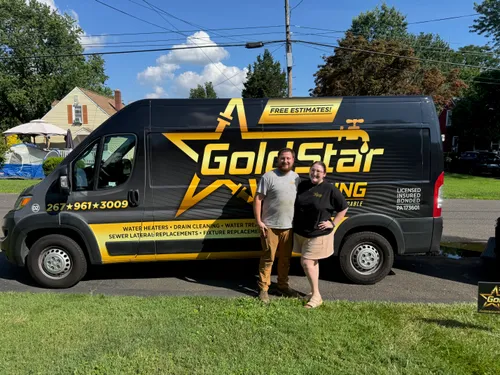
Gold Star Plumbing, LLC is a family-owned plumbing company serving Philadelphia, PA, and the surrounding Bucks and Montgomery Counties. They provide a wide range of residential plumbing services including water heater installation and repair, drain cleaning, sewer line repair, leak detection, sump pump repair, and bathroom remodeling. The team is experienced in handling mid-century plumbing upgrades and modern fixture installations with attention to local codes and seasonal needs. With over 300 families served near York Road, Jacksonville Road, and Pennypack Creek, Gold Star Plumbing emphasizes transparent pricing, clean workmanship, and respectful scheduling to minimize disruption during projects.
Scarpignato Plumbing & Heating, LLC
507 Hastings Ave, Wallingford, PA 19086
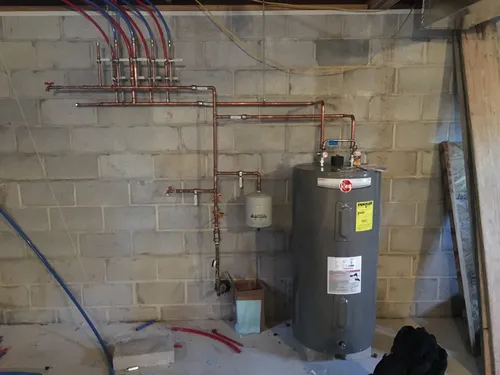
Scarpignato Plumbing & Heating, LLC is a family-owned plumbing and heating company serving Philadelphia, PA, and nearby Delaware County communities since 2000. They offer a wide range of services including sewer camera inspections, water heater installation and repair, drain cleaning, hydro jetting, trenchless sewer repair, leak detection, repiping, gas line installation, and general plumbing maintenance. The company uses advanced equipment such as video camera inspection tools and trenchless pipe repair technology to handle complex plumbing issues efficiently. Owner Michael Scarpignato is a licensed master plumber with over 25 years of experience, ensuring expert service and multiple repair options tailored to customer needs. Emergency plumbing services are also available for urgent situations.
P&A Plumbing & Drain Cleaning
520 Bloomfield Ave, Drexel Hill, PA 19026
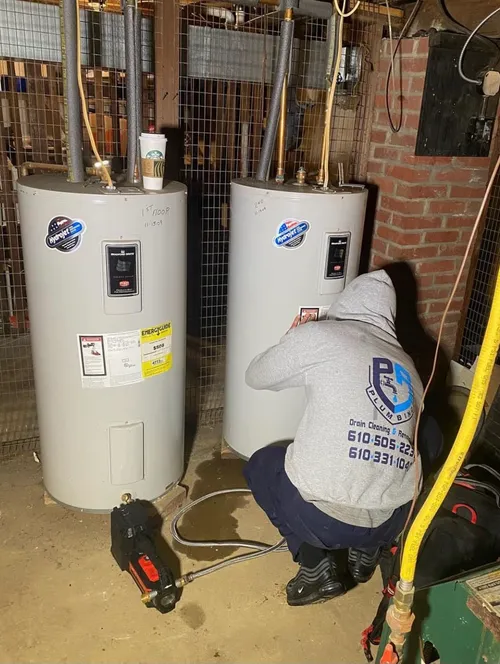
P&A Plumbing & Drain Cleaning is a family-owned plumbing company serving Philadelphia, PA, and surrounding counties including Delaware, Montgomery, and Chester. With over 20 years of experience, their licensed master plumbers provide a wide range of services for residential and commercial clients. They specialize in water heater installation and repair, drain cleaning, sewer line repair, gas line installation, and leak detection. The company uses advanced techniques such as hydro jetting for clearing drains and offers 24/7 emergency plumbing services to address urgent issues promptly.
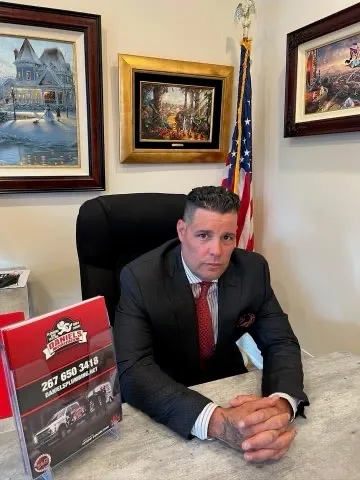
Daniel's plumbing drain cleaning and sewer repair of philadelphia
655 Second Street Pike, Southampton, PA 18966
Daniel's Plumbing Drain Cleaning and Sewer Repair of Philadelphia offers residential and commercial plumbing services in Philadelphia, PA. Their services include drain cleaning, water heater repair and installation, sewer line repair, and video sewer pipe inspections. The company is led by a Master Plumber certified by the City of Philadelphia and provides 24/7 emergency plumbing services. They emphasize professional, clean work with fully equipped trucks and a satisfaction guarantee.
Air Temp Solutions - AC Repair, Heating Repair, Water Heater Repair & Plumbing Devon PA
Philadelphia, PA
Air Temp Solutions - AC Repair, Heating Repair, Water Heater Repair & Plumbing Devon PA provides a wide range of plumbing and HVAC services in Philadelphia, PA. Their offerings include water heater installation and repair, tankless water heater services, water softener installation, sump pump repair, drain cleaning, hydro jetting, sewer line repair including trenchless methods, leak detection, repiping, gas line installation, and toilet repair. They also specialize in advanced sewer services such as video inspections and rooter services to diagnose and clear blockages efficiently. The company serves Philadelphia and nearby areas with comprehensive solutions for both routine maintenance and emergency repairs. Air Temp Solutions combines plumbing expertise with heating and cooling services, handling everything from furnace and boiler repairs to geothermal and mini-split system installations. Their team uses modern technology for leak detection and sewer inspections, and they offer trenchless sewer repairs that minimize property disruption. While the business history is not specified, their service range and technical capabilities reflect a broad skill set in residential plumbing and HVAC systems.
Understanding Philadelphia's Sewer Line Challenges
Philadelphia's rich history is reflected in its homes and, unfortunately, in its underground plumbing. Many residential properties in the city are serviced by original sewer pipes made from materials like cast iron or vitrified clay. While durable in their time, these materials are highly susceptible to two primary issues: corrosion and root intrusion.
Over decades, cast iron pipes can corrode from the inside, leading to weakened walls, cracks, and eventual collapse. Clay pipes, while resistant to decay, have joints that are vulnerable to infiltration from thirsty tree roots seeking moisture and nutrients. Once roots penetrate a joint, they expand, causing blockages and breaks that can severely compromise the entire line. These failures typically occur in the pipe running from your home's foundation to the city's main sewer line in the street, often passing beneath your yard, driveway, or sidewalk.
Signs You Need Sewer Line Attention
How do you know if you have a sewer line problem versus a simple clog? While some signs are obvious, others are more subtle indicators of a failing system:
- Frequent Backups: Multiple drains backing up simultaneously, especially when using a washing machine or flushing a toilet, is a classic sign.
- Unpleasant Odors: Persistent sewer gas smells in your yard or basement can indicate a crack or break in the line.
- Slow Drains: If all the drains in your home are draining slowly, despite attempts to clear them, the issue is likely deeper in the main line.
- Lush Patches or Sinkholes: Unusually green, soggy patches in your yard or unexplained depressions can signal a leaking sewer line fertilizing the soil.
- Gurgling Sounds: Strange noises coming from your toilets or drains when water is running elsewhere in the house.
If you notice any of these issues, the next critical step is to get a professional camera inspection. A plumber will run a specialized camera through your line to pinpoint the exact location, nature, and severity of the problem, which is essential for determining the right repair strategy.
Repair vs. Replacement: Assessing Your Options
Not every sewer line issue requires a full replacement. The solution depends entirely on the damage identified during the inspection.
Sewer Line Repair is often possible for isolated problems. This includes fixing a specific crack, sealing a leaking joint, or clearing a severe root blockage. These spot repairs are less invasive and can be significantly more affordable, sometimes ranging from a few hundred dollars.
Sewer Line Replacement becomes necessary when the pipe has multiple failures, has collapsed, or is extensively corroded. In Philadelphia, full replacement is common for century-old pipes that have reached the end of their functional life. This is a major project with two primary methodologies: traditional excavation and modern trenchless technology.
Traditional Excavation: The Conventional Method
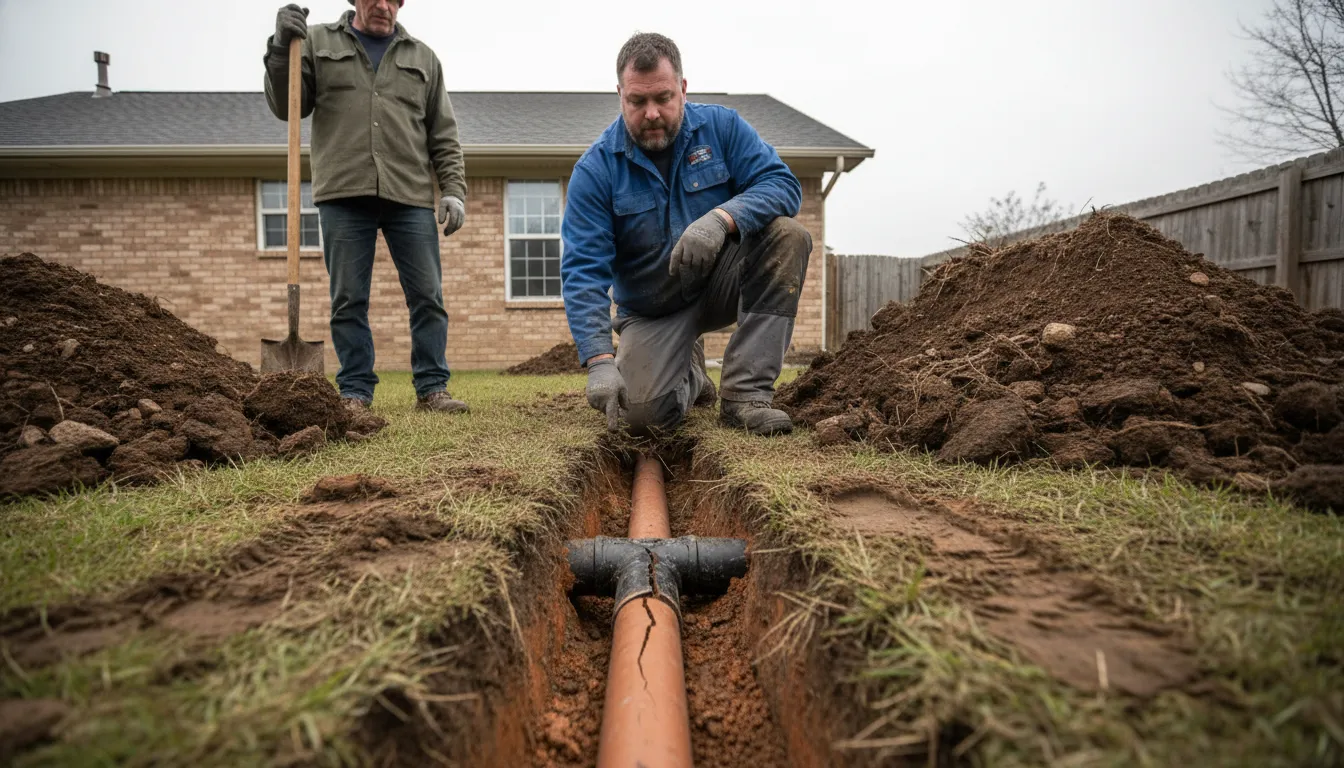
The long-standing method for sewer line replacement involves excavation-digging a long, deep trench from the house to the street to fully expose the old pipe. Once exposed, the old pipe is removed and a new one, typically modern PVC, is installed.
- Pros: For shallow, short pipe runs, this can be the most straightforward and sometimes less expensive option in terms of initial labor and materials. It allows for a complete visual inspection of the surrounding soil.
- Cons: The major downside is the extensive disruption. Your yard, landscaping, driveway, or sidewalk will be torn up. The true cost often comes in the restoration required after the plumbing work is done-re-sodding the lawn, repaving a driveway, or repairing concrete. In Philadelphia, this method also typically requires a more involved permitting process with the city's Department of Licenses and Inspections (L&I), which adds to the timeline and cost.
Trenchless Sewer Repair: A Modern Alternative
Trenchless technology has revolutionized sewer line work by minimizing or eliminating the need for large trenches. The two most common trenchless methods are pipe lining and pipe bursting.
- Pipe Lining (Cured-in-Place Pipe): A flexible, resin-saturated tube is inserted into the damaged pipe and inflated. The resin cures in place, forming a hard, seamless "pipe within a pipe." This method is excellent for repairing cracks, holes, and root intrusions without replacing the old pipe 1.
- Pipe Bursting: A conical bursting head is pulled through the old, broken pipe, simultaneously fracturing it outward and pulling a new, durable HDPE (high-density polyethylene) pipe into place behind it. This is a true replacement method that upsizes the pipe if needed 2.
The advantages of trenchless repair are significant: It's much faster, causes minimal disruption to your property, preserves your landscaping and hardscapes, and can often be completed in a day. While the upfront cost per foot can be higher, you save substantially on landscape restoration and related expenses 3.
Find the perfect sewer line repair companies for your needs
Get personalized recommendations and expert advice
Cost Considerations for Philadelphia Homeowners
The cost of sewer line work in Philadelphia varies widely based on the method, extent of damage, pipe length, depth, and access. Key factors include:
- Labor: Typically accounts for about 50% of the total project cost.
- Materials: PVC for traditional replacement or specialized liners and HDPE for trenchless work.
- Permits: The City of Philadelphia requires permits for this work, especially if it involves excavation in the right-of-way (like under a sidewalk). L&I permit fees can add $640 or more to your project cost.
- Restoration: For excavation projects, budget for replacing sod, plants, and repairing driveways or walkways.
General Cost Ranges (Philadelphia Area):
- Minor Repairs/Spot Fixes: $100 - $500
- Full Excavation Replacement: $70 - $140+ per linear foot for PVC installation, with total projects often ranging from $2,000 to over $10,000 when permits and restoration are included 4 5.
- Trenchless Replacement (Lining/Bursting): $80 - $250 per linear foot, with total projects commonly between $6,000 and $12,000+ 6 7. The higher initial cost is frequently offset by avoiding restoration work.
Navigating the Process: Your Next Steps
- Confirm the Problem: Don't guess. Invest in a professional video camera inspection to get a definitive diagnosis.
- Get Multiple Quotes: Obtain detailed, written estimates from several licensed Philadelphia plumbers who specialize in sewer line work. Ensure each quote specifies the proposed method (excavation vs. trenchless, lining vs. bursting), materials, timeline, and a clear breakdown of all costs, including permits.
- Ask About Permits: Any reputable contractor will handle the L&I permitting process for you. Confirm this is included and ask about the expected timeline, as permit approval can affect your project start date.
- Check Credentials: Verify the plumber is licensed, insured, and has positive local references. Experience with Philadelphia's specific codes and challenges is a major plus.
- Consider Long-Term Value: While upfront cost is important, also weigh the long-term value, property disruption, and warranty offered with each method.
Frequently asked questions
Sources
Footnotes
-
Philadelphia Sewer Line Repair - Zoom Drain - https://www.zoomdrain.com/philadelphia/drain-and-sewer-services/sewer-drain-repairs/ ↩
-
Trenchless Sewer Line Repair & Replacement - Bill Frusco Plumbing - https://www.billfrusco.com/sewer-drain/trenchless-sewer-line-repair-replacement/ ↩
-
Trenchless Pipe Repair: Plumbing Pals in Philadelphia - https://www.economydrainclean.com/plumbing/trenchless-pipe-repair/ ↩
-
Cost To Repair Sewer Line: 2023 Options & Affordable Services - https://www.superbrothers.com/cost-to-repair-sewer-line-2023-options-affordable-services/ ↩
-
How Much Does Sewer Line Replacement Cost ... - Angie's List - https://www.angi.com/articles/how-much-does-sewer-line-replacement-or-repair-cost/pa/philadelphia ↩
-
Trenchless vs. Traditional Sewer Repair - https://sewerlinesonly.com/trenchless-vs-traditional-sewer-repair-which-is-more-cost-effective-for-lakewood-homeowners/ ↩
-
Cost Comparison: Trenchless vs. Traditional Sewer Line Repair - https://www.advancedtrenchlesssolutions.com/blog/cost-comparison-trenchless-vs-traditional-sewer-line-repair ↩