Find the Best Repiping Contractors for Your Business
No obligation • Fast responses • Nationwide coverage

Why you can trust Search a Plumber
Search a Plumber is a leading United States resource for finding and evaluating professional plumbing services. Our team researches licensing, experience, and customer feedback to create unbiased, fact-driven overviews. Companies cannot pay to change ratings or placement, ensuring homeowners get trustworthy information.
Search providers near you
Top Repiping Contractors in The Colony, Texas Ranked
If you're a homeowner in The Colony, dealing with rusty water, low pressure, or persistent leaks, your home's plumbing system may be signaling it's time for a major upgrade. A whole-house repiping project replaces your home's aging or failing water supply and drain lines with modern, reliable materials, ensuring clean water and dependable flow for years to come. This guide will help you understand the process, costs, and key considerations for a plumbing overhaul in The Colony, so you can confidently explore your options for local, qualified professionals.
Adr plumbing Co
Plano, TX
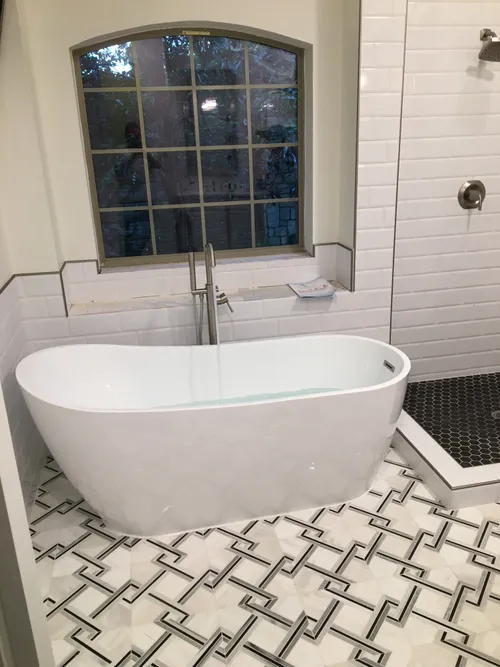
Adr Plumbing Co is a plumbing service provider based in Plano, TX, offering a wide range of services including water heater repair and installation, tankless water heater services, drain cleaning, sewer line repair, leak detection, repiping, toilet repair, and garbage disposal repair. They serve residential and property management clients with expertise in trenchless sewer repair and tunneling for under-slab repairs. Established in 2019, Adr Plumbing Co combines over 20 years of industry experience with well-stocked service vehicles to efficiently handle plumbing issues from minor leaks to major sewer line replacements. The company operates around the clock to address plumbing emergencies and routine maintenance needs.
Workman Plumbing
2310 N Henderson Ave #522, Dallas, TX 75206
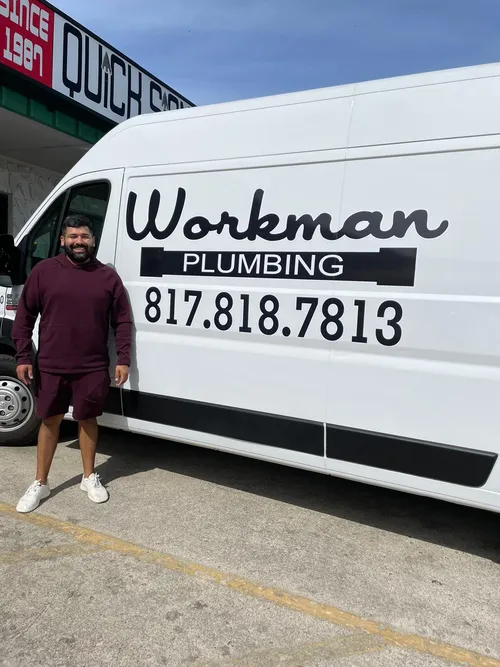
Workman Plumbing is a family-owned plumbing company serving Dallas, TX, and the broader Dallas-Fort Worth area. They offer a wide range of plumbing services including water heater installation and repair, drain and sewer cleaning, leak detection, repiping, and repairs for toilets and garbage disposals. The team is equipped to locate leaks at various depths and handle both residential and commercial plumbing needs. Workman Plumbing is recognized for its quality workmanship and has earned a strong reputation with over 300 five-star reviews. The company is licensed and insured, providing upfront pricing and professional service with advanced equipment.
Anchor Plumbing Company
Fort Worth, TX
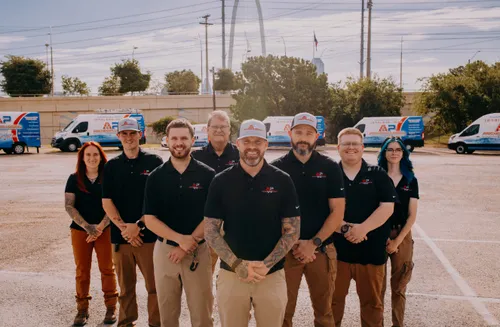
Anchor Plumbing Company is a family-owned plumbing service based in Fort Worth, TX, serving North Dallas and the entire Dallas-Fort Worth Metroplex. They offer a wide range of plumbing services including sewer camera inspections, water heater installation and repair, water softener installation, hydro jetting, leak detection, repiping, and gas line installation. The company uses video inspection technology to accurately diagnose plumbing issues and provides commercial hydro jetting services tailored to business needs. Established in 1973, Anchor Plumbing has over 50 years of experience and is currently led by the third generation of the founding family. They also provide 24/7 emergency plumbing services for urgent situations.

Mother Modern Plumbing, Sewer & Drain
6060 N Central Expy Suite 770, Dallas, TX 75206
Mother Modern Plumbing, Sewer & Drain provides a wide range of plumbing services in Dallas, TX. Their expertise includes sewer camera inspections, water heater repair and installation, drain cleaning, sewer line repair, leak detection, repiping, gas line installation, and toilet repair. They are equipped to handle complex plumbing issues such as cast iron sewer line inspections using camera technology and comprehensive repiping projects. The company is known for its knowledgeable technicians who communicate clearly and offer multiple repair options. Mother Modern Plumbing serves residential customers throughout Dallas and emphasizes thorough diagnostics and tailored solutions.
Plumbing Unit
6704 McCallum Blvd, Dallas, TX 75252
Plumbing Unit is a licensed plumbing company serving Dallas, TX, and the greater Dallas-Fort Worth metroplex. They offer a wide range of plumbing services including sewer camera inspections, water heater repair and installation, water softener installation, drain cleaning, hydro jetting, sewer line repair, trenchless sewer repair, leak detection, repiping, gas line installation, toilet and garbage disposal repair. The company has over 40 years of experience and provides 24/7 emergency plumbing services to address urgent issues at any time. Their capabilities include advanced leak detection and trenchless sewer line repair to minimize disruption during repairs.
Why Consider a Whole-House Plumbing Replacement?
Over time, all plumbing systems degrade. In many homes in The Colony, especially those built several decades ago, original pipes made of galvanized steel or even polybutylene are common. These materials are prone to internal corrosion and mineral buildup, which drastically reduces water pressure and can introduce rust into your water. Beyond the annoyance of weak shower pressure or discolored water, old pipes are significantly more likely to spring leaks, leading to water damage, mold growth, and costly emergency repairs.
A complete pipe replacement eliminates these risks. By installing new supply lines (for hot and cold water) and often new drain, waste, and vent (DWV) lines, you're investing in your home's long-term health and value. You'll benefit from improved water quality, consistent and strong pressure throughout the house, and the peace of mind that comes with a leak-resistant system. For many homeowners, it's not a question of if but when to undertake this essential home improvement project 1.
The Repiping Process: A Step-by-Step Overview
A full-house re-pipe is a significant undertaking, but understanding the steps involved can demystify the project and set clear expectations. Reputable plumbing companies follow a meticulous process to ensure a successful and efficient installation.
1. Inspection and Planning
The project begins with a thorough assessment. A licensed plumber will inspect your current system to identify the existing pipe materials, map the layout, and locate the main water shutoff. They will check for signs of corrosion, leaks, and poor water flow. This evaluation is crucial for creating a detailed plan that determines the best routes for the new pipes, the materials needed, and any potential obstacles, like slab foundations or complex wall structures. At this stage, the plumber will also handle pulling any necessary permits required by the City of The Colony 2 3.
2. Preparation and Access
Once the plan is set, the work area is prepared. The water supply to the home is completely shut off. To access the old piping network, plumbers must create strategic access points. This involves cutting carefully measured openings in drywall, ceilings, and sometimes floors. The goal is to minimize the number and size of these openings while ensuring the old pipes can be fully removed and the new ones properly installed. Furniture is moved, and areas are covered to protect your home 4.
3. Removal and Installation
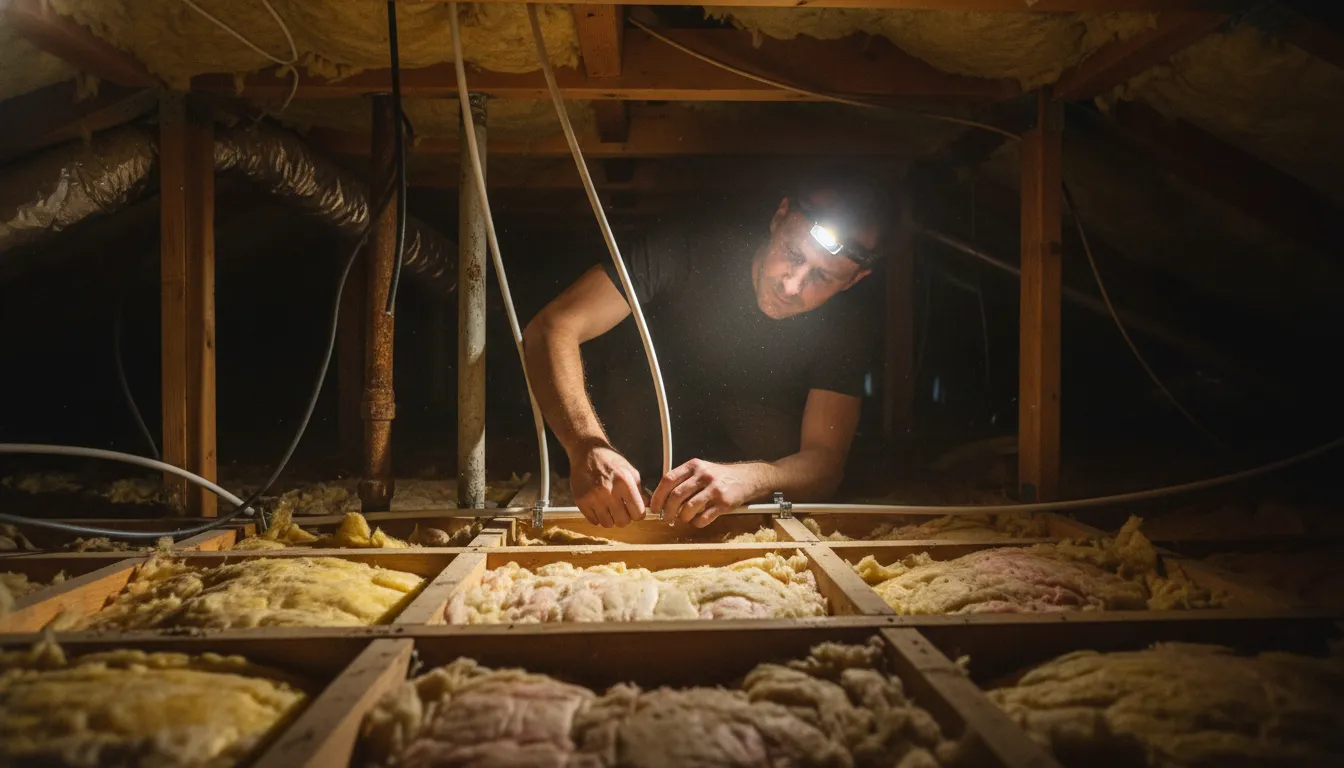
The old pipes are systematically disconnected and removed. This is when the crew installs the new plumbing lines. For supply lines in modern repiping jobs, flexible PEX tubing is often snaked through walls and ceilings, or durable copper lines are soldered into place. Drain lines are typically replaced with PVC or ABS pipe. A key strategy, especially in Texas homes, is to reroute supply lines through attics and interior wall cavities to avoid tunneling through concrete slab foundations, which is far more invasive and expensive.
4. Testing and Connection
Before any walls are closed up, the new system undergoes rigorous testing. The plumber will pressurize the new supply lines to check for any leaks at fittings and connections. Drain lines are also tested for proper flow and venting. Once the system passes inspection, the new lines are connected to your home's main water line and to all fixtures-sinks, toilets, showers, appliances, and outdoor spigots 5.
5. Restoration and Cleanup
The final phase is restoring your home. The access holes in the drywall are patched, taped, and mudded. While many plumbing companies include basic patching, painting is often the homeowner's responsibility or can be arranged as an additional service. Any flooring that was removed is replaced. The work area is thoroughly cleaned of all debris, dust, and materials. A final walk-through ensures everything is functioning perfectly and your home is left in good order 6.
Find the perfect repiping contractors for your needs
Get personalized recommendations and expert advice
Choosing the Right Piping Material
The material chosen for your new pipes is one of the most important decisions, impacting cost, longevity, and performance. Here are the most common options used in The Colony repiping projects:
- PEX (Cross-linked Polyethylene): This has become the go-to material for water supply lines in residential repiping. Its flexibility allows it to be run in long, continuous lengths with fewer fittings, reducing potential leak points. It's resistant to scale and corrosion, quieter than metal pipes, and typically more budget-friendly than copper. PEX is also faster to install, which can reduce labor costs 7.
- Copper: The traditional gold standard for plumbing, copper is extremely durable and has a proven lifespan of 50+ years. It resists bacteria growth and can handle high temperatures. However, it is more expensive than PEX, both in material cost and installation labor, as it requires soldering each joint. It's also susceptible to theft from construction sites, though this is less common in residential repiping 8.
- CPVC (Chlorinated Polyvinyl Chloride): A rigid plastic pipe used for both hot and cold water supply. It's less expensive than copper but more prone to becoming brittle over time, especially if exposed to sunlight during storage. It requires solvent welding for joints.
- PVC/ABS: These rigid plastics are almost exclusively used for drain, waste, and vent (DWV) lines, not for potable water supply. They are lightweight, inexpensive, and highly resistant to corrosion from drain chemicals and waste.
Your plumber can recommend the best material based on your home's layout, your local water chemistry, and your budget.
Understanding the Timeline and Cost Factors
How Long Does Repiping Take?
For an average single-family home in The Colony, you can expect the active repiping work to take 2 to 3 days. Larger homes, those with complex layouts, or projects that involve extensive rerouting (like moving pipes out of a slab) can extend the timeline to a full week 9 10. The restoration phase (drywall repair) adds additional time but is often scheduled separately.
What is the Cost to Repipe a House in The Colony?
Costs vary widely based on several key factors. A total project can range from $4,000 on the very low end to $15,000 or more for larger homes with premium materials 11 12.
- Home Size & Layout: The square footage and number of bathrooms/kitchens directly correlate with the amount of material and labor required. Multi-story homes cost more than single-story ranches.
- Pipe Material: As discussed, material choice is a major cost driver. A PEX repipe is generally on the lower end of the cost spectrum, while a copper repipe represents a higher investment. For a 2,000 sq ft home, PEX might range from $2,000 - $4,000+, whereas copper for the same home could be $8,000 - $15,000+ 13.
- Labor & Accessibility: If pipes are easily accessible in an open attic or crawlspace, costs are lower. Cutting into numerous finished walls, dealing with slab foundations, or working around complex structures increases labor time and cost.
- Permits & Restoration: Don't forget to factor in the cost of local permits and the final restoration work. While basic drywall patching is often included, full repair, texturing, and painting are typically extra.
Getting multiple detailed, written estimates from licensed and insured local plumbers is the best way to understand the specific cost for your home.
Signs You May Need a Plumbing System Overhaul
How do you know if your situation calls for a spot repair or a full replacement? Watch for these common indicators:
- Discolored Water: Brown, yellow, or reddish water, especially when first turning on the tap, is a classic sign of corroding galvanized pipes.
- Consistently Low Water Pressure: Gradual buildup of rust and mineral deposits inside old pipes restricts flow.
- Frequent Leaks: If you're constantly fixing pinhole leaks in different areas, the entire system is likely failing.
- Visible Corrosion: Check pipes in your basement, crawlspace, or under sinks. Flaking, rust, and green patina on copper are bad signs.
- Poor Water Quality: A metallic taste or odor can stem from decaying pipes.
If you're experiencing one or more of these issues, a professional inspection is the logical next step to assess the condition of your entire plumbing infrastructure.
Frequently asked questions
Sources
Footnotes
-
What to Expect During a Whole House Repipe: Cost, Timeline ... - https://go4apes.com/what-to-expect-during-a-whole-house-repipe-cost-timeline-and-installation-process/ ↩
-
Whole House Repiping in Richardson, TX - https://inhouseplumbingcompany.com/service-areas/richardson-tx/whole-house-repiping-richardson-tx/ ↩
-
Whole-House Repiping: Step-by-Step Guide - https://www.veteranplumbing.us/whole-house-repiping-step-by-step-guide/ ↩
-
What the Residential Repiping Process Involves - https://www.trmillerheatingandcooling.com/what-the-residential-repiping-process-involves/ ↩
-
What Is Involved in Repiping a House? - https://gotoapollo.com/2024/03/06/what-is-involved-in-repiping-a-house/ ↩
-
Whole House Repiping - https://inhouseplumbingcompany.com/services/whole-house-repiping-plano-tx/ ↩
-
How Much to Repipe a House: A Comprehensive Cost Guide - https://www.benjaminfranklinplumbing.com/league-city/blog/2024/december/how-much-to-repipe-a-house-a-comprehensive-cost-guide/ ↩
-
Repiping a House: Essential Guide | American Mains & Drains - https://www.americanmainsanddrains.com/post/repiping-a-house-guide ↩
-
What Is Involved With Repiping A House? | HELP Plumbing - https://333help.com/blog/what-is-involved-with-repiping-a-house/ ↩
-
Whole House Repiping in Carrollton, TX | Plumbing Dynamics - https://www.plumbingdynamicsdallas.com/whole-house-repiping/ ↩
-
2025 Texas Repiping Costs: What Homeowners Need to ... - https://wedorepipes.com/repipe-houston/2025-texas-repiping-costs-what-homeowners-need-to-know-before-upgrading-their-plumbing/ ↩
-
Repipe Cost Calculator | How Much to Repipe a House in Texas - https://www.repipesolutionsinc.com/repipe-calculator/ ↩
-
How Much Does It Cost to Repipe a House? [2026 Data] | Angi - https://www.angi.com/articles/cost-to-repipe-a-house.htm ↩