Find the Best Repiping Contractors for Your Business
No obligation • Fast responses • Nationwide coverage

Why you can trust Search a Plumber
Search a Plumber is a leading United States resource for finding and evaluating professional plumbing services. Our team researches licensing, experience, and customer feedback to create unbiased, fact-driven overviews. Companies cannot pay to change ratings or placement, ensuring homeowners get trustworthy information.
Search providers near you
Top Repiping Contractors in San Antonio, Texas Ranked
If you're a San Antonio homeowner dealing with persistent leaks, rusty water, or frustratingly low water pressure, your home's aging plumbing system may be signaling it's time for a major upgrade. Repiping, also known as whole-house pipe replacement, is the comprehensive process of removing old, failing pipes and installing a new, reliable water supply system throughout your home. This significant home improvement project addresses core issues with water quality, pressure, and reliability, safeguarding your property from water damage and ensuring clean water for years to come. For residents of the Alamo City, navigating the options for pipe replacement can be complex, but understanding the process, materials, and local considerations is the first step toward finding the right professional for the job.
The Bearded Plumber
San Antonio, TX
The Bearded Plumber is a full-service plumbing company based in San Antonio, TX, offering both residential and commercial plumbing solutions. Founded by Jayson Jimenez, who brings a lifetime of industry experience, the company specializes in sewer camera inspections, drain cleaning, sewer line repairs, trenchless sewer repair, leak detection, and repiping services. They use advanced technology such as hydrostatic testing, camera pinpointing, and multifrequency locators to accurately diagnose and repair plumbing issues, including tunneling beneath foundations for precise sewer repairs. The Bearded Plumber is also certified to provide professional backflow plumbing services.
JL Hearn Plumbing
219 Deer Cross Ln, Timberwood Park, TX 78260
JL Hearn Plumbing is a family-owned plumbing company serving San Antonio, TX, and nearby areas including Timberwood Park and Stone Oak. With over 30 years of experience and a Texas Master Plumber license, they provide a wide range of plumbing services such as water heater repair and installation, sewer line cleaning and repair, leak detection, water softener service, and gas line installation. Their team uses advanced equipment for leak detection and offers whole-house water filtration system installations. JL Hearn Plumbing is known for upfront pricing, fast scheduling, and pressure-free service.
Olde Town Plumbing
28550 I-10 Suite 2, Boerne, TX 78006
Olde Town Plumbing is a locally owned and operated plumbing company serving San Antonio, TX, and nearby areas including Boerne and the Texas Hill Country. They offer a wide range of plumbing services such as sewer camera inspections, water heater repair and installation, water softener installation, drain cleaning, sewer line repair, leak detection, repiping, gas line installation, toilet repair, and garbage disposal repair. The company is known for handling both residential and commercial plumbing needs, including slab leak repairs and whole-house repipes using PEX tubing. Olde Town Plumbing has been recognized by city inspectors and has maintained a strong reputation over the past four years. They also provide 24/7 emergency plumbing services, including after-hours and weekend availability.
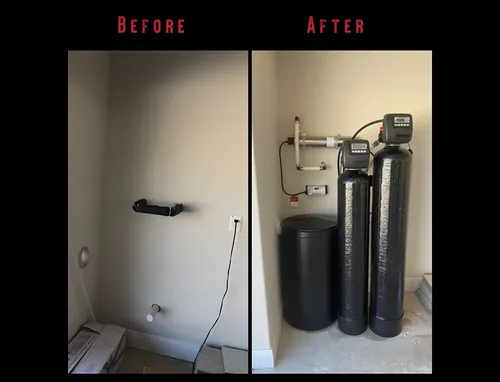
5th Street Services Plumbing & Drain
8801 FM1976 suite 118, Converse, TX 78109
5th Street Services Plumbing & Drain is a family-owned plumbing company serving San Antonio, TX. They provide a range of plumbing services including sewer line repair, trenchless sewer repair, leak detection, and repiping for both residential and commercial clients. Their team includes master plumbers with experience dating back to 1997. The company offers emergency plumbing services and specializes in plumbing tunneling, a method for repairing or replacing sewer pipes beneath homes to prevent foundation issues.
Olde Town Plumbing
128 W Bandera Rd, Boerne, TX 78006
Olde Town Plumbing is a licensed plumbing company serving San Antonio, TX, and the surrounding Kendall County area. They offer a wide range of plumbing services including sewer camera inspections, water heater repair and installation, water softener installation, sewer line repair, leak detection, repiping, gas line installation, and garbage disposal repair. The company uses specialized video equipment for leak detection and sewer line issues, ensuring precise diagnostics and repairs. With over 25 years of experience, Olde Town Plumbing provides 24-hour emergency plumbing services to address urgent plumbing problems any time of day or night.
Why San Antonio Homes Need Pipe Replacement
Many neighborhoods in San Antonio, especially in older areas like Alamo Heights, Terrell Hills, and the historic districts, feature homes built with plumbing materials that have exceeded their lifespan. Two common culprits are galvanized steel and polybutylene pipes.
Galvanized steel pipes, installed in many mid-20th century homes, are prone to internal corrosion and rust buildup over time. This corrosion severely restricts water flow, leading to low pressure at your faucets and showers. It also causes discolored, reddish-brown water and can introduce a metallic taste. Polybutylene pipes, a plastic material widely used from the late 1970s through the mid-1990s, are now known to become brittle and prone to sudden, catastrophic failure when exposed to common disinfectants in municipal water supplies.
Replacing these outdated systems is not just about fixing leaks; it's a critical investment in your home's health, efficiency, and value. A new plumbing system eliminates the risks of major leaks behind walls, improves water quality for drinking and bathing, and can even increase your home's resale value by assuring potential buyers of a modern, trouble-free infrastructure 1.
The Repiping Process: A Step-by-Step Overview
A whole-house repipe is a structured project typically managed by experienced plumbing teams. Understanding the steps can help you know what to expect.
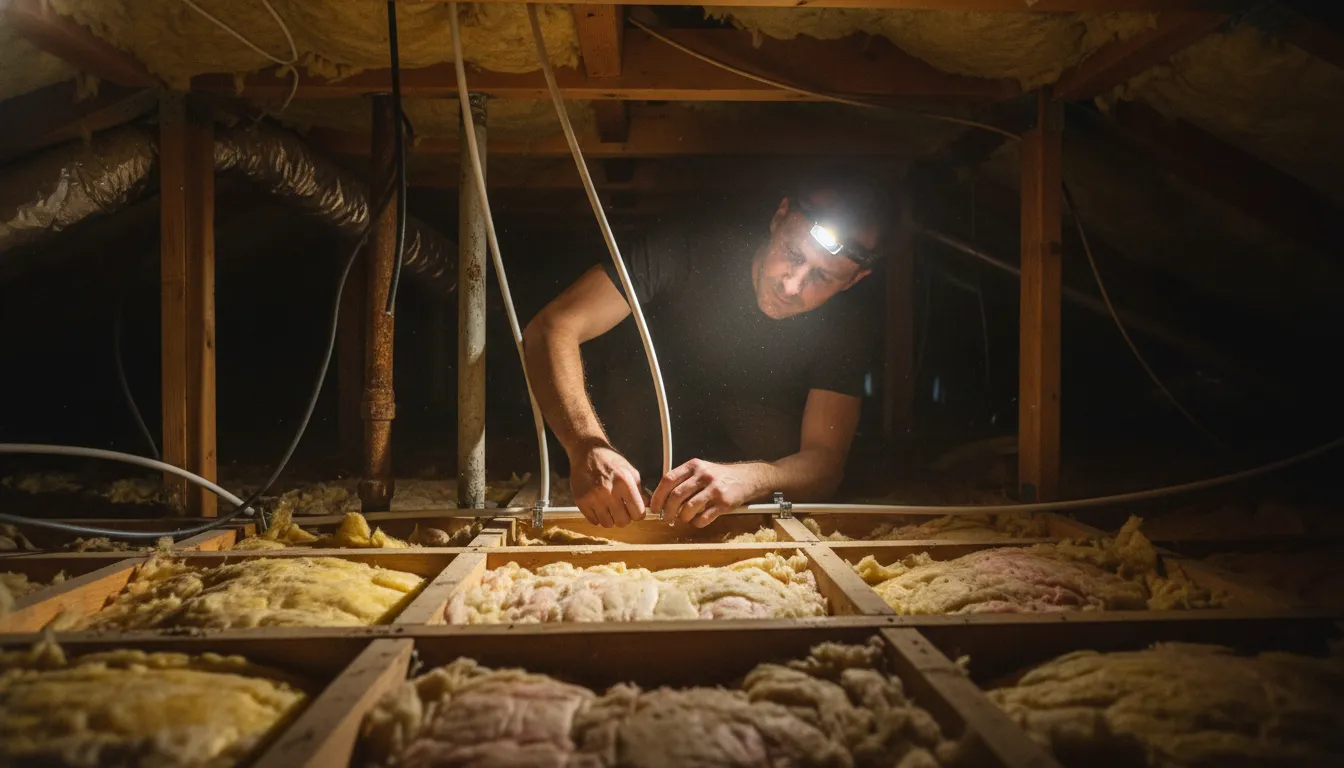
1. Initial Assessment and Planning A licensed plumber will conduct a thorough inspection of your existing plumbing system. They will identify the pipe materials, map the current layout, locate access points, and assess the condition of walls and fixtures. This is when they discuss your options for new piping materials (like PEX or copper) and provide a detailed estimate. Proper planning minimizes surprises and ensures the project meets local San Antonio building codes.
2. Gaining Access and Removing Old Pipes Since water supply lines are typically hidden inside walls and under floors, strategic access points must be created. Plumbers carefully cut sections of drywall to reach the old piping network. The main water supply is then shut off, and the existing pipes are systematically removed and discarded 2.
3. Installation of the New System This is the core of the project. The new piping material is run through the open wall cavities and connected to a new manifold-a central control panel that allows you to shut off water to individual lines (e.g., just the kitchen or a specific bathroom). New shut-off valves and, if necessary, pressure-reducing valves (PRVs) are installed to protect your new system. The installation method varies between rigid copper tubing, which requires soldering at each joint, and flexible PEX tubing, which uses crimp or push-fit connections.
4. Pressure Testing, Final Connections, and Restoration Before closing up the walls, the entire new system is pressurized with air or water to test for leaks-a crucial quality control step 3 4. Once it passes inspection, the lines are flushed, and all fixtures (sinks, toilets, showers, appliances) are reconnected. Finally, the drywall patches are repaired, textured, and painted to match your existing walls, and all job-site debris is removed 5.
Choosing Your Piping Material: PEX vs. Copper
The choice of material is one of the most significant decisions in a repiping project, impacting cost, longevity, and performance.
PEX (Cross-Linked Polyethylene) PEX has become the dominant choice for residential repiping and new construction, and for good reason. Its flexibility allows it to be snaked through walls with far fewer fittings than rigid pipe, which reduces potential leak points and can speed up installation 6. It is highly resistant to scale and corrosion, performs well in both hot and cold water applications, and is quieter than metal pipes. For most San Antonio homes, PEX offers an excellent balance of performance, longevity, and affordability 7.
Copper Copper is the traditional, time-tested material known for its durability and long service life-often 50 years or more. It has natural antimicrobial properties and can withstand high heat. However, it is significantly more expensive than PEX, both in material cost and labor, due to the need for soldering each joint. It is also susceptible to theft from construction sites. While copper remains a premium, reliable option, many homeowners and plumbers opt for PEX for its cost-effectiveness and installation advantages 8.
Other Materials: PVC and CPVC You may also hear about PVC (polyvinyl chloride) and CPVC (chlorinated polyvinyl chloride). These are typically used for drain, waste, and vent (DWV) lines, not for pressurized hot and cold water supply lines inside the home. CPVC can be used for supply lines but is more brittle than PEX and has fallen out of favor for whole-house repipes in many regions 9.
Find the perfect repiping contractors for your needs
Get personalized recommendations and expert advice
What Determines the Timeline for a Repipe?
Homeowners naturally want to know how long they'll be without water. A whole-house repipe for an average San Antonio home typically takes between 2 to 5 days, though larger or more complex homes can take a week or more 10 11.
Several factors influence the timeline:
- Home Size and Layout: A 1,500-square-foot, single-story ranch will be faster to repipe than a 3,500-square-foot, two-story home with multiple bathrooms.
- Accessibility: Open basements or accessible crawl spaces can speed up the process. Finished walls and ceilings with limited access points require more careful cutting and subsequent repair work.
- Number of Fixtures: Each sink, toilet, shower, and appliance (like ice makers and washing machines) is a connection point that takes time.
- Material Choice: PEX installations are generally faster than copper due to the flexibility of the tubing and simpler connection methods.
- Crew Size: A larger, experienced crew can complete the job more efficiently than a single plumber.
Your plumbing professional should provide a clear schedule upfront, including when water will be shut off and when you can expect full restoration.
Understanding the Investment: Cost Factors in San Antonio
The cost to repipe a house in Texas varies widely based on key variables. While you can find broad national ranges, local factors in San Antonio play a big role. Overall, homeowners can expect a range from $1,500 for a small, partial job to $15,000 or more for a large home with premium materials12.
Primary Cost Drivers:
- Square Footage and Fixture Count: This is the most significant factor. More pipe and more connections mean more labor and materials.
- Pipe Material: As noted, copper is a premium option. For a 2,000-square-foot home, a PEX repipe might range from $2,000 to $4,000, while a copper repipe for the same home could range from $8,000 to $16,00013 14.
- Access and Restoration: The cost includes not just the plumbing labor but also the drywall work to open and close walls. Complex access in finished areas can increase costs.
- Additional Updates: The project often presents an opportunity to add modern conveniences like a home-run manifold system, new emergency shut-off valves, or a water pressure regulator, which add to the cost but provide long-term benefits.
Always get multiple detailed, written estimates that break down material costs, labor, and restoration. A very low bid might indicate shortcuts or the use of inferior materials.
Signs Your San Antonio Home May Need a Repipe
How do you know if you need a full pipe replacement or just spot repairs? Look for these persistent warning signs:
- Discolored Water: Brown, yellow, or reddish water, especially when first turning on the tap, is a classic sign of corroding galvanized pipes 15.
- Low Water Pressure: A gradual decline in pressure throughout the house, not just at one fixture, often points to mineral buildup inside old pipes.
- Frequent Leaks: If you're constantly patching pinhole leaks in visible pipes, the entire system is likely failing.
- Water Quality Issues: A persistent metallic taste or odd odor can stem from decaying pipes.
- Visible Pipe Corrosion: Check pipes in your basement, crawl space, or under sinks. Flaking, rust, or moisture on the outside of pipes indicates advanced internal corrosion.
If you're experiencing several of these issues, a professional inspection is warranted to determine if a partial repair or a full repipe is the most economical long-term solution 16.
Preparing for a Repiping Project
A little preparation can make the process smoother for your household:
- Clear the Work Areas: Move furniture, decorations, and stored items away from walls where plumbers will need access, particularly in bathrooms, kitchens, and utility rooms.
- Plan for Water Outages: Your plumber will give you a schedule. Fill pitchers with drinking water, and consider using paper plates or planning meals that don't require cooking or cleanup on key days.
- Discuss Logistics: Talk with your plumber about where equipment will be stored, where they will enter/exit, and how they will protect your flooring.
- Ask About Permits: A reputable plumbing company will pull all required permits from the City of San Antonio, which ensures the work is inspected and up to code.
Investing in a repipe is a major decision, but for homes with failing plumbing, it brings peace of mind, protects your property from water damage, and delivers clean, reliable water-a fundamental upgrade to your daily life in San Antonio.
Frequently asked questions
Sources
Footnotes
-
Whole House Repiping in Richardson, TX - https://inhouseplumbingcompany.com/service-areas/richardson-tx/whole-house-repiping-richardson-tx/ ↩
-
What Is Involved With Repiping A House? - HELP Plumbing - https://333help.com/blog/what-is-involved-with-repiping-a-house/ ↩
-
Whole House Repiping in Carrollton, TX | Plumbing Dynamics - https://www.plumbingdynamicsdallas.com/whole-house-repiping/ ↩
-
Whole-House Repiping: Step-by-Step Guide - https://www.veteranplumbing.us/whole-house-repiping-step-by-step-guide/ ↩
-
Whole Home Repiping Service San Antonio, TX - https://anchorplumbingservices.com/plumbing/house-repiping/ ↩
-
What Is Involved in Repiping a House? - Apollo HVAC & Plumbing - https://gotoapollo.com/2024/03/06/what-is-involved-in-repiping-a-house/ ↩
-
How Much to Repipe a House: A Comprehensive Cost Guide - https://www.benjaminfranklinplumbing.com/league-city/blog/2024/december/how-much-to-repipe-a-house-a-comprehensive-cost-guide/ ↩
-
Types of Copper Pipe and Their Differences | Angi - https://www.angi.com/articles/copper-pipes-type.htm ↩
-
10 Types of Pipes Used in Plumbing - M.T. Copeland Technologies - https://mtcopeland.com/blog/10-types-of-pipes-used-in-plumbing/ ↩
-
Repiping San Antonio, TX | Whole House Pipe Replacement - https://www.callroadrunnerplumbing.com/plumbing/repiping-san-antonio-tx ↩
-
Whole-Home Piping & Repiping in San Antonio - Jon Wayne - https://jonwayne.com/plumbing/whole-home-repiping ↩
-
How Much Does It Cost to Repipe a House? [2026 Data] | Angi - https://www.angi.com/articles/cost-to-repipe-a-house.htm ↩
-
2025 Texas Repiping Costs: What Homeowners Need to ... - https://wedorepipes.com/repipe-houston/2025-texas-repiping-costs-what-homeowners-need-to-know-before-upgrading-their-plumbing/ ↩
-
How Much Does It Cost to Repipe a House in Texas? - https://santanabrosplumbing.com/how-much-does-it-cost-to-repipe-a-house-in-texas/ ↩
-
Repiping Services | Shafer Services Plus - https://shaferservices.com/repiping-services/ ↩
-
Steps in A Whole House Repipe - Ideal Services - https://www.idealservices.com/blog/steps-in-a-whole-house-repipe/ ↩