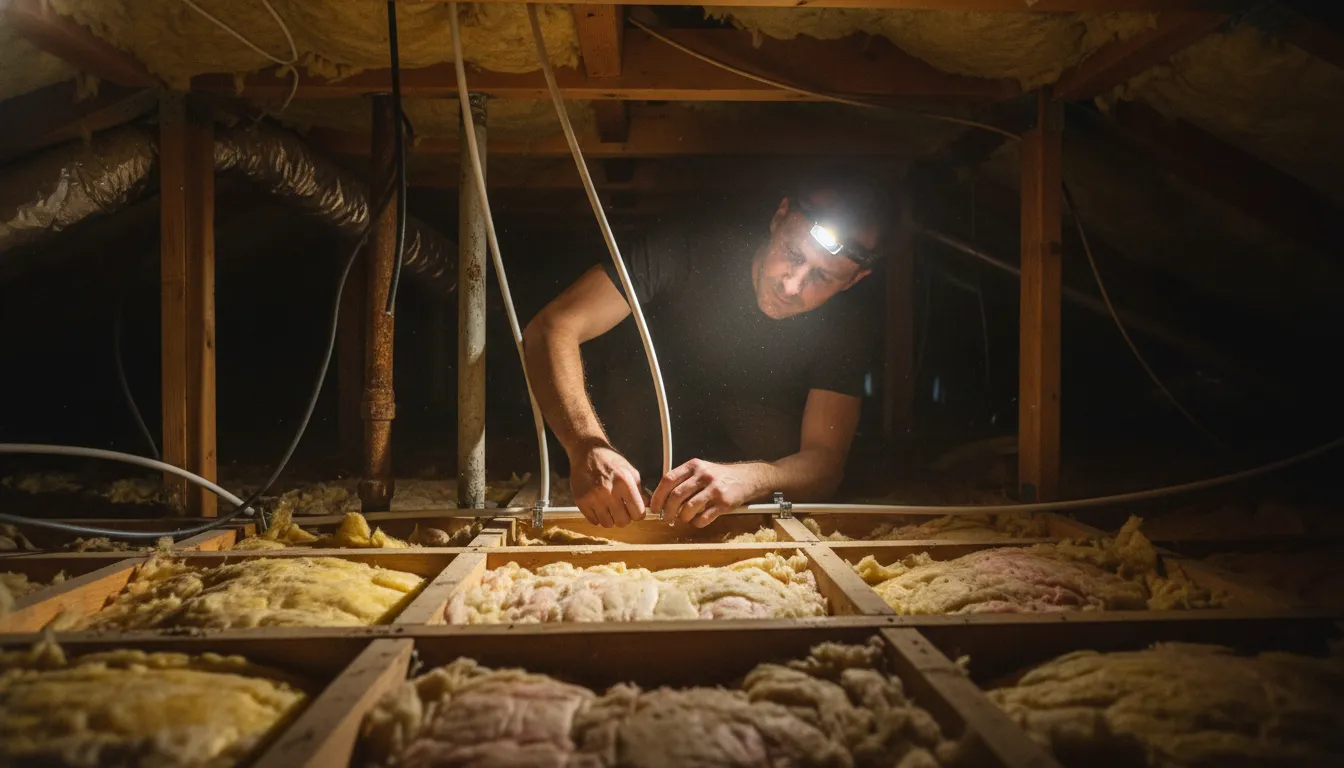
Find the Best Repiping Contractors for Your Business
No obligation • Fast responses • Nationwide coverage

Why you can trust Search a Plumber
Search a Plumber is a leading United States resource for finding and evaluating professional plumbing services. Our team researches licensing, experience, and customer feedback to create unbiased, fact-driven overviews. Companies cannot pay to change ratings or placement, ensuring homeowners get trustworthy information.
Search providers near you
Top Repiping Contractors in Coppell, Texas Ranked
If you're a homeowner in Coppell, you know the value of a reliable home. A critical yet often overlooked component of that reliability is your home's plumbing system. Over time, pipes can corrode, develop pinhole leaks, and restrict water flow, leading to a host of problems from low water pressure to potential water damage. Whole-house repiping is the comprehensive solution-a process of replacing all the old water supply pipes in your home with new, modern materials. This guide is designed to help you understand what a full home repipe entails, why it might be necessary for your Coppell residence, and how to navigate the process of finding qualified local professionals to ensure the job is done right.
Bow Tie Plumbing
1285 N Main St Suite 306, Mansfield, TX 76063
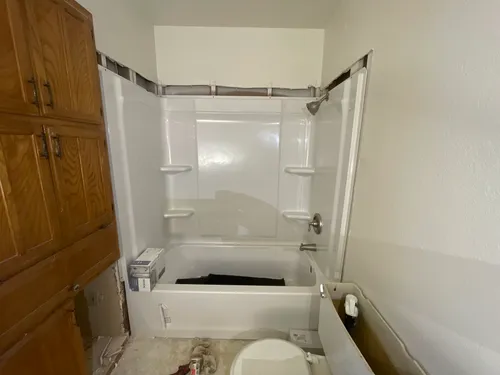
Bow Tie Plumbing is a family-owned plumbing company serving Arlington, TX, and the broader DFW area. With over 50 years of combined experience, they offer a wide range of services including water heater installation and repair, drain cleaning, sewer line repair, leak detection, repiping, and toilet repair. The company uses advanced techniques such as hydrostatic and smoke testing to identify plumbing issues and provides specialized services like tunneling for foundation access. Bow Tie Plumbing is known for transparent pricing, free estimates within 24 hours, and a 1-year labor warranty on their work.
Adr plumbing Co
Plano, TX
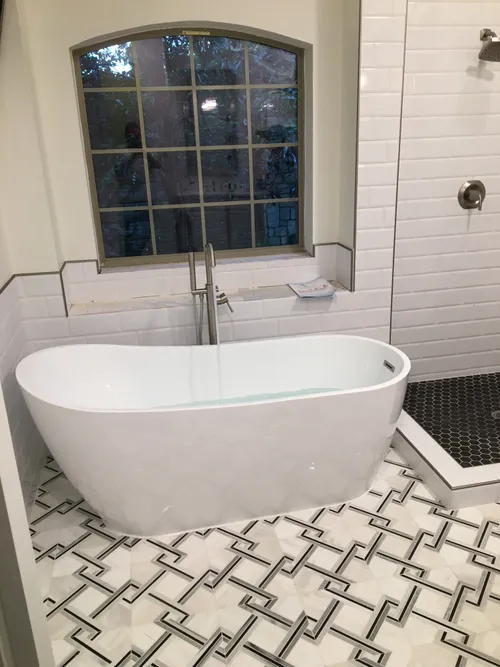
Adr Plumbing Co is a plumbing service provider based in Plano, TX, offering a wide range of services including water heater repair and installation, tankless water heater services, drain cleaning, sewer line repair, leak detection, repiping, toilet repair, and garbage disposal repair. They serve residential and property management clients with expertise in trenchless sewer repair and tunneling for under-slab repairs. Established in 2019, Adr Plumbing Co combines over 20 years of industry experience with well-stocked service vehicles to efficiently handle plumbing issues from minor leaks to major sewer line replacements. The company operates around the clock to address plumbing emergencies and routine maintenance needs.
Workman Plumbing
2310 N Henderson Ave #522, Dallas, TX 75206
Workman Plumbing is a family-owned plumbing company serving Dallas, TX, and the broader Dallas-Fort Worth area. They offer a wide range of plumbing services including water heater installation and repair, drain and sewer cleaning, leak detection, repiping, and repairs for toilets and garbage disposals. The team is equipped to locate leaks at various depths and handle both residential and commercial plumbing needs. Workman Plumbing is recognized for its quality workmanship and has earned a strong reputation with over 300 five-star reviews. The company is licensed and insured, providing upfront pricing and professional service with advanced equipment.

Anchor Plumbing Company
Fort Worth, TX
Anchor Plumbing Company is a family-owned plumbing service based in Fort Worth, TX, serving North Dallas and the entire Dallas-Fort Worth Metroplex. They offer a wide range of plumbing services including sewer camera inspections, water heater installation and repair, water softener installation, hydro jetting, leak detection, repiping, and gas line installation. The company uses video inspection technology to accurately diagnose plumbing issues and provides commercial hydro jetting services tailored to business needs. Established in 1973, Anchor Plumbing has over 50 years of experience and is currently led by the third generation of the founding family. They also provide 24/7 emergency plumbing services for urgent situations.

Mother Modern Plumbing, Sewer & Drain
6060 N Central Expy Suite 770, Dallas, TX 75206
Mother Modern Plumbing, Sewer & Drain provides a wide range of plumbing services in Dallas, TX. Their expertise includes sewer camera inspections, water heater repair and installation, drain cleaning, sewer line repair, leak detection, repiping, gas line installation, and toilet repair. They are equipped to handle complex plumbing issues such as cast iron sewer line inspections using camera technology and comprehensive repiping projects. The company is known for its knowledgeable technicians who communicate clearly and offer multiple repair options. Mother Modern Plumbing serves residential customers throughout Dallas and emphasizes thorough diagnostics and tailored solutions.
Understanding the Need for a Whole-House Repipe
Your home's plumbing is a network of arteries delivering fresh water and carrying waste away. In many Coppell homes, especially those built before the 1990s, these arteries may be made of galvanized steel or polybutylene, materials known to degrade over time. Galvanized pipes are prone to internal rust and corrosion, which can flake off and clog aerators, reduce water pressure, and even discolor your water. Polybutylene pipes, popular from the late 1970s to mid-1990s, are susceptible to becoming brittle and cracking at the fittings.
Signs you might need a repipe include:
- Persistent low water pressure throughout the house, not just at one fixture.
- Discolored water (yellow, brown, or reddish) when you first turn on the tap.
- Frequent leaks or a history of repairing pinhole leaks in your pipes.
- Rattling or banging noises (water hammer) in the walls when water is turned off.
- Visible corrosion on pipe fittings or under sinks.
Addressing these issues with a full re-piping project isn't just about fixing immediate problems; it's a long-term investment in your home's health, safety, and value. A new plumbing system provides peace of mind, improves water quality, and can be a strong selling point 1 2.
The Repiping Process: A Step-by-Step Overview
A whole-home repipe is a significant undertaking, but understanding the steps involved can make the process much less daunting. Professional plumbing contractors follow a systematic approach to minimize disruption and ensure a reliable, code-compliant result.
-
Comprehensive Assessment: A licensed plumber will first conduct a thorough inspection of your existing plumbing system. This involves identifying the pipe materials, mapping the current layout, locating the main water shut-off, and assessing the condition of pipes in walls, ceilings, and crawl spaces 3. This evaluation is crucial for providing an accurate quote and project plan.
-
Planning and Permitting: In Coppell, most whole-house repiping projects require a permit from the local building department. A reputable plumbing company will handle this process, ensuring the planned work meets all current plumbing codes and standards.
-
Gaining Access and Demolition: To remove old pipes and install new ones, technicians need to create access points. This typically involves cutting small, strategic openings in drywall at key locations, such as where pipes run vertically between studs or horizontally under sinks. The goal is to be as minimally invasive as possible while allowing full access to the old plumbing lines.
-
Removal and Installation: The old pipes are carefully disconnected and removed. The new piping material (like PEX or copper) is then installed according to the new layout plan. This stage includes running new lines to every water fixture-sinks, toilets, showers, washing machine, water heater, and outdoor spigots.
-
Connections and Fixture Hookups: Each new pipe run is connected to the main water line and to individual shut-off valves for fixtures. All sinks, toilets, and appliances are then reconnected to the new supply lines 4.
-
Pressure Testing and Inspection: Before closing up the walls, the entire new system is pressurized with air or water and meticulously checked for any leaks. Once it passes the plumber's test, a city inspector will usually visit to approve the work before it is covered up.
-
System Flush and Restoration: After passing inspection, the system is flushed to clear any debris. The plumbing company will then patch the drywall openings they created. While they handle the patching, the final painting and texture matching are typically the homeowner's responsibility, though some full-service companies may coordinate this 5.
Find the perfect repiping contractors for your needs
Get personalized recommendations and expert advice
Choosing the Right Piping Material for Your Home
One of the most important decisions in a repipe project is selecting the pipe material. The two most common and recommended options for Coppell homes are PEX and copper, each with distinct advantages.
-
PEX (Cross-Linked Polyethylene): This flexible, plastic tubing has become the go-to choice for most modern repiping projects. Its flexibility allows it to be snaked through walls with fewer fittings and connections, which are common failure points. This reduces labor time and cost. PEX is also highly resistant to scale and chlorine, doesn't corrode, and performs well in freezing conditions due to its ability to expand 6 7. For most homeowners, PEX offers an excellent balance of durability, performance, and cost-effectiveness.
-
Copper: The traditional standard for water supply lines, copper is known for its long lifespan, durability, and resistance to bacteria. It can withstand high heat and is often preferred for exposed pipe runs, such as in basements or utility rooms. However, copper is significantly more expensive than PEX, both in material costs and installation labor, as it requires soldering each joint 8 9. It is also susceptible to theft from construction sites.
-
CPVC (Chlorinated Polyvinyl Chloride): While still code-approved, CPVC is less commonly used for whole-house repipes today. It is rigid and requires glue at every joint, and can become brittle over time, especially if exposed to sunlight. Most plumbing professionals in the Coppell area now recommend PEX over CPVC for a whole-home system.
Your plumber can discuss the pros and cons of each material in the context of your home's layout, your budget, and your long-term plans.
Project Timeline and What to Expect at Home
A common question homeowners have is about the disruption involved. A whole-house repiping project for an average Coppell home typically takes between 3 to 7 days to complete, though this can vary based on the home's size, number of bathrooms, and complexity of the existing layout 10 11.
During the work, you should plan for:
- Interrupted Water Service: Water will be turned off for extended periods during the active installation phases. Your plumber should provide a clear schedule so you can plan accordingly.
- Access to Work Areas: Technicians will need clear access to walls, closets, and under-sink areas throughout the house.
- Drywall Dust and Debris: While professionals will use drop cloths and try to contain the mess, some dust is inevitable from cutting drywall access panels.
- Fixture Reconnection: Toilets and sinks will be temporarily unusable as they are disconnected and later reconnected.
Clear communication with your plumbing team about the daily schedule can help you manage daily life around the project.
Understanding the Investment: Cost Factors for Repiping
The cost to repipe a house in Coppell can vary widely, but having a general understanding of the factors involved helps in budgeting. The total price is influenced by the size of your home, the chosen piping material, the number of fixtures, the accessibility of existing pipes, and local labor rates.
- Home Size: Square footage is a primary driver. More pipe is needed for larger homes.
- Material Costs: As discussed, copper is significantly more expensive than PEX. Material choice is the single biggest variable in the total cost.
- Labor and Complexity: Multi-story homes, homes with concrete slab foundations, or those with complex layouts require more labor time. The ease of access to existing pipes (e.g., open basements vs. finished walls) also impacts labor costs.
- Number of Fixtures: Each bathroom, kitchen sink, laundry room, and wet bar adds to the number of connections required.
- Permits and Restoration: Don't forget to factor in the cost of the required permit and any drywall repair or painting you may need to hire out after the plumbing work is complete.
Based on regional data, homeowners can expect a broad range. For a smaller home (around 1,500 sq ft), costs might range from $4,000 to over $10,000, with PEX installations at the lower end of that spectrum 12 13. For a medium-sized home (around 2,000 sq ft), a PEX repipe might cost between $5,000 and $8,000, while a copper repipe for the same home could range from $8,000 to $16,000 14 15. It's essential to get multiple detailed, written estimates from licensed and insured plumbing contractors in the Coppell area.
Frequently asked questions
Sources
Footnotes
-
Whole House Repiping in Richardson, TX - https://inhouseplumbingcompany.com/service-areas/richardson-tx/whole-house-repiping-richardson-tx/ ↩
-
What Is Involved in Repiping a House? - Apollo HVAC & Plumbing - https://gotoapollo.com/2024/03/06/what-is-involved-in-repiping-a-house/ ↩
-
Comprehensive Guide to Whole House Repiping - https://www.absoluteairflow.com/comprehensive-guide-to-whole-house-repiping/ ↩
-
Whole-House Repiping: Step-by-Step Guide - https://www.veteranplumbing.us/whole-house-repiping-step-by-step-guide/ ↩
-
What Is Repiping? A Comprehensive Guide | CPI Service - https://cpiservice.com/blog/what-is-repiping/ ↩
-
How Much to Repipe a House: A Comprehensive Cost Guide - https://www.benjaminfranklinplumbing.com/league-city/blog/2024/december/how-much-to-repipe-a-house-a-comprehensive-cost-guide/ ↩
-
How to Identify the Type & Size of Your Home's Water Supply Pipe - https://www.youtube.com/watch?v=8MxVk7Rh_34 ↩
-
What to Expect During a Whole House Repipe: Cost, Timeline ... - https://go4apes.com/what-to-expect-during-a-whole-house-repipe-cost-timeline-and-installation-process/ ↩
-
Different Types of Plumbing Pipe Materials - https://bluefrogplumbing.com/types-of-pipes-different-materials-of-your-pipes-and-what-they-mean/ ↩
-
Katy, TX Whole Home Repiping | Repipe Specialists in Houston, TX - https://www.met-plumbing.com/plumbing/whole-home-repiping/ ↩
-
What Is Involved With Repiping A House? - HELP Plumbing - https://333help.com/blog/what-is-involved-with-repiping-a-house/ ↩
-
2025 Texas Repiping Costs: What Homeowners Need to ... - https://wedorepipes.com/repipe-houston/2025-texas-repiping-costs-what-homeowners-need-to-know-before-upgrading-their-plumbing/ ↩
-
Repipe Cost Calculator | How Much to Repipe a House in Texas - https://www.repipesolutionsinc.com/repipe-calculator/ ↩
-
House Repiping Cost Breakdown - Vaquero Plumbing - https://vaqueroplumbing.com/house-repiping-cost-breakdown/ ↩
-
How Much Does It Cost to Repipe a House? [2026 Data] | Angi - https://www.angi.com/articles/cost-to-repipe-a-house.htm ↩