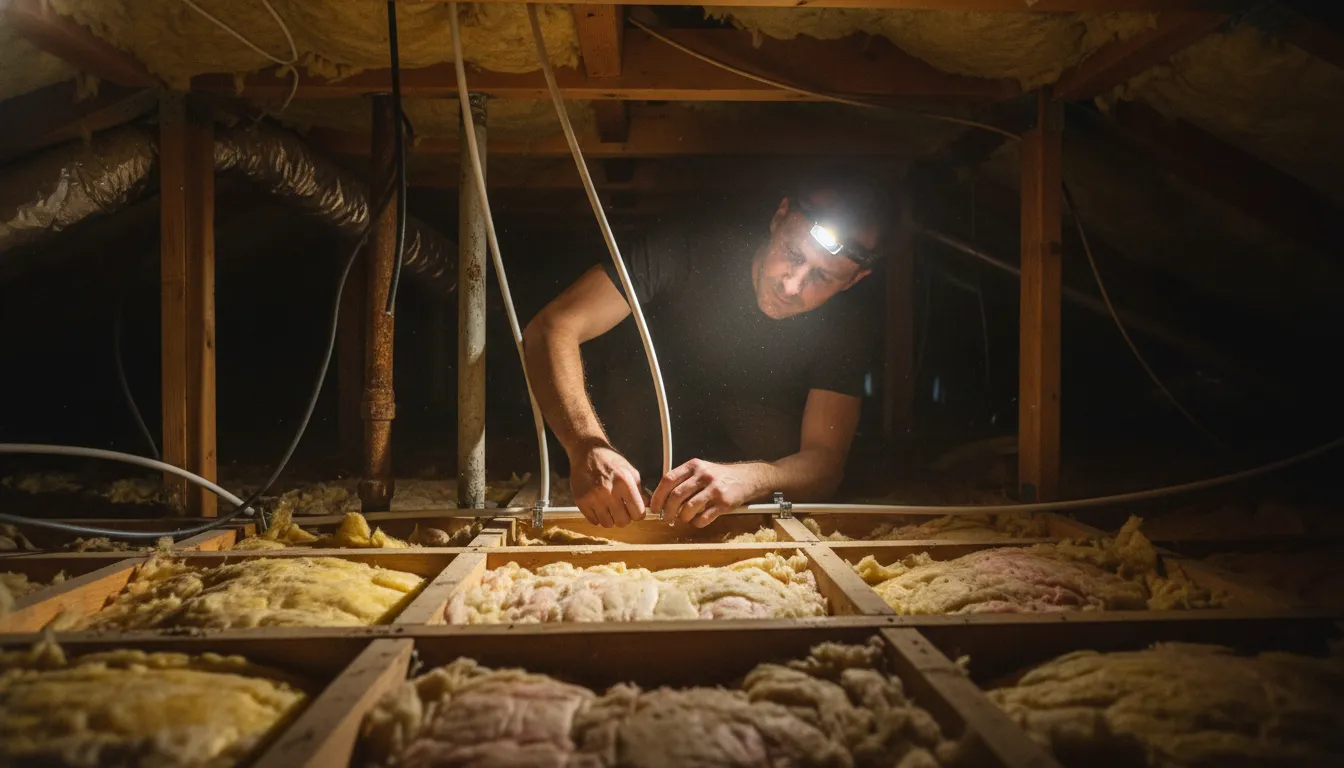
Find the Best Repiping Contractors for Your Business
No obligation • Fast responses • Nationwide coverage

Why you can trust Search a Plumber
Search a Plumber is a leading United States resource for finding and evaluating professional plumbing services. Our team researches licensing, experience, and customer feedback to create unbiased, fact-driven overviews. Companies cannot pay to change ratings or placement, ensuring homeowners get trustworthy information.
Search providers near you
Top Repiping Contractors in Columbus, Ohio Ranked
A whole-house repiping project is a significant but often necessary upgrade for homeowners dealing with aging, corroded, or leaking plumbing systems. This process involves replacing all the water supply pipes throughout your home, which can dramatically improve water pressure, water quality, and long-term reliability. For Columbus residents, navigating this major home improvement means understanding the local process, materials, and costs to connect with qualified professionals who can ensure the job is done correctly and to code.
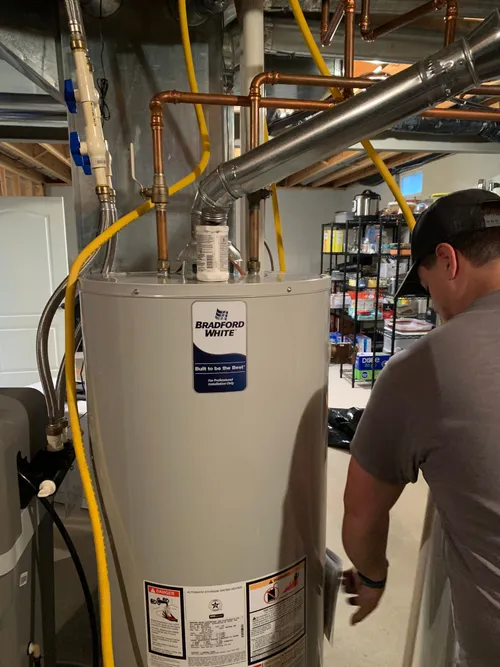
Rose Plumbing, LLC
6520 Oley Speaks Way suite a, Canal Winchester, OH 43110
Rose Plumbing, LLC is a family-owned plumbing company serving Columbus, OH, and surrounding areas. With over 30 years of experience, they provide a wide range of residential and commercial plumbing services including water heater repair and installation, drain cleaning, leak detection, repiping, gas line installation, toilet repair, and garbage disposal repair. Their certified professionals handle both emergency repairs and complete installations, offering 24/7 emergency commercial service to minimize downtime for businesses.
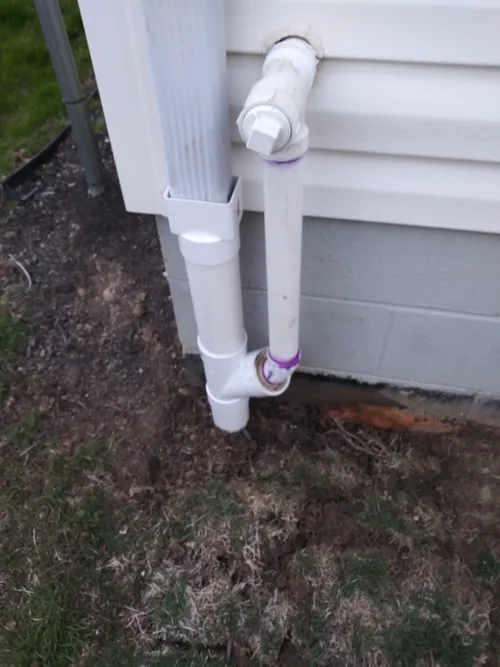
West Plumbing and Rooter Services
Po Box 1638, Reynoldsburg, OH 43068
West Plumbing and Rooter Services is a family-owned plumbing business serving Columbus, OH, and surrounding areas for over 25 years. They offer a range of services including sewer camera inspections, sump pump repairs, drain cleaning, leak detection, and repiping. The company is equipped to handle emergency plumbing needs 24/7 and uses camera technology to diagnose plumbing issues accurately. Their long history in the community reflects their experience and commitment to tailored plumbing solutions.
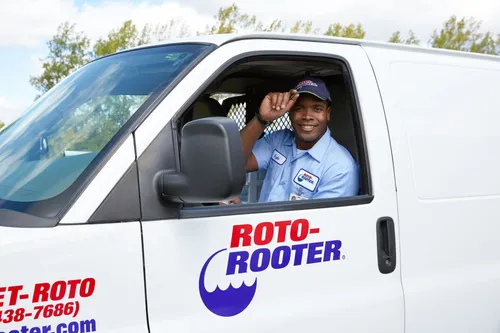
Roto-Rooter Plumbing & Water Cleanup
26 W Central Ave #201, Delaware, OH 43015
Roto-Rooter Plumbing & Water Cleanup provides a wide range of plumbing services in Columbus, OH, including drain cleaning, sewer line repair, water heater installation and repair, and leak detection. They serve both residential and commercial customers, offering specialized services such as hydro jetting and trenchless sewer repair. The company also provides 24/7 emergency plumbing services to address urgent issues like burst pipes and sewer backups. With expertise in local plumbing codes and environmental challenges, Roto-Rooter supports the plumbing needs of homes and businesses in the area. Their service area extends beyond Columbus to multiple counties including Knox, Franklin, and Delaware. Roto-Rooter is known for its comprehensive sewer line solutions, including cleaning, repair, and replacement using minimally invasive trenchless methods. They also handle water damage cleanup and mold remediation related to plumbing failures. The company is fully licensed and insured, emphasizing reliable and professional plumbing support available around the clock.
Apex Pros Plumbing, Electrical, Heating and Air
4300 Tuller Rd, Dublin, OH 43017
Apex Pros Plumbing, Electrical, Heating and Air provides a wide range of home services in Columbus, OH, including plumbing, electrical, heating, and air conditioning solutions. Their plumbing services cover water heater repair and installation, tankless water heaters, drain cleaning, hydro jetting, sewer line repair, trenchless sewer repair, leak detection, repiping, gas line installation, and toilet repair. They use advanced diagnostic tools for sewer inspections and repairs to maintain system efficiency. Apex Pros serves the Columbus area with a skilled team of licensed plumbers, electricians, and HVAC technicians, offering financing options and free estimates to support homeowners' needs.

Amanda Plumbing
4425 Columbus Pike, Delaware, OH 43015
Amanda Plumbing is a family-owned and veteran-led plumbing company serving Columbus, OH, and Central Ohio since 1995. They provide a full range of residential and commercial plumbing services, including sewer camera inspections, water heater installation and repair, drain cleaning, trenchless sewer repair, leak detection, repiping, and gas line installation. The company specializes in underground pipe repair using trenchless technology to minimize property disruption. Amanda Plumbing offers 24/7 emergency service and is fully licensed, bonded, and insured.
Understanding the Need for a Full Pipe Replacement
Home plumbing is largely out of sight, but problems like frequent leaks, discolored water, or a persistent drop in water pressure are clear signals your pipes are failing. In many Columbus homes, original galvanized steel or polybutylene pipes are reaching the end of their lifespan, becoming prone to corrosion, rust buildup, and sudden failure. A complete pipe replacement, or repiping, is the definitive solution. It addresses the root cause of these issues rather than applying temporary patches, ultimately protecting your home from water damage and ensuring clean, reliable water flow to every faucet and appliance.
The Columbus Repiping Process: A Step-by-Step Overview
A professional whole-house repiping is a multi-stage operation that requires careful planning and skilled execution. Here's what you can generally expect when you hire a local specialist for this major plumbing overhaul.
1. Inspection and Planning The process begins with a thorough assessment. A licensed plumber will inspect your current plumbing system to identify the existing pipe materials, map the layout, and pinpoint problem areas. This stage is crucial for developing an efficient plan for the new piping network and determining what permits are required from the City of Columbus 1.
2. Water Shutdown and Access Creation Once a plan is in place, the main water supply to the home is shut off. To access the old pipes running inside walls, ceilings, and floors, technicians will need to create strategic access points. This involves cutting small, precise holes in drywall or plaster, which are necessary to remove the old lines and install the new ones.
3. Removal and New Installation The old, compromised pipes are carefully removed. Then, the new piping system is installed. Modern plumbers typically route new supply lines through attic spaces, basements, or crawlspaces to minimize wall damage, though some cutting is inevitable. The new pipes are connected to your home's main water line and run to all fixtures-sinks, toilets, showers, and appliances 2.
4. Pressure Testing and Inspection After installation, the new system is rigorously pressure-tested to check for any leaks. This is a critical quality assurance step. Once the system passes the test, a final inspection by a local building official is often required to ensure the work meets all Columbus plumbing codes.
5. Restoration and Cleanup The final phase involves repairing the access holes in your walls and ceilings, restoring floors if necessary, and conducting a comprehensive cleanup of the work area. A reputable plumbing team will leave your home as tidy as possible, with only the new, hidden infrastructure as evidence of the major upgrade completed.
Choosing the Right Piping Material for Your Home
The material chosen for your new pipes is a key decision that affects cost, longevity, and performance. Today's plumbers typically use one of three primary materials for residential repiping projects.
- PEX (Cross-linked Polyethylene): This flexible, plastic tubing has become the most popular choice for repiping. Its flexibility allows it to be snaked through walls with fewer fittings, which can reduce leak points and installation time. PEX is highly resistant to scale and corrosion, performs well in freezing conditions, and is generally the most cost-effective option 3.
- Copper: The long-standing standard for durability and longevity. Copper pipes have a proven track record of lasting 50 years or more and are resistant to bacteria. However, they are more expensive than plastic options, require soldering at each joint, and can be susceptible to theft from vacant properties during construction 4.
- CPVC (Chlorinated Polyvinyl Chloride): A rigid plastic pipe that is glued together at fittings. CPVC is cost-effective, easy to install, and suitable for both hot and cold water lines. It can become brittle over time if exposed to direct sunlight and may require more fittings than a PEX system 5.
Your plumber can advise on the best material for your specific home, budget, and local water conditions, with PEX being a common and reliable recommendation for many Columbus households.
Project Timeline and What to Expect
A whole-house repiping is not a one-day job. For a typical single-family home in Columbus, homeowners should plan for the project to take between 3 to 7 days 6. The exact duration depends on several factors:
- The size and layout of your home.
- The number of bathrooms and fixtures.
- The chosen piping material and installation method.
- The complexity of accessing old pipes.
During this time, your water will be temporarily shut off. Your plumbing team will typically establish a temporary water supply line to one sink so your household has access to water for essential needs. Expect some disruption and noise, but professional crews work efficiently to minimize inconvenience.
Find the perfect repiping contractors for your needs
Get personalized recommendations and expert advice
Understanding the Investment: Repiping Costs in Columbus
The cost to repipe a house can vary widely based on the scope of work. In the Columbus area, total project costs can range from $1,500 on the very low end for a small, partial job to $15,000 or more for a large, complex whole-home replacement with premium materials 7 8 9. For a standard 1,500-square-foot home, a more typical investment often falls between $6,500 and $10,00010 11.
Several key factors influence the final price:
- Home Size and Number of Fixtures: More bathrooms, kitchens, and laundry hookups mean more pipe and labor.
- Pipe Material: Copper is typically the most expensive, followed by CPVC, with PEX often being the most budget-friendly 12 13.
- Labor and Accessibility: Homes with easy access in basements or attics may cost less than those where pipes are buried in concrete slabs or behind finished walls.
- Permits and Inspections: Local permit fees are a necessary part of the project cost.
- Restoration Work: The cost to patch drywall, replaster, and repaint is sometimes included in a quote and sometimes handled separately.
The most reliable way to understand your specific cost is to obtain detailed, written estimates from several licensed, insured Columbus plumbing contractors. These quotes should break down material costs, labor, permits, and any restoration allowances.
The Value of Hiring a Local Columbus Professional
While repiping is a major investment, the benefits are substantial: eliminating leaks, restoring full water pressure, improving water quality and taste, and increasing your home's value and safety 14 15. Attempting a partial fix or hiring an unqualified handyman for such critical work can lead to code violations, persistent problems, and costly future repairs.
A reputable local plumbing company brings essential expertise to the table. They understand Columbus building codes, can pull the necessary permits, and have experience working with the common construction styles found in central Ohio neighborhoods. They also stand behind their work with warranties on both materials and labor, giving you long-term peace of mind. Look for established local providers with strong reviews, proper licensing, and a commitment to clear communication throughout the disruptive but ultimately rewarding process of renewing your home's vital plumbing infrastructure.
Frequently asked questions
Sources
Footnotes
-
What Is Involved in Repiping a House? - https://gotoapollo.com/2024/03/06/what-is-involved-in-repiping-a-house/ ↩
-
How Much to Repipe a House? - Reliant Plumbing - https://reliantplumbing.com/plumbing/pipe-repairs/whole-house-repipe-cost/ ↩
-
10 Benefits of PEX Piping for Modern Homes - https://tiogacontractors.com/pex-piping-article/ ↩
-
Copper Pipes vs. PEX Pipes for Your Home - A&E Heating and Air - https://www.aeheatingandcooling.com/blog/copper-pex-comparison ↩
-
The Best Materials for Repiping a Home | Intelligent Design Tucson - https://www.idesignac.com/blog/plumbing/the-best-materials-for-repiping-a-home ↩
-
Whole-House Repiping: Step-by-Step Guide - https://www.veteranplumbing.us/whole-house-repiping-step-by-step-guide/ ↩
-
How to Prepare for a Whole-House Repiping - Ray The Plumber - https://raytheplumber.com/uncategorized/how-to-prepare-for-a-whole-house-repiping/ ↩
-
Columbus Piping & Repiping | Plumbing & Drain Professionals - https://www.plumbinganddrainpro.com/plumbing/piping-repiping/ ↩
-
How Much Does It Cost to Repipe a House? - CPI Service - https://cpiservice.com/blog/how-much-does-repiping-cost/ ↩
-
Plumbing And Repiping Installation Cost Near Columbus OH - https://geteco.com/plumbing-repiping-cost-near-columbus-oh/ ↩
-
How Much Does It Cost to Repipe a House? [2026 Data] | Angi - https://www.angi.com/articles/cost-to-repipe-a-house.htm ↩
-
What Is Involved in Repiping a House? - Allied Foundation - https://www.crackedslab.com/blog/what-is-involved-in-repiping-a-house ↩
-
How Much to Repipe a House: Understanding Costs and Factors - https://www.benjaminfranklinplumbing.com/league-city/blog/2025/march/how-much-to-repipe-a-house-understanding-costs-and-factors/ ↩
-
What Is Repiping? A Comprehensive Guide - CPI Service - https://cpiservice.com/blog/what-is-repiping/ ↩
-
What the Residential Repiping Process Involves - https://www.trmillerheatingandcooling.com/what-the-residential-repiping-process-involves/ ↩