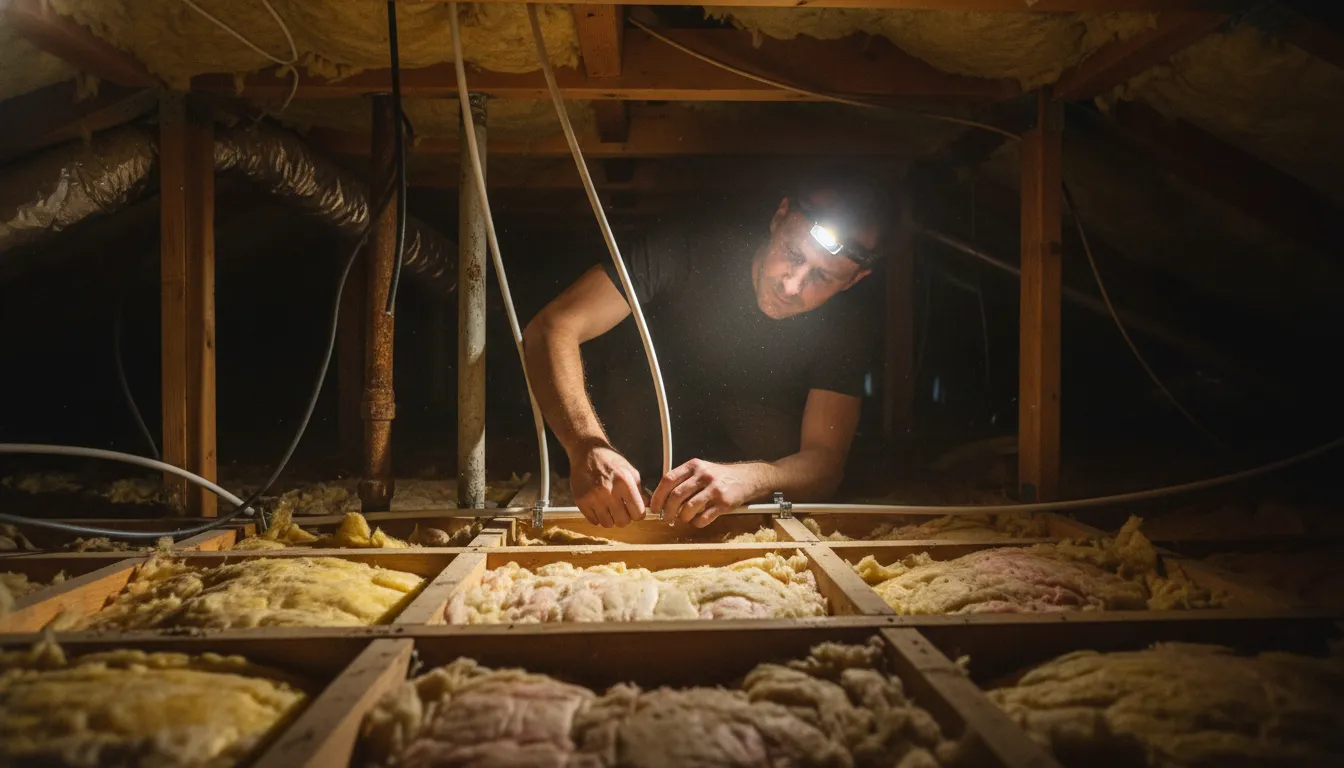
Find the Best Repiping Contractors for Your Business
No obligation • Fast responses • Nationwide coverage

Why you can trust Search a Plumber
Search a Plumber is a leading United States resource for finding and evaluating professional plumbing services. Our team researches licensing, experience, and customer feedback to create unbiased, fact-driven overviews. Companies cannot pay to change ratings or placement, ensuring homeowners get trustworthy information.
Search providers near you
Top Repiping Contractors in Cincinnati, Ohio Ranked
A whole-house repiping project is a significant plumbing upgrade that replaces all the water supply lines in your home. This process is crucial for addressing persistent issues like low water pressure, discolored water, and leaks caused by aging or corroded pipes. For Cincinnati homeowners, navigating this major renovation means understanding the local process, material choices, and costs to find a qualified professional who can restore your home's plumbing system to reliable, modern standards.
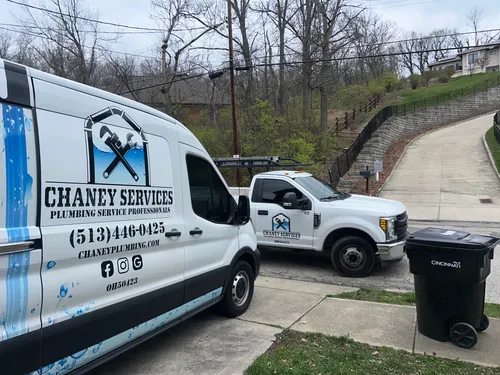
Chaney Services
5353 Dixie Hwy A, Fairfield, OH 45014
Chaney Services is a plumbing company based in Cincinnati, OH, offering a wide range of services including sewer camera inspections, tankless water heater installations, sump pump repairs, drain cleaning, sewer line repairs, leak detection, repiping, gas line installations, toilet repairs, and garbage disposal repairs. They specialize in identifying and resolving complex plumbing issues such as broken sewer lines and outdated piping systems, using advanced techniques like camera inspections and code-compliant PVC pipe replacements. The company has a history of providing detailed and thorough plumbing solutions, including gas line upgrades and tankless water heater installations, with a focus on safety and efficiency. Chaney Services is known for their comprehensive approach to plumbing repairs and upgrades, ensuring systems are tested and leak-free upon completion.
Eco Plumbers, Electricians, and HVAC Technicians
9114 Cincinnati Columbus Rd, West Chester Township, OH 45069
Eco Plumbers, Electricians, and HVAC Technicians provides plumbing, electrical, and HVAC services in Cincinnati, OH. Their plumbing services include water heater repair and installation, tankless water heater solutions, drain cleaning, sewer line repair, leak detection, and repiping. The company uses advanced eco-friendly technology for drain and sewer maintenance, ensuring efficient and sustainable solutions. Founded by Aaron Gaynor, who earned his contractor's license at 23 and started the residential plumbing company after overcoming early challenges, Eco Plumbers has a history rooted in resilience and growth. They serve Cincinnati and surrounding areas with a commitment to eco-conscious practices.
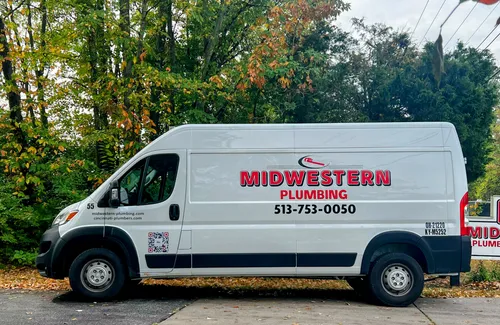
Midwestern Plumbing
3986 Bach Buxton Rd, Amelia, OH 45102
Midwestern Plumbing provides a range of plumbing services in Cincinnati, OH, including water heater repair, drain cleaning, leak detection, and repiping. They handle both residential and commercial plumbing needs, managing large-scale systems in commercial buildings. The company offers 24/7 emergency plumbing services to address urgent issues promptly. Their technicians also perform plumbing inspections and maintenance to help prevent future problems and extend system life.
Nobles Plumbing and Drain Cleaning Services
US-42, West Chester Township, OH 45069
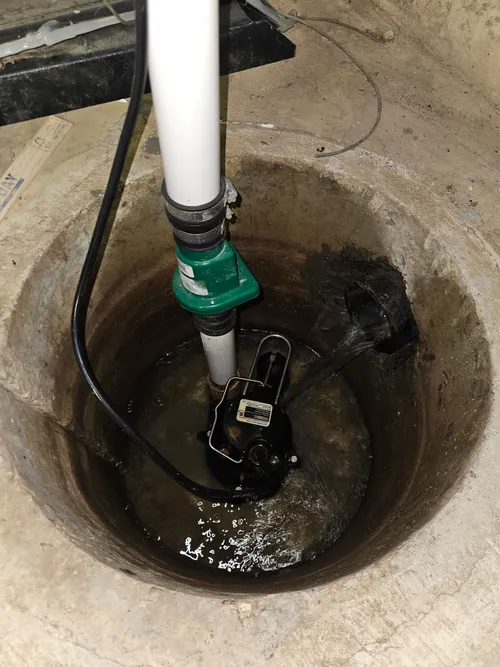
Nobles Plumbing and Drain Cleaning Services is a family-owned plumbing company serving Cincinnati, OH, and the surrounding Greater Cincinnati area since 2019. They provide a range of residential and commercial plumbing services including water heater repair and installation, leak detection, sump pump services, drain cleaning, and gas line installation. Their licensed team uses well-known brands and emphasizes eco-friendly practices by recycling metal materials and batteries from projects. Nobles Plumbing is accredited by the BBB with an A rating and offers a 3-month warranty on all plumbing repairs.
Copper Pipe Plumbing Services Inc.
7878 OH-48 Unit #651, Maineville, OH 45039
Copper Pipe Plumbing Services Inc. is a full-service plumbing company serving Cincinnati, OH, and the surrounding areas. They offer a wide range of residential and commercial plumbing services including sewer camera inspections, water heater repair and installation, water softener installation, sump pump repair, drain cleaning, sewer line repair, leak detection, repiping, toilet repair, and garbage disposal repair. The company uses advanced tools such as state-of-the-art cameras for diagnosing plumbing issues and installs AO Smith water heaters and Viega Propress fittings. Copper Pipe Plumbing Services covers multiple Ohio communities including Mason, Kings Mills, Morrow, West Chester, Loveland, Maineville, Milford, Goshen, South Lebanon, and Lebanon.
Understanding the Need for a Full Pipe Replacement
Over time, the pipes hidden within your walls and under your floors can deteriorate. In many Cincinnati homes built before the 1990s, this often involves galvanized steel pipes, which are prone to internal rust and corrosion that severely restrict water flow. Other older materials, like polybutylene, are known to become brittle and fail. If you're experiencing multiple leaks, a noticeable drop in water pressure, or rusty-tasting water, a partial fix may only be a temporary solution. A complete pipe replacement addresses the root cause, eliminating the risk of catastrophic leaks and providing clean, consistent water pressure to every faucet and appliance.
This isn't just about fixing current problems; it's a proactive investment in your home's infrastructure. New piping materials are more resistant to corrosion and scaling, which can improve water quality and efficiency. For homeowners planning to stay in their property long-term or looking to increase its value, a full re-pipe is a substantial upgrade that provides peace of mind and modern performance.
The Step-by-Step Process of Repiping a Home
A professional whole-house repipe is a multi-stage project that requires careful planning and execution. Here's what you can generally expect when you hire a plumbing service in Cincinnati for this job.
1. Inspection and Planning
The process begins with a thorough assessment. A licensed plumber will inspect your current plumbing system to confirm the need for replacement, identify the existing pipe materials, and map out the layout. This stage is critical for creating an accurate quote and project plan. The plumber will also determine what permits are required from local Cincinnati authorities and ensure the new system design complies with all building codes 1.
2. Preparation and Access
Before any new pipes are installed, the old ones must be removed. The plumber will shut off your home's main water supply. To access the aging pipe network, strategic access holes are cut into drywall at key points, such as where pipes run vertically between floors or horizontally along walls. The goal is to minimize disruption, but homeowners should be prepared for some wall and ceiling openings. All old supply lines are then carefully detached and removed.
3. Installation of New Piping
This is the core of the project. The plumber runs new hot and cold water supply lines from the main shut-off valve to every fixture in your home-sinks, toilets, showers, washing machine, water heater, etc. The installation method depends on the chosen material. Flexible options like PEX can often be "fished" through walls with fewer access points, while rigid copper requires more precise cutting and soldering. A well-executed installation focuses on creating efficient runs and secure connections at all fittings 2 3.
4. Testing and Inspection
Once the new network is in place, the system is pressurized and tested for leaks. This pressure test is a mandatory step before walls can be closed up. The plumber will check every connection and joint to ensure integrity. After passing the initial pressure test, a final inspection by a municipal code official is typically required to approve the work before proceeding to the final stage 4 5.
5. Finishing and Restoration
With the plumbing system approved, the restoration phase begins. The access holes in your walls and ceilings are patched, and drywall is repaired. In some cases, flooring or trim that was moved may need to be reinstalled. A reputable plumbing company will leave your home clean, with all fixtures working correctly and water fully restored 6 7.
Find the perfect repiping contractors for your needs
Get personalized recommendations and expert advice
Choosing the Right Piping Material for Your Cincinnati Home
The material you select for your new plumbing lines is one of the most important decisions, impacting cost, longevity, and performance. Here are the most common options used in modern repiping projects.
PEX (Cross-Linked Polyethylene): This flexible, plastic tubing has become the most popular choice for residential repiping. Its flexibility allows for long, continuous runs with fewer fittings, which reduces potential leak points and can lower installation time and labor costs. PEX is highly resistant to scale and chlorine, doesn't corrode, and performs well in freezing conditions due to its ability to expand. It is generally the most cost-effective material option 8 9.
Copper: The traditional premium choice, copper piping is known for its durability and long lifespan, often lasting 50 years or more. It has a proven track record, resists bacteria growth, and can handle high heat. However, copper is significantly more expensive than PEX, both in material cost and labor, as it requires soldering each joint. Its rigidity also means more access points may be needed during installation 10.
CPVC (Chlorinated Polyvinyl Chloride): CPVC is a rigid plastic pipe that is cheaper than copper but typically more expensive than PEX. It is corrosion-resistant and suitable for both hot and cold water lines. A key consideration is that CPVC becomes more brittle over time, especially when exposed to sunlight, and its joints are cemented together, which can be a point of failure if not done perfectly.
For most Cincinnati homeowners, PEX offers an excellent balance of performance, longevity, and value. Your plumber can advise on the best material for your specific home layout and budget.
Project Timeline: How Long Does a Whole-House Repipe Take?
The duration of a repiping project is not a one-size-fits-all answer. For a typical single-family home in Cincinnati ranging from 1,500 to 2,000 square feet, homeowners should plan for the work to take several days to a full week.
Several factors influence the timeline:
- Home Size and Layout: A larger home with more bathrooms and fixtures naturally takes longer. Multi-story homes add complexity compared to ranches.
- Accessibility: If pipes are easily accessible in an unfinished basement or crawlspace, the job progresses faster. Pipes buried in concrete slabs or tightly enclosed in finished walls require more time for careful access and repair.
- Material Choice: Installing PEX is often faster than installing rigid copper due to its flexibility and different joining methods.
- Unexpected Complications: Discovering additional issues like mold, outdated wiring, or structural obstacles can extend the project.
A professional plumber will provide a projected timeline after the initial inspection. While water service will be interrupted during the active installation phases, a good crew will work to minimize downtime and often restore water to critical fixtures as sections are completed.
Cost Factors for Repiping in Cincinnati
The investment for a whole-house pipe replacement varies widely. Understanding the components that drive the price can help you evaluate quotes and budget effectively.
Primary Cost Drivers:
- Home Size: This is the most significant factor. More square footage means more linear feet of pipe and more fixtures to connect.
- Pipe Material: As discussed, material choice has a major impact. Copper is the most expensive, followed by CPVC, with PEX being the most economical.
- Labor and Complexity: Labor rates, the number of stories, the ease of access to old pipes, and the number of fixtures all affect the labor cost. Complex layouts with hard-to-reach pipes increase the price.
- Permits and Inspections: Cincinnati requires permits for this work, and their cost is included in the project total.
- Wall Repair: The quote should include patching drywall and painting primer on repaired areas. Extensive plaster repair or custom finish work may cost extra.
Estimated Cost Ranges: Based on regional data, here are general price brackets for Cincinnati-area homes 11 12 13 14:
- Smaller Homes (1,000 - 1,500 sq ft): $4,000 - $11,000+ (often using PEX).
- Average Homes (1,500 - 2,000 sq ft): $8,000 - $15,000+.
- Larger Homes (2,000+ sq ft): Can easily exceed $17,000 - $27,000+, especially with premium materials like copper or complex layouts.
These are estimates, and an in-person assessment is essential for an accurate quote. While the upfront cost is substantial, it must be weighed against the cost of repeated repairs, potential water damage from failures, and the improved safety and efficiency of a new system.
Frequently asked questions
Sources
Footnotes
-
How Much to Repipe a House: A Comprehensive Cost Guide - https://www.benjaminfranklinplumbing.com/league-city/blog/2024/december/how-much-to-repipe-a-house-a-comprehensive-cost-guide/ ↩
-
Whole-House Repiping: Step-by-Step Guide - https://www.veteranplumbing.us/whole-house-repiping-step-by-step-guide/ ↩
-
What the Residential Repiping Process Involves - https://www.trmillerheatingandcooling.com/what-the-residential-repiping-process-involves/ ↩
-
What Is Involved in Repiping a House? - https://gotoapollo.com/2024/03/06/what-is-involved-in-repiping-a-house/ ↩
-
How Much to Repipe a House? - Reliant Plumbing - https://reliantplumbing.com/plumbing/pipe-repairs/whole-house-repipe-cost/ ↩
-
What Is Involved With Repiping A House? - HELP Plumbing - https://333help.com/blog/what-is-involved-with-repiping-a-house/ ↩
-
Whole-Home Repiping: The Permanent Fix for Leaks - Paws Plumbing - https://www.pawsplumbing.com/blog/whole-home-repiping/ ↩
-
Comprehensive Guide to Whole House Repiping - Absolute Airflow - https://www.absoluteairflow.com/comprehensive-guide-to-whole-house-repiping/ ↩
-
How Much Does Repiping Cost? - https://www.mrrooter.com/tampa/about-us/blog/how-much-does-repiping-cost/ ↩
-
What Pipe Size for House Plumbing? A Complete Guide - https://www.splashplumbing.com/what-size-pipe-for-house-plumbing-a-guide-to-choosing-the-right-dimensions/ ↩
-
Cincinnati Whole Home Repiping - House Repiping Service - https://thomasgalbraith.com/whole-home-repiping/ ↩
-
How to Prepare for a Whole-House Repiping - Ray The Plumber - https://raytheplumber.com/uncategorized/how-to-prepare-for-a-whole-house-repiping/ ↩
-
What to Expect During a Whole House Repipe: Cost, Timeline ... - https://go4apes.com/what-to-expect-during-a-whole-house-repipe-cost-timeline-and-installation-process/ ↩
-
Repipe House Cost 2023: Average Expenses & Factors - https://www.superbrothers.com/repipe-house-cost-2023-average-expenses-factors/ ↩