Find the Best Repiping Contractors for Your Business
No obligation • Fast responses • Nationwide coverage

Why you can trust Search a Plumber
Search a Plumber is a leading United States resource for finding and evaluating professional plumbing services. Our team researches licensing, experience, and customer feedback to create unbiased, fact-driven overviews. Companies cannot pay to change ratings or placement, ensuring homeowners get trustworthy information.
Search providers near you
Top Repiping Contractors in New York, New York Ranked
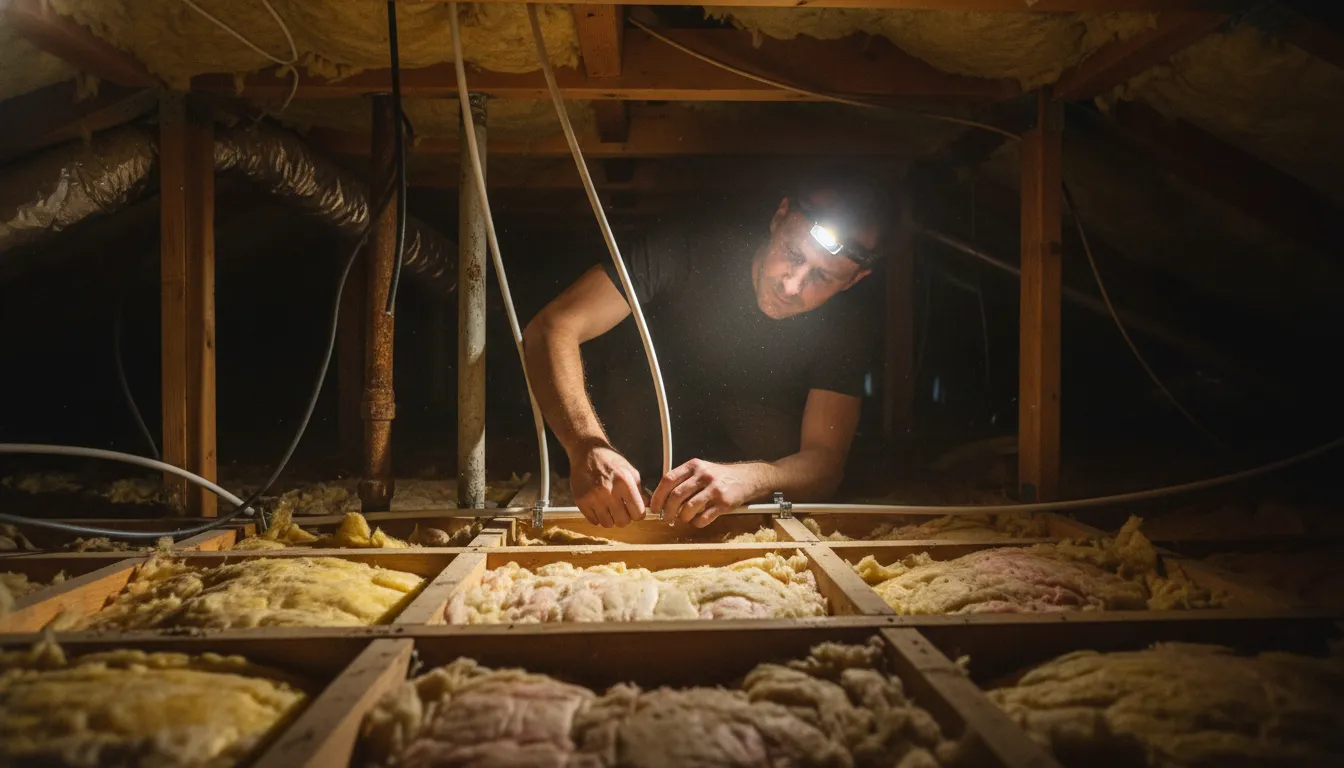
Repiping is the comprehensive process of replacing all the water supply pipes in your home. In a city like New York, where many buildings are decades or even a century old, this service is critical for addressing failing, corroded, or outdated plumbing that can lead to low water pressure, discolored water, and persistent leaks. A full pipe replacement project ensures your home's water system is safe, reliable, and up to modern standards. This guide will help you understand what a repipe entails, from material choices to project timelines, so you can make informed decisions when seeking local professionals for this significant home improvement.
Above and Beyond Plumbing and Heating LLC
5 Van Winkle Rd, Pine Brook, NJ 07058
Above and Beyond Plumbing and Heating LLC is a plumbing and heating service provider based in New York, NY. They offer a wide range of services including water heater repair and installation, water softener installation, drain cleaning, sewer line repair, leak detection, repiping, gas line installation, toilet repair, and garbage disposal repair. The company is known for its 24-hour emergency plumbing services, ensuring help is available whenever needed. They also specialize in boiler installation and repair, and install water filtration and softening systems to improve water quality. With over a decade of experience, Above and Beyond Plumbing and Heating LLC serves New York and surrounding areas, providing tailored solutions to meet specific plumbing and heating needs.
Main Man Water Main & Sewer Repair
10009 Glenwood Rd, Brooklyn, NY 11234
Main Man Water Main & Sewer Repair is a licensed and insured plumbing contractor based in New York, NY, specializing in water main and sewer line repairs. Serving all five boroughs of New York City, they offer a range of services including emergency repairs, DEP notice handling, and water main maintenance. With over 40 years of experience, their team is skilled in addressing leaks, blockages, and infrastructure compliance issues. They provide 24/7 emergency services to quickly resolve urgent plumbing problems.
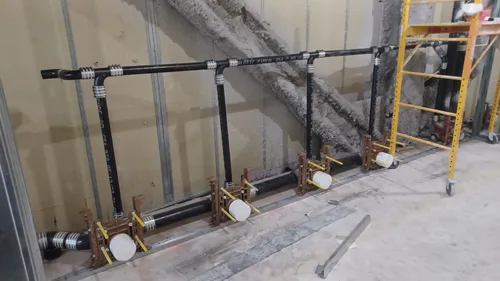
Affordable Plumbing and Leak Repair
New York, NY
Affordable Plumbing and Leak Repair provides a wide range of plumbing services in New York, NY, including water heater repair and installation, drain cleaning, leak detection, repiping, and gas line installation. They serve Staten Island and surrounding areas such as Queens, The Bronx, Brooklyn, and Jersey City. The company offers emergency plumbing services to address urgent issues like burst pipes and clogged drains. Their team is equipped to handle various plumbing needs, including dryer and washer hookups, with a focus on preventing future problems through quality repairs and installations.
A&E NYC Plumbing
40 Fulton St, New York, NY 10038
A&E NYC Plumbing offers a wide range of plumbing services in New York, NY, including water heater repair and installation, drain cleaning, sewer line repair, leak detection, and gas line installation. They also handle faucet and toilet repairs, garbage disposal maintenance, and repiping projects. The company is licensed and insured, providing both residential and commercial plumbing solutions with a focus on safety and technical expertise. Their team is experienced in managing complex plumbing systems and offers free onsite estimates for more involved jobs.
Poseidon Plumbing
795 Susquehanna Ave, Franklin Lakes, NJ 07417
Poseidon Plumbing is a full-service plumbing company based in New Jersey with branches in Franklin Lakes and Mountain Lakes. They offer a wide range of plumbing services including water heater repair and installation, water softener installation, drain cleaning, hydro jetting, repiping, gas line installation, and toilet repair. Serving Northern New Jersey, including Essex, Morris, and Bergen counties, they provide solutions for both residential repairs and new construction projects. Their capabilities include advanced hydro jetting for effective drain cleaning. Poseidon Plumbing is available 24/7 for emergency plumbing services.
Why Consider a Whole-House Repipe?
Older New York City homes, particularly those built before the 1960s, often contain galvanized steel or lead pipes. Over time, galvanized pipes corrode from the inside out, drastically reducing water flow and pressure. Lead pipes, still present in some pre-war buildings, pose serious health risks. Even copper pipes, a later standard, can suffer from pitting corrosion in certain water conditions. If you're experiencing rusty water, frequent leaks, or a noticeable drop in pressure, your plumbing system may be signaling it's time for a replacement. Undertaking a full re-piping project, while a major investment, resolves these issues permanently and can increase the value and safety of your property.
The Repiping Process: A Step-by-Step Overview
A professional pipe replacement follows a structured plan to minimize disruption and ensure a reliable outcome.
- Inspection and Planning: A licensed plumber will first conduct a thorough assessment of your existing system. They identify the pipe materials, locate the main shut-off, and map the current layout. This stage includes designing the new system, selecting materials, and securing any required NYC building permits 1.
- Preparation and Access: On the project's start day, the water supply to the home is shut off. The work area is protected with drop cloths. To access the old pipes running inside walls and ceilings, strategic access holes are created. These are kept as small and neat as possible to simplify later repairs2.
- Removal and Installation: The old piping is carefully removed. Then, the new water lines-whether PEX, CPVC, or copper-are run through wall cavities, floor joists, and ceilings. This is the most labor-intensive phase, where the new plumbing skeleton of your home is installed 3.
- Testing and Inspection: Once the new network is in place, the system is pressurized and tested for leaks. A successful pressure test is crucial before walls are closed up. In many cases, a city inspector will visit to approve the work4.
- Finishing and Cleanup: After passing inspection, the access points in your walls and ceilings are patched and repaired. The work area is cleaned thoroughly, and your water is restored. The plumber will walk you through the new system, including the location of new shut-off valves.
Choosing the Right Pipe Material for Your NYC Home
The material you choose for your new plumbing impacts cost, longevity, and installation time. Here are the most common options used in repiping projects today.
- PEX (Cross-linked Polyethylene): This flexible, plastic tubing has become the go-to choice for modern repiping. Its flexibility allows it to be snaked through walls with fewer fittings and joints, which are common leak points. It's highly resistant to scale and corrosion, quiet, and can last over 100 years 5. For most New York homes, PEX offers an excellent balance of performance, ease of installation, and cost-effectiveness.
- CPVC (Chlorinated Polyvinyl Chloride): Another plastic option, CPVC is rigid and must be glued together at fittings. It is less expensive than copper and suitable for both hot and cold water lines. However, it can become brittle over time and may not be as robust as PEX in very cold conditions.
- Copper: The traditional standard, copper is durable and has a long history of use. However, it is a rigid material, requiring more fittings and making installation in tight, existing walls more challenging and time-consuming. The material cost is significantly higher than plastic options, and in areas with acidic water, it can be susceptible to pitting corrosion, which is a known issue in some older NYC systems 6.
Find the perfect repiping contractors for your needs
Get personalized recommendations and expert advice
What to Expect: Project Timeline and Living Arrangements
A whole-house repiping is not an overnight job. For a typical NYC apartment or brownstone, the process can take anywhere from a few days to a full week. Larger, more complex homes or those with extensive old pipe issues can extend the timeline to two or three weeks 7.
The most significant disruption is the water shut-off. Your water will be off during the active installation phases each day. A professional team will work to restore water for limited use (like toilets) by the end of each workday whenever possible. Due to the dust, noise, and lack of water, many residents choose to stay elsewhere during the core installation period. Your plumbing professional can give you a clear daily schedule so you can plan accordingly.
Understanding the Cost of Repiping in New York City
The cost for a full pipe replacement in NYC is highly variable, with averages ranging from $3,000 to over $20,0008 9. Several key factors drive this range:
- Home Size and Layout: The square footage and number of bathrooms/kitchens directly determine how much pipe and labor is required. Multi-story homes with complex layouts cost more.
- Pipe Material: As noted, copper is the most expensive material option, followed by CPVC, with PEX generally being the most cost-effective choice for both materials and labor10 11.
- Labor and Access: Labor constitutes up to 70% of the total cost12. The difficulty of accessing pipes behind finished walls in a historic NYC home can increase labor time. If extensive wall repair is needed after the plumbing work, that will be an additional cost.
- NYC-Specific Factors: Permit and inspection fees, higher local labor rates, and the potential for unforeseen issues like encountering knob-and-tube wiring or structural elements during demolition all contribute to the higher end of the cost spectrum in New York13.
Always seek detailed, written estimates from licensed and insured professionals. A reputable plumber will outline the costs for materials, labor, permits, and any anticipated repair work.
Signs You May Need a Repipe
How do you know if your issues warrant a spot repair or a full system replacement? Consider a repipe if you notice multiple of the following:
- Consistently low water pressure throughout the home.
- Discolored (yellow, brown, or rusty) water, especially after not using water for several hours.
- Visible signs of corrosion or leaks on pipe fittings.
- Recurring pinhole leaks in copper pipes.
- Your home was built before 1970 and still has its original plumbing.
- A water quality test indicates the presence of lead from pipes or solder.
Investing in a repipe resolves these problems at their source, providing peace of mind and a reliable water system for decades to come.
Frequently asked questions
Sources
Footnotes
-
What Is Involved With Repiping A House? | HELP Plumbing - https://333help.com/blog/what-is-involved-with-repiping-a-house/ ↩
-
What Is Repiping? A Comprehensive Guide | CPI Service - https://cpiservice.com/blog/what-is-repiping/ ↩
-
Repiping a House: Essential Guide | American Mains & Drains - https://www.americanmainsanddrains.com/post/repiping-a-house-guide ↩
-
Whole-House Repiping: Step-by-Step Guide - https://www.veteranplumbing.us/whole-house-repiping-step-by-step-guide/ ↩
-
The 3 Best Materials To Use When Repiping Your House - Repipe1 - https://repipe1.com/blog/best-repipe-materials/ ↩
-
How to Identify the Type & Size of Your Home's Water Supply Pipe - https://www.youtube.com/watch?v=8MxVk7Rh_34 ↩
-
Learn How Long It Takes to Repipe a Home | Cozy Services - https://www.cozyhvac.net/learn-how-long-it-takes-to-repipe-a-home/ ↩
-
What to Expect During a Whole House Repipe: Cost, Timeline ... - https://go4apes.com/what-to-expect-during-a-whole-house-repipe-cost-timeline-and-installation-process/ ↩
-
How Much Does It Cost to Repipe a House? [2026 Data] | Angi - https://www.angi.com/articles/cost-to-repipe-a-house.htm ↩
-
How Much Does It Cost to Repipe a House? - https://therepipecompany.com/faqs/how-much-does-it-cost-to-repipe-my-home/ ↩
-
Whole House Repiping: How Much Your Home Needs It? - https://www.baikalservices.com/plumbing/whole-house-repiping/ ↩
-
Repiping a House: What's Involved & How Much it Costs | R.J. Tilley - https://www.rjtilley.com/blog/2022/january/repiping-a-house-what-s-involved-how-much-it-cos/ ↩
-
Replacing Old Pipes: 2026 Costs, Options, and What to Expect - https://modernize.com/plumbing/systems/water-supply/replacing-old-pipes ↩