Find the Best Repiping Contractors for Your Business
No obligation • Fast responses • Nationwide coverage

Why you can trust Search a Plumber
Search a Plumber is a leading United States resource for finding and evaluating professional plumbing services. Our team researches licensing, experience, and customer feedback to create unbiased, fact-driven overviews. Companies cannot pay to change ratings or placement, ensuring homeowners get trustworthy information.
Search providers near you
Top Repiping Contractors in Phoenix, Arizona Ranked
If you're a homeowner in Phoenix, the integrity of your home's plumbing system is crucial for comfort, safety, and property value. Repiping, or whole-house re-piping, is the comprehensive process of replacing all the old water supply and drain lines in your home with new, modern piping. This major plumbing project matters because aging pipes can lead to persistent leaks, poor water pressure, discolored water, and even significant water damage. This guide is designed to help you understand the entire repiping process, from initial inspection to final walkthrough, so you can make an informed decision and connect with qualified local professionals to restore your home's plumbing reliability for decades to come.
100% Plumbing
17437 N 71st Dr Ste 106, Glendale, AZ 85308
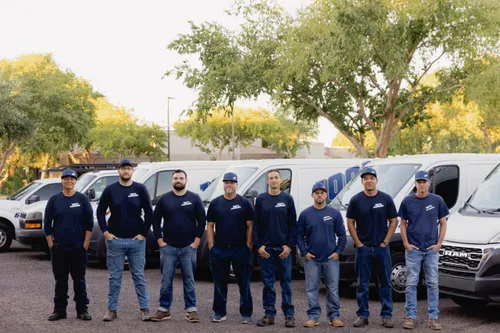
100% Plumbing is a full-service plumbing company based in Phoenix, AZ, offering a wide range of services including leak repair, drain cleaning, water softener installation, repiping, and commercial plumbing. They use professional tools such as hydro jetting to clear drains and provide 24/7 emergency plumbing repairs for urgent issues. Their licensed plumbers bring years of experience and a customer-focused approach to every job, ensuring dependable solutions for both residential and commercial clients.
Plumbers Near Me, LLC
8990 E Raintree Dr Unit 100-G, Scottsdale, AZ 85260
Plumbers Near Me, LLC offers a wide range of plumbing services in Phoenix, AZ, including water heater repair and installation, drain cleaning, sewer line repair, leak detection, repiping, and toilet repair. They serve both residential and commercial clients throughout the Phoenix metropolitan area. Their capabilities include handling tankless and traditional water heater systems, as well as slab leak repairs using specialized equipment. The company is fully licensed and insured, providing service with the latest tools and training. They are available for extended hours most days of the week to accommodate customer needs.
Benjamin Franklin The Punctual Plumber
7440 E Karen Dr # 500, Scottsdale, AZ 85260
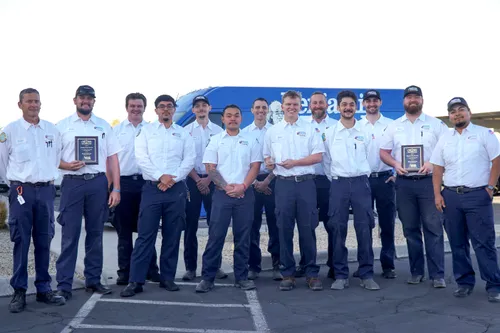
Benjamin Franklin The Punctual Plumber is a locally owned plumbing company serving Scottsdale, AZ, and the greater Phoenix metropolitan area. They provide a wide range of plumbing services including water heater repair and installation, sewer line repair, drain cleaning, leak detection, repiping, and garbage disposal repair. The company offers specialized capabilities such as video camera inspections to accurately diagnose plumbing issues. Established in 2005, Benjamin Franklin Plumbing also provides 24/7 emergency plumbing services to address urgent needs at any time.
Peerless Plumbing & Nudrain Phoenix
3801 E Roeser Rd #20, Phoenix, AZ 85040
Peerless Plumbing & Nudrain Phoenix is a family-owned trenchless plumbing contractor based in Phoenix, AZ. They specialize in trenchless sewer repair, sewer camera inspections, repiping, and sewer line repairs using innovative, minimally disruptive technology. As the first licensed NuFlow contractor in Arizona, they offer services that avoid traditional digging, preserving landscapes and structures while restoring pipes efficiently. With over 30 years and more than 10,000 piping installations experience, Peerless Plumbing provides long-term plumbing solutions throughout Arizona and partners with professionals across the U.S. and Canada to extend their reach. They are certified by NASSCO and NuFlow and have been recognized in industry publications and podcasts for their expertise.
Roto-Rooter Plumbing & Water Cleanup
12133 W Bell Rd #104, Surprise, AZ 85378
Roto-Rooter Plumbing & Water Cleanup provides comprehensive plumbing and water cleanup services in Phoenix, AZ, and the surrounding areas. They serve both residential and commercial clients with a wide range of services including sewer and drain cleaning, water heater repair and installation, leak detection, gas line installation, and trenchless sewer repair. The company is equipped to handle emergency plumbing situations and offers 24/7 availability to address urgent issues such as sewer backups, flooding, and gas leaks. Roto-Rooter also specializes in hydro jetting and mold remediation, using advanced technology to maintain and restore plumbing systems effectively. Serving the greater Phoenix area, Roto-Rooter has a strong local presence and understands the unique plumbing challenges posed by the region's weather and infrastructure. Their team is experienced in both conventional and trenchless sewer repair methods, providing tailored solutions for each property. The company emphasizes emergency readiness with around-the-clock service to minimize damage and disruption during plumbing crises.
Why Phoenix Homes Often Need Repiping
The arid Phoenix climate and the age of many housing communities create a perfect storm for plumbing issues. Older homes, particularly those built before the 1990s, often used galvanized steel or polybutylene pipes. Over time, galvanized steel corrodes from the inside out, severely restricting water flow and contaminating your water. Polybutylene pipes, common in the 80s and 90s, become brittle and are prone to sudden failure. Even copper pipes, while durable, can develop pinhole leaks due to the region's specific water chemistry. The result is a system that is inefficient and unreliable. A full pipe replacement eliminates these risks, providing better water pressure, improved water quality, and long-term peace of mind.
The Complete Repiping Process: A Step-by-Step Guide
Understanding what happens during a whole-house re-pipe can alleviate anxiety and help you prepare. A professional plumbing service will manage this complex project from start to finish.
1. Inspection and Planning
The process begins with a thorough assessment. A licensed plumber will inspect your current system, identify the existing pipe materials, and map out the most efficient routes for the new lines. This is when critical decisions are made, such as choosing between PEX, copper, or CPVC piping. The plumber will also handle pulling all necessary permits from the City of Phoenix, ensuring the work is up to code.
2. Preparation of Your Home
Before work begins, the crew will take steps to protect your property. This includes moving furniture, covering floors and belongings with drop cloths, and identifying access points in walls or ceilings. They will shut off your main water supply and drain the old pipes to prepare for removal.
3. Removal and Installation
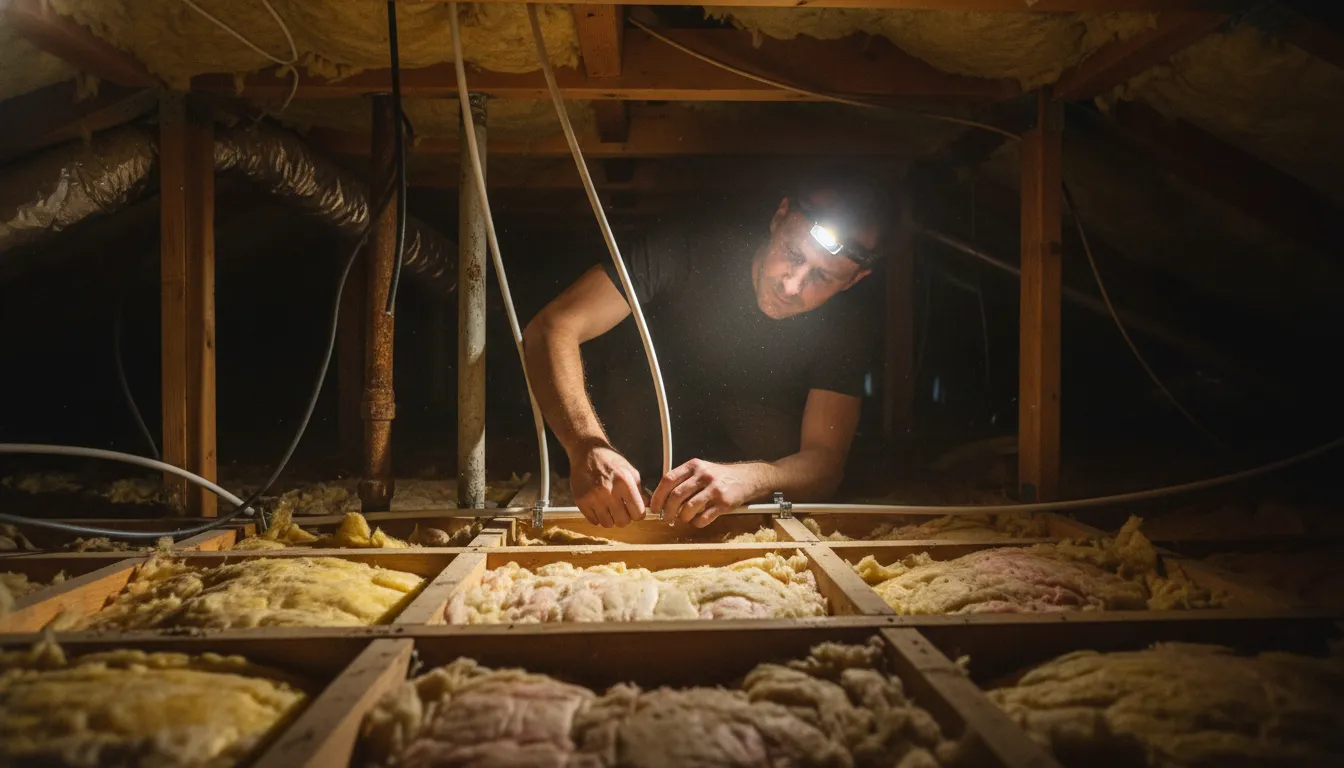
This is the core phase. Plumbers will cut strategic access holes (often at fixture locations and along stud bays) to remove the old piping and run the new lines. They typically route new supply lines through attic spaces, walls, and crawl spaces, connecting them to the main water line and your water heater. Modern methods aim to minimize the number of access points needed 1.
4. Testing and City Inspection
Once the new system is installed, it is pressurized and tested for leaks-a critical quality control step. After the plumber confirms the system is sound, a city inspector will visit to approve the work, ensuring it meets all Phoenix plumbing codes 2 3.
5. Restoration and Final Walkthrough
After passing inspection, the restoration phase begins. The plumbing team will patch drywall, repair access holes, and clean up the work area. The project concludes with a final walkthrough where the technician demonstrates the new system, explains your maintenance responsibilities, and reviews the warranty on both materials and labor 4 5.
Choosing the Right Piping Material
The material you choose for your home's replumbing project affects cost, longevity, and performance. Here are the most common options used in Phoenix today:
- PEX (Cross-linked Polyethylene): This is the most popular choice for modern repiping jobs. PEX is flexible, corrosion-resistant, and typically more affordable than copper. Its flexibility allows it to be run in long lengths with fewer fittings, which reduces potential leak points and can lower installation labor costs 6 7.
- Copper: The traditional gold standard for durability and longevity. Copper pipes can last 50+ years and are resistant to bacteria. However, they are significantly more expensive both in material cost and installation, as they require soldering at each joint 8 9.
- CPVC (Chlorinated Polyvinyl Chloride): A rigid plastic pipe that is cheaper than copper but less flexible and durable than PEX. It is glued together at joints and can become brittle over time, especially if exposed to extreme heat in an attic.
Most plumbing professionals in the Valley recommend PEX for its excellent balance of cost, performance, and ease of installation.
Find the perfect repiping contractors for your needs
Get personalized recommendations and expert advice
What to Expect: Timeline and Investment
A whole-house repipe is a significant undertaking, and knowing what to expect in terms of time and cost is essential for planning.
How Long Does Repiping Take?
For an average Phoenix home, you should plan for the active work to take between 3 to 7 days 10. The timeline depends heavily on the size of your home (square footage and number of bathrooms), the complexity of the pipe routing, and the chosen material. A smaller, single-story home may be completed faster, while a large, multi-story custom home will take longer.
Understanding the Cost of Repiping in Phoenix
The total investment for a full home repipe varies widely. In the Phoenix metro area, you can expect a general range of $4,000 to over $20,000, with most projects falling between $6,000 and $15,00011 12 13. Several key factors influence the final price:
- Home Size and Layout: The number of bathrooms, kitchens, and wet bars directly correlates to the amount of piping and labor required. Multi-story homes are more complex and costly than single-story ramblers.
- Pipe Material: As discussed, copper is a premium option, while PEX offers a more budget-friendly yet high-performance alternative.
- Accessibility: If pipes are easily accessible in an attic or crawl space, costs are lower. If walls and ceilings need extensive cutting and patching, labor and restoration costs increase.
- Permits and Inspections: These are necessary costs that your plumbing professional will factor into the quote.
While this is a substantial investment, it's important to weigh it against the cost of repeated repairs, potential water damage, and the increased value and safety a new plumbing system brings to your home 14.
Key Benefits of a Whole-House Repipe
Beyond just fixing leaks, upgrading your home's plumbing infrastructure delivers multiple advantages:
- Eliminate Leaks and Prevent Water Damage: New pipes mean an end to the worry of pinhole leaks or catastrophic pipe bursts that can cause thousands in structural damage.
- Restore Water Pressure and Flow: Remove the mineral buildup and corrosion inside old pipes that strangle your water flow, giving you strong, consistent pressure at every faucet and showerhead.
- Improve Water Quality: Say goodbye to rust-colored or metallic-tasting water. New pipes deliver clean, clear water throughout your home.
- Increase Home Value and Appeal: A recently repiped home is a major selling point, providing potential buyers with confidence and often justifying a higher asking price.
- Long-Term Reliability and Peace of Mind: With a 25+ year warranty on modern materials like PEX, you can trust your plumbing system for the long haul.
Frequently asked questions
Sources
Footnotes
-
What Is Involved With Repiping A House? - HELP Plumbing - https://333help.com/blog/what-is-involved-with-repiping-a-house/ ↩
-
Repiping a House: Essential Guide | American Mains & Drains - https://www.americanmainsanddrains.com/post/repiping-a-house-guide ↩
-
What Is Involved in Repiping a House? - Apollo HVAC & Plumbing - https://gotoapollo.com/2024/03/06/what-is-involved-in-repiping-a-house/ ↩
-
Whole Home Repiping: Phoenix Homeowner's Essential Guide - https://anyhourservices.com/arizona/whole-home-repiping-phoenix-older-homes/ ↩
-
Comprehensive Guide to Whole House Repiping - Absolute Airflow - https://www.absoluteairflow.com/comprehensive-guide-to-whole-house-repiping/ ↩
-
Whole House Repiping in Mesa and Phoenix, AZ | PlumbSmart - https://itsjustplumbsmart.com/plumbing-services/whole-house-repiping/ ↩
-
What Pipe Size for House Plumbing? A Complete Guide - https://www.splashplumbing.com/what-size-pipe-for-house-plumbing-a-guide-to-choosing-the-right-dimensions/ ↩
-
How to Prepare for a Whole-House Repiping - Ray The Plumber - https://raytheplumber.com/uncategorized/how-to-prepare-for-a-whole-house-repiping/ ↩
-
House Repiping Cost 2022: How Much To Repipe Your Home? - https://www.superbrothers.com/house-repiping-cost-2022-how-much-to-repipe-your-home/ ↩
-
How Long Does a Repipe Take - Plumbing Outfitters - https://plumbingoutfitters.com/how-long-does-a-repipe-take-what-homeowners-should-know/ ↩
-
What Is the Average Cost of a Whole Home Water Repipe ... - https://azip.com/what-is-the-average-cost-of-a-whole-home-water-repipe-installation-in-phoenix/ ↩
-
The Average Cost of Whole Home Repiping in Oro Valley, AZ - https://www.pursuit-plumbing.com/the-average-cost-of-whole-home-repiping-in-oro-valley-az/ ↩
-
Repiping Your Arizona Home: Cost Factors - Rooter Ranger - https://www.rooterranger.com/blog/cost-to-repipe-a-house-in-arizona/ ↩
-
What to Expect During a Whole House Repipe: Cost, Timeline ... - https://go4apes.com/what-to-expect-during-a-whole-house-repipe-cost-timeline-and-installation-process/ ↩