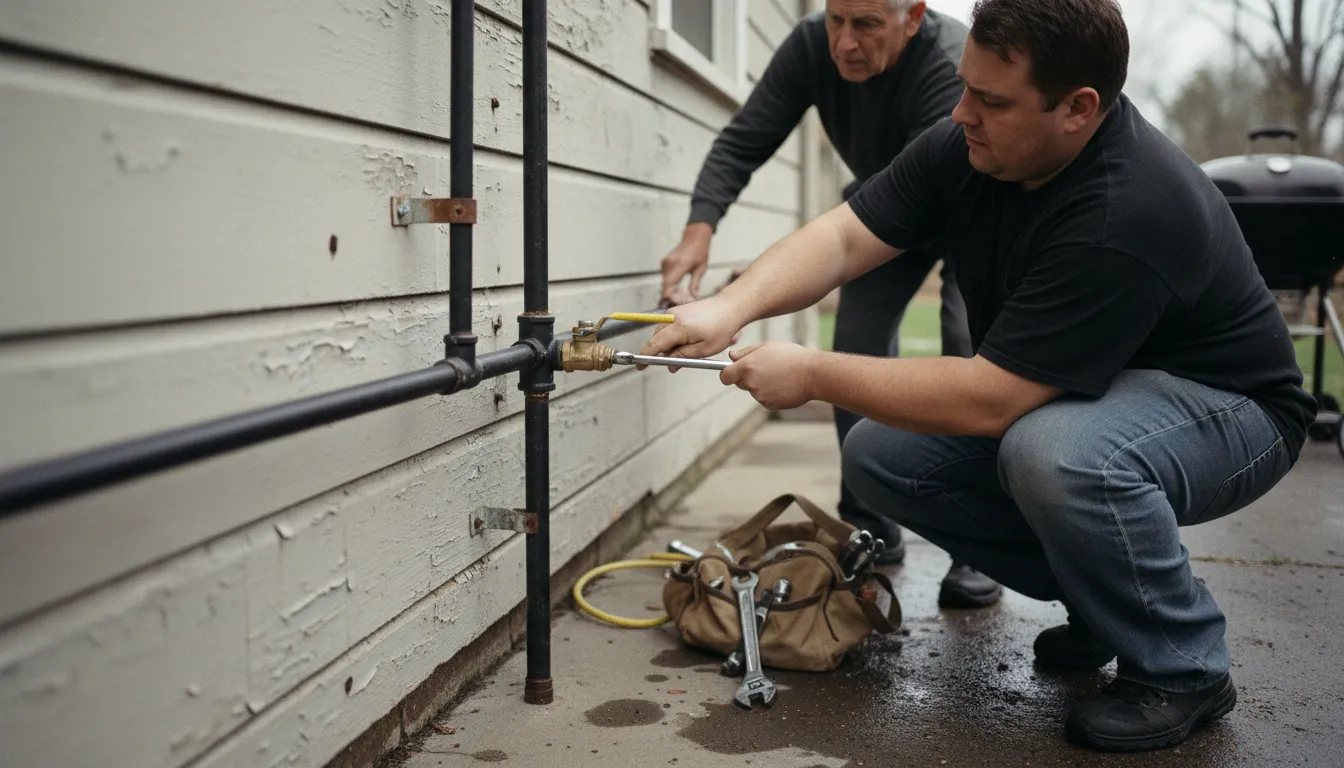
Find the Best Gas Line Plumbing Companies for Your Business
No obligation • Fast responses • Nationwide coverage

Why you can trust Search a Plumber
Search a Plumber is a leading United States resource for finding and evaluating professional plumbing services. Our team researches licensing, experience, and customer feedback to create unbiased, fact-driven overviews. Companies cannot pay to change ratings or placement, ensuring homeowners get trustworthy information.
Search providers near you
Top Gas Line Plumbing Companies in New York, New York Ranked
Gas line work is a critical component of your home or business's infrastructure, responsible for safely delivering fuel to appliances like stoves, water heaters, and furnaces. In a dense, complex city like New York, this work is governed by a strict set of codes and regulations designed to protect public safety. Whether you're installing a new line for a kitchen renovation, repairing a leak, or complying with mandatory inspections, this process requires specialized expertise. The information here is designed to help you understand the requirements and connect with qualified local professionals who can manage your project from permit to final inspection.
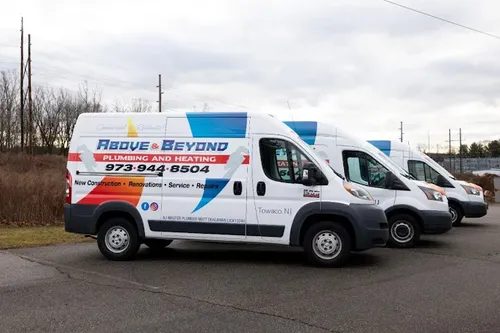
Above and Beyond Plumbing and Heating LLC
5 Van Winkle Rd, Pine Brook, NJ 07058
Above and Beyond Plumbing and Heating LLC is a plumbing and heating service provider based in New York, NY. They offer a wide range of services including water heater repair and installation, water softener installation, drain cleaning, sewer line repair, leak detection, repiping, gas line installation, toilet repair, and garbage disposal repair. The company is known for its 24-hour emergency plumbing services, ensuring help is available whenever needed. They also specialize in boiler installation and repair, and install water filtration and softening systems to improve water quality. With over a decade of experience, Above and Beyond Plumbing and Heating LLC serves New York and surrounding areas, providing tailored solutions to meet specific plumbing and heating needs.
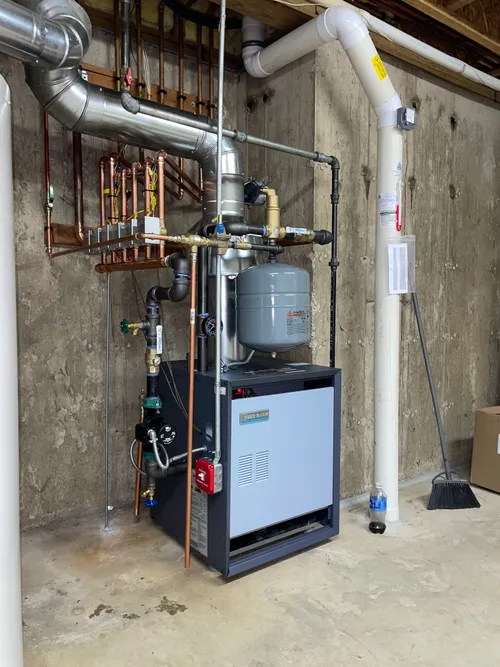
Angler Plumbing, Heating & Drain Cleaning LLC
598 Hickory Ave, Saddle Brook, NJ 07663
Angler Plumbing, Heating & Drain Cleaning LLC is a family- and veteran-owned business serving New York, NY, and Bergen County, NJ. They provide a wide range of plumbing, heating, and drain services including water heater installation and repair, sump pump maintenance, gas line installation, and drain cleaning. Their licensed master plumber offers a one-year warranty on parts, labor, and materials, and the company is known for its safety-first approach and fully stocked trucks. With over 22 years of experience, Angler Plumbing also offers emergency services with weekend and evening appointments available upon request.
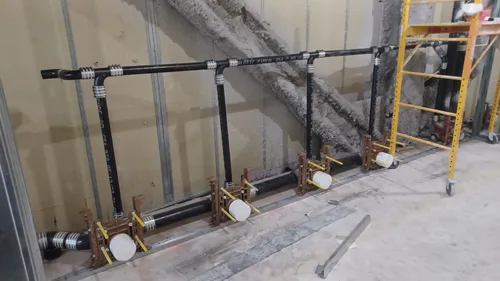
Affordable Plumbing and Leak Repair
New York, NY
Affordable Plumbing and Leak Repair provides a wide range of plumbing services in New York, NY, including water heater repair and installation, drain cleaning, leak detection, repiping, and gas line installation. They serve Staten Island and surrounding areas such as Queens, The Bronx, Brooklyn, and Jersey City. The company offers emergency plumbing services to address urgent issues like burst pipes and clogged drains. Their team is equipped to handle various plumbing needs, including dryer and washer hookups, with a focus on preventing future problems through quality repairs and installations.
Superior Plumbing, Heating, & Mechanical, LLC
New York, NY
Superior Plumbing, Heating, & Mechanical, LLC is a family-owned business serving New York, NY, and surrounding areas including the five boroughs, Long Island, and Westchester County. Since 2003, they have provided commercial plumbing, heating, and mechanical services to building owners, managers, and engineers. Their licensed team offers a range of services such as drain cleaning, leak detection, gas line installation, toilet repair, backflow prevention, and water leak detection. They are certified for gas piping and backflow testing and provide 24/7 emergency and scheduled maintenance services to ensure building systems operate efficiently and comply with local codes.
A&E NYC Plumbing
40 Fulton St, New York, NY 10038
A&E NYC Plumbing offers a wide range of plumbing services in New York, NY, including water heater repair and installation, drain cleaning, sewer line repair, leak detection, and gas line installation. They also handle faucet and toilet repairs, garbage disposal maintenance, and repiping projects. The company is licensed and insured, providing both residential and commercial plumbing solutions with a focus on safety and technical expertise. Their team is experienced in managing complex plumbing systems and offers free onsite estimates for more involved jobs.
Understanding NYC's Gas Line Regulations
Working on gas piping systems in New York City is not a casual DIY project; it is a highly regulated trade for very good reason. The primary rule is that all gas line installation, alteration, and repair must be performed by or under the direct supervision of a Licensed Master Plumber (LMP) who holds a valid license from the NYC Department of Buildings (DOB). This professional is legally authorized to pull the necessary permits and is accountable for the work meeting all city codes.
The regulatory framework involves several key agencies and laws:
- NYC Department of Buildings (DOB): The DOB issues permits for gas work through its DOB NOW online portal and conducts the mandatory inspections after the work is completed.
- Local Law 152 of 2016: This is a critical safety law specific to NYC. It mandates that the gas piping systems in most buildings (except one- and two-family homes) be inspected by an LMP every four years. A certification of inspection must be filed with the DOB.
- The Utility (Con Edison or National Grid): While the LMP performs the physical work, the utility company controls the gas meter. They are responsible for shutting off and restoring gas service. A plumber cannot work on "live" gas lines.
Attempting to bypass these regulations by hiring an unlicensed individual can result in failed inspections, fines, and most importantly, serious safety hazards.
The Step-by-Step Process for Gas Work
Navigating a gas line project successfully means understanding the sequence of events. Here is a typical workflow for a permitted gas line installation or major repair in New York City.
1. Permit Application
Before any work begins, your hired Licensed Master Plumber must apply for a gas work permit through the DOB NOW system1 2. This application details the scope of work and ensures the plans comply with the NYC Plumbing and Fuel Gas Codes. No legitimate professional will start cutting or threading pipe without this permit in hand.
2. Utility Coordination & Safety Preparation
Once the permit is secured, your plumber will coordinate with the local utility (Con Edison in most of NYC) to schedule a gas service shutoff at the meter. A cardinal rule of gas safety is that no work is ever performed on a pressurized line. The utility will turn off the gas, and only then can the physical work commence.
3. Installation & Repair Work
The actual work varies by project:
- New Installation or Replacement: This may involve running new black steel or copper piping (approved materials), which could include trenching for exterior lines to a depth of at least 18 inches. The LMP ensures proper support, joint integrity, and that the entire system is installed to code.
- Repair: This focuses on isolating and fixing a specific issue, such as replacing a corroded section of pipe or fixing a faulty fitting.
4. Pressure Testing & Inspection
This is the most critical safety check performed by your plumber. After the work is complete but before the gas is restored, the entire modified section of piping is pressurized with air (typically to 10 psi) and monitored for 15 minutes or more3. Any drop in pressure indicates a leak that must be found and sealed. Once the plumber is satisfied, they will request a DOB inspection.
5. DOB Inspection & Gas Restoration
A DOB inspector will visit the site to verify the work matches the permitted plans, check for proper materials and installation, and may witness a pressure test4. Upon approval, the inspector signs off. Your LMP then provides this approval to the utility company, which schedules the restoration of gas service to your property.
Find the perfect gas line plumbing companies for your needs
Get personalized recommendations and expert advice
Key Safety Protocols for Gas Piping
Safety is the non-negotiable foundation of all gas line work. Reputable professionals adhere to a strict set of protocols beyond just the pressure test.
- Leak Detection: During and after installation, plumbers use approved methods like applying a soapy water solution to joints or using electronic gas detectors to identify even minute leaks5 6.
- Proper Ventilation: Ensuring that gas appliances are correctly vented to the outside is crucial to prevent the dangerous buildup of carbon monoxide indoors7.
- No Live Work: This bears repeating: Licensed professionals do not solder, thread, or repair pipes that contain gas. The system must be purged and shut off at the source8.
- Post-Repair Monitoring: After service is restored, fittings are re-checked for leaks, and appliances are properly lit and tested for correct operation.
Costs Associated with Gas Line Projects in NYC
Costs can vary significantly based on the project's complexity, accessibility, and the specific rates of the plumbing professional. The figures below are general estimates to help set expectations 9.
- Repair Costs: Simple repairs, like fixing a small leak at an accessible joint, may start around $120. For more extensive repairs, a common metric is $15 to $25 per linear foot for pipe and materials, plus $45 to $150 per hour for the labor of a master plumber or gas line specialist.
- Major Work/Excavation: Projects requiring trenching to access an exterior line, rerouting pipes through finished walls, or complete replacements can easily exceed $2,000.
- Local Law 152 Inspection: The cost for the mandated four-year inspection is not fixed. It depends on your building's size and the complexity of its gas system, ranging from a few hundred dollars for a small building to several thousand for a large, complex property10.
Always get detailed, written estimates from multiple Licensed Master Plumbers that break down labor, materials, and permit fees.
The Critical Importance of Local Law 152
If you own or manage a building in NYC (other than a one- or two-family home), Local Law 152 is not optional-it's the law. The inspection cycle is based on your community district, with deadlines recurring every four years 11.
The process involves hiring an LMP to visually inspect exposed gas piping in common areas and individual units (with occupant permission) for corrosion, leaks, illegal connections, or unsafe conditions. Upon completion, the LMP must submit a Gas Piping System Inspection Certification to the DOB within 60 days of the inspection and provide a copy to the building owner12 13. Failure to file can result in penalties. This law is a proactive measure to prevent gas-related incidents and is a key part of responsible property ownership in the city.
Frequently asked questions
Sources
Footnotes
-
Gas Appliance or Pipe Permit · NYC311 - NYC.gov - https://portal.311.nyc.gov/article/?kanumber=KA-02106 ↩
-
Plumbing Permits & Applications - Buildings - NYC.gov - https://www.nyc.gov/site/buildings/property-or-business-owner/plumbing-permits-applications.page ↩
-
Frequently Asked Questions - CivicPlus.CMS.FAQ - https://www.rpvca.gov/faq.aspx?TID=40 ↩
-
NYC GAS WORK: - https://www.nyc.gov/assets/buildings/pdf/2018_Gasworks.pdf ↩
-
Gas Service Line Inspections - Con Edison - https://www.coned.com/en/safety/energy-safety/gas-safety/gas-service-line-inspections ↩
-
NYC Local Law 152: Here's What You Need to Know - https://newyorkheating.com/nyc-local-law-152-heres-what-you-need-to-know/ ↩
-
National Grid Tips of the Trade - https://ngridsafety.com/wp-content/uploads/2022/01/13360_ngrid_c_email/ ↩
-
State of New York Public Service Commission - https://documents.dps.ny.gov/public/Common/ViewDoc.aspx?DocRefId=%7BDBA09C72-27C3-4B9C-BC3B-B38216087AF7%7D ↩
-
Gas Line Repair and Replacement Costs [2026 Data] | Angi - https://www.angi.com/articles/average-gas-line-repair-and-installation-costs.htm ↩
-
NYC Local Law 152: Gas Piping Inspections & Costs Explained - https://energo.com/blog/nyc-local-law-152-gas-piping-inspections-costs-explained/ ↩
-
Understanding Local Law 152 in NYC - Your Guide - A Good Plumber - https://agoodplumber.com/gas-resources/what-is-local-law-152-in-nyc/ ↩
-
Periodic Gas Piping System Inspections - NYC.gov - https://www.nyc.gov/site/buildings/property-or-business-owner/gas-piping-inspections.page ↩
-
Gas Piping System Inspection Certification · NYC311 - NYC.gov - https://portal.311.nyc.gov/article/?kanumber=KA-03353 ↩