Find the Best Gas Line Plumbing Companies for Your Business
No obligation • Fast responses • Nationwide coverage

Why you can trust Search a Plumber
Search a Plumber is a leading United States resource for finding and evaluating professional plumbing services. Our team researches licensing, experience, and customer feedback to create unbiased, fact-driven overviews. Companies cannot pay to change ratings or placement, ensuring homeowners get trustworthy information.
Search providers near you
Top Gas Line Plumbing Companies in Buffalo, New York Ranked
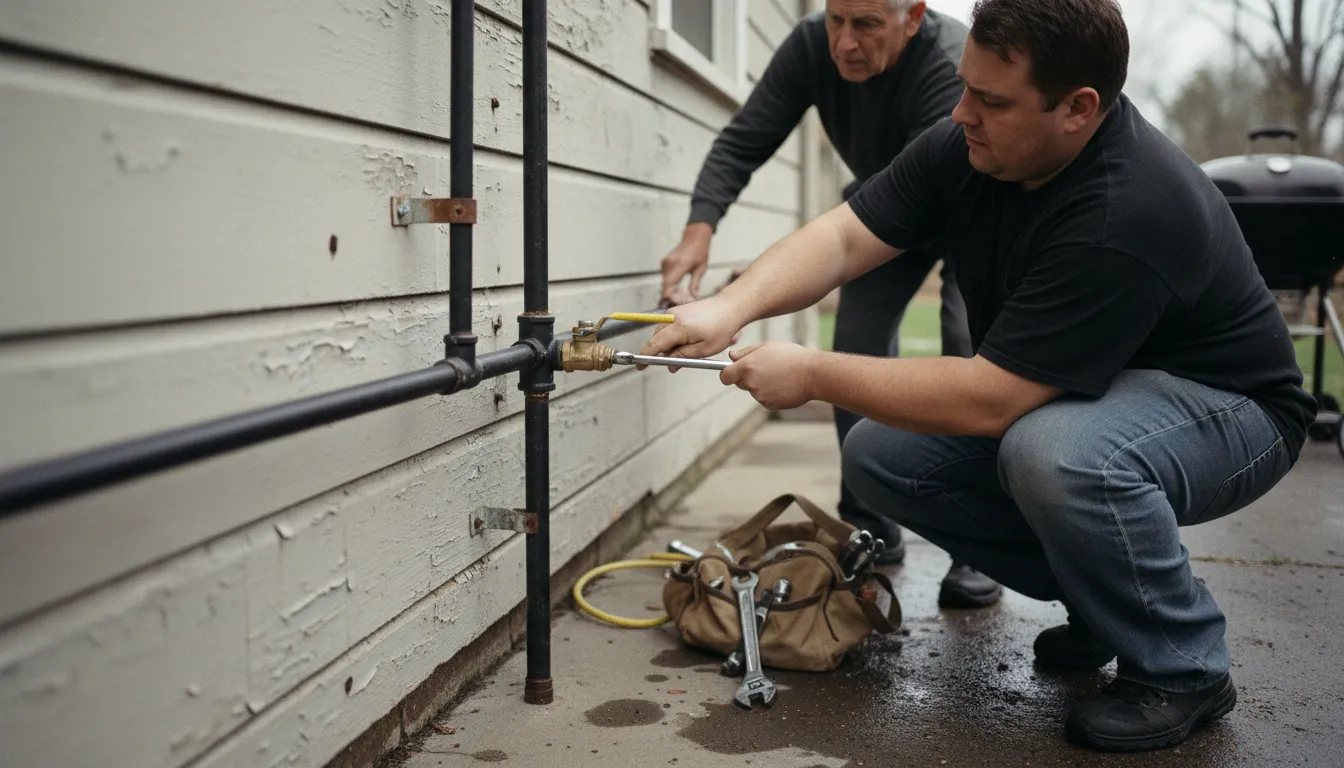
Installing or repairing a gas line is a critical home improvement project that directly impacts the safety, efficiency, and value of your Buffalo property. This specialized work involves running new piping for appliances like furnaces, water heaters, stoves, or fireplaces, or addressing leaks and corrosion in existing systems. Due to the inherent risks of working with natural gas-including the potential for fire, explosion, and carbon monoxide poisoning-this is not a DIY task. It requires the expertise of licensed professionals who understand the complex web of local codes, permit processes, and utility requirements. This guide is designed to help you understand the process, regulations, and key considerations for gas line services in Buffalo, empowering you to make informed decisions when hiring a qualified local specialist.
Sewer pro plumbing
Buffalo, NY
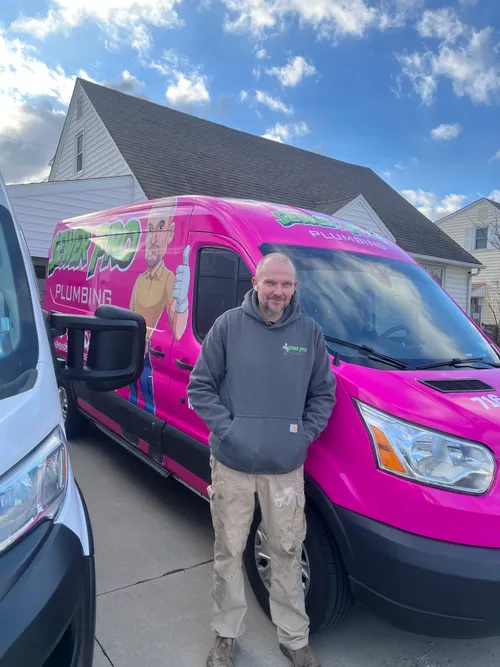
Sewer Pro Plumbing is a plumbing company serving Buffalo, NY, and the surrounding communities in Erie and Niagara Counties. With over 30 years of experience, they provide a wide range of plumbing services including water heater installation and repair, sewer line and drain cleaning, sump pump repair, leak detection, repiping, and gas line installation. Their team uses advanced equipment to handle residential and commercial plumbing needs efficiently and reliably. Sewer Pro Plumbing has a long history of serving the local area and offers expert solutions backed by decades of expertise.
Pappas Plumbing
8615 Roll Rd Unit 406, Clarence Center, NY 14032
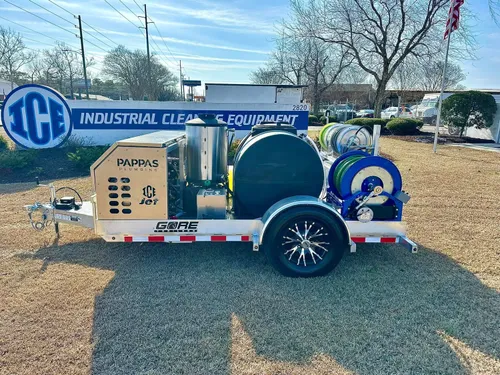
Pappas Plumbing is a residential and commercial plumbing contractor based in Buffalo, NY. They provide a range of services including water softener installation, sump pump repair, drain cleaning, hydro jetting, sewer line repair, and gas line installation. The company specializes in underground sewer and water lines, exterior yard drainage, and whole house water filtration. Pappas Plumbing is led by Shawn Pappas, a master plumber, and emphasizes quality work and professional experience in their service delivery.
Roto-Rooter Plumbing & Water Cleanup
2959 Genesee St Ste C, Cheektowaga, NY 14225
Roto-Rooter Plumbing & Water Cleanup provides comprehensive plumbing services in Buffalo, NY. They offer 24/7 emergency plumbing, drain cleaning, sewer line repair including trenchless methods, water heater repair and installation, leak detection, and commercial plumbing solutions. Their team uses advanced diagnostics and equipment to handle residential and commercial plumbing needs, including water damage cleanup and hydro jetting. Serving Buffalo and surrounding communities, Roto-Rooter is equipped to address urgent plumbing issues any time of day or year.
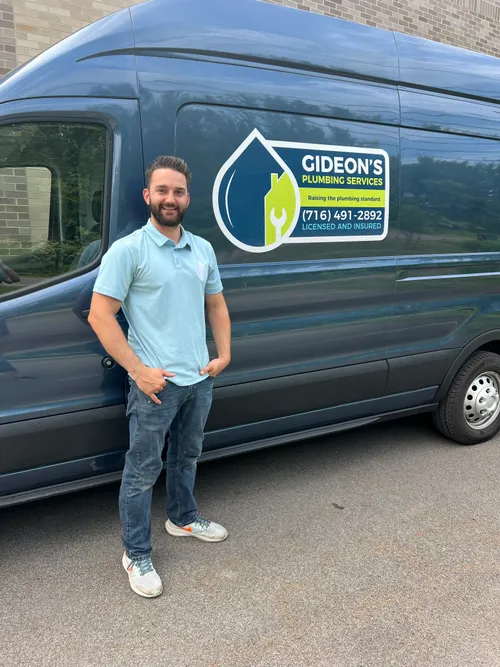
M Purtill Plumbing
3959 N Buffalo St, Orchard Park, NY 14127
M Purtill Plumbing is a family-run plumbing business serving Buffalo, NY, and the surrounding Western New York area. Since 2010, they have provided a wide range of plumbing services including general plumbing, drain cleaning, sewer line camera inspections and repairs, sump pump installation and repair, water heater installation and repair-both tank and tankless models-and gas line services. Their team is experienced in handling new construction plumbing and emergency plumbing situations such as burst pipes and sump pump failures.

D'Amorie Construction LLC
Buffalo, NY
D'Amorie Construction LLC is a licensed and insured company based in Buffalo, NY, offering a range of plumbing, sewer, water, septic, drainage, and excavation services. Serving Western New York, they specialize in underground sewer and water line installation and repair, septic system installation and maintenance, and custom drainage solutions. With over a decade of experience, D'Amorie Construction also provides 24/7 emergency repair services for issues like water main breaks and sewer backups. Their certified backflow testing and prevention services help ensure safe and compliant water systems.
Understanding Gas Line Services
When we talk about gas line installation and repair, we're referring to the network of pipes that deliver natural gas from the utility's main line to the appliances inside your home. In Buffalo, this work is strictly regulated and must be performed by a licensed plumber or gas fitter. Common projects include:
- New Gas Line Installation: Running a new line from your meter to a new appliance, such as converting a stove from electric to gas or adding a gas fireplace.
- Service Line Installation: Connecting a newly built home to the gas main in the street, which is typically coordinated with your utility, National Fuel.
- Gas Line Repair: Fixing leaks, corrosion, or damage to existing piping. This is an urgent safety issue.
- Gas Line Replacement: Upgrading old, potentially unsafe piping (like older steel lines) with modern, code-compliant materials.
The goal is always a safe, reliable, and efficient gas supply that meets all New York State and City of Buffalo building codes.
Why Professional Installation is Non-Negotiable
The dangers of improper gas piping cannot be overstated. A small leak can lead to a buildup of explosive gas or cause carbon monoxide poisoning, a silent and deadly threat. Licensed professionals bring essential expertise:
- Code Knowledge: They ensure every joint, fitting, and material meets the latest safety standards.
- Proper Tools & Testing: Professionals use specialized equipment for pressure testing and leak detection that homeowners do not have access to.
- Permit Navigation: They handle the necessary paperwork with the City of Buffalo's Plumbing Department and coordinate required inspections.
- Utility Coordination: They understand the protocols for working with National Fuel, which has final authority on inspections of the service line.
Attempting this work yourself not only risks catastrophic safety failures but also voids insurance coverage and can result in heavy fines from the city and utility.
The Regulatory Landscape in Buffalo
Gas line work in Buffalo involves multiple governing bodies. Navigating their requirements is a key part of any project.
1. The City of Buffalo Plumbing Department: Before any work begins, a plumbing permit is almost always required. For new installations or significant alterations, you may need to submit detailed plumbing plans for approval. These plans must show the location of all proposed piping and appliances. The city ensures the work inside your property line complies with local amendments to the state building code.
2. National Fuel (NFG): As the natural gas utility for Western New York, National Fuel plays a crucial role. They own and maintain the gas main in the street and the service line up to your meter. Any work on the service line or a new connection requires their involvement. Critically, they must perform a final safety inspection on any newly installed or altered service line before gas can be turned on. Failure to schedule or pass this inspection can result in service delays or shut-offs.
3. New York State Public Service Commission (PSC): This state agency oversees all utilities, including National Fuel, and sets broad safety and construction standards for gas line work across New York.
4. Call 811 - "Call Before You Dig": This is a mandatory, non-negotiable first step for any project involving excavation. Dialing 811 (or submitting an online request) at least a few business days before you dig notifies all relevant utilities to come and mark the location of their underground lines (electric, water, sewer, communications) for free. Hitting a line can cause injury, service outages, and expensive repairs.
The Step-by-Step Installation Process
A professional gas line installation follows a meticulous sequence to ensure safety and compliance.
1. Planning and Permitting: Your licensed contractor will assess the job, determine the best route for the new piping, and pull the necessary permits from the City of Buffalo 1.
2. Calling 811: The contractor will initiate the 811 process to have all underground utilities marked, defining a safe digging zone.
3. Site Preparation and Trenching: The work area is cleared. For underground lines, a trench is excavated from the meter to the entry point of the home. In Buffalo, this trench must be a minimum of 40 inches deep to protect the pipe from frost and surface damage 2. Proper trenching involves separating topsoil from subsoil.
4. Pipe Installation: The gas pipe is laid in the trench or run through interior spaces. Common materials include:
- Black Iron Pipe: Traditional, durable steel pipe used for both interior and exterior applications.
- CSST (Corrugated Stainless Steel Tubing): Flexible, yellow-jacketed tubing that is often easier and faster to install through walls and floor joists.
All connections are made using proper fittings and thread sealant approved for gas.
5. Backfilling: The trench is carefully filled, placing subsoil back first (tamped down to prevent settling) followed by the topsoil 3.
6. Pressure and Leak Testing: Once the line is connected, the contractor will conduct a rigorous pressure test to verify the integrity of the entire system, checking for any leaks at joints or fittings 4.
7. Utility Inspection and Final Connection: The contractor will schedule a final inspection with a National Fuel representative. The inspector will check the exposed piping, connections at the meter, and verify there are no leaks 5 6. Only after National Fuel approves the work will they activate the gas service.
Find the perfect gas line plumbing companies for your needs
Get personalized recommendations and expert advice
Factors Influencing Cost in Buffalo
The cost of gas line work in Buffalo can vary significantly based on several factors. While prices fluctuate, local data suggests a typical range of $18 to $33 or more per linear foot for installation, with the total project cost depending on the specifics 7.
Key cost drivers include:
- Total Length of Pipe: The distance from the meter to the appliance is the primary factor.
- Trenching Complexity: Digging through rocky soil, navigating around tree roots, or working under driveways or sidewalks adds labor and equipment time.
- Number of Appliances: Each new branch line or connection adds to the material and labor cost.
- Pipe Material: CSST material can be more expensive per foot than black iron, but its flexibility can sometimes reduce labor time.
- Permit and Inspection Fees: The City of Buffalo and any required utility inspections add to the project cost.
- Contractor Expertise: Highly reputable, licensed specialists may command a premium for their guaranteed, code-compliant work.
As a rough example, a straightforward 50-foot gas line run might start around $1,400 or more when including materials, labor, permits, and contractor markup, but every project is unique 8 9. Always get detailed, written estimates from multiple licensed professionals.
Choosing a Qualified Professional in Buffalo
Selecting the right contractor is your most important safety decision. Look for:
- Valid NYS Plumbing License: Verify their license is current and in good standing.
- Insurance: Ensure they carry both liability and worker's compensation insurance.
- Local Experience: Choose a plumber familiar with Buffalo's specific codes, inspectors, and National Fuel procedures. Established local companies like Cellino Plumbing or Roy's Plumbing, cited in local resources, have this experience 10 11.
- Detailed Written Estimate: The quote should break down labor, materials, permit fees, and any trenching costs.
- References and Reviews: Check online reviews and ask for references from past gas line projects.
A reputable professional will gladly discuss their licensing, pull permits on your behalf, and walk you through each step of the process, including coordination with National Fuel.
Safety First: Recognizing and Responding to Gas Leaks
Even with a perfect installation, it's vital to know the signs of a gas leak and how to respond:
- The Smell: Natural gas is odorless, but utilities add a distinctive "rotten egg" smell (mercaptan) as a warning.
- Hissing Sounds: Listen for a hissing or whistling noise near a gas line or appliance.
- Dead Vegetation: Unexplained dying plants or grass above an underground gas line.
- Physical Symptoms: Unexplained headaches, nausea, dizziness, or fatigue could indicate a slow leak.
If you suspect a leak:
- LEAVE the building immediately. Do not use electrical switches, phones, or anything that could create a spark.
- CALL 911 or National Fuel from a safe distance away from the property.
- DO NOT re-enter the building until emergency personnel or the utility declares it safe.
Frequently asked questions
Sources
Footnotes
-
Plumbing Plan Requirements | Buffalo, NY - https://www.buffalony.gov/618/Plumbing-Plan-Requirements ↩
-
Gas Service Line Installation | WNY Businesses - National Fuel - https://www.nationalfuel.com/utility/service-line-installation-to-start-service/ ↩
-
general conditions and specifications for pipeline-construction - https://documents.dps.ny.gov/public/Common/ViewDoc.aspx?DocRefId=%7BC35F8CCD-19A0-49B9-96D1-6845CAB90215%7D ↩
-
How to Install Natural Gas Lines Safely and Correctly - https://bluegasexpress.com/how-to-install-natural-gas-lines/ ↩
-
Gas Service Line Inspections - Con Edison - https://www.coned.com/en/safety/energy-safety/gas-safety/gas-service-line-inspections ↩
-
REQUIRED INSPECTION - https://documents.dps.ny.gov/public/Common/ViewDoc.aspx?DocRefId=%7B38F942EB-91DC-40FA-A917-299410F8800B%7D ↩
-
New Gas Line Installation Cost: Natural Gas Piping Supplies & ... - https://www.superbrothers.com/new-gas-line-installation-cost-natural-gas-piping-supplies-custom-piping/ ↩
-
Cost to install gas line in Buffalo, NY - Handoff AI Estimating - https://www.handoff.ai/construction-costs/install-gas-line/buffalo-ny ↩
-
Gas Line Installation Cost: Factors, Estimates, And Comparisons - https://www.superbrothers.com/gas-line-installation-cost-factors-estimates-and-comparisons/ ↩
-
Gas Line Installation & Repair In Buffalo, NY - https://cellinoplumbing.com/buffalo/gas-line-services/ ↩
-
Gas Line Installation and Repair in Buffalo, NY - Roy's Plumbing - https://www.justcallroys.com/plumbing/gas-lines/ ↩