Find the Best Gas Line Plumbing Companies for Your Business
No obligation • Fast responses • Nationwide coverage

Why you can trust Search a Plumber
Search a Plumber is a leading United States resource for finding and evaluating professional plumbing services. Our team researches licensing, experience, and customer feedback to create unbiased, fact-driven overviews. Companies cannot pay to change ratings or placement, ensuring homeowners get trustworthy information.
Search providers near you
Top Gas Line Plumbing Companies in Freeport, New York Ranked
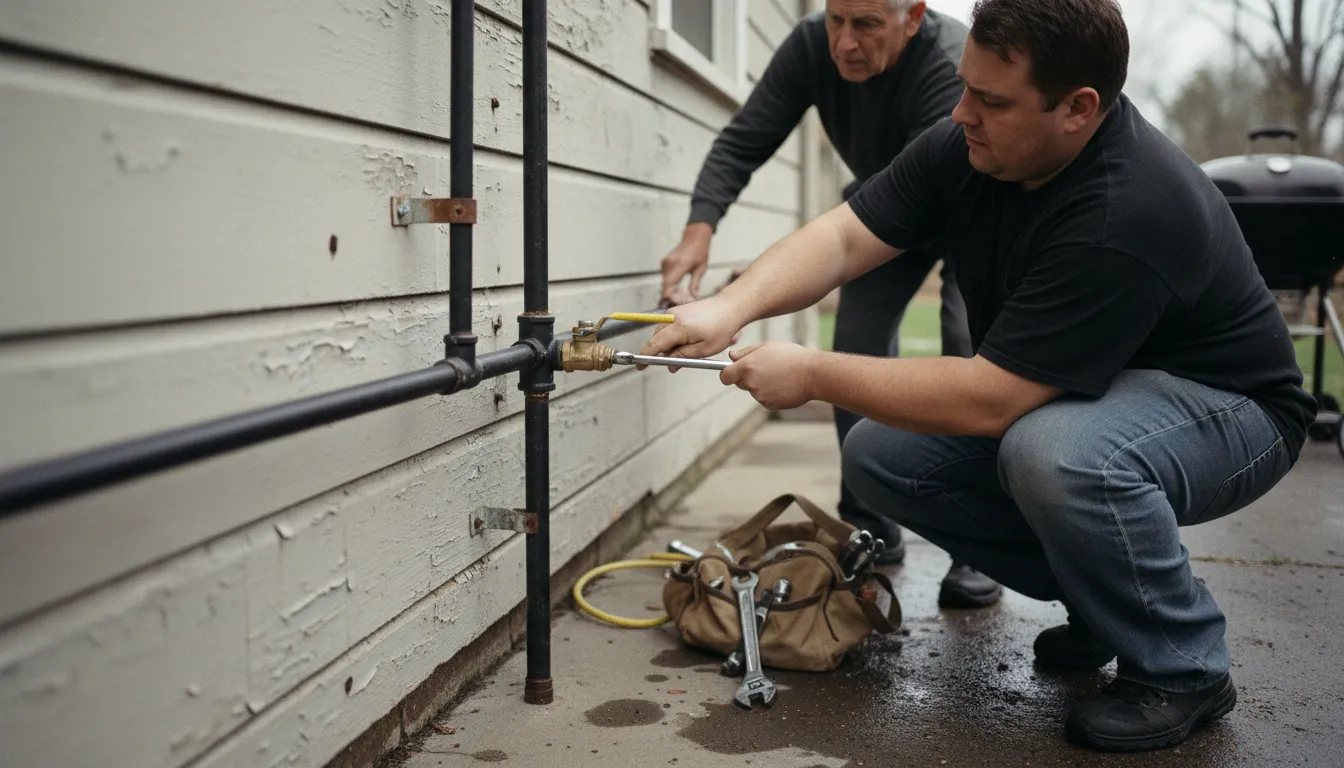
Gas line installation and repair is a critical service for homeowners and businesses in Freeport, ensuring safe and reliable fuel delivery to appliances like furnaces, water heaters, stoves, and dryers. Proper gas piping work is not just a matter of convenience; it's a vital safety concern governed by strict local and international codes. This guide will help you understand the process, requirements, and how to find qualified local professionals for your gas line project.
Affordable Plumbing and Leak Repair
New York, NY
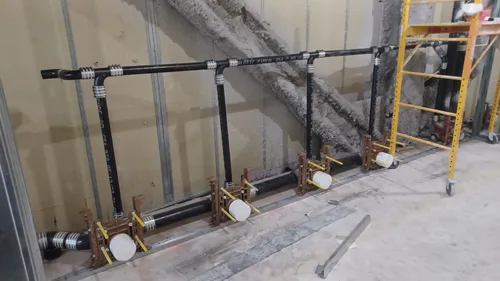
Affordable Plumbing and Leak Repair provides a wide range of plumbing services in New York, NY, including water heater repair and installation, drain cleaning, leak detection, repiping, and gas line installation. They serve Staten Island and surrounding areas such as Queens, The Bronx, Brooklyn, and Jersey City. The company offers emergency plumbing services to address urgent issues like burst pipes and clogged drains. Their team is equipped to handle various plumbing needs, including dryer and washer hookups, with a focus on preventing future problems through quality repairs and installations.
Superior Plumbing, Heating, & Mechanical, LLC
New York, NY
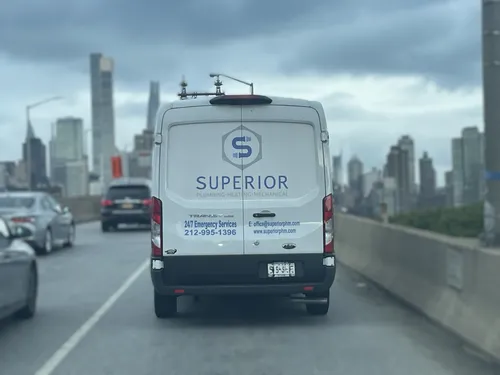
Superior Plumbing, Heating, & Mechanical, LLC is a family-owned business serving New York, NY, and surrounding areas including the five boroughs, Long Island, and Westchester County. Since 2003, they have provided commercial plumbing, heating, and mechanical services to building owners, managers, and engineers. Their licensed team offers a range of services such as drain cleaning, leak detection, gas line installation, toilet repair, backflow prevention, and water leak detection. They are certified for gas piping and backflow testing and provide 24/7 emergency and scheduled maintenance services to ensure building systems operate efficiently and comply with local codes.
A&E NYC Plumbing
40 Fulton St, New York, NY 10038
A&E NYC Plumbing offers a wide range of plumbing services in New York, NY, including water heater repair and installation, drain cleaning, sewer line repair, leak detection, and gas line installation. They also handle faucet and toilet repairs, garbage disposal maintenance, and repiping projects. The company is licensed and insured, providing both residential and commercial plumbing solutions with a focus on safety and technical expertise. Their team is experienced in managing complex plumbing systems and offers free onsite estimates for more involved jobs.
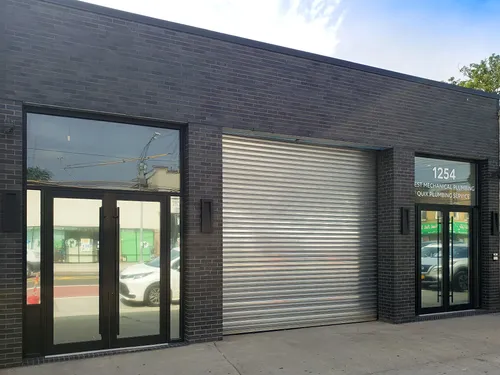
Quix Plumbing Service
1254 Utica Ave, Brooklyn, NY 11203
Quix Plumbing Service provides plumbing and gas line installation services in New York, NY, including Brooklyn, Queens, Bronx, and Manhattan. They handle a range of plumbing needs from emergency repairs to full system installations using advanced, non-invasive techniques. The company focuses on delivering precise and careful service tailored to both residential and commercial clients.
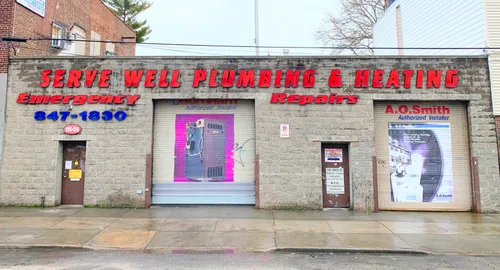
Serve-Well Plumbing & Heating Inc
116-04 Atlantic Ave, Richmond Hill, NY 11419
Serve-Well Plumbing & Heating Inc is a family-owned and operated plumbing and heating company serving New York, NY, and the surrounding tri-state area. With over 50 years of experience, they provide a wide range of services including sewer camera inspections, water heater installations, drain cleaning, sewer line repairs, leak detection, gas line installations, and toilet repairs. The company specializes in oil to gas conversions and offers fire suppression system installation and maintenance. Their technicians are licensed and certified, and they provide 24/7 support to address urgent plumbing and heating needs.
Understanding Gas Piping Work in Freeport
Gas piping, or fuel gas line work, involves the installation of new lines or the repair and replacement of existing ones. In Freeport, this work is heavily regulated to prevent leaks, explosions, and carbon monoxide poisoning. The Village of Freeport adopts and enforces codes like the International Residential Code (IRC), with specific local amendments that contractors must follow precisely. Whether you're adding a gas stove, relocating a furnace, or repairing an old line, the process is complex and must be handled by licensed experts.
The Critical Role of Permits and Inspections
Before any work begins, securing the proper permits from the Village of Freeport Building Department is mandatory. This is not a bureaucratic formality; it's the first step in a safety protocol.
- Permit Requirements: You will need permits for all gas line installation, extension, or repair work. The permit application must be filed by a licensed professional.
- Permit Fees: Fees are based on the scope of work. For example, the Village lists specific fees for gas tests or gas burners/stoves (e.g., $60), plus potential fixture fees.
- Certificate of Compliance: This is a crucial document. After installation and a successful village inspection, the Building Department issues a Certificate of Compliance. The utility company will not set or reconnect your gas meter without this certificate, proving the system meets all safety codes.
The Step-by-Step Installation Process
A professional gas line project follows a structured sequence to ensure safety and compliance.
- Design and Planning: A licensed master plumber or gas fitter will assess your needs, plan the pipe routing from the meter to the appliance(s), and determine the correct pipe size and materials.
- Permit Application: Your contractor will submit detailed plans and apply for the necessary permits with the Village.
- Trenching and Path Creation: For underground lines, trenches are dug to the depth specified by code (often 18-24 inches or more) to protect the pipe from damage.
- Piping Installation: Approved piping materials, such as black iron or Corrugated Stainless Steel Tubing (CSST), are installed with proper fittings and supports.
- Tracer Wire Installation: A critical safety step for non-metallic pipes like CSST buried underground. A conductive tracer wire must be installed alongside the pipe and terminated above ground at both ends to allow future location of the line.
- Appliance Connection: The new line is securely connected to the appliance(s) with approved shut-off valves.
- Inspection and Pressure Test: A Village inspector will examine the work for code compliance, proper materials, and secure connections. The contractor will then perform a pressure test to verify the system is completely leak-free before the gas utility is called.
Find the perfect gas line plumbing companies for your needs
Get personalized recommendations and expert advice
Why You Must Hire a Licensed Professional
Attempting DIY gas work or hiring an unlicensed individual is extremely dangerous and illegal for this type of work in Freeport and across Nassau County.
- Legal and Safety Mandate: Only a licensed Master Plumber or qualified Gas Fitter can obtain the required permits for gas piping work in Freeport. Their expertise is necessary to navigate the IRC and local codes.
- Insurance and Liability: Unpermitted, improper work can void your homeowner's insurance and leave you fully liable in the event of an accident.
- Preventing Hazards: Professionals ensure proper ventilation for appliances, use correct joint-sealing compounds, and understand how to size pipes correctly to prevent dangerous pressure drops or leaks1 2.
Understanding Costs and Considerations
The cost for gas line services in Freeport can vary widely based on the project's complexity, length of pipe run, materials used, and excavation needs.
- Installation Costs: Projects can range from approximately $500 for a simple, short run to well over $2,000 for complex installations involving significant trenching and multiple appliances3 4.
- Permit Fees: These are separate from labor and material costs and are paid directly to the Village.
- Inspection & Compliance: The cost for the required inspection and Certificate of Compliance is typically part of the contractor's service or permit fees.
- Ongoing Safety: Be aware of regulations like NYC's Local Law 152, which mandates periodic gas piping inspections for certain buildings. While directly applicable to NYC, it highlights the regional emphasis on proactive gas safety that informed professionals understand.
Key Safety Protocols and Best Practices
Adhering to safety protocols is non-negotiable.
- Code Adherence: Strict compliance with the IRC and Freeport's local codes is the foundation of safety5.
- Leak Prevention: Proper installation, pressure testing, and the use of tracer wires for buried lines are essential to prevent undetected leaks6.
- Regular Inspections: Even after installation, having your gas lines and appliances periodically checked by a pro is a wise safety measure.
For accurate quotes and to ensure full compliance, always contact the Village of Freeport Building Department for the latest local requirements and work with a licensed Nassau County Master Plumber specializing in gas line projects7.
Frequently asked questions
Sources
Footnotes
-
Gas Line Installation in Nassau County - https://minutemenseweranddrain.com/long-island-plumber/why-professional-gas-line-installation-is-essential-for-nassau-long-island-homes/ ↩
-
Dangers of DIY Gas Line Installation - https://kingstonplumbinginc.com/why-you-shouldnt-install-your-own-gas-line/ ↩
-
Permit Fees | Freeport, NY - Official Website - https://www.freeportny.gov/503/Permit-Fees ↩
-
Estimate Building Permit Costs in NYC | DOB Fee Breakdown - https://nycestimatingservices.us/how-to-estimate-building-permit-costs-nyc/ ↩
-
Gas Piping - Village of Freeport, NY - eCode360 - https://ecode360.com/9278384 ↩
-
2021 International Residential Code (IRC) - G2415.17.3 (404.17.3) Tracer. - https://codes.iccsafe.org/s/IRC2021P3/part-vi-fuel-gas/IRC2021P3-Pt06-Ch24-SecG2415.17.3 ↩
-
NYC Local Law 152: Gas Piping Inspections & Costs Explained - https://energo.com/blog/nyc-local-law-152-gas-piping-inspections-costs-explained/ ↩