Find the Best Gas Line Plumbing Companies for Your Business
No obligation • Fast responses • Nationwide coverage

Why you can trust Search a Plumber
Search a Plumber is a leading United States resource for finding and evaluating professional plumbing services. Our team researches licensing, experience, and customer feedback to create unbiased, fact-driven overviews. Companies cannot pay to change ratings or placement, ensuring homeowners get trustworthy information.
Search providers near you
Top Gas Line Plumbing Companies in Sparks, Nevada Ranked
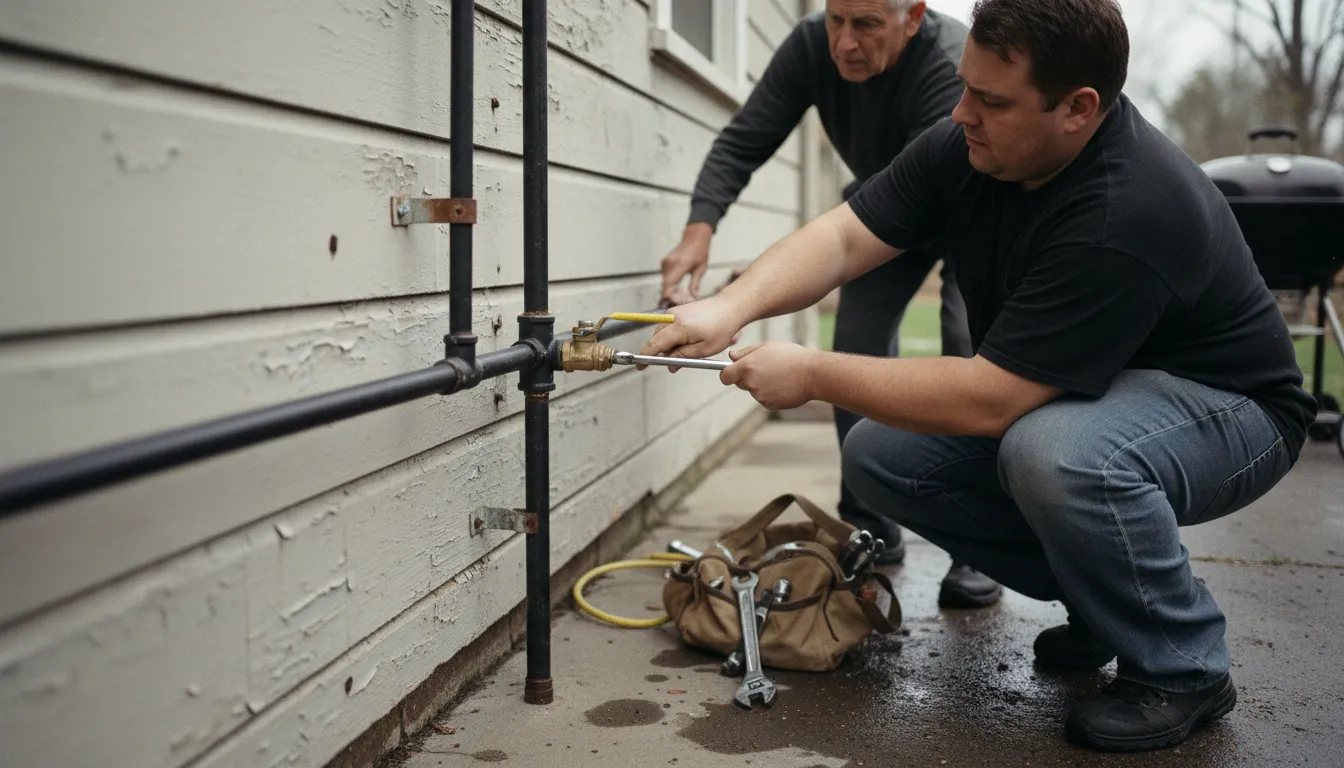
Installing or repairing a gas line is a critical project that directly impacts the safety and functionality of your home. Whether you're connecting a new appliance, extending service to an outdoor kitchen, or fixing a leak, this work involves high-pressure natural gas or propane and must be handled with precision. In Sparks, this process is governed by specific city codes and requires professional oversight to ensure everything is done correctly. This guide will help you understand the essential steps, local requirements, and safety considerations for gas line projects in Sparks, empowering you to make informed decisions when seeking qualified local specialists.
Hoffman Plumbing
1855 Sullivan Ln Ste 270, Sparks, NV 89431
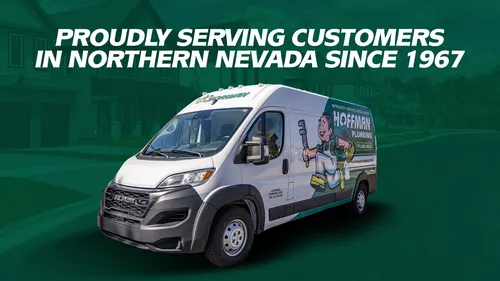
Hoffman Plumbing is a family-owned plumbing company serving Reno, NV, and the surrounding Northern Nevada area. Established in 1967, they offer a wide range of services including water heater repair and installation, leak detection, and gas line installation. The company is equipped to handle both residential and commercial plumbing needs with licensed and insured professionals. Hoffman Plumbing provides 24/7 emergency service and emphasizes integrity, upfront pricing, and quality workmanship. Their service area extends from Reno to Carson City, including Sparks and Gardnerville.
Hoffman Plumbing
900 Mallory Way, Carson City, NV 89701
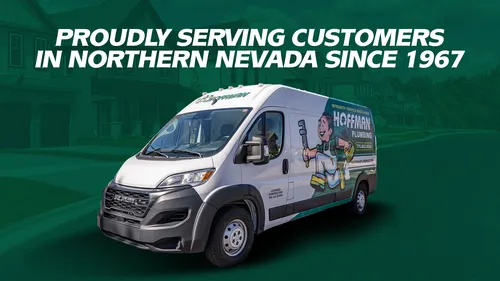
Hoffman Plumbing is a family-owned plumbing company serving Reno, NV, and the surrounding Northern Nevada area since 1967. They offer a wide range of services including water heater repair and installation, leak detection, and gas line installation for both residential and commercial clients. The company is equipped to handle plumbing, heating, cooling, and electrical projects with licensed and insured professionals. Hoffman Plumbing provides 24/7 emergency service and emphasizes integrity, upfront pricing, and quality workmanship.
Savage and Son, Inc.
3101 Yori Ave, Reno, NV 89502
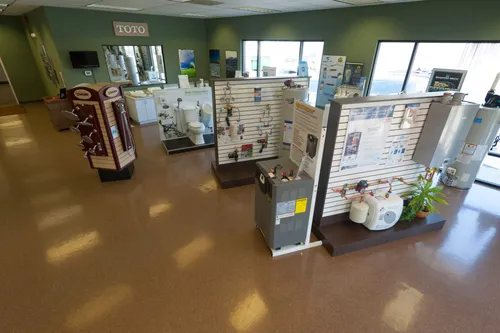
Savage and Son, Inc. is a plumbing and mechanical contractor based in Reno, NV. They provide services including sewer camera inspections, sewer line repairs, and gas line installations. The company has extensive experience managing both plumbing repairs and major construction projects, with a notable capability in coordinating complex mechanical and plumbing systems. Savage and Son, Inc. has been serving the Reno area for over 30 years, demonstrating a long history of handling projects with adjustments and problem-solving on site.
Dirty Plumber Reno
Reno, NV
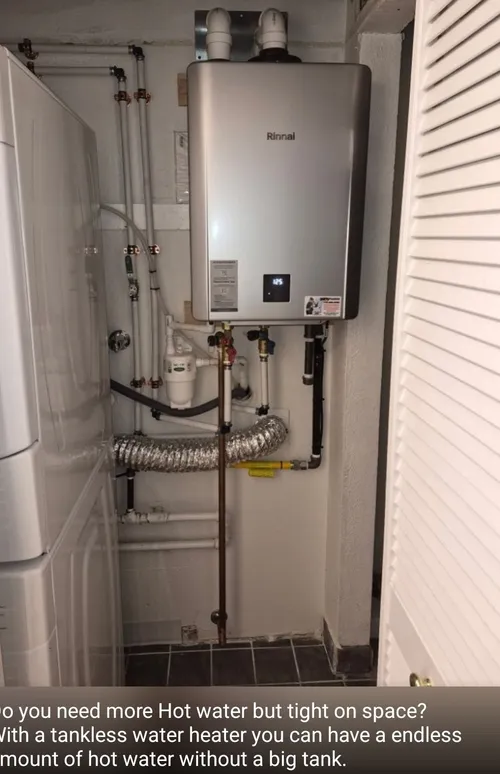
Dirty Plumber Reno is a plumbing company based in Reno, NV, offering a wide range of services including sewer camera inspections, water heater repair and installation, drain cleaning, hydro jetting, sewer line repair, trenchless sewer repair, leak detection, repiping, and gas line installation. They provide solutions for both residential and commercial plumbing needs, using advanced tools like high-resolution sewer cameras and trenchless technology to minimize disruption. Their expertise covers water filtration systems and boiler repair and installation as well. The company emphasizes thorough plumbing system upgrades and renovations, ensuring compliance with regulations and smooth operation.
Hoffman Plumbing
3886 Mayberry Dr Suite F, Reno, NV 89519
Hoffman Plumbing is a family-owned plumbing company serving Reno, NV, and surrounding areas including Carson City, Sparks, Gardnerville, and Sun Valley. With over 55 years of experience since 1967, they provide a wide range of services including water heater repair and installation, leak detection, and gas line installation. The company offers 24/7 emergency service and is known for its licensed, bonded, and insured technicians who handle both residential and commercial projects. Hoffman Plumbing emphasizes integrity, service, and excellence in their work, ensuring quality and reliable plumbing solutions for Northern Nevada homeowners.
Understanding Local Permit Requirements
Before any shovel hits the ground or a wrench turns a fitting, the first and most crucial step is securing the proper permits from the City of Sparks. The Building & Safety Division mandates that all gas line installation and repair work begins with an approved Building Permit Card. Starting work without this permit can result in double fees, violations, and the potential for work to be redone, costing you significant time and money.
The permit process is in place for your safety. It ensures that your planned project adheres to the International Fuel Gas Code and local amendments, which cover everything from the type of pipe used to the required burial depth. After you or your licensed contractor submits plans and pays the fee, the city will issue a permit, scheduling the necessary inspections at critical stages of the project.
The Step-by-Step Process for Gas Piping Projects
A successful gas line project follows a meticulous sequence. Here's a breakdown of what a professional gas fitter or plumber will manage from start to finish.
1. Pre-Excavation: The Critical "Call Before You Dig" Step
The absolute first physical step is contacting Nevada 811. This free service dispatches utility locators to your property to mark the approximate location of all underground lines-not just gas, but also water, sewer, electric, and communications 1. This is a legal requirement and a vital safety measure to prevent catastrophic strikes, service interruptions, and costly repairs. Once lines are marked, hand-digging is required within a certain tolerance zone (often 18-24 inches on either side of the marks) to carefully expose existing utilities 2.
2. Trenching and Pipe Installation
For new underground gas service lines or extensions, a trench must be dug. In Sparks, the typical required burial depth for gas lines is at least 18 to 24 inches, though specific code requirements can vary based on the pipe material and location (e.g., under a driveway) 3. The trench must be free of sharp rocks that could damage the pipe coating. Professionals then install approved piping, such as black iron pipe or corrugated stainless steel tubing (CSST), using the correct fittings and joint compounds rated for gas service.
3. Pressure Testing and Inspections
Once the pipe is installed but before it is connected to the gas meter or appliance, a pressure test is conducted. This involves sealing the system and pressurizing it with air (often to 10 psi or more) for a sustained period, such as 15 minutes. A steady pressure gauge confirms there are no leaks. This test is typically witnessed by a city inspector during the "underground" or "rough-in" inspection phase. Only after passing this test can the trench be backfilled and the line connected.
4. Final Connection and Activation
After the line is connected to the meter and the appliance, a final inspection is usually required. The professional will then slowly introduce gas into the system, checking every connection with a leak detection solution (soapy water) to look for tell-tale bubbles 4. Once integrity is confirmed, the appliance can be lit and tested for proper operation.
Find the perfect gas line plumbing companies for your needs
Get personalized recommendations and expert advice
Key Safety Considerations for Homeowners
Gas line work is not a DIY project. The risks associated with incorrect installation-including gas leaks, fire, and explosion-are far too great. Hiring a licensed, insured professional specializing in gas fitting is the single most important safety decision you can make. These experts understand the complex codes, have the proper tools for pressure testing, and know how to navigate the City of Sparks permit and inspection process seamlessly.
Always ensure the gas supply is completely shut off at the meter before any repair work begins. Be aware of the signs of a gas leak: the distinctive rotten egg odor (odorant added to natural gas), a hissing sound near a line, or dead vegetation in an otherwise green yard over a buried pipe. If you suspect a leak, leave the area immediately and call 911 or the gas company from a safe distance.
Factors Influencing Project Cost
The price for gas line services in Sparks can vary widely based on the project's scope. Understanding these factors can help you interpret estimates from local professionals.
- Permit Fees: These are fixed costs set by the City of Sparks and are a non-negotiable part of the project budget 5.
- Materials: The type and length of pipe (black iron vs. CSST), along with fittings, valves, and risers, contribute to material costs.
- Labor and Complexity: This is often the most significant cost driver. It includes trenching (manual or machine), installation labor, and time for testing. Complexity increases-and so does cost-with long pipe runs, obstacles like concrete driveways or foundations that require specialized drilling, and interior wall fishing for new appliance hookups 6.
- Scope of Work: A simple repair of an accessible above-ground line will cost far less than installing a new 50-foot underground line to a backyard fire pit. Reputable local companies can provide detailed estimates that break down these elements for your specific project 7.
Choosing the Right Professional in Sparks
When searching for a contractor for your gas piping needs, verify their license with the Nevada State Contractors Board. Ensure they carry ample liability and workers' compensation insurance. Ask for references from similar projects in the Sparks area and confirm that they will handle the entire permit and inspection process with the City of Sparks. A trustworthy professional will be happy to explain each step of the process, provide a written, detailed estimate, and emphasize safety and code compliance above all else.
Frequently asked questions
Sources
Footnotes
-
How Deep Are Gas Lines Buried? - J.D. Power - https://www.jdpower.com/cars/shopping-guides/how-deep-are-gas-lines-buried ↩
-
Dig Safe Tips: How to dig around a natural gas line with a shovel - https://www.youtube.com/watch?v=sB55FempqWk&t=23 ↩
-
Trench and Ducting Guide - National Gas - https://www.nationalgas.com/sites/default/files/documents/24763-General,%20Pre-excavation%20and%20Ducting%20Guide.pdf ↩
-
Frequently Asked Questions - CivicPlus.CMS.FAQ - https://www.rpvca.gov/faq.aspx?TID=40 ↩
-
Building Permits - Sparks, NV - https://www.cityofsparks.us/your_government/departments/community_development/building_permits/index.php ↩
-
How to Install a Gas Line: Safety Tips & Best Practices - wikiHow - https://www.wikihow.com/Install-a-Gas-Line ↩
-
Expert Gas Line Repair Repair In The Reno, NV Metro - https://allhoursair.com/plumbing-services/gas-line-repair/ ↩