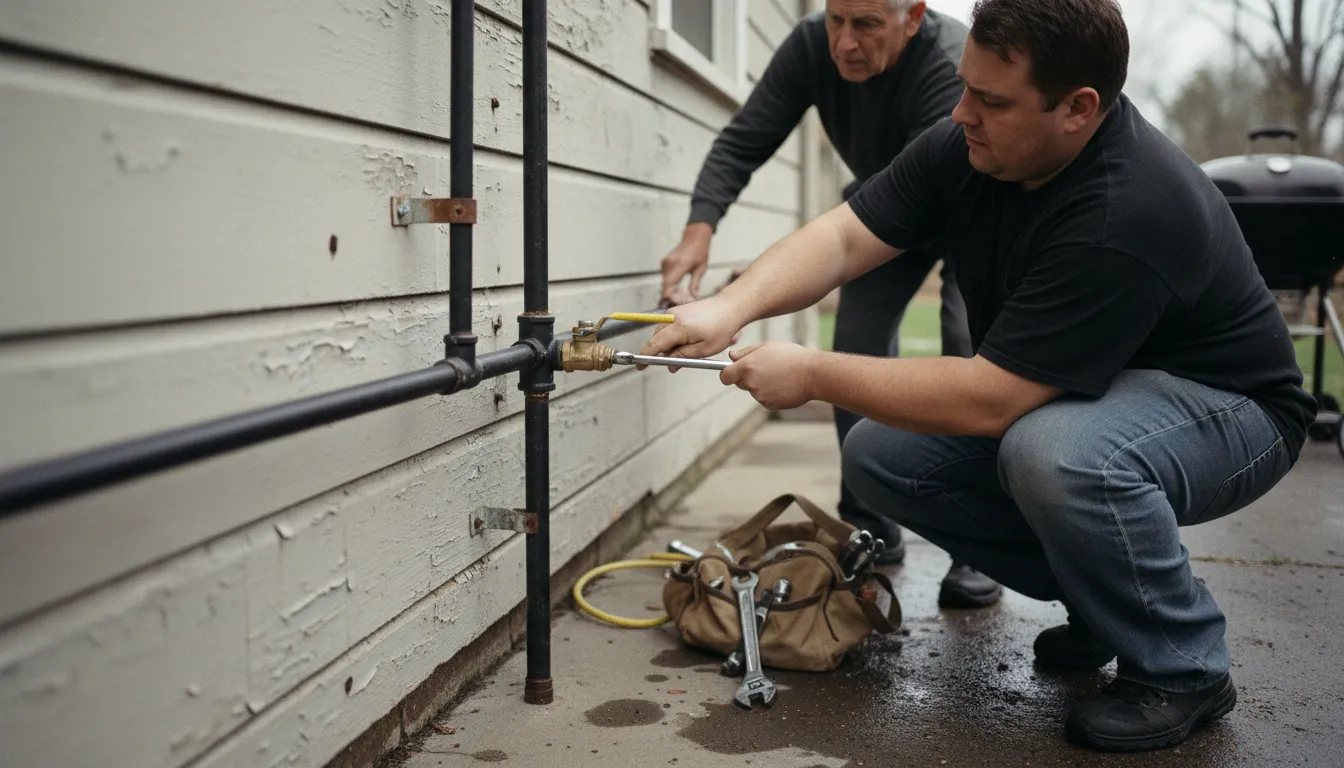
Find the Best Gas Line Plumbing Companies for Your Business
No obligation • Fast responses • Nationwide coverage

Why you can trust Search a Plumber
Search a Plumber is a leading United States resource for finding and evaluating professional plumbing services. Our team researches licensing, experience, and customer feedback to create unbiased, fact-driven overviews. Companies cannot pay to change ratings or placement, ensuring homeowners get trustworthy information.
Search providers near you
Top Gas Line Plumbing Companies in North Las Vegas, Nevada Ranked
Installing or repairing a gas line is a critical home improvement project that directly impacts the safety and functionality of your property. This work involves running piping to connect appliances like stoves, water heaters, or fireplaces to the natural gas supply. Given the inherent dangers of working with natural gas or propane, these projects are strictly regulated and must be performed to exacting local and national safety codes. For residents of North Las Vegas, navigating the requirements for permits, materials, and inspections is essential. This guide provides a detailed overview of the process, costs, and key considerations for gas line services, helping you understand what's involved in finding qualified local professionals for your project.
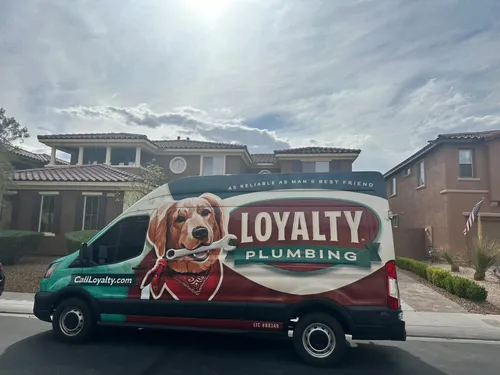
Loyalty Plumbing
8683 W Sahara Ave Suite 250, Las Vegas, NV 89117
Loyalty Plumbing is a veteran-owned plumbing company serving Las Vegas, NV, and Clark County. They provide a range of plumbing services including water heater repair and installation, tankless water heater services, drain cleaning, hydro jetting, leak detection, and gas line installation. The company uses the latest tools and techniques to ensure accurate and long-lasting repairs. Loyalty Plumbing offers same-day and emergency services, available day and night, including holidays. They are recognized for their straightforward pricing and premium warranties on every job.
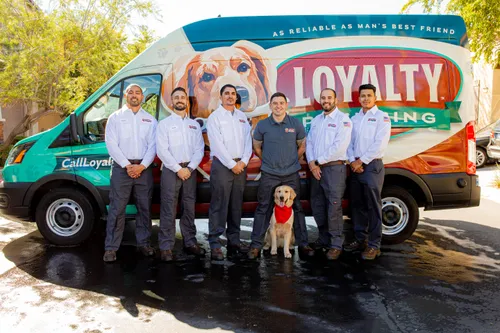
Loyalty Plumbing
6624 Brooklyn Heights St, Las Vegas, NV 89166
Loyalty Plumbing is a veteran-owned plumbing company serving Las Vegas, NV, and Clark County. They provide a range of services including water heater repair and installation, tankless water heater services, drain cleaning, hydro jetting, leak detection, and gas line installation. The company uses the latest tools and techniques to ensure accurate and lasting repairs. Loyalty Plumbing offers emergency services available day and night, including holidays, to address urgent plumbing needs promptly.
Resolution Plumbing
3065 N Rancho Dr #154, Las Vegas, NV 89130
Resolution Plumbing is a family-owned plumbing company serving Las Vegas, NV, and surrounding communities including Henderson, North Las Vegas, and Clark County. They offer a wide range of plumbing services such as drain cleaning, water heater repair and installation, leak detection, sewer line repair, hydro jetting, repiping, gas line installation, and sewer camera inspections. With decades of industry experience, Resolution Plumbing uses advanced tools and techniques to provide tailored solutions for local plumbing systems, including addressing challenges from hard water and aging pipes. They also provide same-day and emergency services to handle urgent plumbing issues promptly.
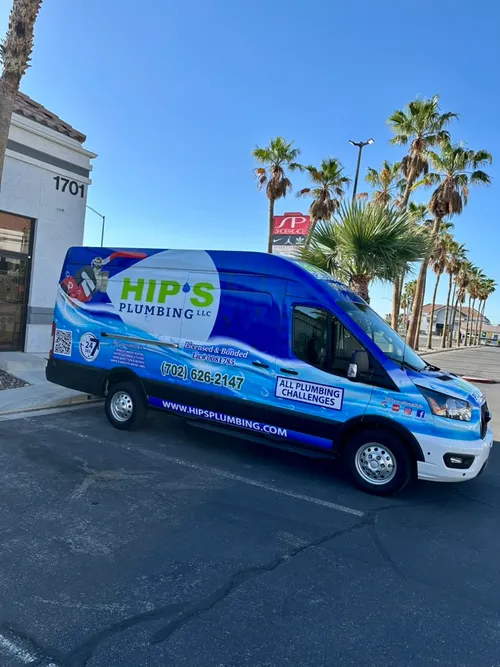
Hips Plumbing
923 S Decatur Blvd, Las Vegas, NV 89107
Hips Plumbing is a plumbing service provider based in Las Vegas, NV, offering a wide range of services including water heater repair and installation, water softener installation, drain cleaning, sewer line repair, leak detection, repiping, gas line installation, toilet repair, and garbage disposal repair. The company provides 24/7 emergency plumbing services depending on personnel availability, ensuring support during urgent situations. Hips Plumbing is known for its expertise in water heater replacement and main water line repairs, with a focus on quality workmanship and compliance with industry standards. They also offer transparent pricing and free estimates to help customers make informed decisions.
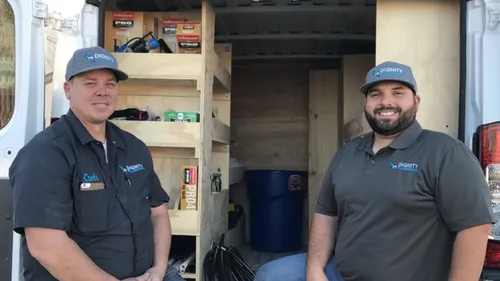
Dignity Plumbing
2915 Losee Rd #110, North Las Vegas, NV 89030
Dignity Plumbing is a licensed plumbing service provider based in Las Vegas, NV, offering a range of residential and commercial plumbing solutions. Their services include water heater repair and installation, drain cleaning, leak detection, repiping, gas line installation, toilet repair, and garbage disposal repair. They are equipped to handle emergency plumbing needs with 24/7 availability. Dignity Plumbing emphasizes honest, straightforward service without upselling, ensuring customers receive the repairs and installations they need. Their team is experienced and bilingual, serving the Las Vegas community with a commitment to quality and trust.
Understanding Gas Line Services
Gas line installation and repair encompass a range of services, from running a new line for a kitchen renovation to repairing a leak in an existing system. In North Las Vegas, this work is governed by the Clark County Building Department and the International Building Code (IBC), with local amendments. Whether you're building a new home, adding an outdoor kitchen, or switching an appliance from electric to gas, the process requires careful planning and execution by licensed experts. The primary goal is always safety-ensuring the system is leak-free, properly sized for your appliances, and installed with the correct materials and clearances.
The Critical Role of Permits and Inspections
Before any work begins, the proper permits must be secured. This is not a bureaucratic formality; it's a vital safety step that triggers mandatory inspections by the city or county.
- Who Can Pull a Permit? In Clark County, a homeowner may pull a permit for gas work only on their primary residence. For rental properties, investment homes, or any work you are not performing yourself, a licensed plumbing contractor must obtain the permit.
- The Permit Process: You or your contractor will submit plans to the Clark County Department of Building. These plans should detail the layout, materials, and appliance connections. Once approved and the permit fee is paid, work can commence.
- Mandatory Inspections: The permitting process schedules critical inspections. A rough-in inspection occurs after the pipes are run but before walls are closed or trenches are filled. A final inspection happens after all appliances are connected and the system is pressurized. Passing these inspections is legally required to certify the work is safe and up to code.
Skipping permits and inspections is illegal and extremely dangerous, risking gas leaks, fire, explosion, and voiding your homeowner's insurance.
Step-by-Step: The Professional Installation Process
A professional gas piping installation follows a meticulous sequence to ensure safety and reliability.
- Design and Planning: A technician will assess your needs, calculate the required pipe size (based on the BTU demand of all connected appliances), and create a layout. Proper design prevents pressure drops that can cause appliances to malfunction.
- Utility Location (Call 811): This is the law. Before any digging, you must call 811 to have all public underground utilities marked. This prevents accidentally striking other lines, which can be catastrophic1.
- Trenching: For underground lines, a trench is dug. Code typically requires gas lines to be buried at a minimum depth of 18 to 24 inches, though local requirements may vary 2.
- Pipe Installation: The chosen piping material-either rigid black iron pipe or flexible Corrugated Stainless Steel Tubing (CSST)-is installed according to code, with proper supports, fittings, and joint compounds.
- Pressure Testing: This is the most critical safety check. The entire system is sealed and pressurized with air (often to 10 psi or more) for a sustained period (e.g., 15 minutes). A pressure drop indicates a leak that must be found and repaired before proceeding.
- Appliance Connection: Once the pipe system passes inspection and testing, appliances can be safely connected with approved flexible connectors3.
- Final Inspection and Activation: The inspector verifies the entire installation, and upon approval, the gas utility or your contractor will activate the line.
Find the perfect gas line plumbing companies for your needs
Get personalized recommendations and expert advice
Key Materials: Black Iron vs. CSST
Choosing the right piping material is a fundamental decision in any gas line project.
- Black Iron Pipe: This is the traditional, rigid steel pipe. It is extremely durable, offers excellent fire resistance, and is often required for exposed sections or certain commercial applications. Installation is more labor-intensive, as it requires threading and fitting each joint.
- CSST (Corrugated Stainless Steel Tubing): This flexible, yellow-jacketed tubing is easier and faster to install, as it can snake through walls and joists with fewer fittings. It's popular for retrofits and renovations. It must be properly bonded and grounded to prevent damage from lightning strikes 4.
A licensed professional will recommend the best material for your specific project based on local code, the installation path, and your appliances.
Safety Codes and Best Practices You Should Know
Adherence to code isn't just about legality; it's about preventing accidents.
- Clearances: Gas lines must maintain specific distances from electrical panels, ignition sources, and other utilities.
- Ventilation: Appliances like water heaters and furnaces require adequate combustion air, which influences room design5.
- Leak Detection: Every new or repaired system must pass a pressure test. Homeowners should also know how to recognize the smell of gas (a rotten egg odor added by the utility) and know to evacuate and call 911 immediately if a leak is suspected 6.
- Professional Licensing: Always verify that any contractor you hire holds a current Nevada State Plumbing Board license and carries liability and workers' compensation insurance. This protects you if anything goes wrong 7.
Cost Factors for Gas Line Projects in North Las Vegas
The cost of gas line work is highly variable, depending on the project's scope and complexity. Understanding the factors involved helps in budgeting.
- Primary Cost Driver: Linear Footage. The single biggest factor is the length of the new pipe run. In the Las Vegas area, material and labor costs typically range from $17 to $32 or more per linear foot8 9.
- Material Costs: CSST is generally more expensive per foot than black iron pipe, but its easier installation can reduce labor costs, sometimes making the overall project price competitive.
- Labor and Complexity: Running a line through open walls in a basement is far less expensive than trenching 50 feet across a rocky yard or cutting through concrete slab. The number of appliance hookups and required wall penetrations also add labor time.
- Permits and Fees: Don't forget to factor in the cost of the required building permits and inspection fees from Clark County10 11.
- Repair vs. Installation: Simple repairs, like fixing a leak at a valve, are relatively low-cost. Major repairs that require excavation to locate and replace a corroded underground section can approach or exceed the cost of a new installation12.
Frequently asked questions
Sources
Footnotes
-
Services and mains guidelines for builders and developers - https://www.nwnatural.com/business/builders-hvac/builder-and-developer-services/services-mains-guidelines ↩
-
How Deep Are Gas Lines Buried? - J.D. Power - https://www.jdpower.com/cars/shopping-guides/how-deep-are-gas-lines-buried ↩
-
Expectations During a New Gas Line Installation for Your Home? - https://magnificentplumbing.com/new-gas-line-installation-for-your-home/ ↩
-
How to Install Natural Gas Lines Safely and Correctly - https://bluegasexpress.com/how-to-install-natural-gas-lines/ ↩
-
Frequently Asked Questions - CivicPlus.CMS.FAQ - https://www.rpvca.gov/faq.aspx?TID=40 ↩
-
Gas Test Authorization Form - Nevada Housing Division - https://housing.nv.gov/uploadedFiles/housingnewnvgov/Content/ManfHousing/PIP/PIP-206%20Gas%20Test%20form.pdf ↩
-
Professional Techniques for Gas Line Piping and Installation - https://www.frontierplumbinglv.com/blog/professional-techniques-for-gas-line-piping-and-installation ↩
-
Cost to install gas line in Las Vegas, NV - Handoff AI Estimating - https://www.handoff.ai/construction-costs/install-gas-line/las-vegas-nv ↩
-
New Gas Line Installation Cost: Natural Gas Piping Supplies & ... - https://www.superbrothers.com/new-gas-line-installation-cost-natural-gas-piping-supplies-custom-piping/ ↩
-
Gas Line Installation | Quality Plumbing - https://qualityplumbing.cc/gas-line-installation-what-homeowners-need-to-know/ ↩
-
LPG Gas Leaks & Testing Requirements Building Permit Guide - https://www.clarkcountynv.gov/adobe/assets/urn:aaid:aem:eb3dd13d-e110-4aef-bfdc-dd412db95a42/original/as/bpg063.pdf ↩
-
Gas Pipe Line Installation & Repair Services In Las Vegas - https://24plumbingservices.com/gas-pipe-line-installation-repair/ ↩