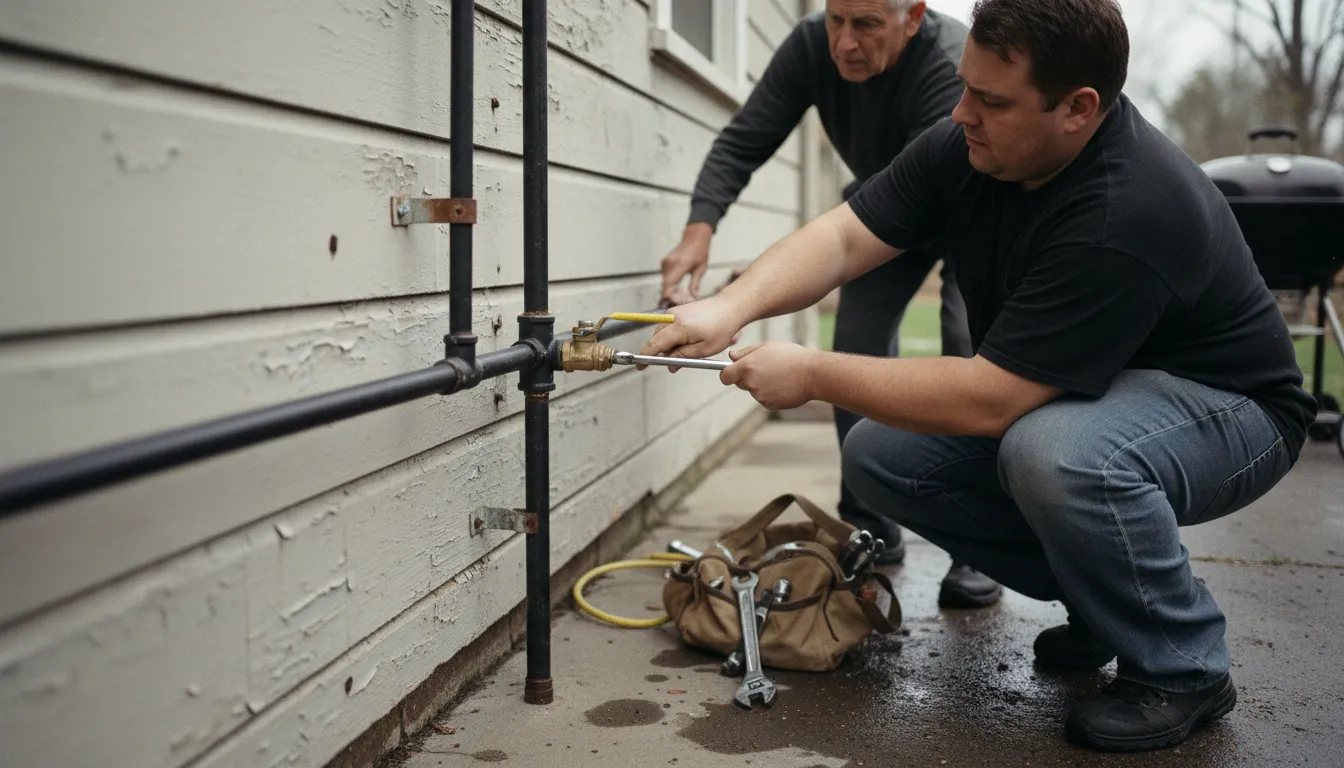
Find the Best Gas Line Plumbing Companies for Your Business
No obligation • Fast responses • Nationwide coverage

Why you can trust Search a Plumber
Search a Plumber is a leading United States resource for finding and evaluating professional plumbing services. Our team researches licensing, experience, and customer feedback to create unbiased, fact-driven overviews. Companies cannot pay to change ratings or placement, ensuring homeowners get trustworthy information.
Search providers near you
Top Gas Line Plumbing Companies in Shakopee, Minnesota Ranked
Installing or repairing a gas line is a critical home service that ensures the safe and reliable delivery of natural gas or propane to appliances like furnaces, water heaters, ranges, and fireplaces. Proper gas line work is essential for safety, efficiency, and compliance with local and state building codes. This guide provides an overview of what homeowners and businesses in Shakopee need to know about gas piping services, from permits and procedures to finding qualified local professionals to handle the job.
Good Guys Plumbing LLC
St Paul, MN
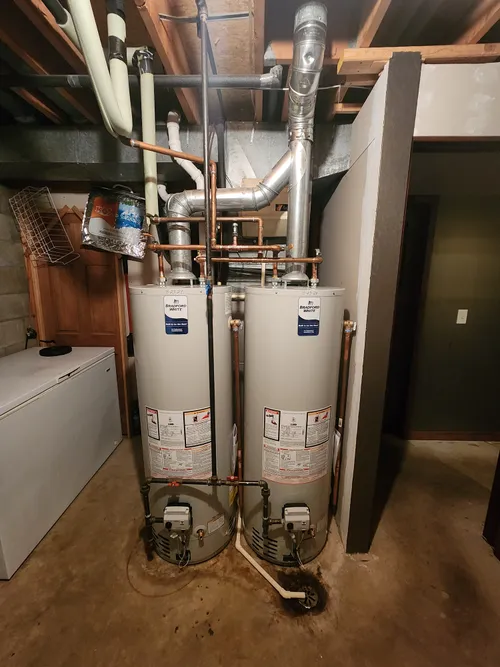
Good Guys Plumbing LLC is a family-owned plumbing company serving St Paul, MN, and nearby areas including Oakdale and Woodbury. They provide a wide range of residential plumbing services such as water heater repair and installation, sump pump repair, leak detection, gas line installation, and water softener installation. The company specializes in working with PEX, copper, and galvanized water systems and offers backflow prevention and water treatment solutions. With over a decade of experience, Good Guys Plumbing focuses on residential plumbing needs and maintaining home plumbing systems.

Pronto Heating and Air Conditioning - Minneapolis
7415 Cahill Rd, Minneapolis, MN 55439
Pronto Heating and Air Conditioning - Minneapolis provides HVAC and plumbing services in Minneapolis, MN. They offer water heater repair and installation, leak detection, and gas line installation among their plumbing services. The company is a Bryant Factory Authorized Dealer with expertise in heating, cooling, and indoor air quality systems. They serve Minneapolis and nearby communities, focusing on system maintenance, repair, and installation. Pronto Heating and Air Conditioning emphasizes prompt emergency service and offers a One Day Installation and No-Stress Guarantee for upgrades and replacements.
Erik Nelson Plumbing LLC
2617 37th Ave S, Minneapolis, MN 55406
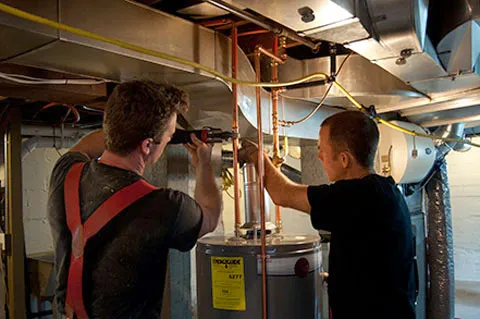
Erik Nelson Plumbing LLC is a plumbing company based in South Minneapolis serving residential customers in St Paul, MN, Minneapolis, and select suburbs. They specialize in interior residential plumbing services, including water heater repair and installation, as well as gas line installation for stoves and dryers. With 16 years of experience, their team focuses on working with older homes ranging from 60 to 120 years old, emphasizing clear communication and quality workmanship.
Kelly Plumbing & Heating, Inc.
1932 St Clair Ave, St Paul, MN 55105
Kelly Plumbing & Heating, Inc. is a family-owned plumbing and heating service provider based in St Paul, MN. Serving the Saint Paul, Minneapolis, and Twin Cities communities, they offer a wide range of services including water heater installation, sewer line repair, repiping, and gas line installation. With over 50 years of experience since 1973, they specialize in handling vintage fixtures and plumbing challenges common in older homes. The company is licensed, bonded, and insured, emphasizing quality materials and long-term solutions.
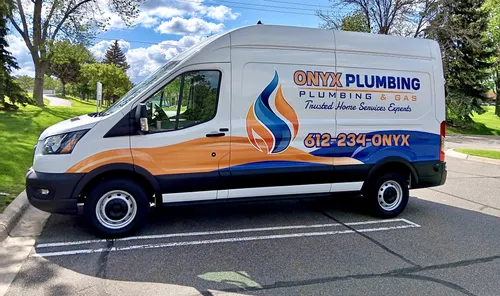
ONYX PLUMBING & GAS
6325 Cambridge St #7, Minneapolis, MN 55416
ONYX PLUMBING & GAS is a licensed and insured plumbing company based in Minneapolis, MN. They specialize in leak detection and gas line installation, serving homeowners throughout the Twin Cities metro area, including St. Louis Park, Edina, and Minnetonka. The company offers same-day emergency services and provides a full 1-year warranty on labor and parts. Founded by a master plumber, ONYX PLUMBING & GAS emphasizes transparent pricing and thorough workmanship to address plumbing needs effectively.
Understanding Gas Line Services
Gas line installation involves running new piping from the main gas supply to an appliance. This could be for a new construction project, an addition like an outdoor kitchen, or upgrading an appliance from electric to gas. Gas line repair addresses issues like leaks, corrosion, or damage to existing piping. Given the inherent risks associated with combustible gas, these tasks are not typical do-it-yourself projects. They require a deep understanding of fuel gas codes, proper materials, and safe work practices to prevent hazards such as leaks, fires, or explosions.
In Shakopee, all gas piping work must adhere to the Minnesota Fuel Gas Code and the Minnesota State Building Code. Whether you're connecting a new gas stove, installing a tankless water heater, or repairing an old line, the process is governed by strict regulations designed to protect your property and community.
The Permit and Inspection Process in Shakopee
Before any work begins, the first and most crucial step is obtaining the proper permit.
Permit Requirement: A permit is mandatory for any new gas line installation or significant repair in Shakopee. This is not a suggestion-it's a legal requirement enforced by the City of Shakopee Building Department. The permit process ensures your project is reviewed for code compliance before shovels hit the ground.
Application: Typically, your licensed plumbing contractor will handle the permit application on your behalf through the city's online ePortal system. They will submit details about the project, including the scope of work, materials to be used, and piping diagrams if necessary.
Inspections: Once the permit is issued and work is underway or completed, inspections are required. Your contractor will schedule these inspections through the same ePortal. A city inspector will visit the site to check critical phases of the work, most importantly the pressure test (or leak test). The gas line will be pressurized and monitored to ensure there are no leaks before the system is activated and covered up. Final inspection ensures all work meets the Minnesota Fuel Gas Code.
Skipping permits and inspections is risky and can lead to unsafe conditions, fines, and problems when you try to sell your home.
Key Technical Considerations for Gas Piping
A successful gas line project involves several technical details that professionals manage.
Trenching and Depth: For underground gas lines, proper trenching is vital. Codes specify minimum burial depths, often 12 to 24 inches or more, to protect the pipe from surface damage. If the line must pass under a driveway, sidewalk, or other concrete slab, the required depth increases, and the pipe must usually be sleeved (placed inside a protective conduit) for added security.
Pipe Sizing: This is a critical calculation. The gas line must be correctly sized-in terms of diameter and length-to deliver adequate gas volume and pressure to all connected appliances. An undersized line can cause appliances to run inefficiently or fail to ignite. Professionals use approved tables or engineering methods to determine the right size for your specific setup.
Pipe Materials: Not all pipes are suitable for gas. Common approved materials include:
- Black Iron Pipe: The traditional choice for indoor and protected outdoor applications, known for its durability.
- Type L Copper Tubing: Specifically, seamless copper tubing is approved for underground use in many jurisdictions, including Minnesota. It's resistant to corrosion but must be installed correctly 1.
- CSST (Corrugated Stainless Steel Tubing): A flexible, yellow-jacketed tubing often used for appliance connectors and in certain installations. It requires special fittings and knowledge to install safely.
Pressure Testing: After installation but before the trench is backfilled or walls are closed up, the entire new section of piping must undergo a pressure test. The system is sealed and pressurized with air (not gas) to a specific psi and monitored for any pressure drop, which would indicate a leak. This is a non-negotiable safety step 2 3.
Appliance Connection: The final step is safely connecting the gas line to the appliance-whether it's a furnace, dryer, range, or fire pit-using a flexible connector or approved fixed piping, and ensuring the appliance itself is properly vented according to code.
Find the perfect gas line plumbing companies for your needs
Get personalized recommendations and expert advice
The Critical Role of Licensed Professionals
Given the complexities and risks, hiring a licensed professional is not just recommended; it's the only prudent choice for most gas line projects.
Expertise and Code Knowledge: Licensed plumbers or gas fitters have the training to navigate the Minnesota Fuel Gas Code, secure permits, and schedule inspections. They understand the nuances of pipe sizing, material selection, and proper installation techniques for Shakopee's specific requirements 4.
Safety First: Professionals have the tools and expertise to perform work safely. They use gas leak detectors, perform proper pressure tests, and know how to purge air from lines safely. They also carry liability insurance, protecting you in the unlikely event something goes wrong.
Avoiding DIY Dangers: While a homeowner might feel capable of swapping a faucet, gas line work is on a different level. A small mistake in threading a pipe, tightening a fitting, or sizing the line can have catastrophic consequences. The potential cost of an error far outweighs the cost of hiring a pro from the start 5.
Cost Factors for Gas Line Work in Shakopee
The cost of gas line installation or repair can vary widely based on the project's scope. National data suggests an average range of $271 to $936 for a standard gas line run, with an average cost around $598 6. In Shakopee, several local factors influence the final price:
- Project Complexity: A simple above-ground line to a nearby appliance costs less than a long underground run that requires extensive trenching.
- Trenching Challenges: Digging under a driveway, patio, or through rocky soil adds significant labor and equipment time to the project.
- Pipe Length and Material: Longer runs require more materials and labor. The choice between black iron, copper, or CSST also affects material costs.
- Appliance Connections: The number and type of appliances being connected (e.g., a high-BTU furnace vs. a gas fireplace) influence the required pipe size and labor.
- Permit and Inspection Fees: These are typically factored into the contractor's quote but are a necessary part of the project cost 7.
The most accurate way to determine cost is to get detailed estimates from two or three licensed local plumbing contractors who can assess your specific site.
Maintaining Your Gas System
Once your new gas line is installed, periodic awareness is key to long-term safety. Be alert for the smell of rotten eggs (the odorant added to natural gas), listen for hissing sounds near gas pipes, and watch for dead vegetation in otherwise green lawns, which can indicate an underground leak. Have gas appliances serviced regularly according to manufacturer guidelines. If you ever suspect a leak, leave the area immediately and call 911 or your gas utility from a safe distance.
Frequently asked questions
Sources
Footnotes
-
GAS LINE INSTALLATION GUIDELINES - Scott County - https://www.scottcountymn.gov/DocumentCenter/View/21745/Gas-Line-PDF ↩
-
Gas Line Installation and Repair in Chaska and Shakopee, MN - https://www.crimsoncopper.com/gas-line-repair/ ↩
-
Underground Gas Line - GasGuys.ca Inc. - https://www.gasguys.ca/underground-gas-lines/ ↩
-
Gas Piping Repair and Installation in Chaska and Shakopee ... - https://www.crimsoncopper.com/gas-piping-repair-and-installation/ ↩
-
Gas & Propane Line Installation - Minnesota Plumbing - https://minnesotaplumbingllc.com/plumbing-services/gas-propane-line-installation/ ↩
-
How Much Does It Cost to Install a Gas Line? [2025 Data] - https://www.homeadvisor.com/cost/plumbing/install-or-repair-gas-pipes/ ↩
-
Building Permits & Inspections - City of Shakopee - https://www.shakopeemn.gov/business_development/building_permits_inspections/index.php ↩