Find the Best Gas Line Plumbing Companies for Your Business
No obligation • Fast responses • Nationwide coverage

Why you can trust Search a Plumber
Search a Plumber is a leading United States resource for finding and evaluating professional plumbing services. Our team researches licensing, experience, and customer feedback to create unbiased, fact-driven overviews. Companies cannot pay to change ratings or placement, ensuring homeowners get trustworthy information.
Search providers near you
Top Gas Line Plumbing Companies in Minneapolis, Minnesota Ranked
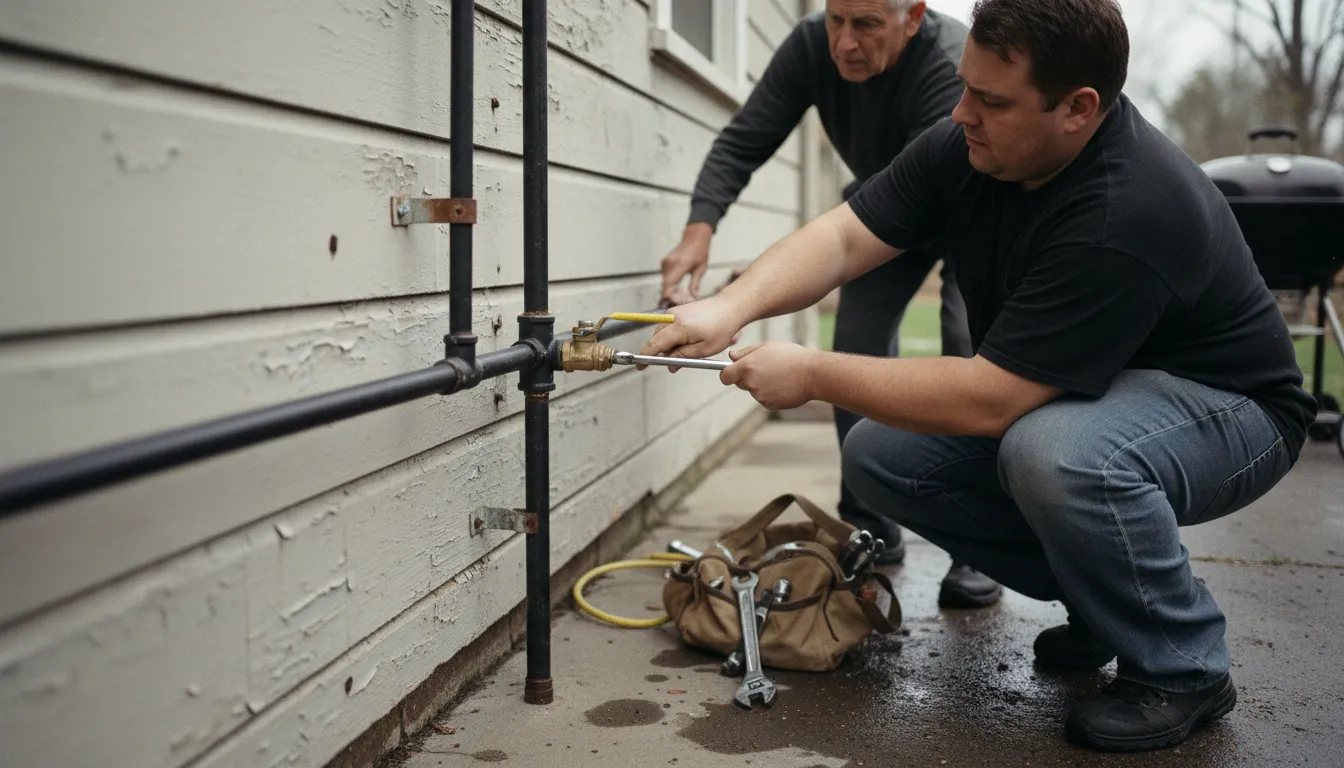
Connecting your home to natural gas for a new furnace, stove, or fireplace is a significant upgrade that requires precision and expertise. Gas line work involves high-pressure systems where safety and strict adherence to local codes are non-negotiable. This guide explains the critical steps, regulations, and considerations for installing or repairing natural gas piping in Minneapolis, helping you understand the process and connect with qualified local professionals who can ensure the job is done safely and correctly.
Good Guys Plumbing LLC
St Paul, MN
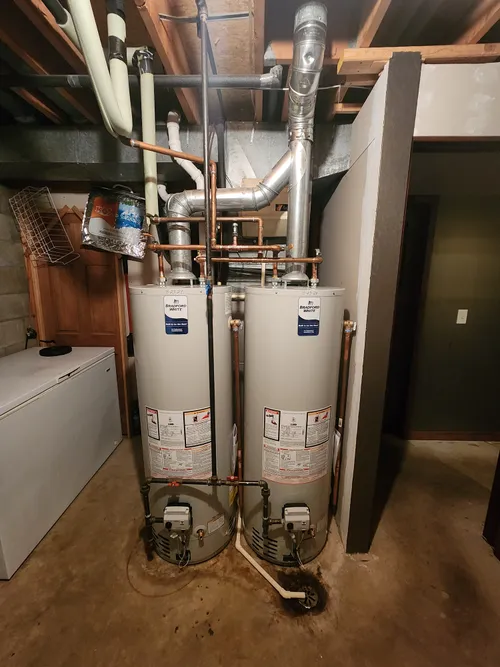
Good Guys Plumbing LLC is a family-owned plumbing company serving St Paul, MN, and nearby areas including Oakdale and Woodbury. They provide a wide range of residential plumbing services such as water heater repair and installation, sump pump repair, leak detection, gas line installation, and water softener installation. The company specializes in working with PEX, copper, and galvanized water systems and offers backflow prevention and water treatment solutions. With over a decade of experience, Good Guys Plumbing focuses on residential plumbing needs and maintaining home plumbing systems.

Pronto Heating and Air Conditioning - Minneapolis
7415 Cahill Rd, Minneapolis, MN 55439
Pronto Heating and Air Conditioning - Minneapolis provides HVAC and plumbing services in Minneapolis, MN. They offer water heater repair and installation, leak detection, and gas line installation among their plumbing services. The company is a Bryant Factory Authorized Dealer with expertise in heating, cooling, and indoor air quality systems. They serve Minneapolis and nearby communities, focusing on system maintenance, repair, and installation. Pronto Heating and Air Conditioning emphasizes prompt emergency service and offers a One Day Installation and No-Stress Guarantee for upgrades and replacements.
Erik Nelson Plumbing LLC
2617 37th Ave S, Minneapolis, MN 55406
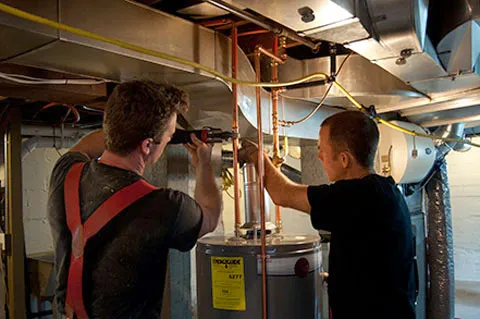
Erik Nelson Plumbing LLC is a plumbing company based in South Minneapolis serving residential customers in St Paul, MN, Minneapolis, and select suburbs. They specialize in interior residential plumbing services, including water heater repair and installation, as well as gas line installation for stoves and dryers. With 16 years of experience, their team focuses on working with older homes ranging from 60 to 120 years old, emphasizing clear communication and quality workmanship.
Kelly Plumbing & Heating, Inc.
1932 St Clair Ave, St Paul, MN 55105
Kelly Plumbing & Heating, Inc. is a family-owned plumbing and heating service provider based in St Paul, MN. Serving the Saint Paul, Minneapolis, and Twin Cities communities, they offer a wide range of services including water heater installation, sewer line repair, repiping, and gas line installation. With over 50 years of experience since 1973, they specialize in handling vintage fixtures and plumbing challenges common in older homes. The company is licensed, bonded, and insured, emphasizing quality materials and long-term solutions.
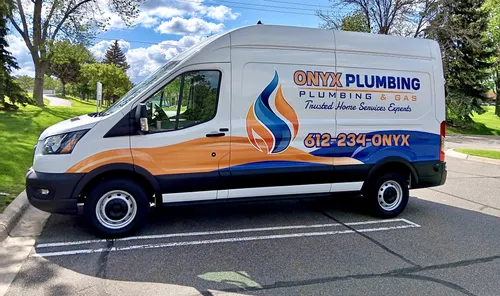
ONYX PLUMBING & GAS
6325 Cambridge St #7, Minneapolis, MN 55416
ONYX PLUMBING & GAS is a licensed and insured plumbing company based in Minneapolis, MN. They specialize in leak detection and gas line installation, serving homeowners throughout the Twin Cities metro area, including St. Louis Park, Edina, and Minnetonka. The company offers same-day emergency services and provides a full 1-year warranty on labor and parts. Founded by a master plumber, ONYX PLUMBING & GAS emphasizes transparent pricing and thorough workmanship to address plumbing needs effectively.
Understanding Gas Piping Systems
Natural gas is delivered to your home via a main service line from the utility company. From the meter, customer-owned piping carries the gas to individual appliances like your water heater, furnace, range, or dryer. This internal network can be constructed from several approved materials. Traditional black iron pipe is durable and commonly used for exposed runs, while flexible Corrugated Stainless Steel Tubing (CSST) is often used for branch lines in tight spaces. The choice of material and the design of the entire system must comply with the Minnesota State Plumbing Code and local amendments to ensure safe operation and proper appliance performance.
Why Professional Installation is Mandatory
Working with natural gas lines is not a do-it-yourself project. The risks of an improper installation are severe, including gas leaks, fire, explosions, and carbon monoxide poisoning. In Minneapolis, all gas piping work must be performed by a licensed plumbing contractor. These professionals have the training to properly size pipes, use correct fittings, pressure test the system, and install essential safety components like shutoff valves. They also manage the complex permitting and inspection process required by law. Hiring a licensed pro is your guarantee that the installation will meet all safety standards.
The Step-by-Step Installation Process
A professional gas line installation follows a meticulous sequence to ensure safety and code compliance.
- Utility Locate (Call 811): Before any digging, your contractor will contact Gopher State One Call. This free service notifies all utility companies to mark the location of their underground lines (gas, electric, water, etc.) on your property. Minnesota law requires this to be done at least two full business days before excavation begins to prevent damaging existing infrastructure and causing dangerous accidents 1.
- Permit Application: Your licensed contractor will apply for the necessary plumbing permit from the City of Minneapolis or the Minnesota Department of Labor and Industry (DLI), depending on the project scope. This formal step ensures the planned work is reviewed for code compliance before it starts.
- Excavation & Trenching: A trench is dug from the gas meter to the point of entry into your home and potentially to appliance locations. The depth and complexity of this trench significantly impact the project's cost, especially if it involves cutting through concrete, navigating rocky soil, or restoring landscaping 2.
- Piping Installation: Approved piping is laid in the trench and run through your home. Connections are made using specialized techniques and compounds to ensure a perfect seal. Shutoff valves are installed at strategic points so gas can be safely isolated to individual appliances 3.
- Pressure Testing: Once the system is connected, the contractor conducts a pressure test. This involves sealing the system and pressurizing it with air (often to 25 psig) for a set period (e.g., 30 minutes) to confirm there are no leaks 4.
- Inspection: A city or state inspector visits the site to examine the work, verify the pressure test results, and ensure all code requirements are met. This inspection is mandatory before the trench can be backfilled or walls closed up.
- Backfill & Restoration: After passing inspection, the trench is carefully backfilled, and any disturbed landscaping, flooring, or walls are restored to their original condition.
Find the perfect gas line plumbing companies for your needs
Get personalized recommendations and expert advice
Permits, Inspections, and Minnesota Regulations
Navigating local regulations is a core part of any gas line project. In Minneapolis, a permit is required for all gas line installation and repair work. Your contractor will handle this process, which involves submitting detailed plans and paying a fee. The permit triggers the required inspections at critical phases of the job. The Minnesota Department of Labor and Industry sets the statewide plumbing code, which Minneapolis follows, covering everything from pipe material specifications to proper venting for appliances. Failure to obtain permits and pass inspections can result in fines, voided warranties, and serious safety hazards, and it can complicate future home sales5 6.
Cost Factors for Gas Line Projects
The cost of installing or repairing a gas line in Minneapolis is highly variable and depends on several key factors. A common baseline is $15 to $25 or more per linear foot for the piping and basic labor, not including permits, trenching, or restoration.
- Project Scope: Running a simple line for a new kitchen range will cost less than a complex installation for a pool heater, outdoor kitchen, or fireplace conversion, which can range from $350 to over $5,500.
- Trenching & Excavation: This is often the most significant variable. A shallow trench through soft soil may cost a few hundred dollars, while digging through frozen ground, rock, or under driveways and sidewalks can increase costs dramatically, potentially reaching $10,000 or more 7.
- Materials: The type and diameter of pipe (black iron vs. CSST) and the number of fittings and shutoff valves needed will affect material costs.
- Permits & Inspections: Fees for permits and required inspections typically add between $50 and $300 to the total project cost8 9.
- Repairs vs. New Installation: Repairing a section of leaking pipe may be less expensive than a full new run, but costs still depend on accessibility and length, often falling in that $15-$25 per foot range for the repair work itself10.
Reputable local companies often provide upfront, detailed estimates after a thorough assessment of your specific site and needs.
Recognizing and Responding to Gas Line Issues
Safety is paramount when dealing with existing gas lines. Know the signs of a potential leak:
- Smell: The distinctive "rotten egg" odor (from added mercaptan).
- Sound: A hissing or whistling noise near a gas line or appliance.
- Sight: Unusual dead or discolored vegetation in an otherwise green area over a buried line, or visible blowing dirt or bubbles in standing water.
If you suspect a leak, leave the area immediately, avoid creating sparks (don't flip switches or use phones), and call 911 and your gas utility from a safe distance. For non-emergency concerns, scheduling a diagnostic visit from a licensed plumber for a pressure test and inspection can provide peace of mind 11.
Choosing the Right Professional in Minneapolis
Selecting a contractor is the most important decision you'll make. Always verify that the plumber holds a valid Minnesota state plumbing license. Ask for proof of insurance and look for established local companies with strong reputations for safety and quality workmanship. They should be fully familiar with Minneapolis and DLI permit procedures, the 811 call process, and local code amendments. A trustworthy professional will provide a clear, written estimate, outline the permit timeline, and explain each step of the process without hesitation 12.
Frequently asked questions
Sources
Footnotes
-
Natural Gas Main Installation Guidelines - CenterPoint Energy - https://www.centerpointenergy.com/en-us/Services/Pages/natural-gas-main-installation-guidelines-MN.aspx?sa=MN&au=bus ↩
-
Local Gas Line Installation In St Paul, MN - McQuillan Bros - https://mcquillanbros.com/plumbing-services/gas-line-installation/ ↩
-
GAS LINE INSTALLATION GUIDELINES - Scott County - https://www.scottcountymn.gov/DocumentCenter/View/21745/Gas-Line-PDF ↩
-
How to Install Natural Gas Lines Safely and Correctly - https://bluegasexpress.com/how-to-install-natural-gas-lines/ ↩
-
Customer-Owned Natural Gas Piping - Minnesota Energy Resources - https://www.minnesotaenergyresources.com/safety/customer-owned-natural-gas-piping ↩
-
Plumbing Permits - City of Minneapolis - https://www.minneapolismn.gov/business-services/licenses-permits-inspections/construction-permits/permits-overview/permit-types/plumbing-permits/ ↩
-
Cost to install gas line in Minneapolis, MN - https://www.handoff.ai/construction-costs/install-gas-line/minneapolis-mn ↩
-
How Much Do Gas Line Installation or Repairs Cost? [2026 ... - https://www.angi.com/articles/what-average-cost-85-run-natural-gas-line.htm ↩
-
Plumbing permits and inspection fees - https://www.dli.mn.gov/business/plumbing-contractors/plumbing-permits-and-inspection-fees ↩
-
Gas Line Installation | Bonfe Plumbing, Heating, Cooling ... - https://bonfe.com/plumbing-services/gas-line-installation/ ↩
-
New Gas Line Installation Cost: Natural Gas Piping Supplies & ... - https://www.superbrothers.com/new-gas-line-installation-cost-natural-gas-piping-supplies-custom-piping/ ↩
-
Gas Line Repairs and Installations: What Homeowners Need ... - https://zeekplumbing.com/gas-line-repairs-and-installations-what-homeowners-need-to-know/ ↩