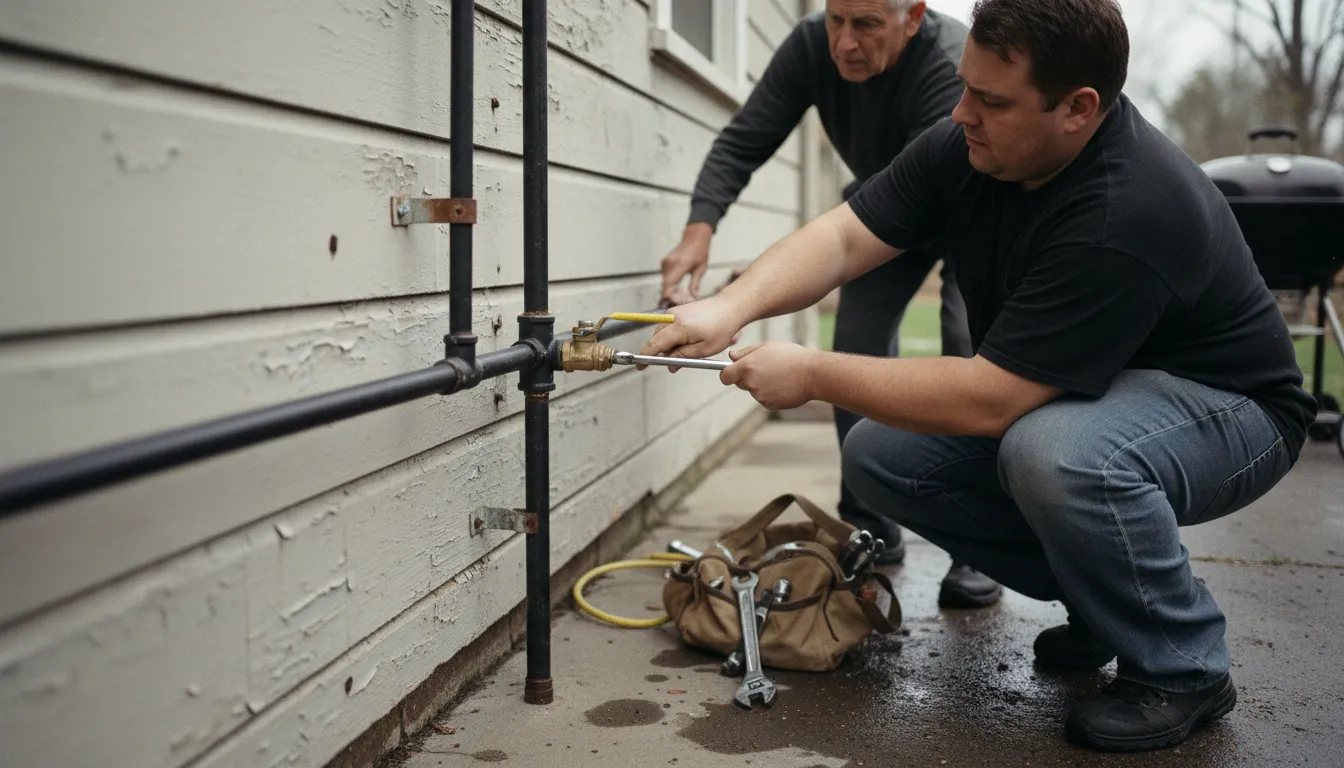
Find the Best Gas Line Plumbing Companies for Your Business
No obligation • Fast responses • Nationwide coverage

Why you can trust Search a Plumber
Search a Plumber is a leading United States resource for finding and evaluating professional plumbing services. Our team researches licensing, experience, and customer feedback to create unbiased, fact-driven overviews. Companies cannot pay to change ratings or placement, ensuring homeowners get trustworthy information.
Search providers near you
Top Gas Line Plumbing Companies in Burnsville, Minnesota Ranked
Connecting your home to natural gas or ensuring your existing gas piping is safe and up to code is a critical project for any homeowner. Gas line installation and repair involves running pipes from the main utility line to your appliances, such as furnaces, water heaters, stoves, and fireplaces. This work is essential for safety, efficiency, and home value, but it must be performed with precision and strict adherence to local and state regulations. For Burnsville residents, navigating permits, material choices, and finding qualified professionals is key to a successful and safe outcome. This guide will help you understand the process, costs, and important considerations for your gas piping project in Burnsville.
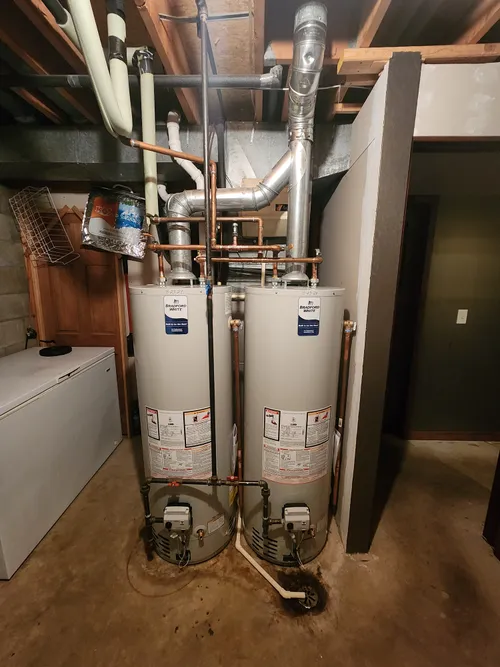
Good Guys Plumbing LLC
St Paul, MN
Good Guys Plumbing LLC is a family-owned plumbing company serving St Paul, MN, and nearby areas including Oakdale and Woodbury. They provide a wide range of residential plumbing services such as water heater repair and installation, sump pump repair, leak detection, gas line installation, and water softener installation. The company specializes in working with PEX, copper, and galvanized water systems and offers backflow prevention and water treatment solutions. With over a decade of experience, Good Guys Plumbing focuses on residential plumbing needs and maintaining home plumbing systems.

Pronto Heating and Air Conditioning - Minneapolis
7415 Cahill Rd, Minneapolis, MN 55439
Pronto Heating and Air Conditioning - Minneapolis provides HVAC and plumbing services in Minneapolis, MN. They offer water heater repair and installation, leak detection, and gas line installation among their plumbing services. The company is a Bryant Factory Authorized Dealer with expertise in heating, cooling, and indoor air quality systems. They serve Minneapolis and nearby communities, focusing on system maintenance, repair, and installation. Pronto Heating and Air Conditioning emphasizes prompt emergency service and offers a One Day Installation and No-Stress Guarantee for upgrades and replacements.
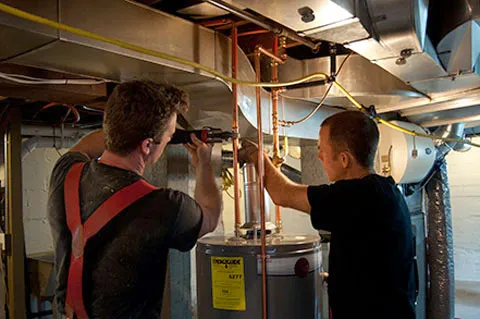
Erik Nelson Plumbing LLC
2617 37th Ave S, Minneapolis, MN 55406
Erik Nelson Plumbing LLC is a plumbing company based in South Minneapolis serving residential customers in St Paul, MN, Minneapolis, and select suburbs. They specialize in interior residential plumbing services, including water heater repair and installation, as well as gas line installation for stoves and dryers. With 16 years of experience, their team focuses on working with older homes ranging from 60 to 120 years old, emphasizing clear communication and quality workmanship.
Kelly Plumbing & Heating, Inc.
1932 St Clair Ave, St Paul, MN 55105
Kelly Plumbing & Heating, Inc. is a family-owned plumbing and heating service provider based in St Paul, MN. Serving the Saint Paul, Minneapolis, and Twin Cities communities, they offer a wide range of services including water heater installation, sewer line repair, repiping, and gas line installation. With over 50 years of experience since 1973, they specialize in handling vintage fixtures and plumbing challenges common in older homes. The company is licensed, bonded, and insured, emphasizing quality materials and long-term solutions.
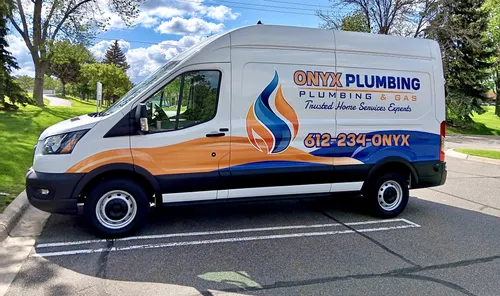
ONYX PLUMBING & GAS
6325 Cambridge St #7, Minneapolis, MN 55416
ONYX PLUMBING & GAS is a licensed and insured plumbing company based in Minneapolis, MN. They specialize in leak detection and gas line installation, serving homeowners throughout the Twin Cities metro area, including St. Louis Park, Edina, and Minnetonka. The company offers same-day emergency services and provides a full 1-year warranty on labor and parts. Founded by a master plumber, ONYX PLUMBING & GAS emphasizes transparent pricing and thorough workmanship to address plumbing needs effectively.
Understanding Gas Piping Systems
A residential gas piping system is a network of pipes that delivers natural gas or propane from the utility meter to the appliances in your home. In Burnsville, most homes are serviced by Xcel Energy's natural gas mains. The system begins at the service line, which is typically owned and maintained by the utility up to a certain point, often at the property line or meter. From there, the private fuel line runs to your home and branches off to various fixtures.
The integrity of this entire system is paramount. Even a small leak can pose serious risks, which is why all work-from a simple extension for a new grill to a full house line replacement-must be performed to exacting safety standards. Understanding the components, from the meter to the appliance shut-off valve, is the first step in planning any gas line project.
The Critical Role of Permits and Inspections in Burnsville
Before any pipe is laid or connection is made, securing the proper permits is a non-negotiable first step. The City of Burnsville requires plumbing permits for all new gas lines, extensions, or any changes to existing gas fixtures. This includes projects like installing a new gas line for a water heater, fireplace, or stove. The permit process ensures your project plan is reviewed for compliance with the Minnesota State Plumbing Code and local amendments.
Why Permits are Mandatory:
- Safety Verification: The primary goal is to ensure the installation is safe for you, your family, and your neighbors.
- Code Compliance: It verifies that the materials, pipe sizing, and installation methods meet current safety codes.
- Official Record: It creates a record of the work done on your property, which can be important for future sales or renovations.
- Required Inspections: A permit triggers the necessary city inspections at critical phases of the project.
The inspection process is a crucial safety checkpoint. A city inspector will examine the installed piping before it is covered or put into service, checking for proper materials, secure fittings, adequate support, and correct pressure. Only after a final inspection is passed can the gas line be safely activated.
Step-by-Step Guide to Gas Line Installation
A professional gas line installation follows a meticulous sequence to ensure safety and longevity. Here's what you can expect when you hire a licensed professional in Burnsville.
1. Planning and Design
A qualified plumber will start by assessing your needs. This includes mapping the route from the gas meter to the new appliance, calculating the total BTU (British Thermal Unit) load to determine the correct pipe diameter, and selecting the appropriate approved materials for the job. Proper planning prevents issues like low gas pressure at appliances.
2. Securing Permits
Your plumbing contractor will typically pull the required permits from the City of Burnsville on your behalf 1. If the work involves the utility service line (from the main to the meter), coordination with Xcel Energy is also required, as they manage permits for their infrastructure.
3. Excavation and Trenching
For underground lines, excavation is necessary. Trenches must be dug to a specific depth (often below the frost line in Minnesota) to protect the pipe from freezing and physical damage 2. This is often the most disruptive and costly part of the process, especially if it involves cutting through driveways, sidewalks, or established landscaping.
4. Pipe Installation and Connection
The approved piping is laid in the trench or run through interior spaces. Each connection-whether threaded, flared, or compressed-must be made precisely. For indoor sections, pipes are securely fastened to joists or walls. The plumber will install necessary shut-off valves at the meter and at each appliance for safety and maintenance.
5. Pressure Testing
This is the most critical safety test. The entire new section of pipe is sealed and pressurized with air or an inert gas to a level higher than normal operating pressure. The system is then monitored for a set period. Any drop in pressure indicates a leak that must be found and repaired before proceeding. A proper pressure test is non-negotiable for a safe installation.
6. Final Inspection and Backfill
Once the plumber confirms the system is leak-free, a city inspector is called for the final inspection. After approval, underground trenches can be backfilled. The utility company (Xcel) will then perform their own connection and meter seal if the service line was involved.
Find the perfect gas line plumbing companies for your needs
Get personalized recommendations and expert advice
Approved Materials and Safety Codes
Minnesota plumbing code dictates which materials can be used for gas lines. Using unapproved materials is illegal and extremely dangerous.
- Black Iron Pipe: This is the traditional, rigid steel pipe used for both indoor and outdoor applications. It is highly durable and is connected using threaded fittings. It's commonly used for exposed runs in basements or garages.
- CSST (Corrugated Stainless Steel Tubing): This is a flexible, yellow-jacketed tubing that has become very popular. It is easier and faster to install than rigid pipe, especially in retrofit situations where running black iron would be difficult. It must be properly bonded and grounded to prevent electrical damage.
- Copper Tubing: In some specific applications and with certain types of gas, copper may be used, but it is less common for natural gas in modern residential installations and must be explicitly approved for the specific fuel type.
Safety codes govern every aspect: the depth of burial, clearance from electrical lines, support spacing, the type of fittings, and the placement of sediment traps (drip legs) at appliances. A licensed plumber is trained in these codes and ensures your installation is not just functional, but fully compliant 3 4 5.
Cost Factors for Gas Line Work in Burnsville
The cost of installing or repairing a gas line is highly variable. According to industry data, the national average for a basic gas line installation is around $598, with typical projects ranging from $271 to $936. However, in Burnsville, several local factors can significantly influence the final price.
- Trenching and Excavation: This is the single biggest cost variable. Digging a trench across a yard, especially if it requires breaking through concrete, navigating rocky soil, or restoring landscaping, can add $1,500 to $5,000 or more to the project 6 7. Xcel Energy also charges for trenching if they are installing the service line, with rates like $8.90 per foot, plus additional fees for winter work or installing a protective sleeve 8.
- Length and Complexity: The longer the pipe run and the more fittings, elbows, and obstacles (like walls or floors) that must be penetrated, the higher the labor and material cost.
- Pipe Material: CSST material is often more expensive per foot than black iron, but its easier installation can sometimes reduce labor costs, potentially balancing the overall price.
- Permit Fees: The City of Burnsville charges permit fees based on the job's valuation, which is a factor to consider in your budget 9.
- Repair vs. New Installation: Simple repairs to an accessible section of pipe are generally less expensive than a completely new line run.
Always get detailed, written estimates from multiple licensed plumbers that break down material, labor, permit, and restoration costs.
Choosing the Right Professional
This is not a DIY project. Gas line work requires specialized knowledge, tools, and licensing. When searching for a professional in Burnsville, ensure they are:
- Licensed: Hold a current Minnesota plumbing license.
- Insured: Carry both liability and worker's compensation insurance.
- Experienced: Have specific, proven experience with gas piping systems.
- Local Knowledge: Familiar with Burnsville permit processes and inspection requirements.
- Reputable: Willing to provide references and has positive reviews from past clients.
A true professional will insist on pulling permits, will perform a thorough pressure test, and will not leave the job until the city inspection is passed. They are your partner in ensuring the safety and reliability of your home's gas system.
Frequently asked questions
Sources
Footnotes
-
Plumbing Permit | Burnsville, MN - Official Website - https://burnsvillemn.gov/1353/Plumbing-Permit ↩
-
Gas Line Installation Cost: 2023 Guide - Super Brothers - https://www.superbrothers.com/gas-line-installation-cost-2023-guide/ ↩
-
Gas Line Installation Service in Burnsville,MN - Chimcare - https://www.chimcare.com/location/gas-line-installation-service-in-burnsville-mn/ ↩
-
Gas & Propane Line Installation - Minnesota Plumbing - https://minnesotaplumbingllc.com/plumbing-services/gas-propane-line-installation/ ↩
-
Essential Guide to Gas Line Installation: Tips and Safety ... - https://gaeberly.com/gas-line-installation/ ↩
-
How Much Does It Cost to Install a Gas Line? [2025 Data] - https://www.homeadvisor.com/cost/plumbing/install-or-repair-gas-pipes/ ↩
-
How Much Do Gas Line Installation or Repairs Cost? [2026 ... - https://www.angi.com/articles/what-average-cost-85-run-natural-gas-line.htm ↩
-
SERVICE GUIDE - Xcel Energy - https://www.xcelenergy.com/staticfiles/xe-responsive/MN%20ND%20SD%20Service%20Guide%20Updated.pdf ↩
-
Permit Fee - Burnsville, MN - https://www.burnsvillemn.gov/DocumentCenter/View/376 ↩