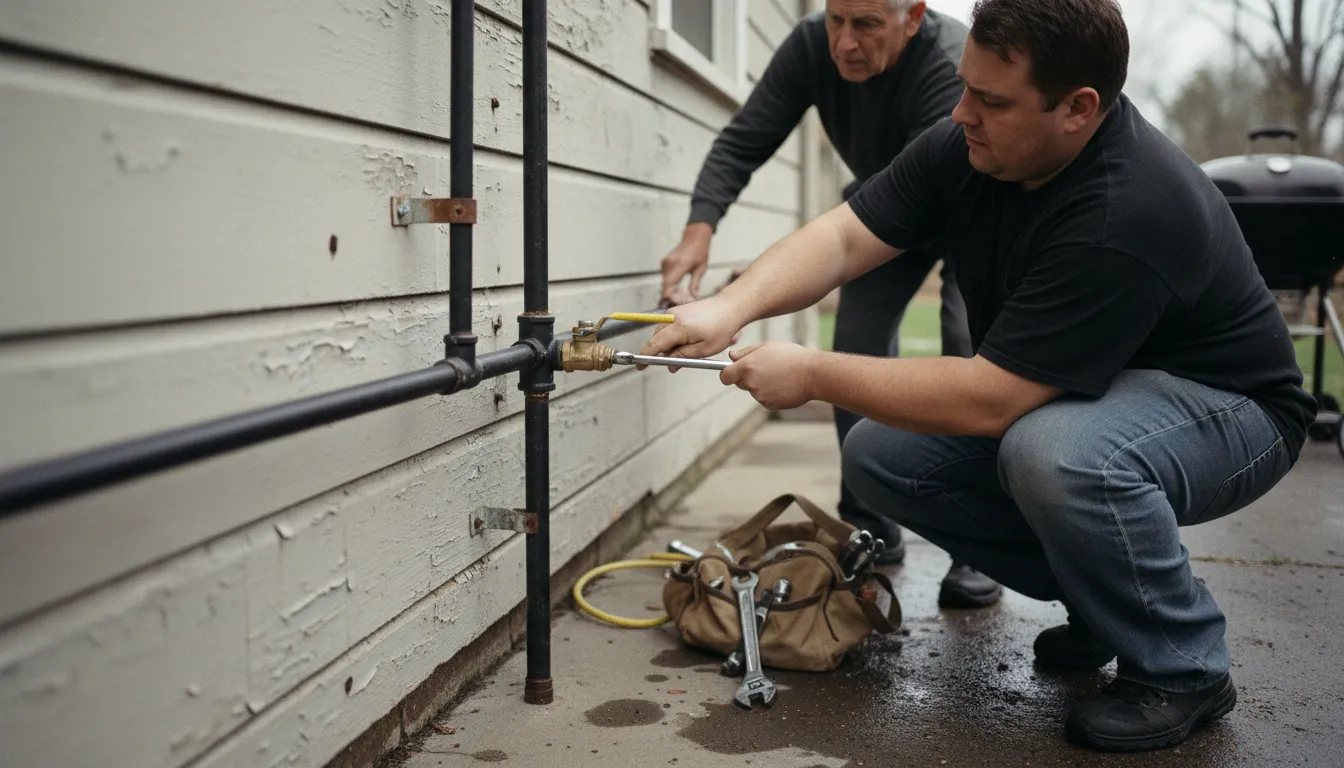
Find the Best Gas Line Plumbing Companies for Your Business
No obligation • Fast responses • Nationwide coverage

Why you can trust Search a Plumber
Search a Plumber is a leading United States resource for finding and evaluating professional plumbing services. Our team researches licensing, experience, and customer feedback to create unbiased, fact-driven overviews. Companies cannot pay to change ratings or placement, ensuring homeowners get trustworthy information.
Search providers near you
Top Gas Line Plumbing Companies in Warren, Michigan Ranked
Connecting your home or business to natural gas requires specialized expertise to ensure safety, reliability, and compliance with local codes. Gas line installation and repair involves running approved piping from the utility meter to your appliances, a critical project that must be handled by licensed professionals. This resource is designed to help you understand the process, requirements, and key considerations for gas piping work in Warren, so you can confidently connect with qualified local specialists for your project.
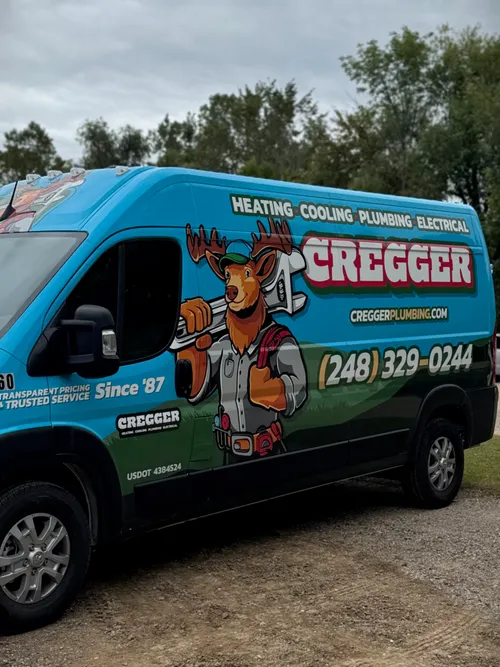
Cregger Plumbing, Heating & Cooling
2335 Goodrich St, Ferndale, MI 48220
Cregger Plumbing, Heating & Cooling is a third-generation, locally operated plumbing and HVAC company serving Detroit, MI. They provide a wide range of services including water heater repair and installation, sump pump repair, drain cleaning, hydro jetting, leak detection, gas line installation, toilet repair, and garbage disposal repair. The company is known for its licensed and insured plumbers who offer 24/7 emergency plumbing services to address urgent issues at any time. Established in 1987, Cregger Plumbing has built a reputation for transparent pricing and community involvement.
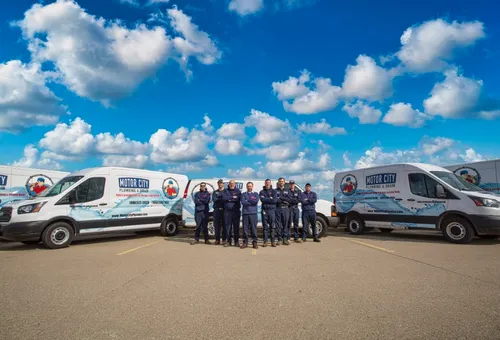
Motor City Plumbing and Drain
30367 Gratiot Ave, Roseville, MI 48066
Motor City Plumbing and Drain is a plumbing service provider based in Detroit, MI. They offer a wide range of plumbing services including sewer camera inspections, water heater repair and installation, sump pump repair, drain cleaning, hydro jetting, sewer line repair, leak detection, repiping, gas line installation, and toilet repair. The company is known for its use of advanced techniques such as hydro jetting and sewer camera inspections to diagnose and resolve plumbing issues efficiently. Motor City Plumbing and Drain has built a reputation for thorough and professional service, with many customers noting the expertise and clear communication of their technicians. They serve residential and commercial clients in the Detroit area and emphasize customer education and transparency throughout their work.
Detroit Furnace LLC
31313 Kendall, Fraser, MI 48026
Detroit Furnace LLC provides comprehensive plumbing and HVAC services in Detroit, MI. Their offerings include water heater repair and installation, drain cleaning, sewer line repair, leak detection, repiping, gas line installation, toilet repair, and garbage disposal repair. The company serves the Detroit Metro area and is equipped to handle a wide range of plumbing and heating needs with skilled technicians. They offer 24/7 emergency service and support all brands and models. Detroit Furnace LLC is known for its commitment to proper installation and maintenance, including a "no lemon" guarantee for heating systems maintained by their team.
5 Star Plumbing
23561 Van Born Rd, Taylor, MI 48180
5 Star Plumbing is a plumbing service provider based in Detroit, MI, offering a wide range of plumbing solutions including water heater repair and installation, sump pump repair, drain cleaning, gas line installation, toilet repair, and garbage disposal repair. With over 40 years of experience since 1982, the company combines skilled workmanship with personalized service to handle projects of all sizes. Their team recently expanded in 2024, enhancing their capabilities while maintaining a commitment to quality and customer satisfaction.
Warm or Breezy Heating & Cooling
20417 Hunt Club Dr, Harper Woods, MI 48225
Warm or Breezy Heating & Cooling is a heating and cooling service provider based near Detroit, MI, serving residential, business, and municipal customers in the east-side Metro Detroit area. They offer repair and installation services for HVAC systems, boilers, water heaters, gas lines, and related components. Their capabilities include emergency repairs, full unit replacements, and maintenance plans, along with expertise in gas pipe installation and carbon monoxide testing. With over 24 years of experience, they focus on quality workmanship and clear communication throughout their service process.
Understanding Gas Line Services in Warren
Whether you're adding a gas stove, furnace, or outdoor kitchen, installing a new gas service line is a common project. This work involves planning the route, obtaining permits, excavating a trench, and installing code-compliant piping. For existing homes, repairs or upgrades to aging gas lines are equally important for maintaining safety. In Warren, all such work falls under strict regulations enforced by the City and must be coordinated with Michigan Gas Utilities (MGU), the local gas provider.
The core of any gas line project is safety. Natural gas is a safe, efficient fuel when contained within a properly installed system. Professionals use specific materials and techniques to prevent leaks and ensure the system can handle the pressure and volume demands of your appliances. Attempting a DIY gas line project is not only illegal in most cases but also extremely dangerous, risking fire, explosion, or carbon monoxide poisoning.
The Permit and Inspection Process
Before any work begins, proper permits must be secured. In Warren, a permit is mandatory for the installation of new gas lines or for major repairs to existing systems. Your licensed plumbing contractor will typically handle pulling this permit on your behalf, which involves submitting project details to the City's building department. The permit ensures the planned work meets all current safety and building codes.
Once the installation is complete, it must pass inspection by the City of Warren. Inspectors will examine the materials used, the workmanship, and the overall installation for code compliance 1. It's common for the permit fee to cover two final inspections. Only after the work passes inspection can MGU be contacted to activate the new meter or service. The utility company itself also has requirements; they need to see that the site is ready, with a clear path to the meter location and the foundation backfilled to within three inches of the final grade.
Key Steps in a Gas Line Installation Project
A successful gas line installation follows a logical sequence from planning to final connection.
1. Initial Planning and Design A professional will start by assessing your needs. This includes mapping the locations of all gas appliances (furnace, water heater, stove, dryer, fireplace, etc.) and calculating the total BTU (British Thermal Unit) load. This calculation determines the required pipe diameter to ensure adequate gas flow to all appliances simultaneously. They will also plan the most efficient and code-compliant route from the meter to the appliances 2.
2. Calling 811 (MISS DIG) This is a critical and legally required step. At least three business days before any digging commences, you or your contractor must call 811 or make an online request with MISS DIG, Michigan's free utility location service 3 4. They will notify all member utilities, who will come out and mark the approximate locations of their underground lines (gas, electric, water, cable) with colored paint or flags. This prevents accidental strikes, which can be dangerous, costly, and disruptive.
3. Excavation and Trenching For a new underground gas line, a trench must be dug from the house to the utility meter location. The required depth is a crucial safety factor. In Michigan, gas lines are typically buried at a minimum depth of 18 to 24 inches for protection from surface activities and frost. Under driveways or other areas subject to vehicle traffic, they may need to be buried deeper. Contractors will use mechanical equipment for most of the trench but will hand-dig carefully when approaching the marked locations of existing utilities.
4. Pipe Installation and Connection Only approved materials can be used for natural gas piping. For underground lines, coated steel pipe is commonly required due to its durability and resistance to corrosion 5. The pipe is laid in the trench, connected with proper fittings, and run into the home through the foundation. Inside the home, black iron pipe or corrugated stainless steel tubing (CSST) may be used to run lines to individual appliances. Every joint and connection must be made to exacting standards.
5. Pressure Testing and Final Prep Before the trench is backfilled, the new piping system is pressurized with air and tested for leaks. This test verifies the integrity of the entire installation. Once it passes, the trench can be carefully backfilled. As noted, MGU requires the area around the foundation to be backfilled and graded to within three inches of finish grade, and the proposed meter location must be clearly marked for their technician 6 7.
Find the perfect gas line plumbing companies for your needs
Get personalized recommendations and expert advice
Safety Protocols and Best Practices
Adhering to safety protocols isn't just about compliance-it's about protecting your property and family.
- Never Skip the 811 Call: Contacting MISS DIG is non-negotiable. The service is free, and it provides the vital map of what lies beneath your property.
- Always Hire a Licensed Professional: Gas line work must be performed by a licensed plumber or gas fitter. These professionals have the training to interpret codes, use the correct materials, and perform work that will pass rigorous city inspections. This is especially critical for repairs in older homes where existing piping may be outdated.
- Understand Leak Detection: Know the signs of a potential gas leak: the distinctive "rotten egg" odor added to natural gas, a hissing sound near a gas line, or dead or discolored vegetation in an otherwise healthy area above a buried line. If you suspect a leak, leave the area immediately and call 911 and MGU from a safe distance. Professionals use advanced electronic leak detectors and soap solution tests to find even minor leaks during installation and inspections.
- Respect Depth and Material Requirements: The burial depth (minimum 18 inches for steel pipe) is designed to protect the line from accidental damage by digging or from frost heave 8 9. Using unapproved materials, like certain plastics not rated for gas, can lead to catastrophic failure.
What to Expect: Costs, Timelines, and Maintenance
While exact pricing is unique to each project, most reputable contractors in Warren provide free, detailed estimates. Costs are influenced by the length of the trench, the complexity of the route (e.g., navigating under driveways or landscaping), the number of appliance hookups, and the current price of materials. Having multiple professionals assess your specific needs will give you a clear understanding of the investment required 10 11.
For a standard residential gas line installation to a single home, the physical work can often be completed within one to two days, barring complications like difficult soil or weather delays. The overall timeline, however, must account for the permit acquisition process and the scheduling of the mandatory city inspection.
Once your system is installed, periodic maintenance is wise. A licensed pro can perform routine inspections of exposed piping, connections, and appliance valves. They can also assess older lines for corrosion or wear. For emergency repairs-such as fixing a leak or addressing damage-having a trusted professional you can call is essential for a swift and safe resolution.
Frequently asked questions
Sources
Footnotes
-
city of warren - https://www.cityofwarren.org/wp-content/uploads/2019/04/2.9.17_Appendix_I_General_Instructions_Contractor_Rehab_of_City_Owned_Property_Rev.doc.pdf ↩
-
Essential Guide to Gas Line Installation: Tips and Safety ... - https://gaeberly.com/gas-line-installation/ ↩
-
Customer-Owned Natural Gas Piping - Michigan Gas Utilities - https://www.michigangasutilities.com/safety/customer-owned-natural-gas-piping ↩
-
Frequently Asked Questions - CivicPlus.CMS.FAQ - https://www.rpvca.gov/faq.aspx?TID=40 ↩
-
Underground Gas Line - GasGuys.ca Inc. - https://www.gasguys.ca/underground-gas-lines/ ↩
-
New Service Installation Requirements | Michigan Gas Utilities - https://www.michigangasutilities.com/services/new-service-requirements ↩
-
Service installation requirements - Michigan Gas Utilities - https://www.michigangasutilities.com/partners/builders/requirements ↩
-
How Deep Are Gas Lines Buried in Michigan - Oreate AI Blog - https://www.oreateai.com/blog/how-deep-are-gas-lines-buried-in-michigan/20c2acc7b42f396ece682a98b93ba054 ↩
-
How Deep Are Gas Lines Buried? - J.D. Power - https://www.jdpower.com/cars/shopping-guides/how-deep-are-gas-lines-buried ↩
-
Gas Line Installation in Michigan | Safe & Certified Pros - https://mooremech.net/gas-line-installation/ ↩
-
Gas Line Installation Services Michigan - Delta Plumbing - https://deltadetroit.com/services/gas-line-installation-michigan/ ↩